Pagano Stefano, Moretti Michele, Marsili Roberto, Ricci Alessandro, Barraco Giancarlo, Cianetti Stefano
Department of Biomedical and Surgical Sciences, Odontostomatological University Centre, University of Perugia, 06128 Perugia, Italy.
Department of Engineering, University of Perugia, via G. Duranti, 93 06128 Perugia, Italy.
Materials (Basel). 2019 Jun 18;12(12):1958. doi: 10.3390/ma12121958.
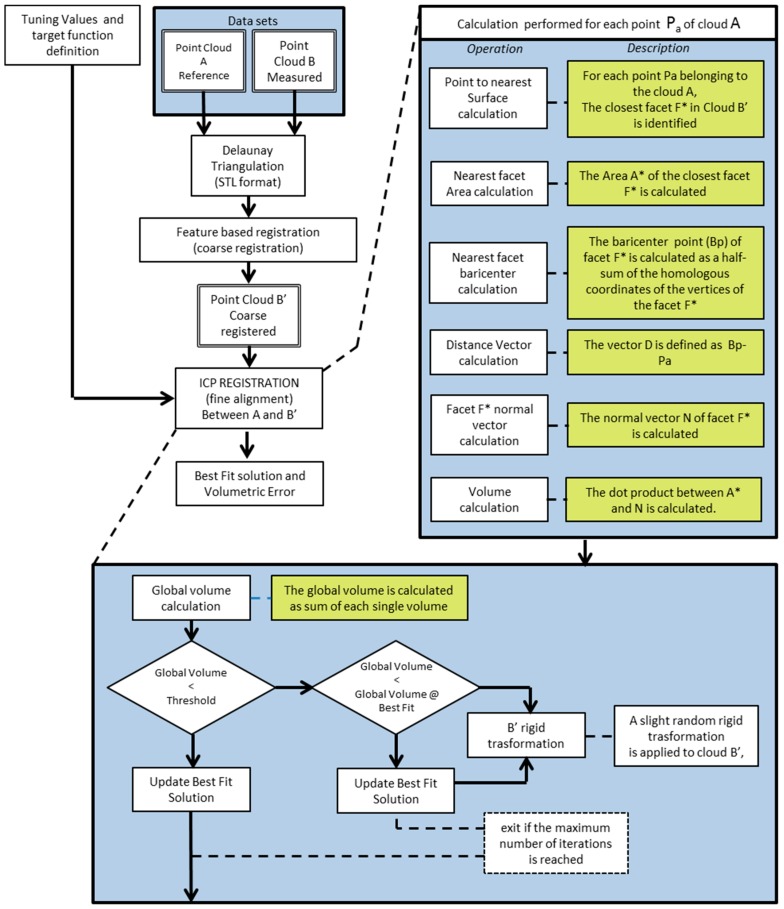
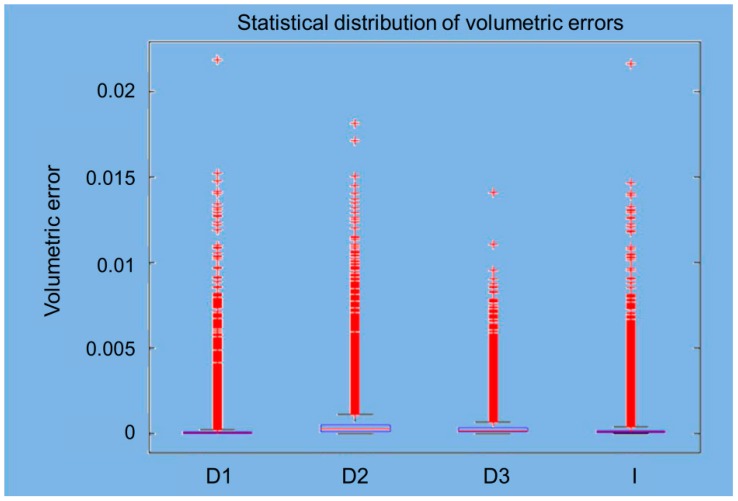
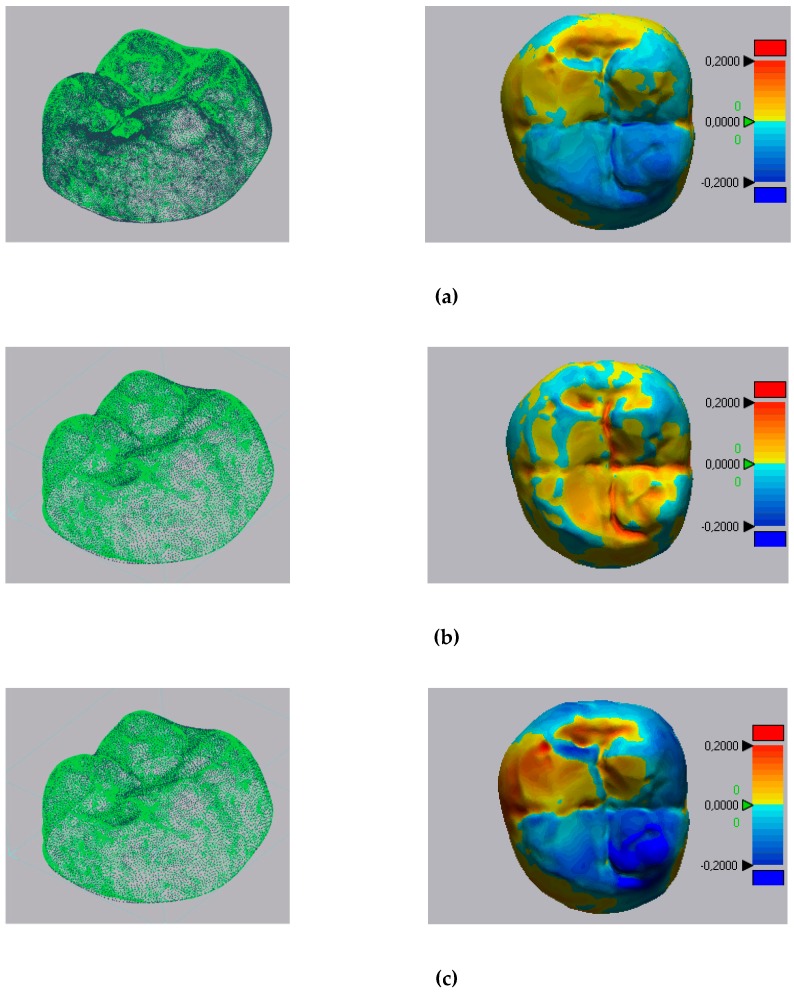
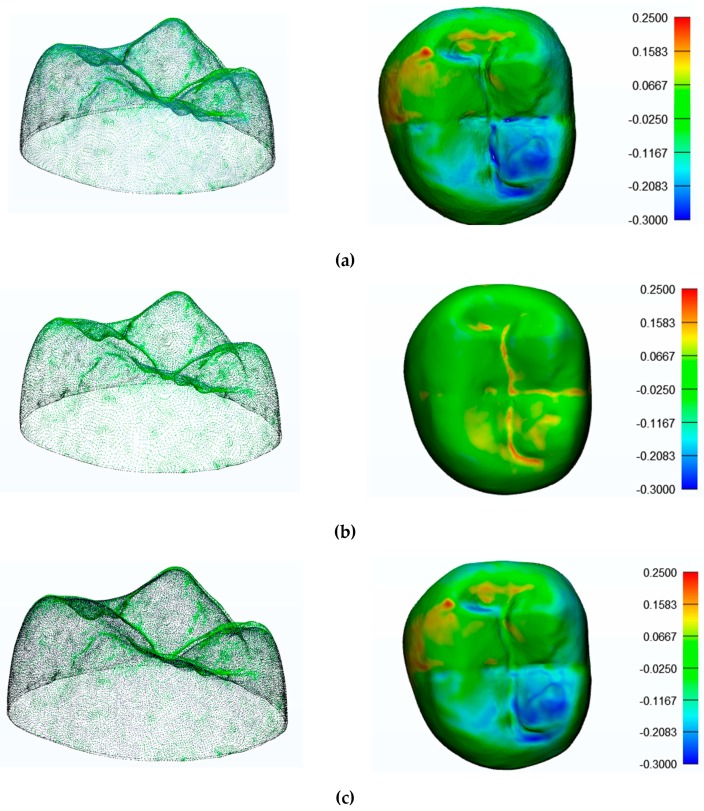
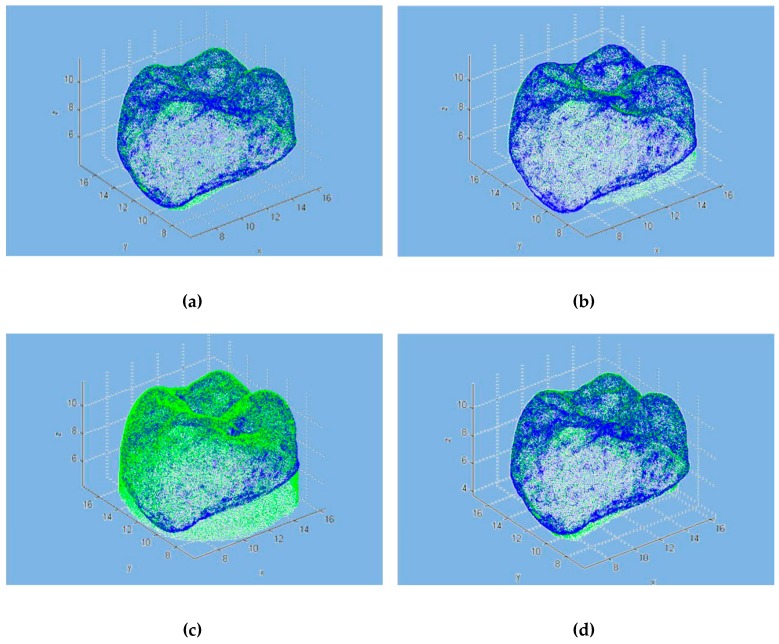
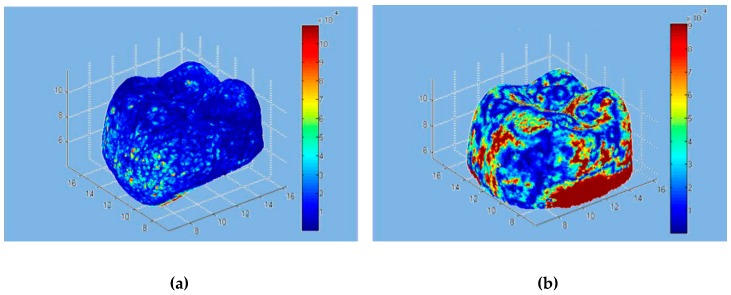
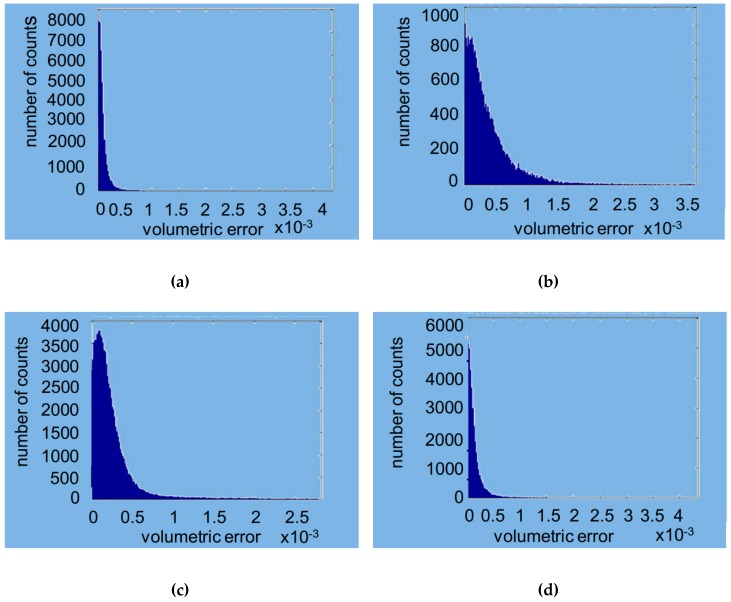
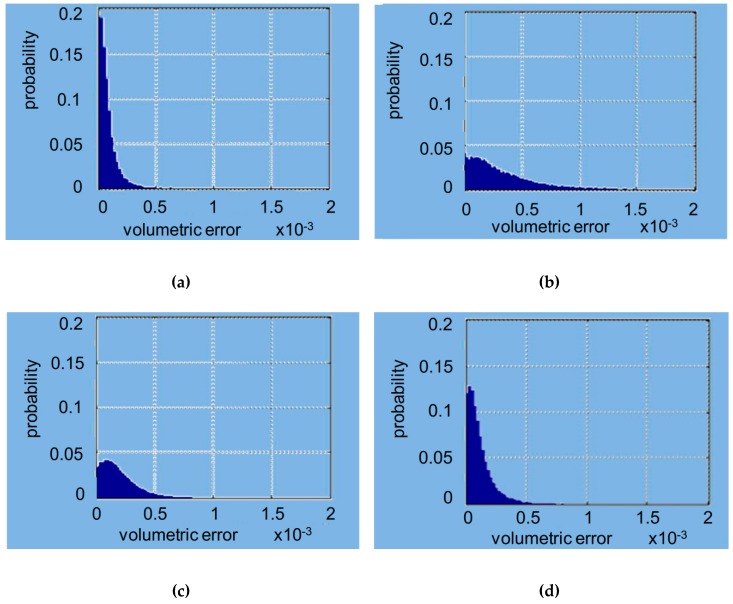
The quality of dental arch impression has a substantial role in the precision of the intervention. It is traditionally acquired with resins that solidify when in contact with the air. Compared to that method, digital impression gives great advantages and, together with three-dimensional (3D) digitization devices, allows a simplification of the digital impression process. The growing adoption of such systems by a large number of dental clinics determines the need for an in-depth evaluation of the accuracy and the precision of the different systems. The aim of this work is to define a methodology for the evaluation of the accuracy and precision of 3D intraoral and desktop scanning systems, by using volumetric and linear methods. The replica of a tooth was realized with zirconium; afterward, high-accuracy point clouds of the master model were acquired by a coordinate measurement machine (CMM). In this way, the dimensions of the replica were accurately known. An intraoral scanner (I) and three desktops (D1, D2, D3) were then used to scan the replica. The geometry resulting from the CMM was compared with the ones derived from the scanners, using two different commercial programs (Geomagic and 3-Matic) and a custom-developed algorithm (MATLAB). Geomagic showed the mean values to be in a range from 0.0286 mm (D1) to 0.1654 mm (I), while 3-Matic showed mean values from -0.0396 mm (D1) to 0.1303 mm (I). MATLAB results ranged from 0.00014 mm (D1) to 0.00049 mm (D2). The probability distributions of the volumetric error of the measurements obtained with the different scanners allow a direct comparison of their performances. For the results given by our study, the volumetric approach that we adopted appears to be an excellent system of analysis.
牙弓印模的质量对干预的精度起着至关重要的作用。传统上,它是通过与空气接触时固化的树脂获取的。与该方法相比,数字印模具有很大优势,并且与三维(3D)数字化设备一起,可简化数字印模过程。大量牙科诊所对这类系统的日益采用,决定了需要对不同系统的准确性和精度进行深入评估。这项工作的目的是通过使用体积法和线性法,定义一种评估3D口内和桌面扫描系统准确性和精度的方法。用锆制作了一颗牙齿的复制品;之后,通过坐标测量机(CMM)获取了主模型的高精度点云。通过这种方式,准确知道了复制品的尺寸。然后使用一台口内扫描仪(I)和三台桌面扫描仪(D1、D2、D3)对复制品进行扫描。使用两个不同的商业程序(Geomagic和3-Matic)以及一个自定义开发的算法(MATLAB),将CMM得到的几何形状与扫描仪得到的几何形状进行比较。Geomagic显示平均值在0.0286毫米(D1)至0.1654毫米(I)范围内,而3-Matic显示平均值在-0.0396毫米(D1)至0.1303毫米(I)范围内。MATLAB的结果范围为0.00014毫米(D1)至0.00049毫米(D2)。不同扫描仪获得的测量体积误差的概率分布,可以直接比较它们的性能。对于我们研究给出的结果,我们采用的体积法似乎是一种出色的分析系统。