Centro de Estudos da Saúde do Trabalhador e Ecologia Humana (CESTEH), Escola Nacional de Saúde Pública Sergio Arouca (ENSP), Fundação Oswaldo Cruz (Fiocruz), Rua Leopoldo Bulhões 1480, Manguinhos, Rio de Janeiro-RJ, CEP 21041-210, Brazil.
Department of Nutrition, Institute of Basic Medical Sciences, University of Oslo (UiO), POB 1046, Blindern 0316 Oslo, Norway.
Int J Environ Res Public Health. 2019 Jun 25;16(12):2240. doi: 10.3390/ijerph16122240.
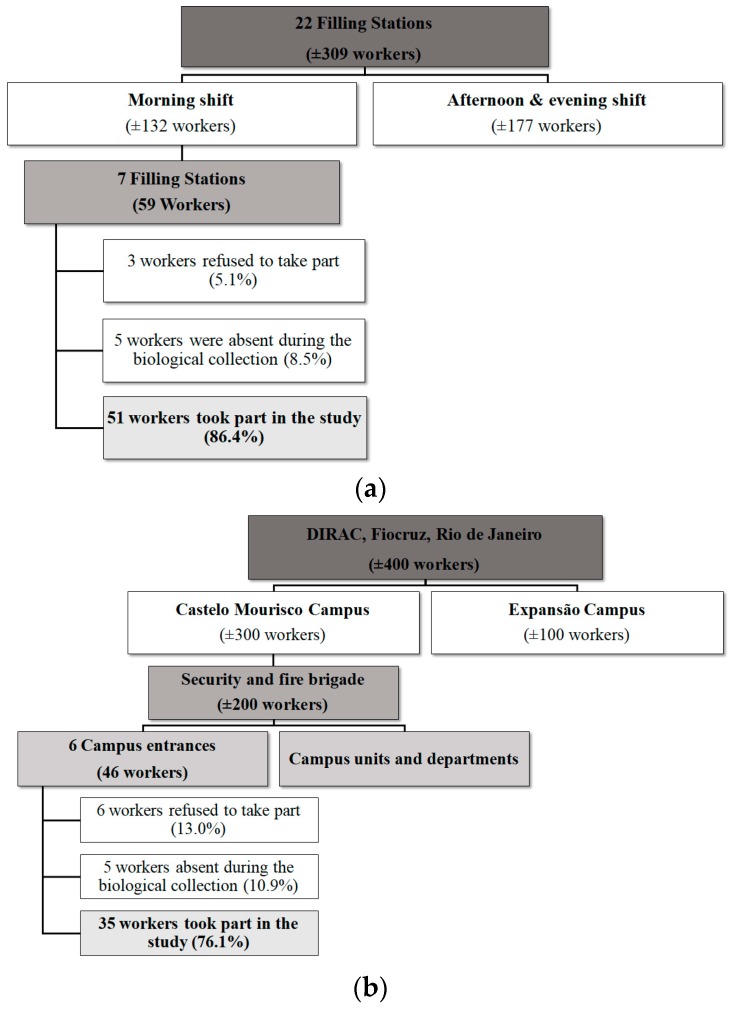
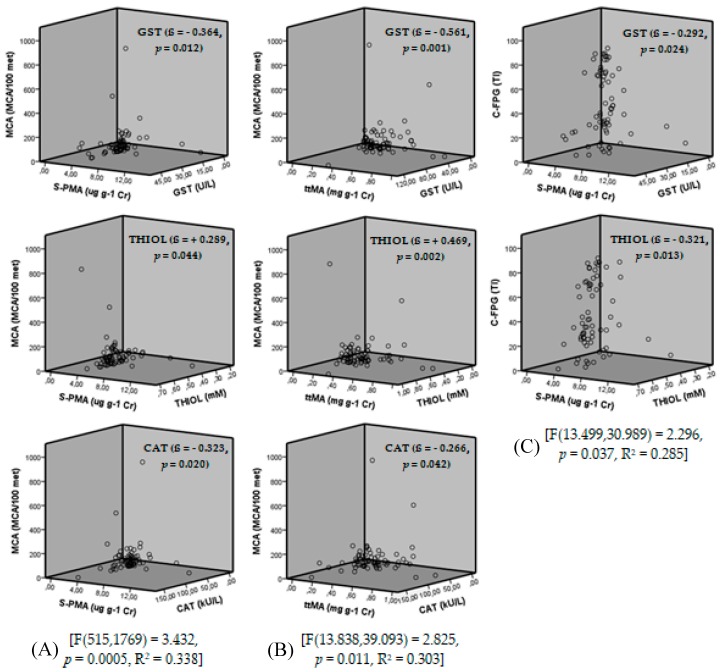
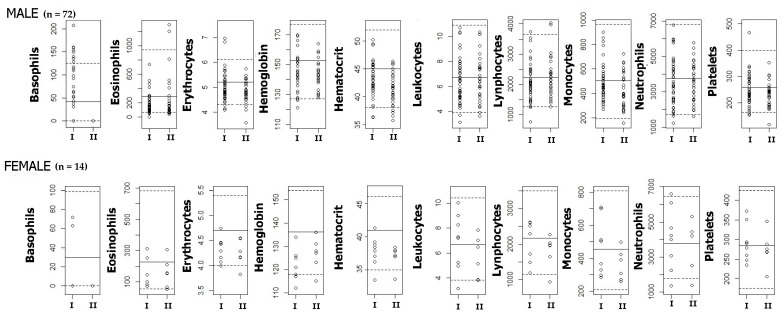
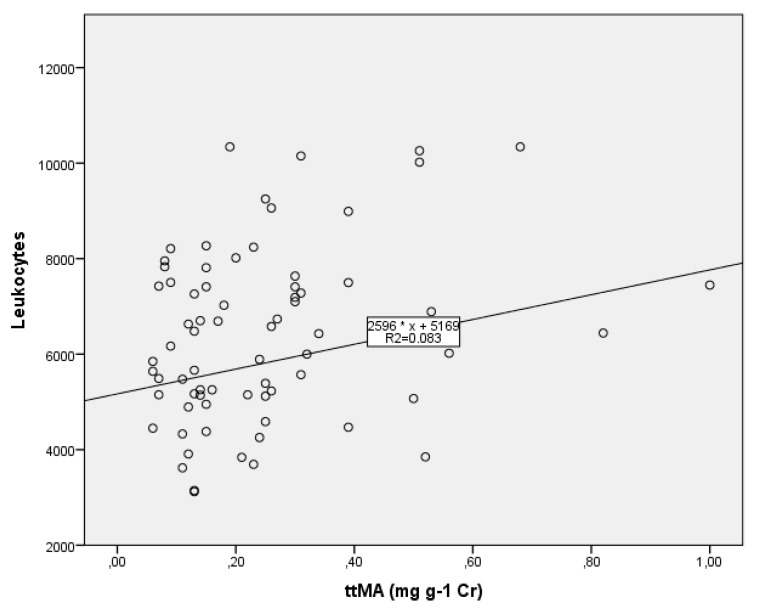
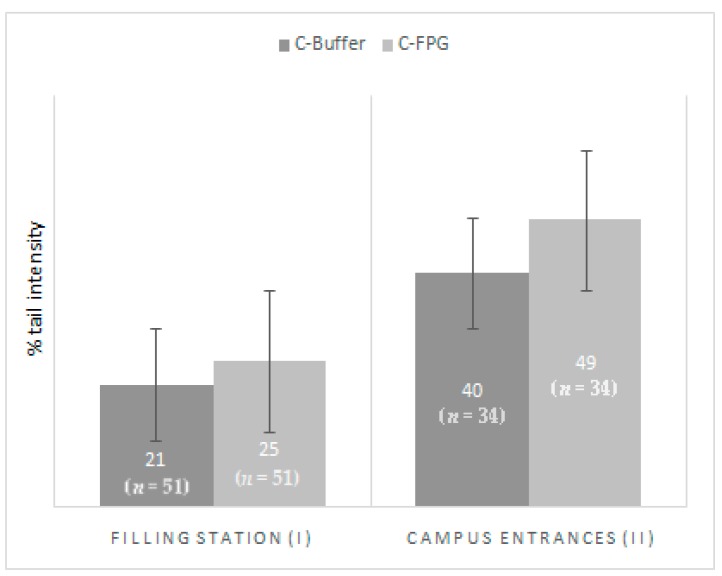
Environmental and occupational exposure to benzene from fuels is a major cause for concern for national and international authorities, as benzene is a known carcinogen in humans and there is no safe limit for exposure to carcinogens. The objective of this study was to evaluate the genotoxic effects of chronic occupational exposure to benzene among two groups of workers: filling station workers (Group I) and security guards working at vehicles entrances (Group II), both on the same busy highway in Rio de Janeiro, Brazil. Sociodemographic data on the workers were evaluated; the concentration of benzene/toluene (B/T) in atmospheric air and individual ,-muconic acid (MA) and -phenylmercapturic acid (-PMA) were measured; oxidative stress was analyzed by catalase (CAT), glutathione -transferase (GST), superoxide dismutase (SOD), thiol groups (THIOL) and malondialdehyde (MDA); genotoxicity was measured by metaphases with chromosomal abnormalities (MCA) and nuclear abnormalities, comet assay using the enzyme formamidopyrimidine DNA glycosylase (C-FPG), and methylation of repetitive element LINE-1, and genes. Eighty-six workers participated: 51 from Group I and 35 from Group II. The B/T ratio was similar for both groups, but Group I had greater oscillation of benzene concentrations because of their work activities. No differences in MA and -PMA, and no clinical changes were found between both groups, but linearity was observed between leukocyte count and MA; and 15% of workers had leukocyte counts less than 4.5 × 10 cells L, demanding close worker's attention. No differences were observed between the two groups for THIOL, MDA, MCA, or nuclear abnormalities. A multiple linear relationship was obtained for the biomarkers MCA and C-FPG. A significant correlation was found between length of time in current job and the biomarkers C-FPG, MCA, GST, and MDA. Although both populations had chronic exposure to benzene, the filling station workers were exposed to higher concentrations of benzene during their work activities, indicating an increased risk of DNA damage.
环境和职业暴露于燃料中的苯是国家和国际当局关注的主要原因,因为苯是人类已知的致癌物,而且对于致癌物没有安全的暴露限值。本研究的目的是评估两组工人(加油工和车辆入口保安)长期职业性接触苯的遗传毒性作用,两组工人都在巴西里约热内卢同一条繁忙的高速公路上工作。评估了工人的社会人口统计学数据;测量了大气空气中的苯/甲苯(B/T)浓度和个体 - 尿卟啉(MA)和 - 苯巯基尿酸(-PMA)浓度;通过过氧化氢酶(CAT)、谷胱甘肽 - S- 转移酶(GST)、超氧化物歧化酶(SOD)、硫醇基团(THIOL)和丙二醛(MDA)分析氧化应激;通过染色体异常(MCA)和核异常的中期分裂、使用酶切氨嘧啶 DNA 糖基化酶(C-FPG)的彗星试验以及重复元件 LINE-1 和 基因的甲基化来测量遗传毒性。共有 86 名工人参与:51 名来自第 I 组,35 名来自第 II 组。两组的 B/T 比值相似,但由于第 I 组的工作活动,其苯浓度波动较大。两组之间未发现 MA 和 -PMA 以及临床变化的差异,但白细胞计数与 MA 之间存在线性关系;15%的工人白细胞计数低于 4.5×10 个细胞/L,需要密切关注工人的健康。两组之间在 THIOL、MDA、MCA 或核异常方面没有差异。获得了生物标志物 MCA 和 C-FPG 的多重线性关系。当前工作时间与生物标志物 C-FPG、MCA、GST 和 MDA 之间存在显著相关性。尽管两个群体都长期接触苯,但加油工在工作活动中接触到更高浓度的苯,这表明他们的 DNA 损伤风险增加。