Ghaderi Farzaneh, Mehdipour Fereshteh, Hosseini Ahmad, Talei Abdolrasoul, Ghaderi Abbas
Department of Immunology, School of Medicine, Shiraz University of Medical Sciences, Shiraz, Iran. Email:
Shiraz Institute for Cancer Research, School of Medicine, Shiraz University of Medical Sciences, Shiraz, Iran.
Asian Pac J Cancer Prev. 2019 Jun 1;20(6):1683-1689. doi: 10.31557/APJCP.2019.20.6.1683.
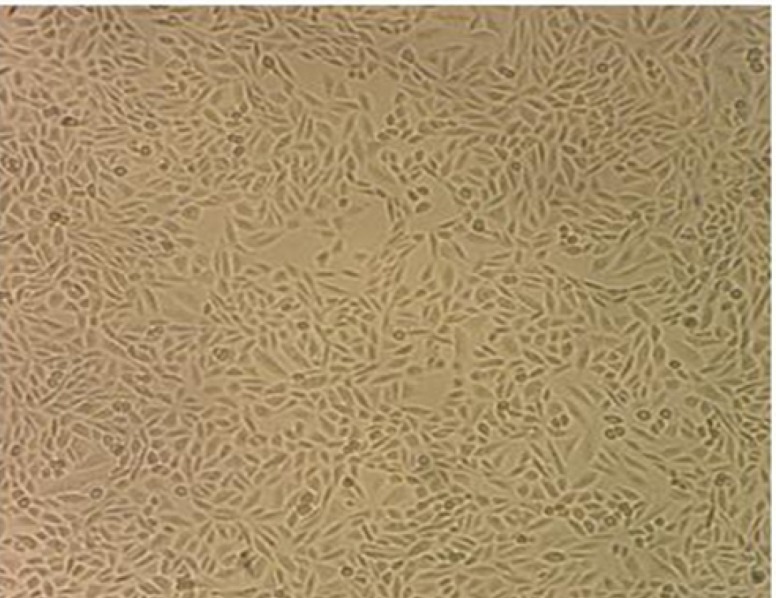
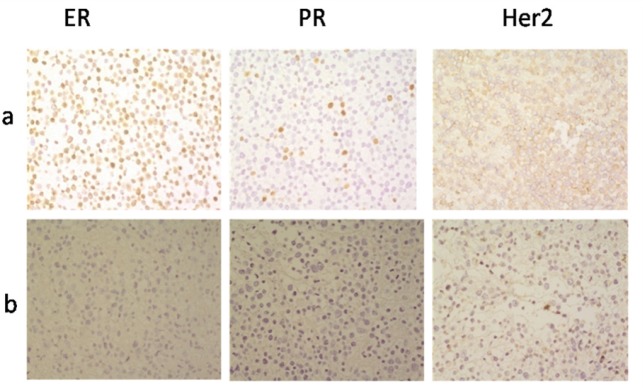
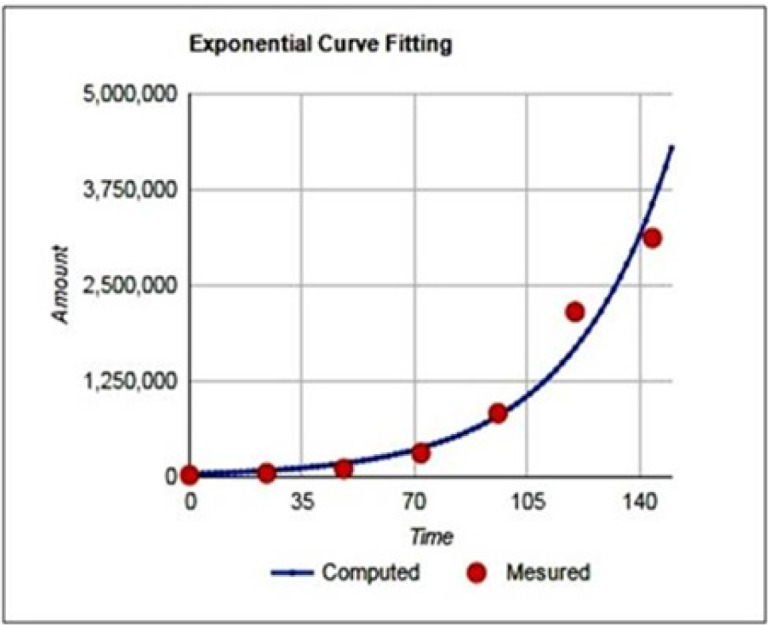
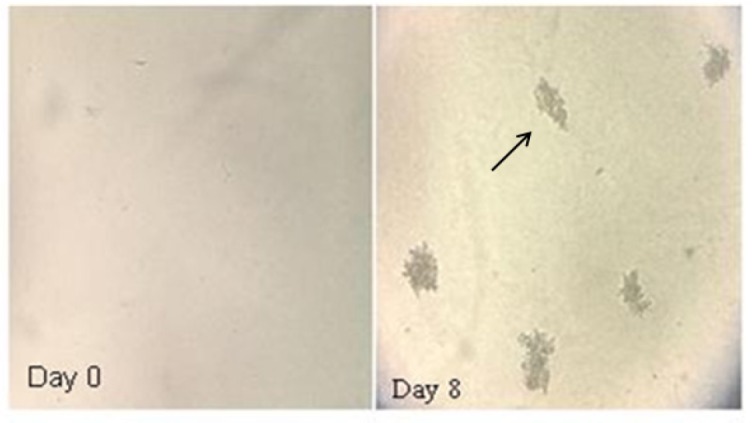
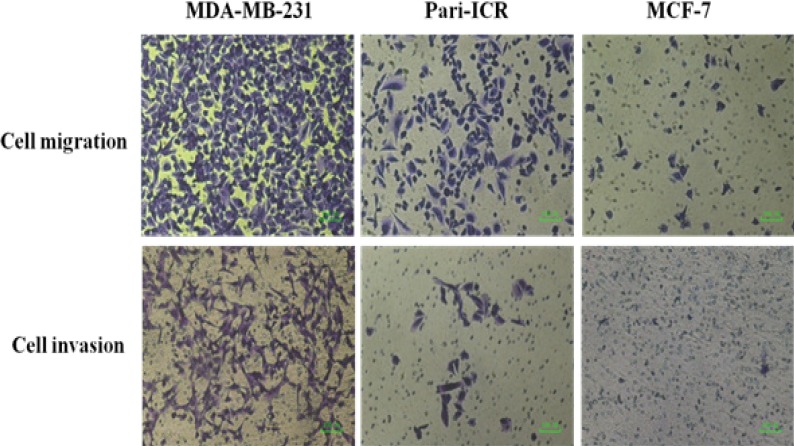
Breast cancer is the most common malignancy and the leading cause of cancer-related death among women worldwide. The underlying mechanisms for breast cancer development, especially in young women, are not completely understood. Although there are several experimental models to understand the biology of breast cancer such as immortalized cell lines, many of these cell lines have been in culture for decades and most of them have been derived from Caucasians or African-Americans. So, it is required to establish a new cell line derived from primary tumors and Asian women. In this study Pari-Institute for Cancer Research (Pari-ICR) was derived from the primary breast tumor of a 36-years old patient with invasive ductal carcinoma. We characterized the cell line by examining morphology, expression of different markers, and functional profile. Immunocytochemistry showed that this cell line does not express estrogen and progesterone receptors as well as human epidermal growth factor receptor 2 (HER2). Pari-ICR cell line expresses high levels of Vimentin, Ezrin, and S100 but does not express EpCAM, Cytokeratin19, Pan-cytokeratin, Nestin, and Desmin. Its doubling time of Pari-ICR was about 22h and was able to grow as colonies in soft agar. It displayed a higher ability of migration and invasion in comparison with MCF-7 cell line. This breast cancer cell line can serve as a model for understanding the molecular mechanisms of breast carcinogenesis. Moreover, it can be used as an appropriate resource to find novel biomarkers or assess new drugs.
乳腺癌是全球女性中最常见的恶性肿瘤,也是癌症相关死亡的主要原因。乳腺癌发生的潜在机制,尤其是在年轻女性中,尚未完全明确。尽管有几种实验模型,如永生化细胞系,用于了解乳腺癌的生物学特性,但这些细胞系中的许多已经在培养中存在了数十年,并且大多数源自白种人或非裔美国人。因此,需要建立一种源自原发性肿瘤和亚洲女性的新细胞系。在本研究中,帕里癌症研究所(Pari-ICR)细胞系源自一名36岁浸润性导管癌患者的原发性乳腺肿瘤。我们通过检查形态、不同标志物的表达和功能特性对该细胞系进行了表征。免疫细胞化学显示,该细胞系不表达雌激素和孕激素受体以及人表皮生长因子受体2(HER2)。Pari-ICR细胞系高表达波形蛋白、埃兹蛋白和S100,但不表达上皮细胞黏附分子(EpCAM)、细胞角蛋白19、泛细胞角蛋白、巢蛋白和结蛋白。Pari-ICR的倍增时间约为22小时,并且能够在软琼脂中形成集落生长。与MCF-7细胞系相比,它表现出更高的迁移和侵袭能力。这种乳腺癌细胞系可作为理解乳腺癌发生分子机制的模型。此外,它还可作为寻找新型生物标志物或评估新药的合适资源。