Patnaik Srinivas
School of Biotechnology, KIIT University, Bhubaneswar, India.
Front Pharmacol. 2019 Jun 6;10:588. doi: 10.3389/fphar.2019.00588. eCollection 2019.
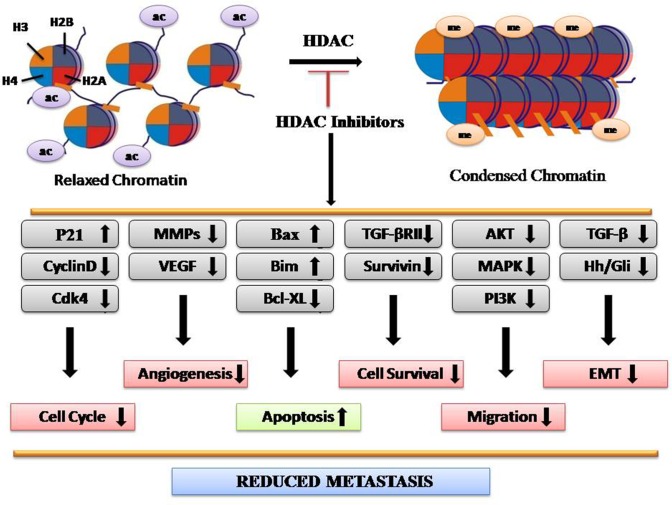
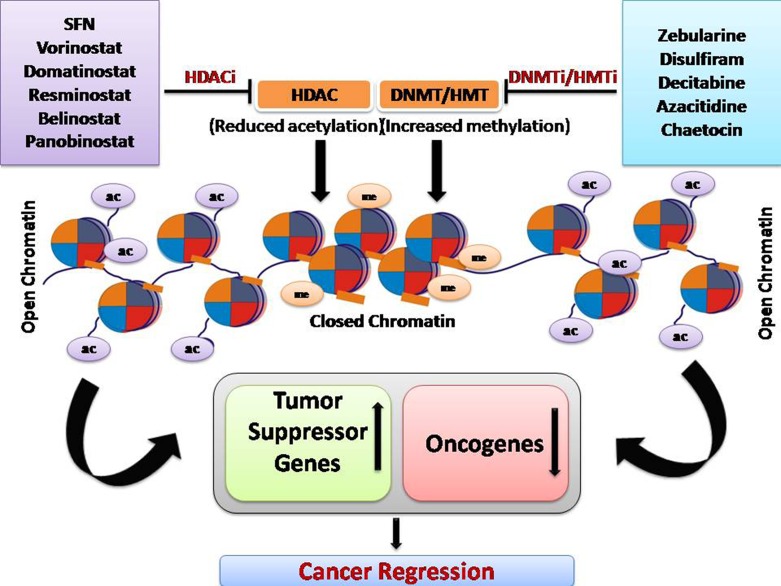
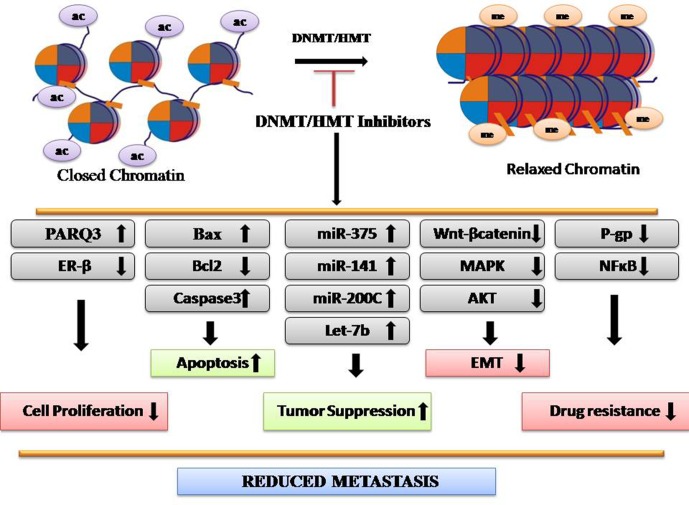
Genetic variations along with epigenetic modifications of DNA are involved in colorectal cancer (CRC) development and progression. CRC is the fourth leading cause of cancer-related deaths worldwide. Initiation and progression of CRC is the cumulation of a variety of genetic and epigenetic changes in colonic epithelial cells. Colorectal carcinogenesis is associated with epigenetic aberrations including DNA methylation, histone modifications, chromatin remodeling, and non-coding RNAs. Recently, epigenetic modifications have been identified like association of hypermethylated gene Claudin11 (CLDN11) with metastasis and prognosis of poor survival of CRC. DNA methylation of genes CMTM3, SSTR2, MDF1, NDRG4 and TGFB2 are potential epigenetic biomarkers for the early detection of CRC. Tumor suppressor candidate 3 (TUSC3) mRNA expression is silenced by promoter methylation, which promotes epidermal growth factor receptor (EGFR) signaling and rescues the CRC cells from apoptosis and hence leading to poor survival rate. Previous scientific evidences strongly suggest epigenetic modifications that contribute to anticancer drug resistance. Recent research studies emphasize development of drugs targeting histone deacetylases (HDACs) and DNA methyltransferase inhibitors as an emerging anticancer strategy. This review covers potential epigenetic modification targeting chemotherapeutic drugs and probable implementation for the treatment of CRC, which offers a strong rationale to explore therapeutic strategies and provides a basis to develop potent antitumor drugs.
基因变异以及DNA的表观遗传修饰与结直肠癌(CRC)的发生和发展有关。CRC是全球癌症相关死亡的第四大主要原因。CRC的起始和进展是结肠上皮细胞中各种基因和表观遗传变化的累积。结直肠癌发生与包括DNA甲基化、组蛋白修饰、染色质重塑和非编码RNA在内的表观遗传异常有关。最近,已发现表观遗传修饰,如高甲基化基因Claudin11(CLDN11)与CRC转移及不良生存预后的关联。基因CMTM3、SSTR2、MDF1、NDRG4和TGFB2的DNA甲基化是CRC早期检测的潜在表观遗传生物标志物。肿瘤抑制候选基因3(TUSC3)的mRNA表达因启动子甲基化而沉默,这促进表皮生长因子受体(EGFR)信号传导并使CRC细胞免于凋亡,从而导致低生存率。先前的科学证据强烈表明表观遗传修饰与抗癌药物耐药性有关。最近的研究强调开发靶向组蛋白去乙酰化酶(HDACs)的药物和DNA甲基转移酶抑制剂作为一种新兴的抗癌策略。本综述涵盖了针对化疗药物的潜在表观遗传修饰以及CRC治疗的可能应用,这为探索治疗策略提供了有力依据,并为开发有效的抗肿瘤药物提供了基础。