Graduate School at Shenzhen, Tsinghua University, Shenzhen, 518055, China.
Department of Physics, Tsinghua University, Beijing, 100084, China.
Sci Rep. 2019 Jul 3;9(1):9585. doi: 10.1038/s41598-019-45632-y.
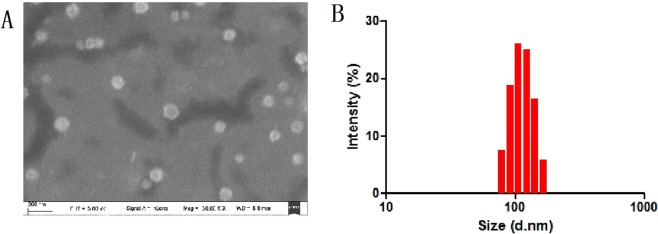
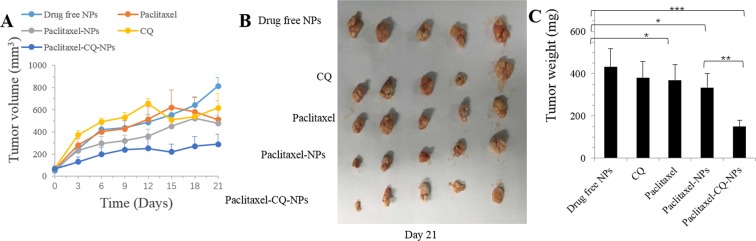
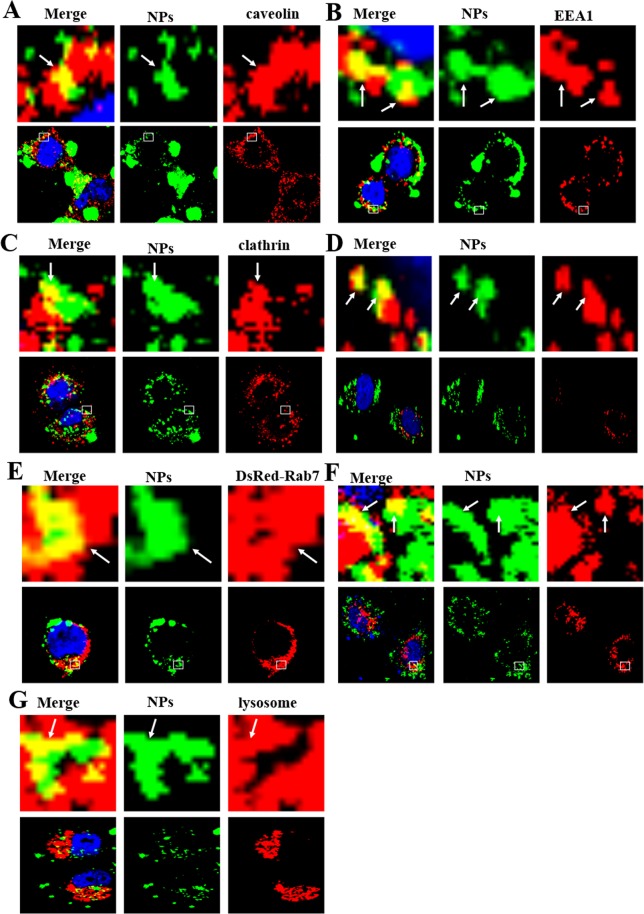
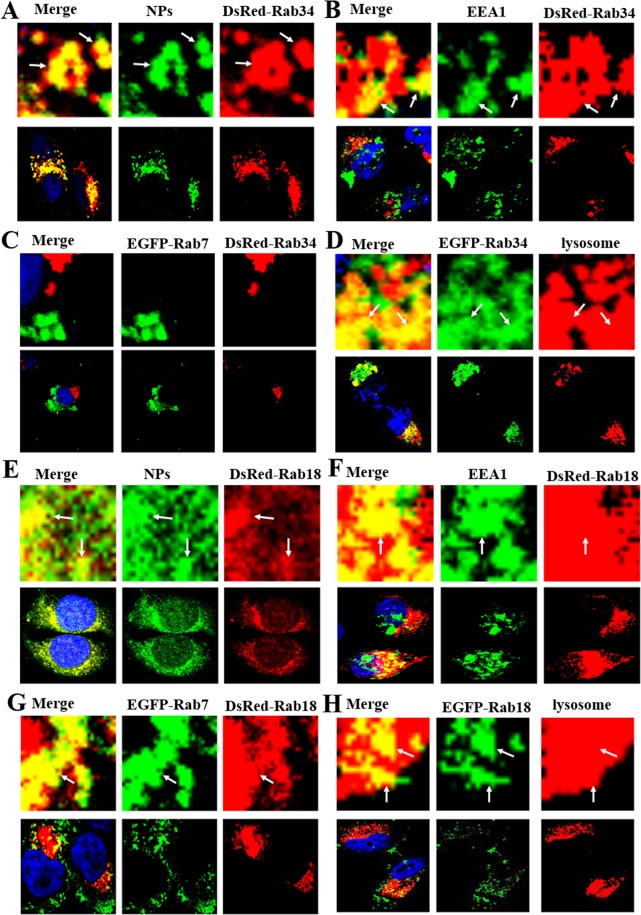
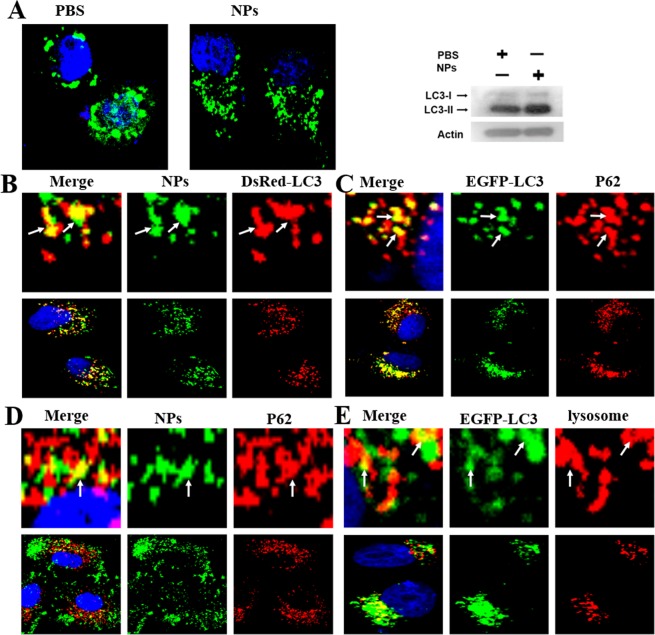
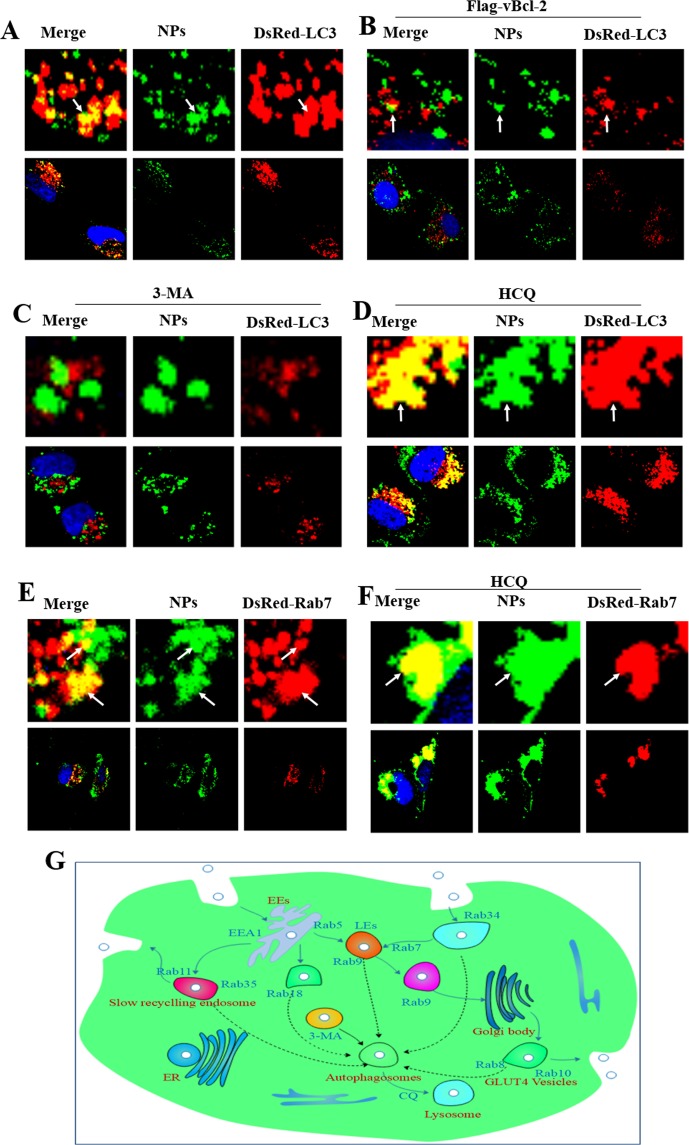
3-hydroxybutyrate-co-3-hydroxyhexanoate (PHBHHx), which is naturally generated by biodegradable polyhydroxyalkanoates synthesized by bacteria, is an attractive material for drug delivery due to its controllable physical properties, non-toxicity, environmental friendliness, degradable properties and good biocompatibility. However, the intracellular trafficking network pathways, especially the autophagy mechanism of PHBHHx nanoparticles (NPs), have rarely been investigated. In this paper, we successfully prepared the NPs used solvent displacement method and investigated the autophagy pathways and other intracellular trafficking mechanisms based on NPs with the assistance of Rab proteins. We found that NPs were internalized in cells mainly via clathrin endocytosis and caveolin endocytosis. Beside the classical pathways, we discovered two new pathways: the micropinocytosis early endosome (EEs)-micropinocytosis-lysosome pathway and the EEs-liposome-lysosome pathway. NPs were delivered to cells through endocytosis recycling vesicles and GLUT4 exocytosis vesicles. Similar to other nanoparticles, NPs also induced intracellular autophagy and were then degraded via endolysosomal pathways. 3-MA and CQ were used as autophagy inhibitors to avoid the degradation of NPs through lysosomes by blocking endolysosomal pathways. Tumor volumes and weights were significantly decreased when autophagy inhibitors and chemical drugs packaged in NPs were cooperatively used.
3-羟基丁酸-co-3-羟基己酸酯(PHBHHx)是细菌合成的可生物降解聚羟基烷酸酯自然产生的一种物质,由于其可控的物理性质、无毒、环保、可降解和良好的生物相容性,它是一种很有吸引力的药物输送材料。然而,其细胞内运输网络途径,特别是 PHBHHx 纳米颗粒(NPs)的自噬机制,很少被研究。在本文中,我们成功地使用溶剂置换法制备了 NPs,并在 Rab 蛋白的辅助下,基于 NPs 研究了自噬途径和其他细胞内运输机制。我们发现 NPs 主要通过网格蛋白内吞作用和小窝蛋白内吞作用被细胞内化。除了经典途径外,我们还发现了两种新途径:微胞饮早期内体(EEs)-微胞饮-溶酶体途径和 EEs-脂质体-溶酶体途径。NPs 通过内吞循环囊泡和 GLUT4 胞吐囊泡被递送到细胞中。与其他纳米颗粒类似,NPs 也诱导细胞内自噬,然后通过内溶酶体途径降解。3-MA 和 CQ 被用作自噬抑制剂,通过阻断内溶酶体途径来避免 NPs 通过溶酶体降解。当将自噬抑制剂和化学药物包封在 NPs 中协同使用时,肿瘤体积和重量显著降低。