Department of Neurobiology, Harvard Medical School, Boston, MA, USA.
Department of Neurology, The Massachusetts General Hospital, Boston, MA, USA.
Nat Med. 2019 Jul;25(7):1123-1130. doi: 10.1038/s41591-019-0500-9. Epub 2019 Jul 3.
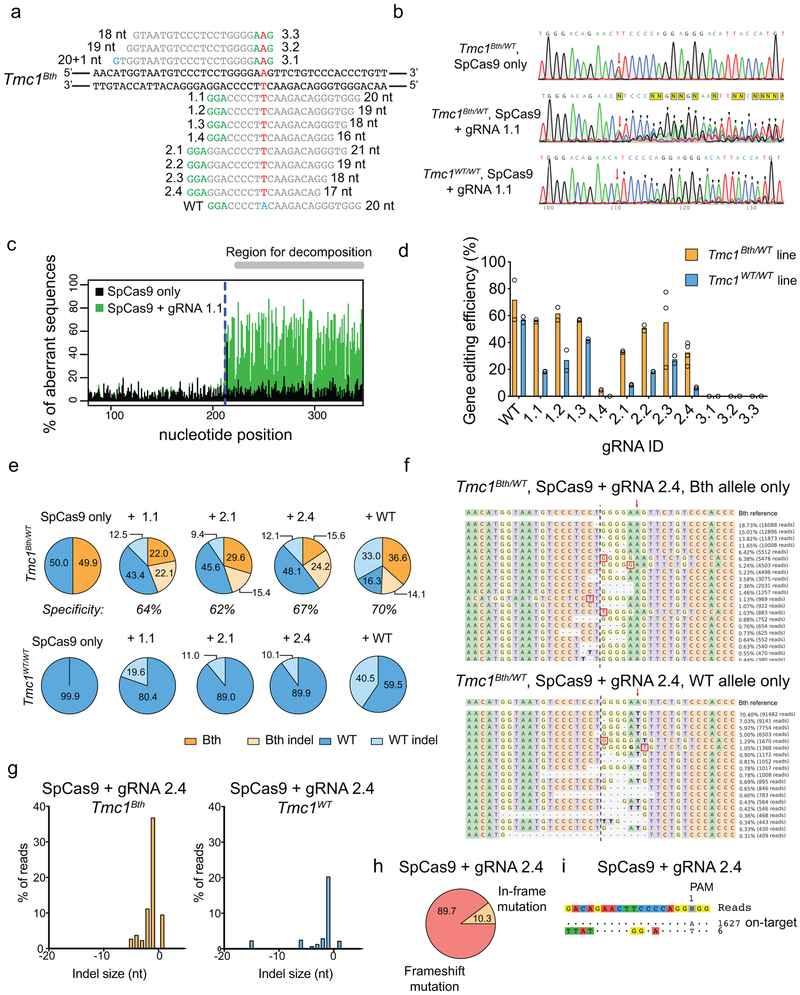
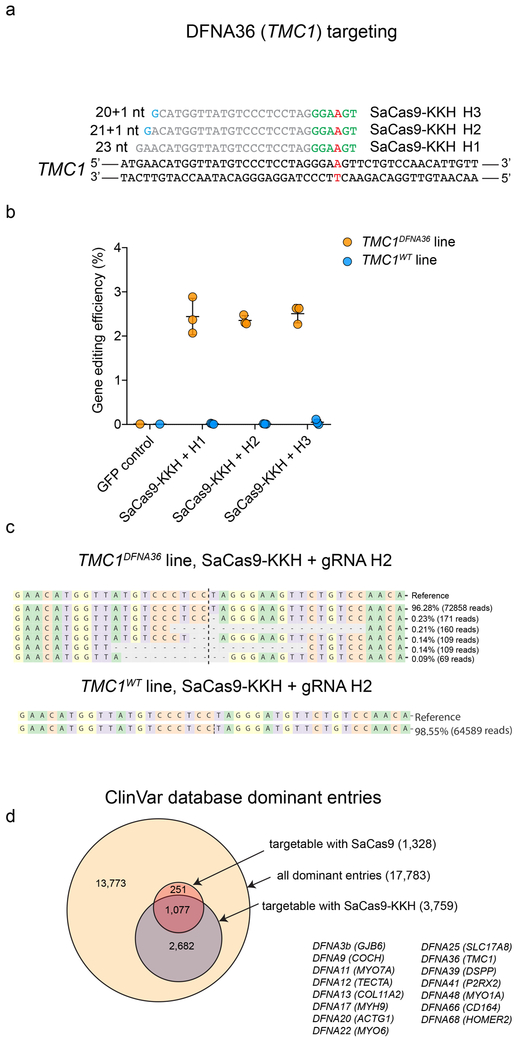
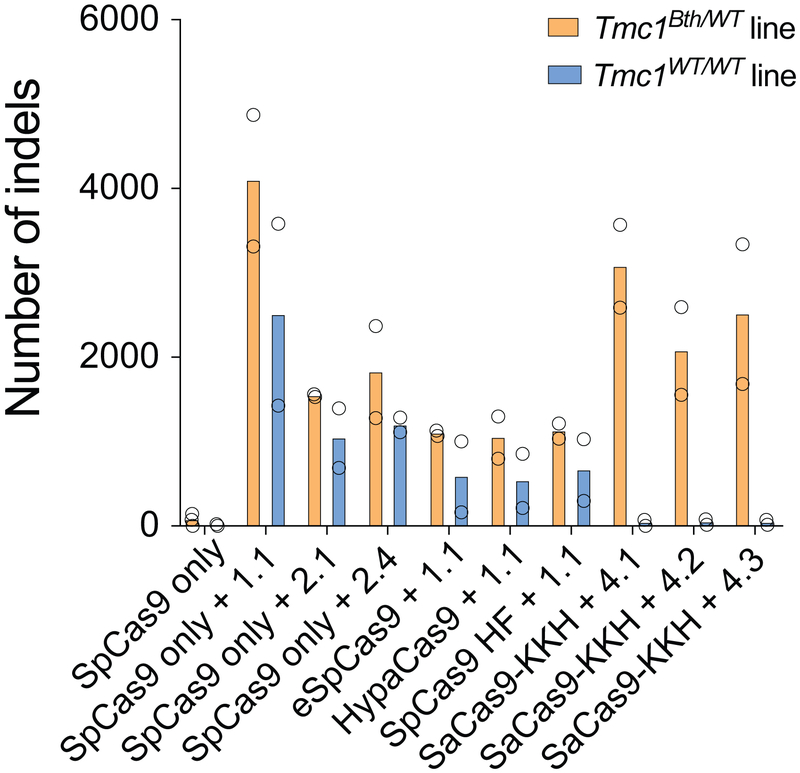
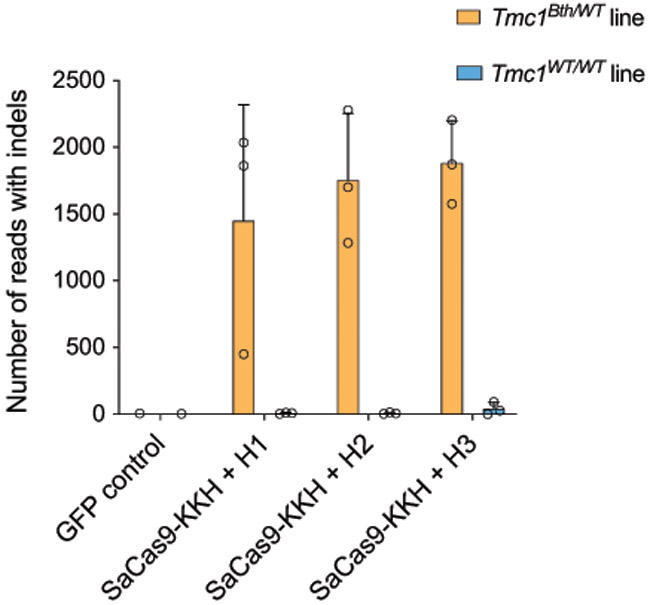
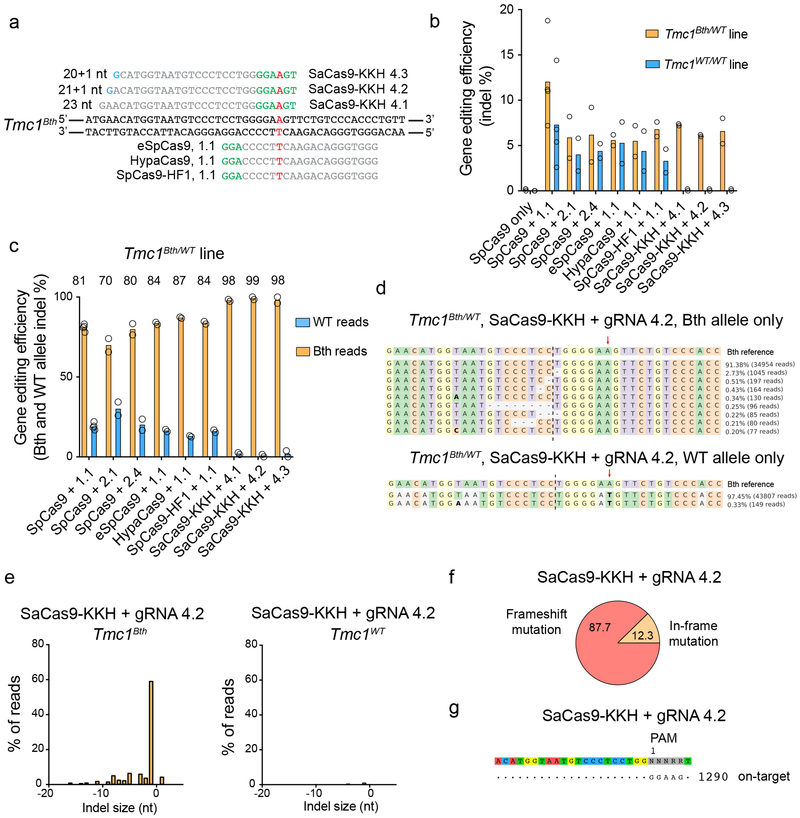
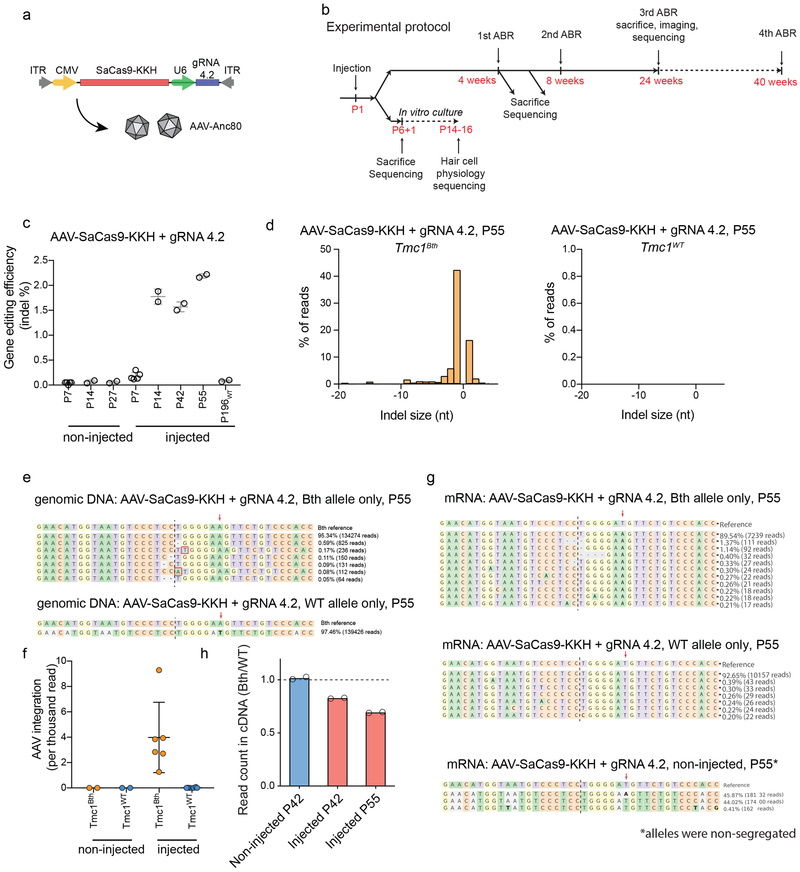
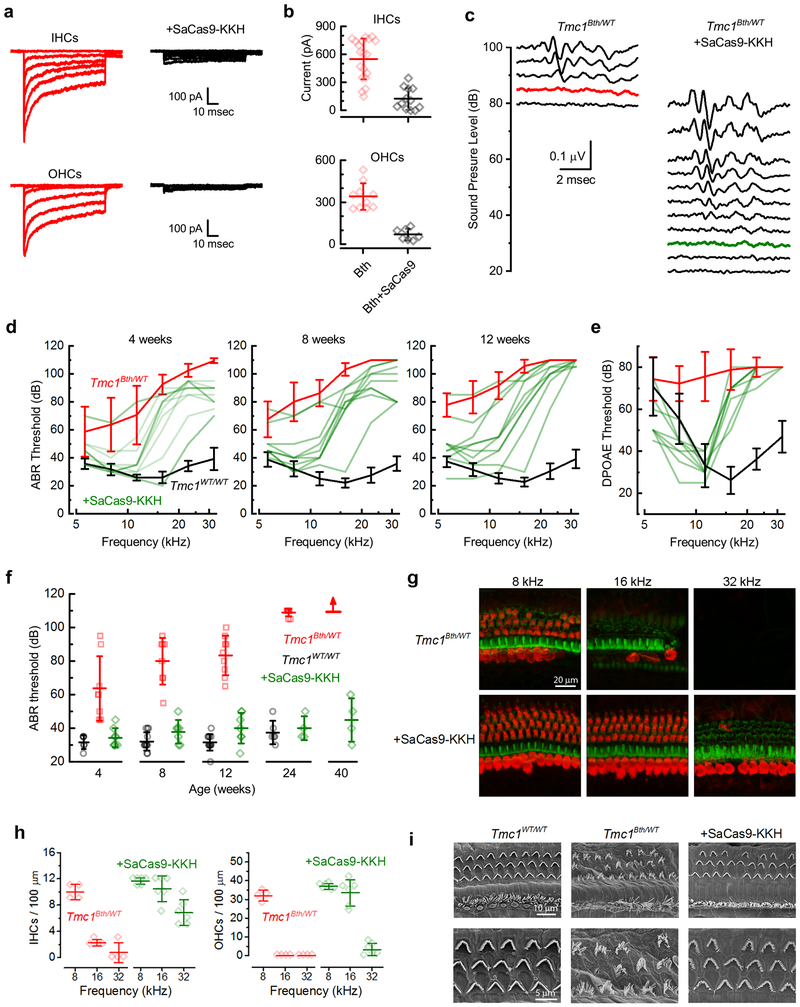
Since most dominant human mutations are single nucleotide substitutions, we explored gene editing strategies to disrupt dominant mutations efficiently and selectively without affecting wild-type alleles. However, single nucleotide discrimination can be difficult to achieve because commonly used endonucleases, such as Streptococcus pyogenes Cas9 (SpCas9), can tolerate up to seven mismatches between guide RNA (gRNA) and target DNA. Furthermore, the protospacer-adjacent motif (PAM) in some Cas9 enzymes can tolerate mismatches with the target DNA. To circumvent these limitations, we screened 14 Cas9/gRNA combinations for specific and efficient disruption of a nucleotide substitution that causes the dominant progressive hearing loss, DFNA36. As a model for DFNA36, we used Beethoven mice, which harbor a point mutation in Tmc1, a gene required for hearing that encodes a pore-forming subunit of mechanosensory transduction channels in inner-ear hair cells. We identified a PAM variant of Staphylococcus aureus Cas9 (SaCas9-KKH) that selectively and efficiently disrupted the mutant allele, but not the wild-type Tmc1/TMC1 allele, in Beethoven mice and in a DFNA36 human cell line. Adeno-associated virus (AAV)-mediated SaCas9-KKH delivery prevented deafness in Beethoven mice up to one year post injection. Analysis of current ClinVar entries revealed that ~21% of dominant human mutations could be targeted using a similar approach.
由于大多数显性人类突变是单核苷酸替换,我们探索了基因编辑策略,以有效地和选择性地破坏显性突变,而不影响野生型等位基因。然而,单核苷酸的区分可能很难实现,因为常用的内切酶,如酿脓链球菌 Cas9(SpCas9),可以在向导 RNA(gRNA)和靶 DNA 之间容忍多达七个错配。此外,一些 Cas9 酶中的原间隔基序(PAM)可以容忍与靶 DNA 的错配。为了规避这些限制,我们筛选了 14 种 Cas9/gRNA 组合,以特异性和有效地破坏导致显性进行性听力损失 DFNA36 的核苷酸替换。作为 DFNA36 的模型,我们使用了贝多芬小鼠,其携带了 Tmc1 中的一个点突变,该基因是听力所必需的,编码内耳毛细胞机械感觉转导通道的孔形成亚基。我们鉴定了一种金黄色葡萄球菌 Cas9(SaCas9-KKH)的 PAM 变体,它可以选择性和有效地破坏突变等位基因,但不破坏贝多芬小鼠和 DFNA36 人细胞系中的野生型 Tmc1/TMC1 等位基因。腺相关病毒(AAV)介导的 SaCas9-KKH 递送至贝多芬小鼠体内可预防耳聋,最长可达注射后一年。对当前 ClinVar 条目的分析表明,约 21%的显性人类突变可以使用类似的方法靶向。