Milojevic Tetyana, Albu Mihaela, Blazevic Amir, Gumerova Nadiia, Konrad Lukas, Cyran Norbert
Extremophiles/Space Biochemistry Group, Department of Biophysical Chemistry, University of Vienna, Vienna, Austria.
Graz Centre for Electron Microscopy, Graz, Austria.
Front Microbiol. 2019 Jun 7;10:1267. doi: 10.3389/fmicb.2019.01267. eCollection 2019.
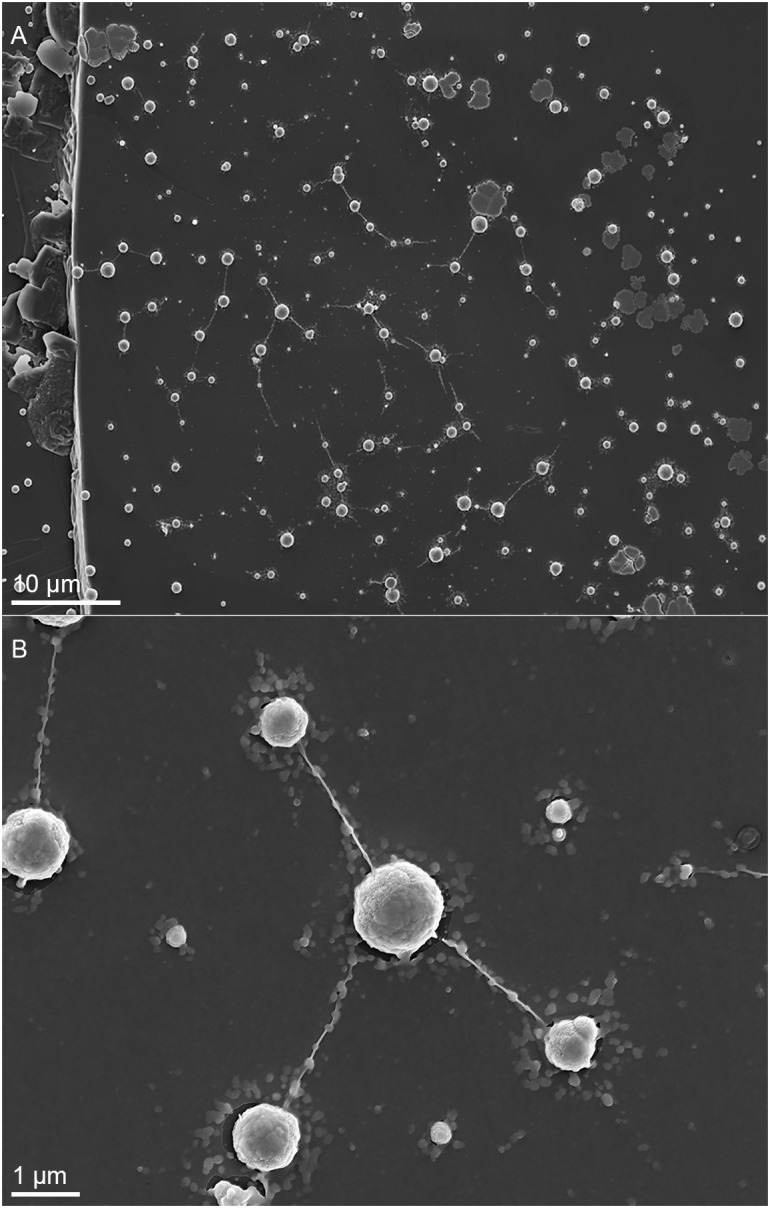
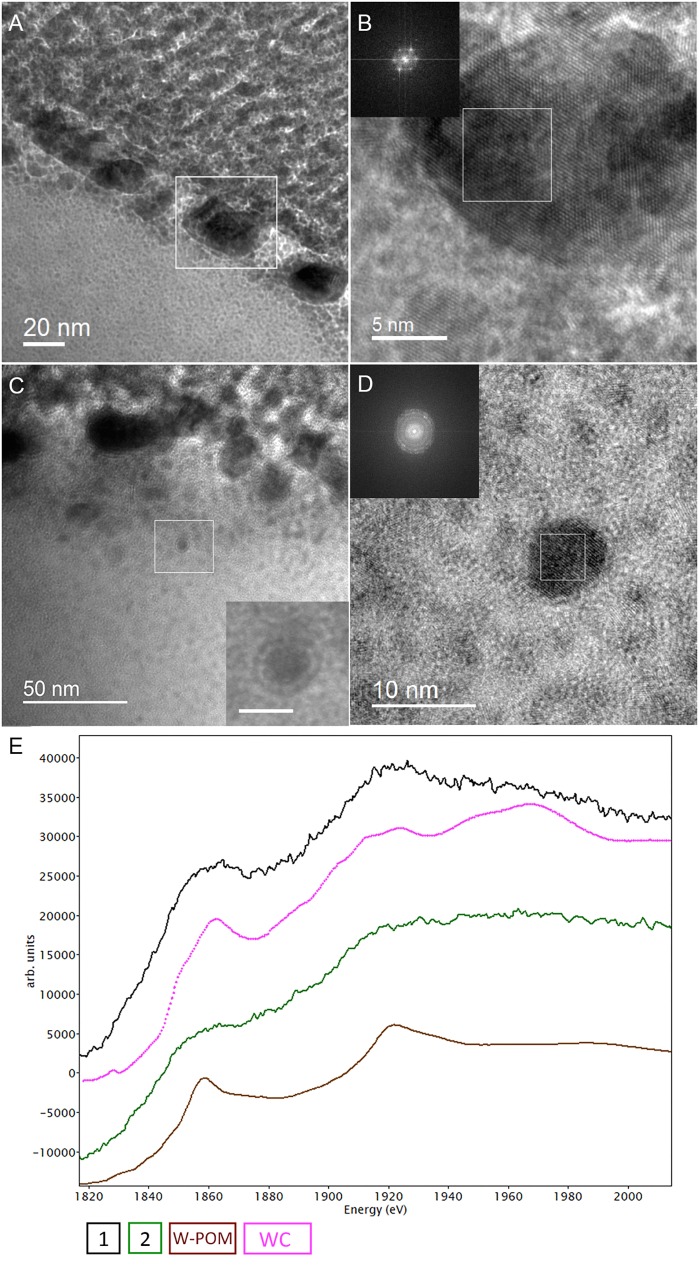
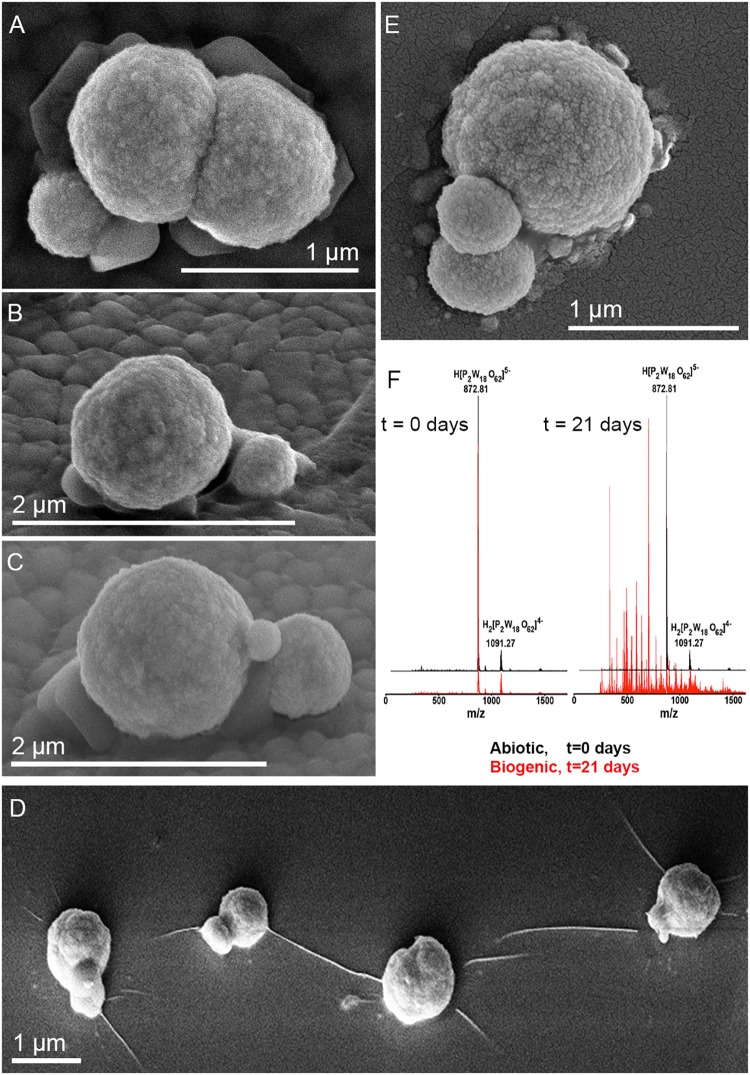
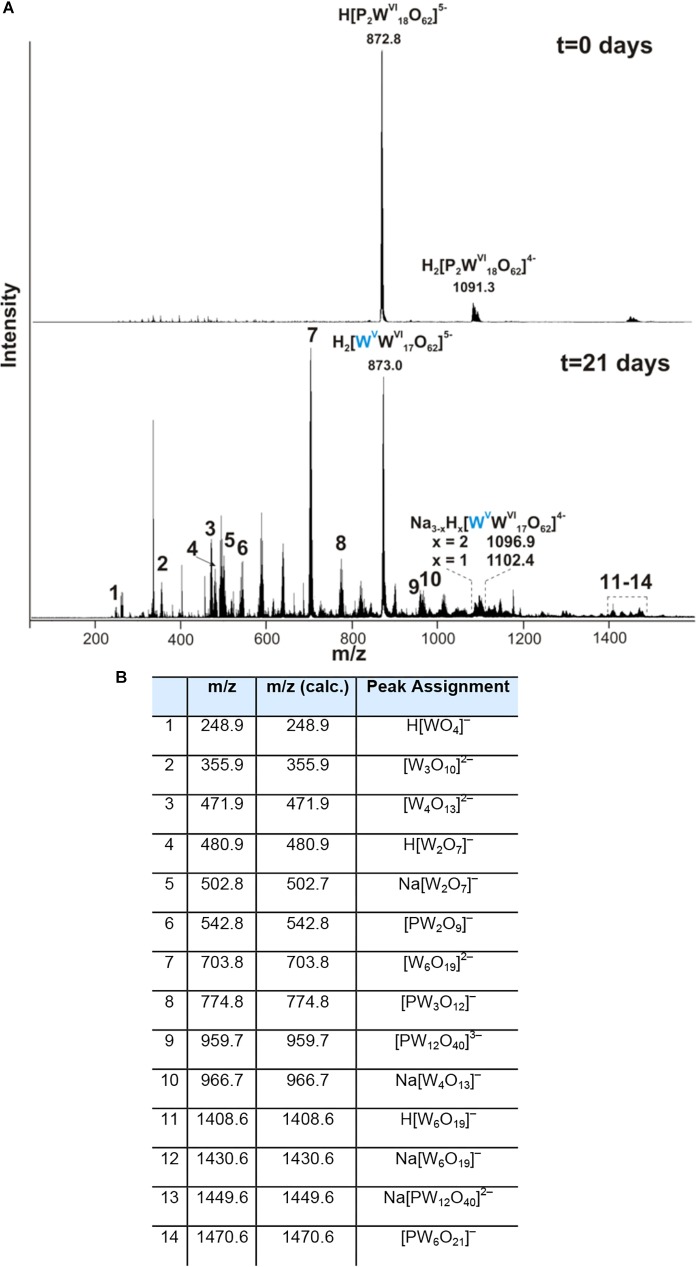
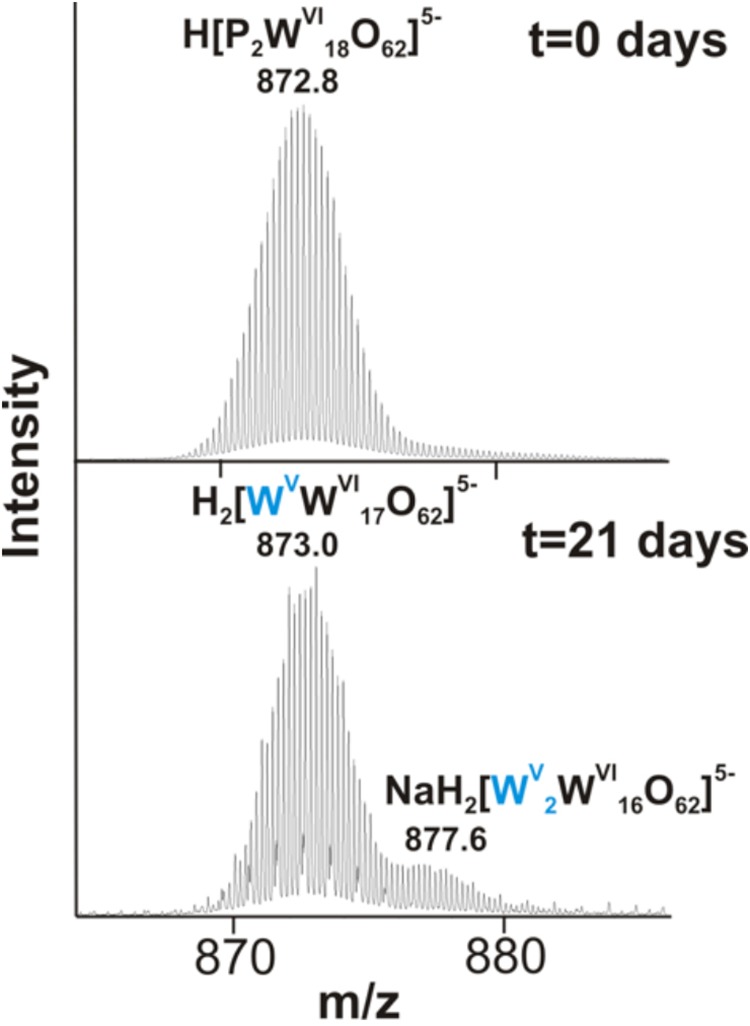
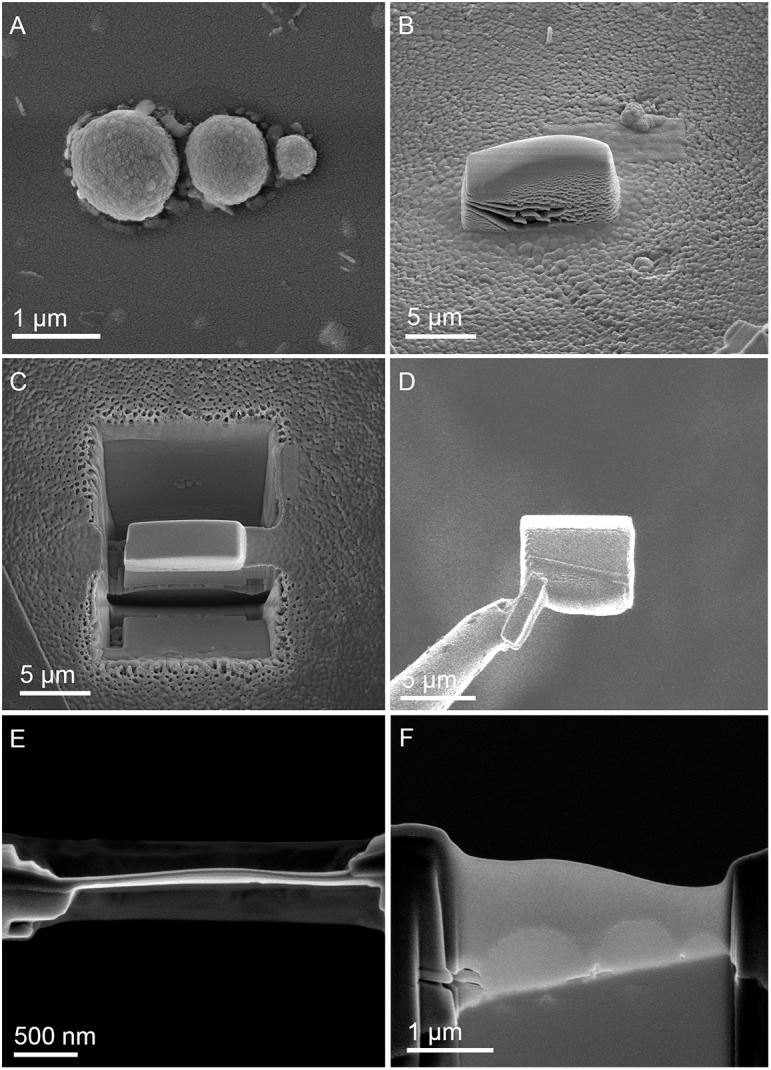
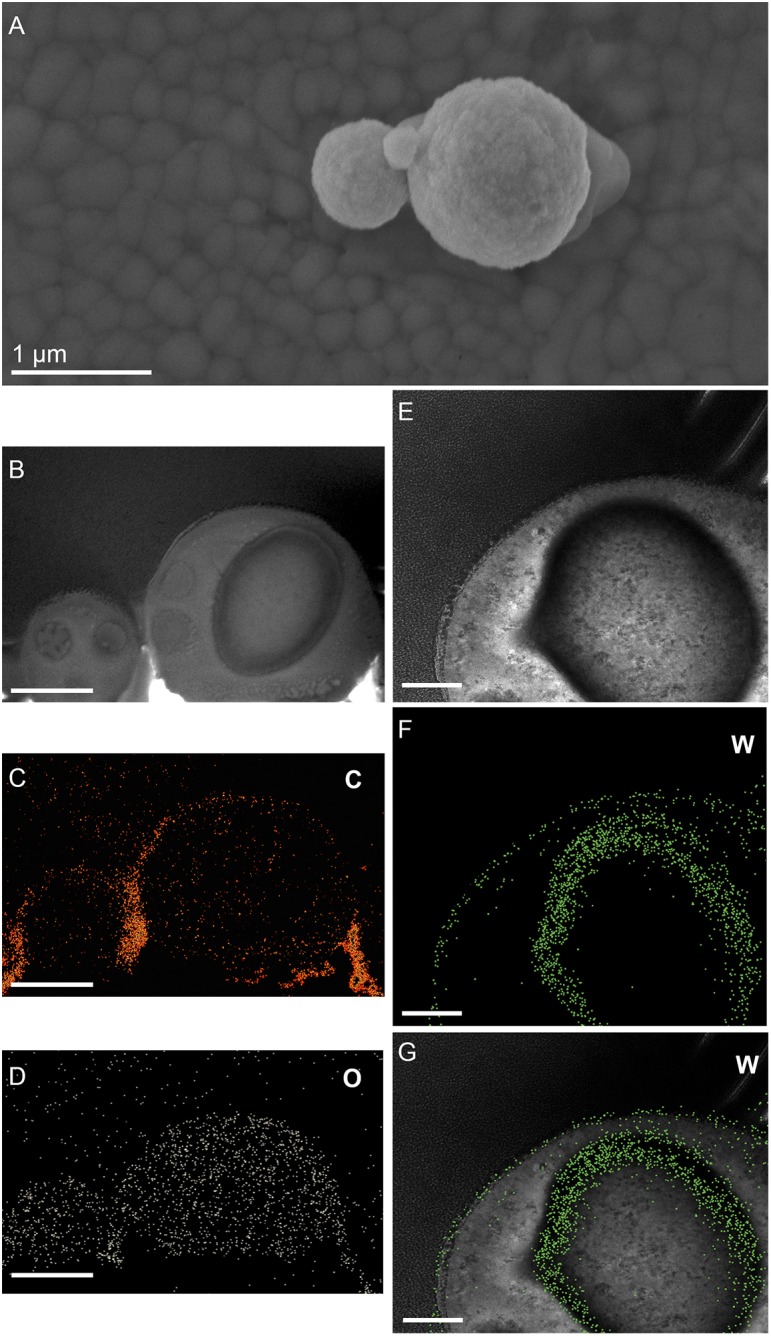
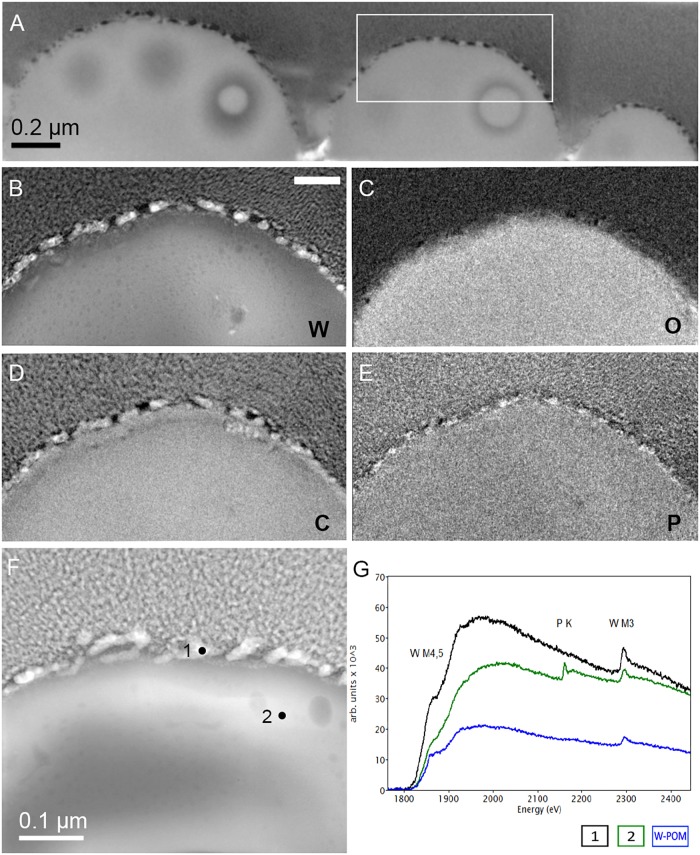
Inorganic systems based upon polyoxometalate (POM) clusters provide an experimental approach to develop artificial life. These artificial symmetric anionic macromolecules with oxidometalate polyhedra as building blocks were shown to be well suited as inorganic frameworks for complex self-assembling and organizing systems with emergent properties. Analogously to mineral cells based on iron sulfides, POMs are considered as inorganic cells in facilitating prelife chemical processes and displaying "life-like" characteristics. However, the relevance of POMs to life-sustaining processes (e.g., microbial respiration) has not yet been addressed, while iron sulfides are very well known as ubiquitous mineral precursors and energy sources for chemolithotrophic metabolism. is an extreme metallophilic and thermoacidophilic archaeon, which flourishes in hot acid and respires by metal oxidation. In the present study we provide our observations on cultivated on tungsten polyoxometalate (W-POM). The decomposition of W-POM macromolecular clusters and the appearance of low molecular weight W species (e.g., WO) in the presence of have been detected by electrospray ionization mass spectrometry (ESI-MS) analysis. Here, we document the presence of metalloorganic assemblages at the interface between and W-POM resolved down to the nanometer scale using scanning and transmission electron microscopy (SEM and TEM) coupled to electron energy loss spectroscopy (EELS). High-resolution TEM (HR-TEM) and selected-area electron diffraction (SAED) patterns indicated the deposition of redox heterogeneous tungsten species on the S-layer of along with the accumulation of intracellular tungsten-bearing nanoparticles, i.e., clusters of tungsten atoms. These results reveal the effectiveness of the analytical spectroscopy coupled to the wet chemistry approach as a tool in the analysis of metal-microbial interactions and microbial cultivation on supramolecular self-assemblages based on inorganic metal clusters. We discuss the possible mechanism of W-POM decomposition by in light of unique electrochemical properties of POMs. The findings presented herein highlight unique metallophilicity in hostile environments, extending our knowledge of the relevance of POMs to life-sustaining processes, understanding of the transition of POMs as inorganic prebiotic model to life-sustainable material precursors and revealing biogenic signatures obtained after the decomposition of an artificial inorganic compound, which previously was not associated with any living matter.
基于多金属氧酸盐(POM)簇的无机系统为开发人工生命提供了一种实验方法。这些以氧化金属酸盐多面体为构建单元的人工对称阴离子大分子被证明非常适合作为具有涌现特性的复杂自组装和组织系统的无机框架。类似于基于硫化铁的矿物细胞,POMs被认为是促进生命前化学过程并表现出“类生命”特征的无机细胞。然而,POMs与维持生命过程(如微生物呼吸)的相关性尚未得到探讨,而硫化铁作为化学自养代谢中无处不在的矿物前体和能量来源则广为人知。嗜酸嗜热金属原体是一种极端嗜金属和嗜热嗜酸古菌,它在热酸环境中繁盛并通过金属氧化进行呼吸。在本研究中,我们提供了对在钨多金属氧酸盐(W-POM)上培养的嗜酸嗜热金属原体的观察结果。通过电喷雾电离质谱(ESI-MS)分析检测到在嗜酸嗜热金属原体存在下W-POM大分子簇的分解以及低分子量W物种(如WO)的出现。在这里,我们使用扫描和透射电子显微镜(SEM和TEM)结合电子能量损失谱(EELS)记录了在嗜酸嗜热金属原体和W-POM之间界面处金属有机聚集体的存在,分辨率可达纳米级。高分辨率TEM(HR-TEM)和选区电子衍射(SAED)图案表明氧化还原异质钨物种沉积在嗜酸嗜热金属原体的S层上,同时细胞内含钨纳米颗粒(即钨原子簇)积累。这些结果揭示了分析光谱与湿化学方法相结合作为分析基于无机金属簇的超分子自组装上的金属-微生物相互作用和微生物培养的工具的有效性。我们根据POMs独特的电化学性质讨论了嗜酸嗜热金属原体分解W-POM的可能机制。本文提出的研究结果突出了在恶劣环境中的独特嗜金属性,扩展了我们对POMs与维持生命过程相关性的认识,理解了POMs作为无机益生元模型向生命可持续材料前体的转变,并揭示了一种人工无机化合物分解后获得的生物成因特征,该化合物以前与任何生物物质都没有关联。