Department of Histology and Embryology, School of Basic Medical Science, Shandong University Cheeloo College of Medicine, 44# Wenhua Xi Road, Jinan, 250012, Shandong, People's Republic of China.
Assisted Reproductive Centre, Shandong Maternity and Child Health Care Hospital, Jinan, Shandong, China.
J Exp Clin Cancer Res. 2019 Jul 6;38(1):291. doi: 10.1186/s13046-019-1281-1.
Glioma is one of the most aggressive malignant brain tumors which is characterized with highly infiltrative growth and poor prognosis. NKAP (NF-κB activating protein) is a widely expressed 415-amino acid nuclear protein that is overexpressed by gliomas, but its function in glioma was still unknown.
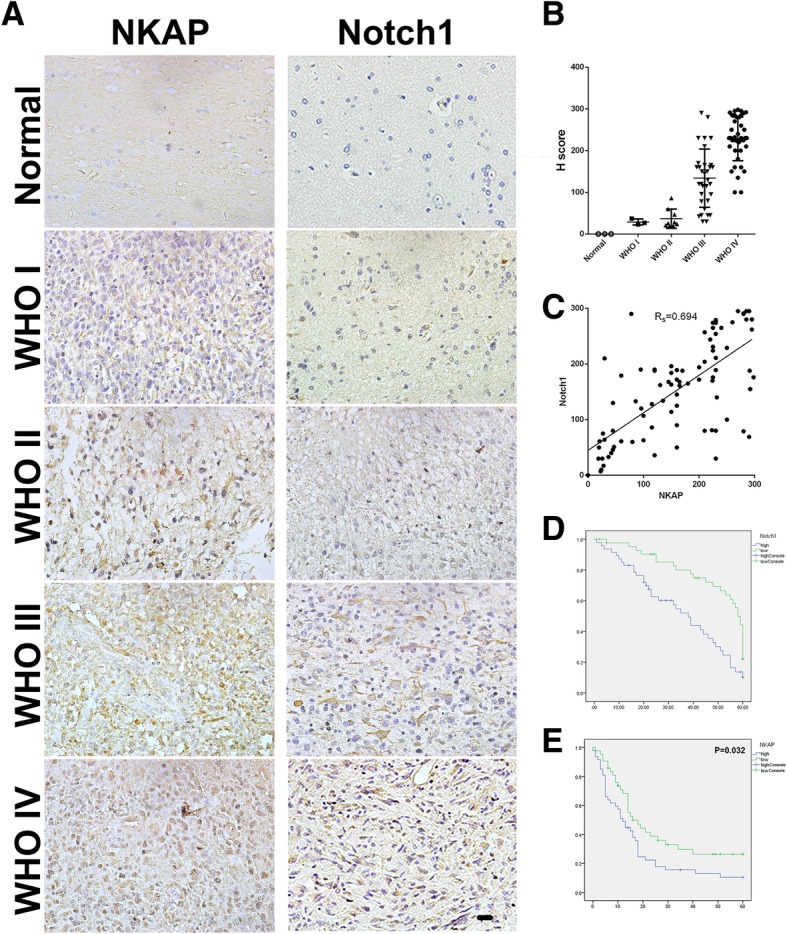
CCK8 and EDU assay was used to examine the cell viability in vitro, and the xenograft models in nude mice were established to explore the roles of NAKP in vivo. The expressions of NKAP, Notch1 and SDF-1 were analyzed by immunofluorescence analysis. The expression of NKAP and Notch1 in glioma and normal human brain samples were analyzed by immunohistochemical analysis. In addition, CHIP, Gene chip, western blot, flow cytometry, immunofluorescence, ELISA and luciferase assay were used to investigate the internal connection between NKAP and Notch1.
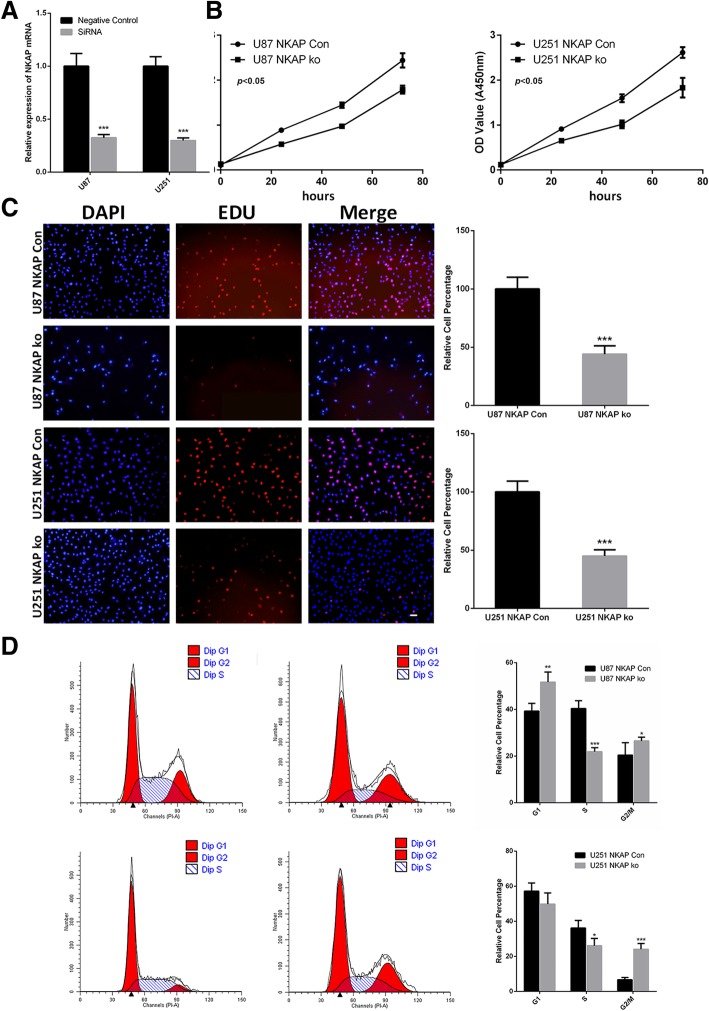
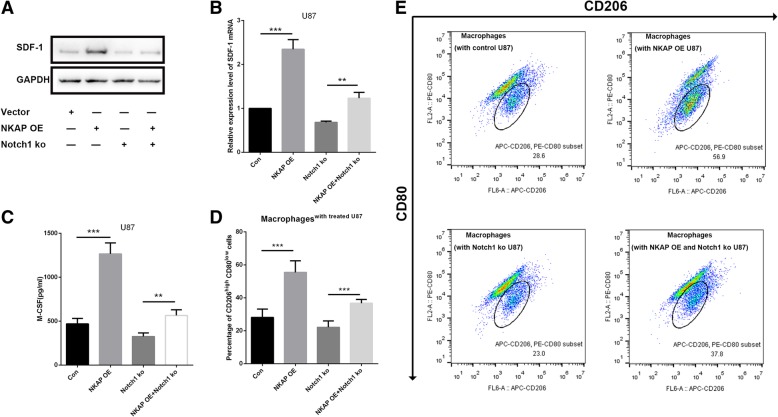
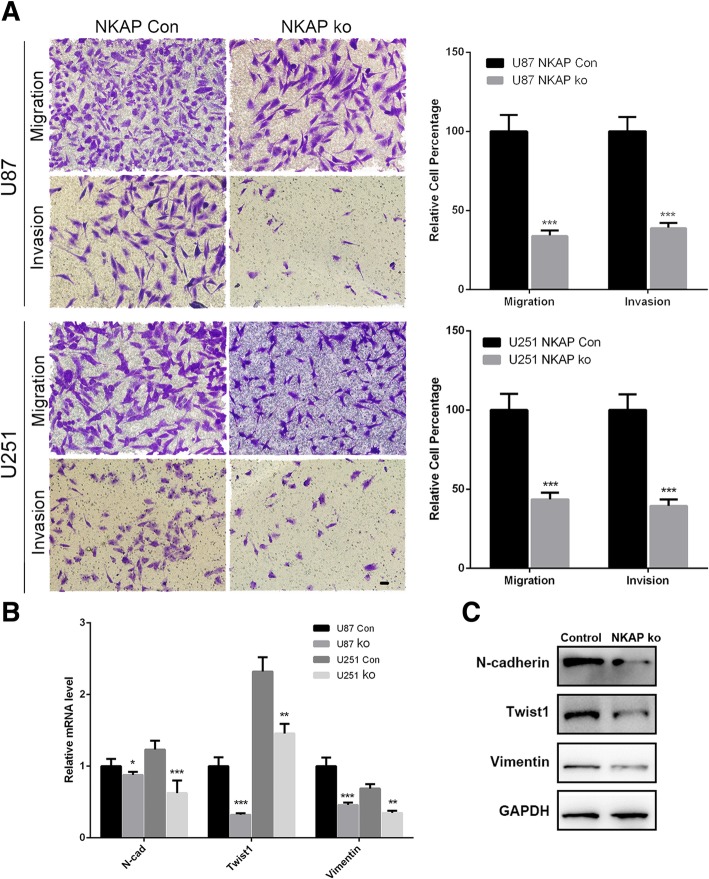
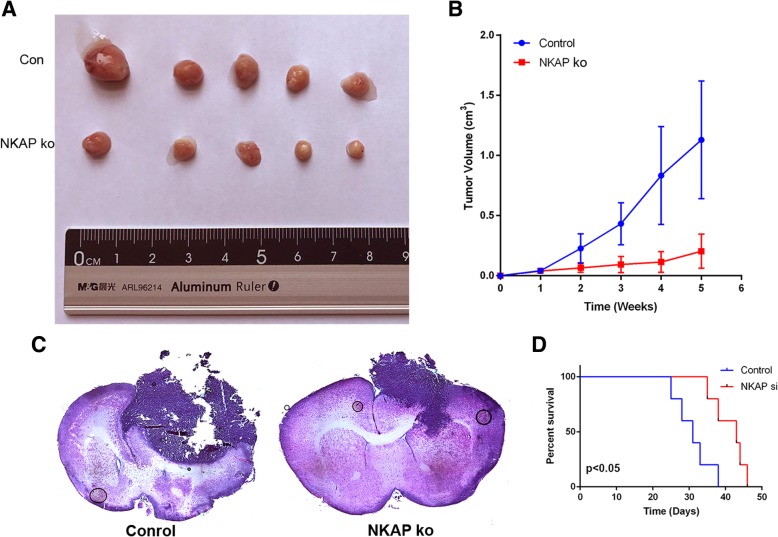
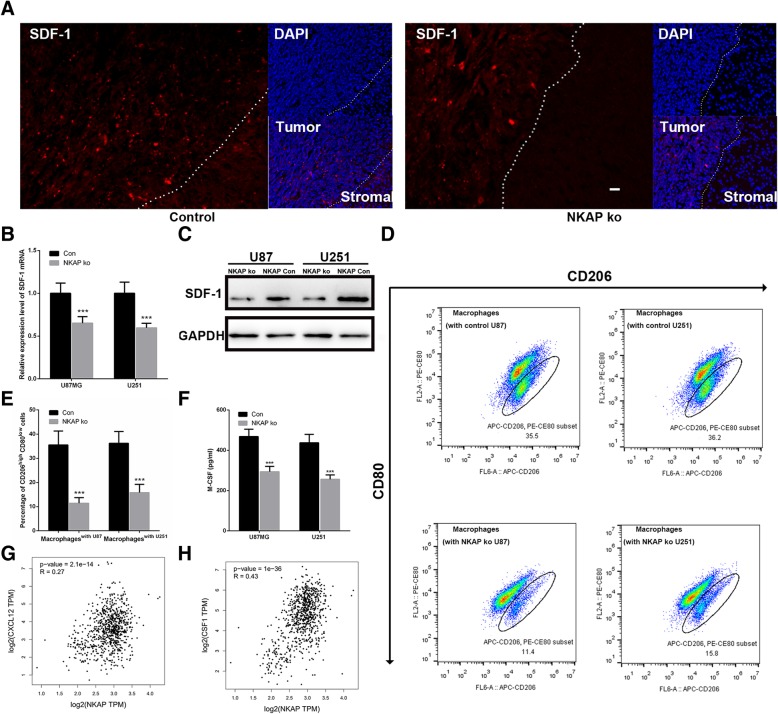
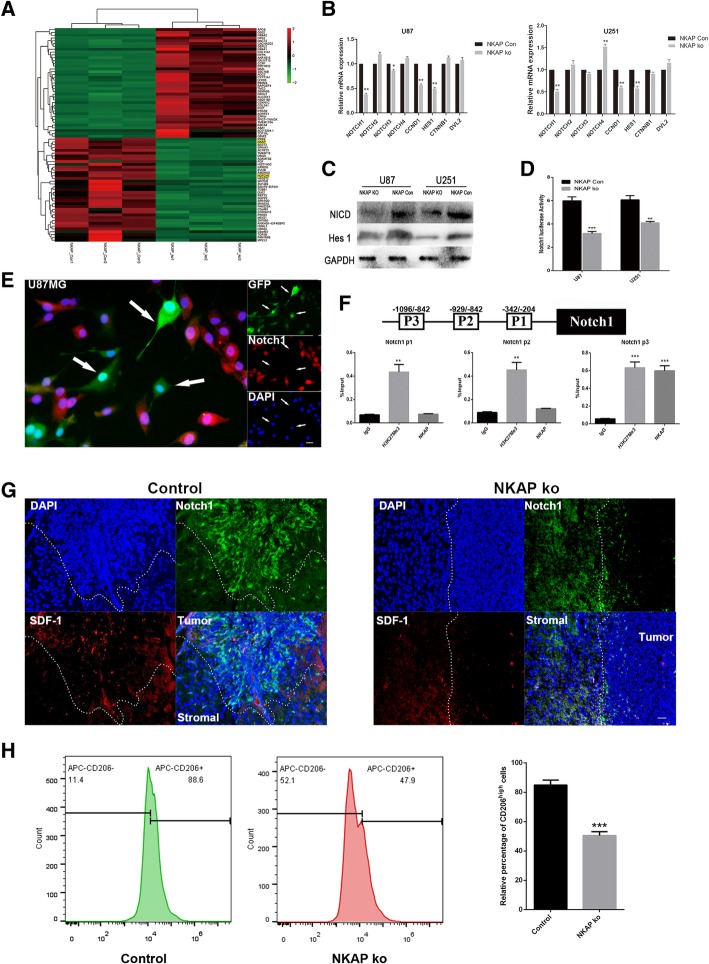
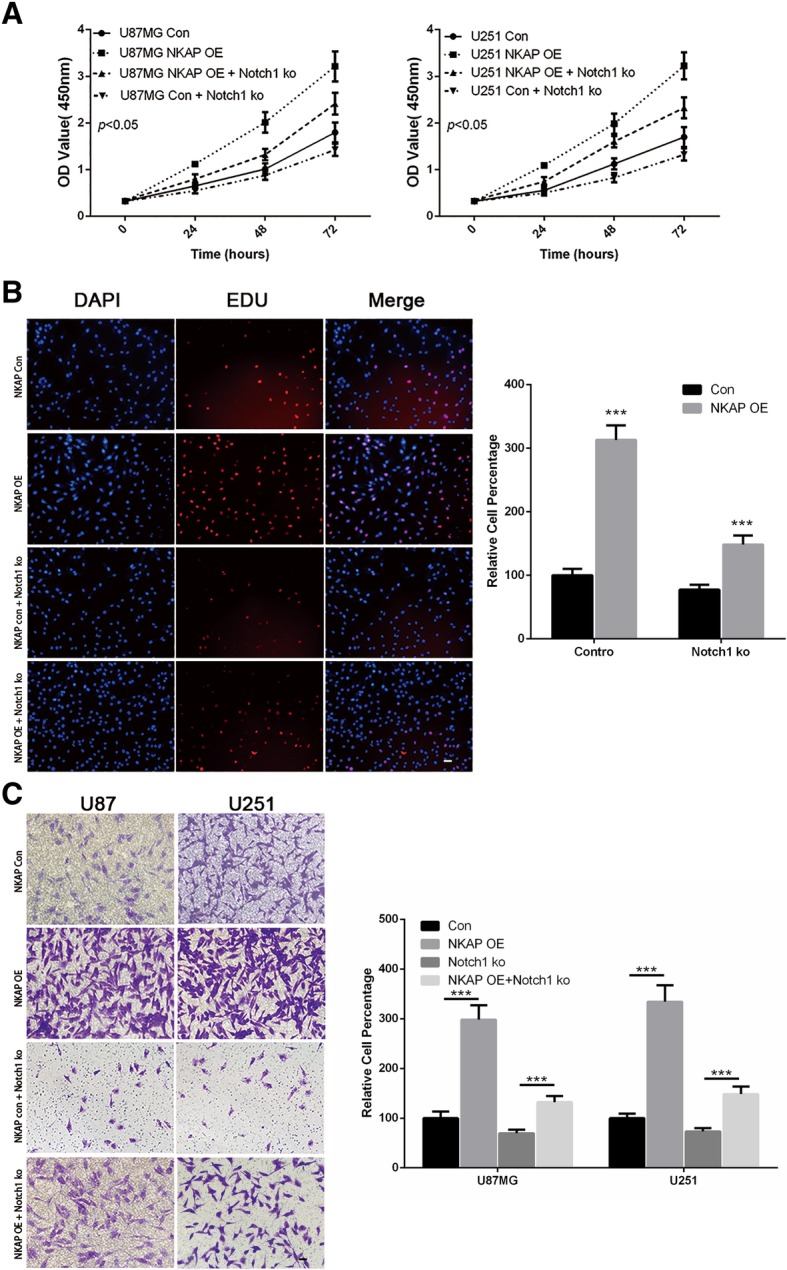
Here we showed that overexpression of NKAP in gliomas could promote tumor growth by contributing to a Notch1-dependent immune-suppressive tumor microenvironment. Downregulation of NKAP in gliomas had abrogated tumor growth and invasion in vitro and in vivo. Interestingly, compared to the control group, inhibiting NKAP set up obstacles to tumor-associated macrophage (TAM) polarization and recruitment by decreasing the secretion of SDF-1 and M-CSF. To identify the potential mechanisms involved, we performed RNA sequencing analysis and found that Notch1 appeared to positively correlate with the expression of NKAP. Furthermore, we proved that NKAP performed its function via directly binding to Notch1 promoter and trans-activating it. Notch1 inhibition could alleviate NKAP's gliomagenesis effects.
these observations suggest that NKAP promotes glioma growth by TAM chemoattraction through upregulation of Notch1 and this finding introduces the potential utility of NKAP inhibitors for glioma therapy.
神经胶质瘤是最具侵袭性的恶性脑肿瘤之一,其特征为高度浸润性生长和预后不良。NKAP(NF-κB 激活蛋白)是一种广泛表达的 415 个氨基酸核蛋白,在神经胶质瘤中过表达,但它在神经胶质瘤中的功能尚不清楚。
用 CCK8 和 EDU 检测细胞在体外的活力,建立裸鼠异种移植模型以探讨 NKAP 在体内的作用。通过免疫荧光分析检测 NKAP、Notch1 和 SDF-1 的表达。通过免疫组织化学分析检测神经胶质瘤和正常人大脑组织中 NKAP 和 Notch1 的表达。此外,还采用 CHIP、基因芯片、western blot、流式细胞术、免疫荧光、ELISA 和荧光素酶检测等方法研究 NKAP 与 Notch1 之间的内在联系。
我们发现,神经胶质瘤中 NKAP 的过表达可通过促进 Notch1 依赖性免疫抑制肿瘤微环境促进肿瘤生长。在体外和体内下调神经胶质瘤中的 NKAP 可阻断肿瘤的生长和侵袭。有趣的是,与对照组相比,通过减少 SDF-1 和 M-CSF 的分泌,抑制 NKAP 会阻碍肿瘤相关巨噬细胞(TAM)极化和募集。为了确定涉及的潜在机制,我们进行了 RNA 测序分析,发现 Notch1 似乎与 NKAP 的表达呈正相关。此外,我们证明 NKAP 通过直接结合 Notch1 启动子并对其进行反式激活来发挥其功能。Notch1 抑制可减轻 NKAP 的致神经胶质瘤作用。
这些观察结果表明,NKAP 通过上调 Notch1 促进 TAM 趋化作用从而促进神经胶质瘤的生长,这一发现为神经胶质瘤的治疗提供了 NKAP 抑制剂的潜在应用价值。