Center for Engineering in Medicine, Massachusetts General Hospital and Harvard Medical School, Boston, MA, USA; Shriners Hospital for Children, Boston, MA, USA; Department of Surgery, University of Amsterdam, Amsterdam, The Netherlands.
Center for Engineering in Medicine, Massachusetts General Hospital and Harvard Medical School, Boston, MA, USA; Shriners Hospital for Children, Boston, MA, USA; Department of Biomedical Engineering, Rutgers University, New Brunswick, NJ, USA.
Curr Opin Biotechnol. 2019 Aug;58:192-201. doi: 10.1016/j.copbio.2019.05.015. Epub 2019 Jul 4.
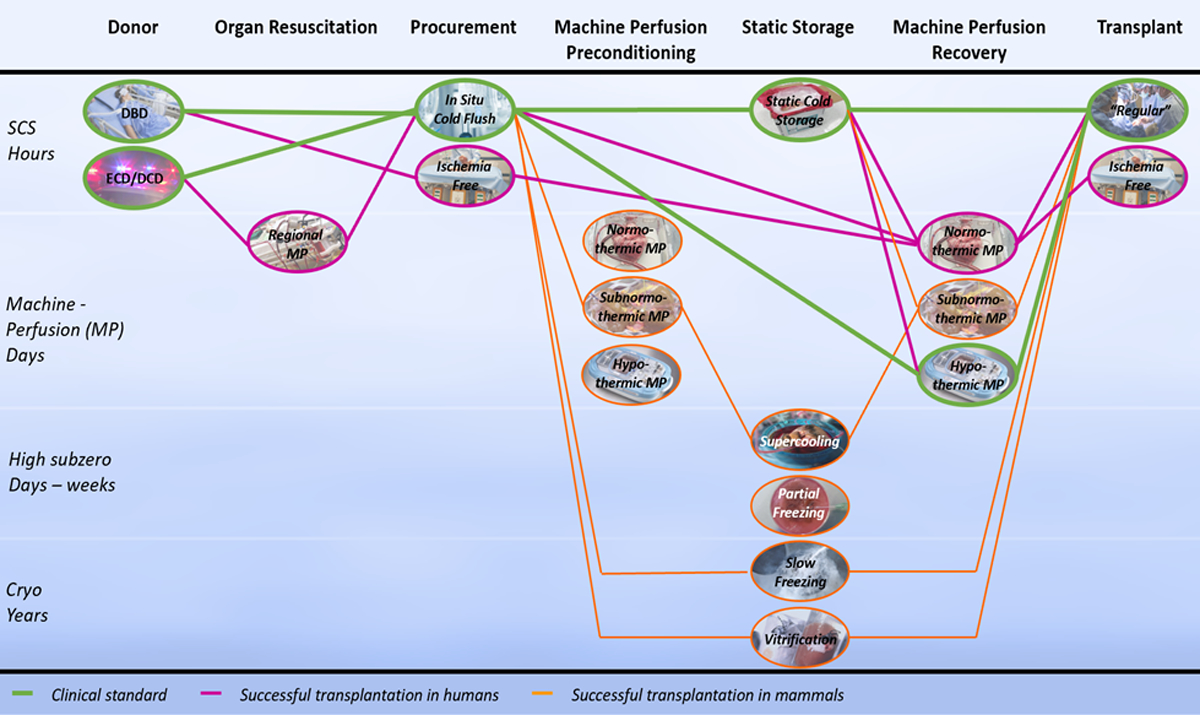
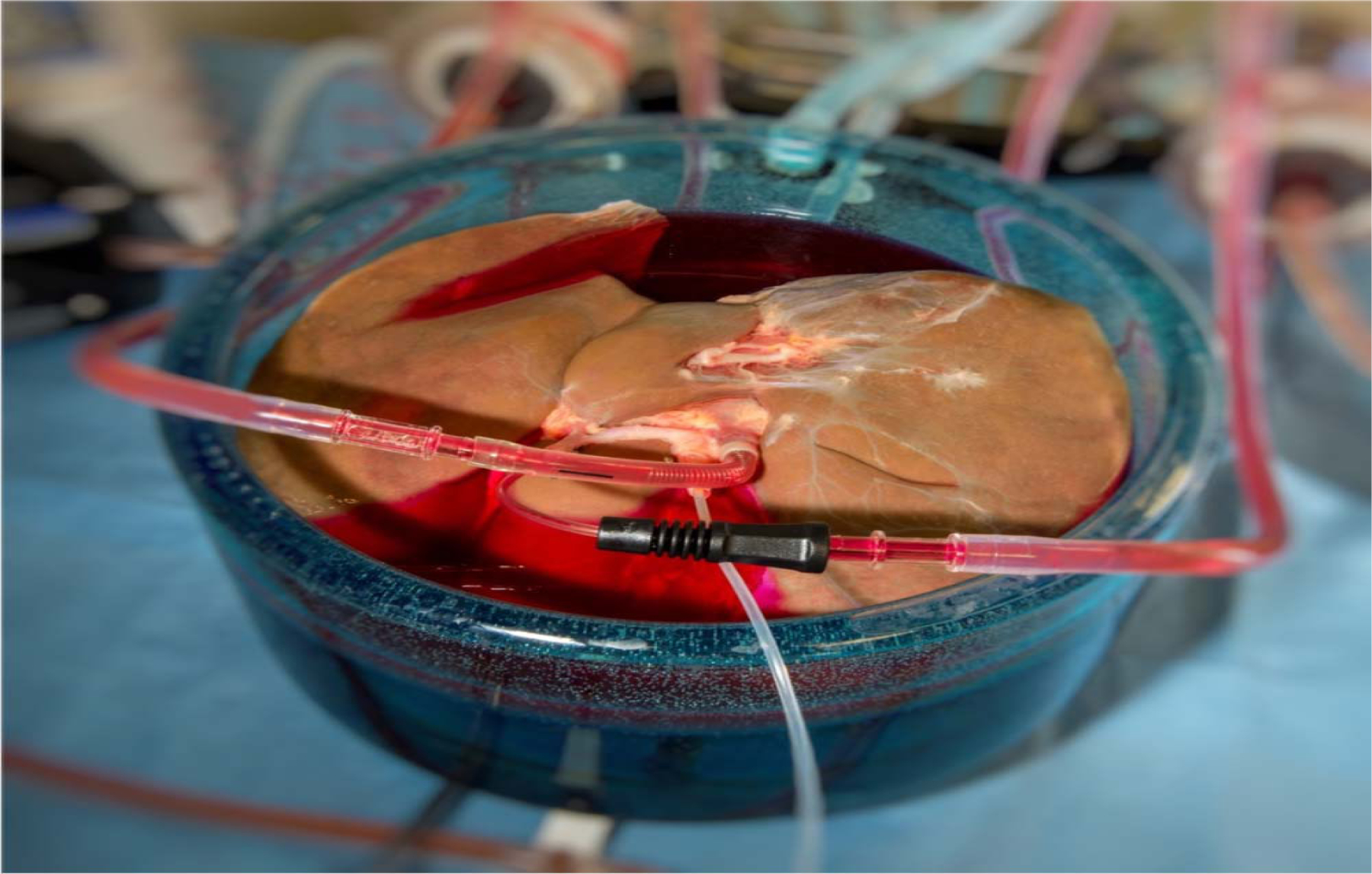
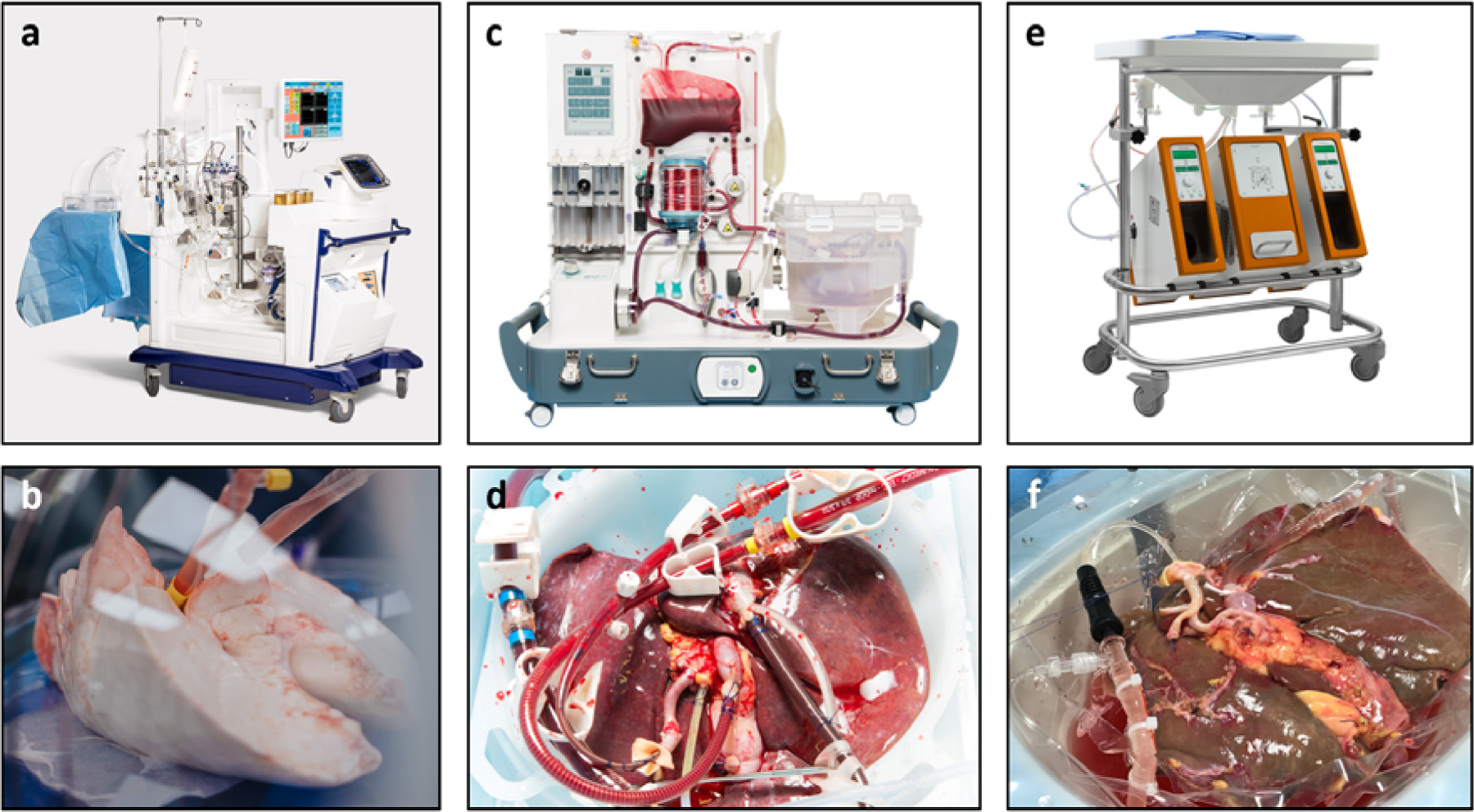
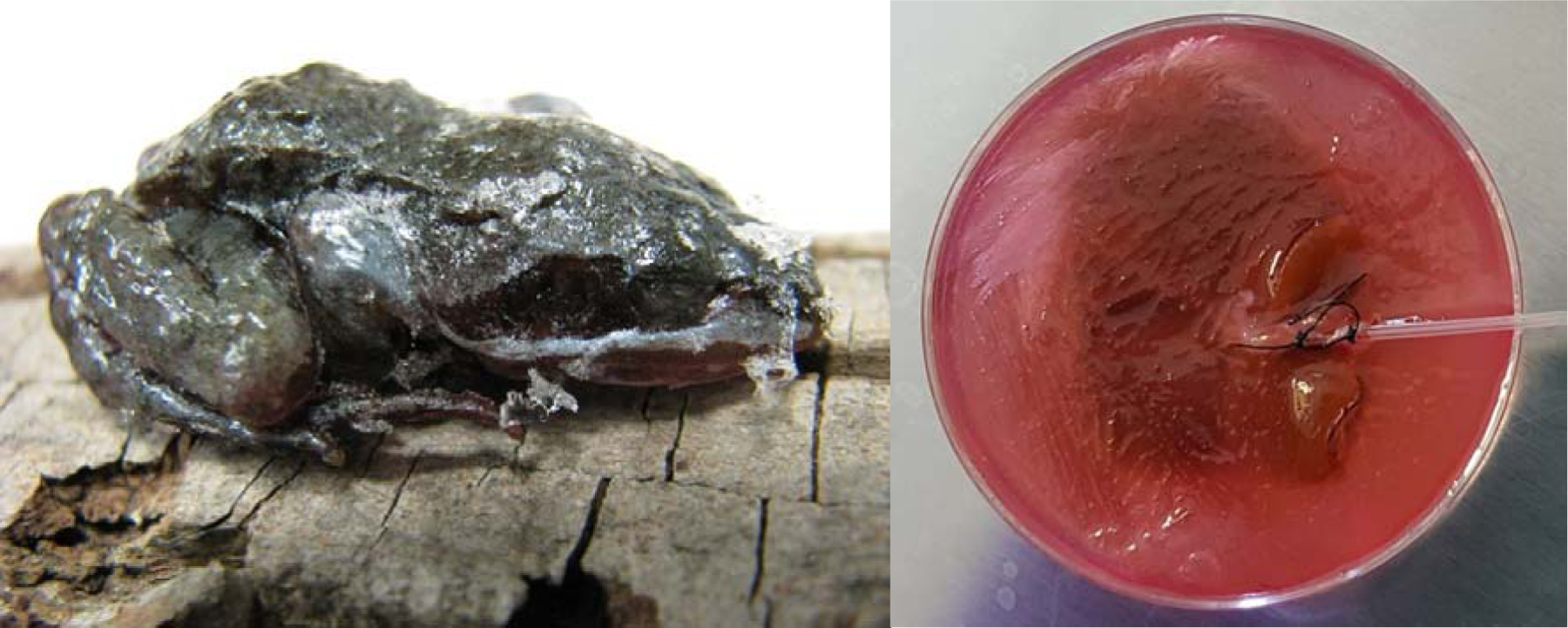
Improving organ preservation and extending the preservation time would have game-changing effects on the current practice of organ transplantation. Machine perfusion has emerged as an improved preservation technology to expand the donor pool, assess graft viability and ensure adequate graft function. However, its efficacy in extending the preservation time is limited. Subzero organ preservation does hold the promise to significantly extend the preservation time and recent advances in cryobiology bring it closer to clinical translation. In this review, we aim to broaden the perspective in the field from a focus on these individual technologies to that of a systems engineering. This would enable the creation of a preservation process that integrates the benefits of machine perfusion with those of subzero preservation, with the ultimate goal to provide on demand availability of donor organs through organ banking.
改善器官保存和延长保存时间将对器官移植的当前实践产生重大影响。机器灌注已成为一种改进的保存技术,可扩大供体库,评估移植物活力并确保足够的移植物功能。然而,其延长保存时间的效果有限。超低温器官保存确实有望大大延长保存时间,而最近在低温生物学方面的进展使其更接近临床转化。在这篇综述中,我们的目标是将该领域的视角从关注这些单一技术拓宽到系统工程。这将使创建一个保存过程成为可能,该过程将机器灌注的优势与超低温保存的优势相结合,最终目标是通过器官库提供按需供应的供体器官。