Gu Jia, Lu Yan, Deng Menqing, Qiu Ming, Tian Yunfan, Ji Yue, Zong Pengyu, Shao Yongfeng, Zheng Rui, Zhou Bin, Sun Wei, Kong Xiangqing
Department of Cardiology, The First Affiliated Hospital of Nanjing Medical University, 300 Guangzhou Road, 210029, Nanjing, PR China.
Department of Cardiothoracic Surgery, The First Affiliated Hospital of Nanjing Medical University, 300 Guangzhou Road, 210029, Nanjing, PR China.
Exp Mol Med. 2019 Jul 10;51(7):1-14. doi: 10.1038/s12276-019-0272-9.
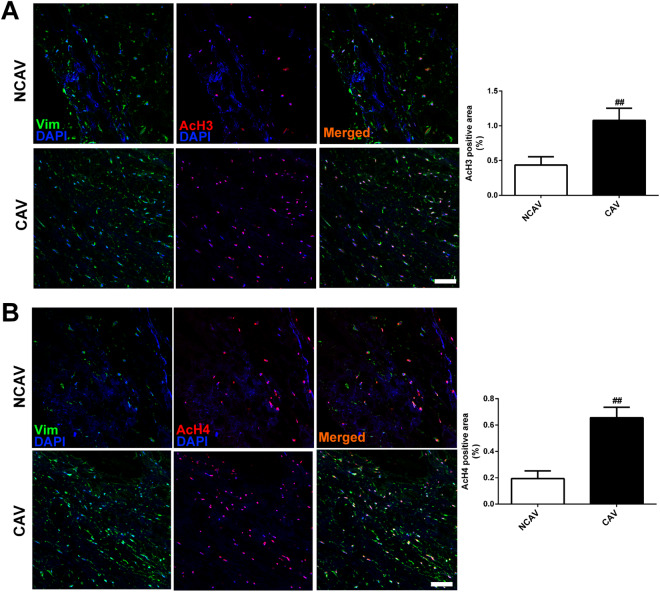
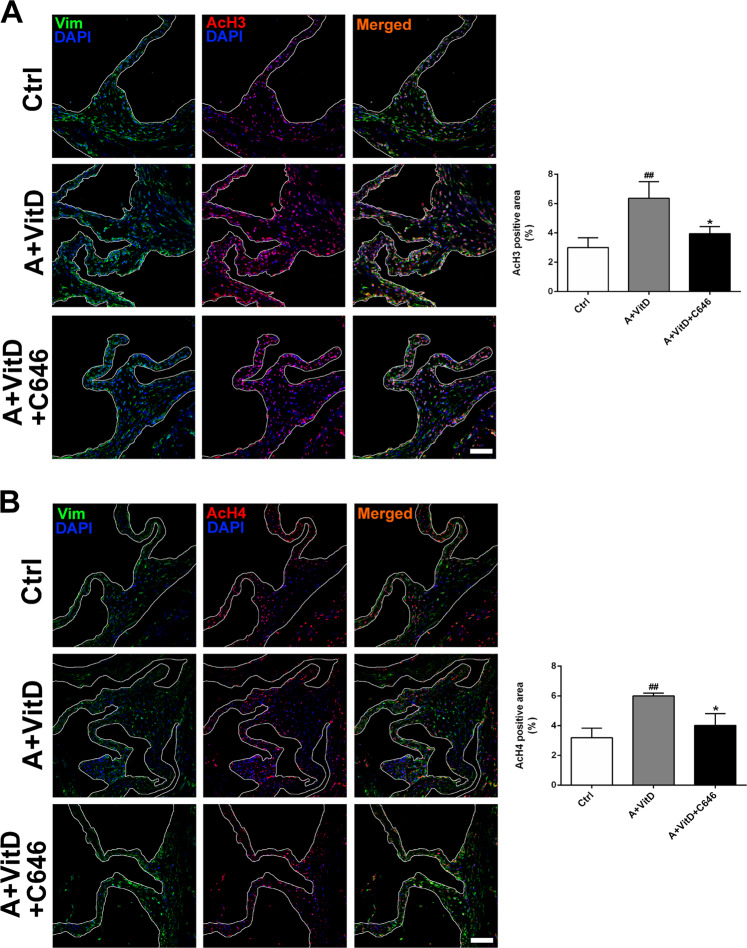
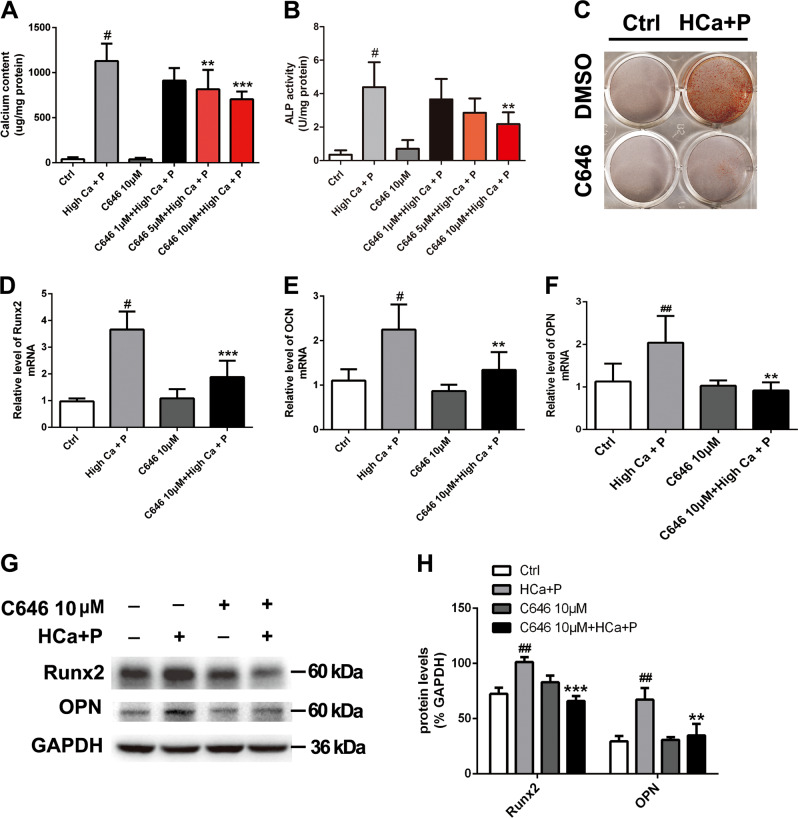
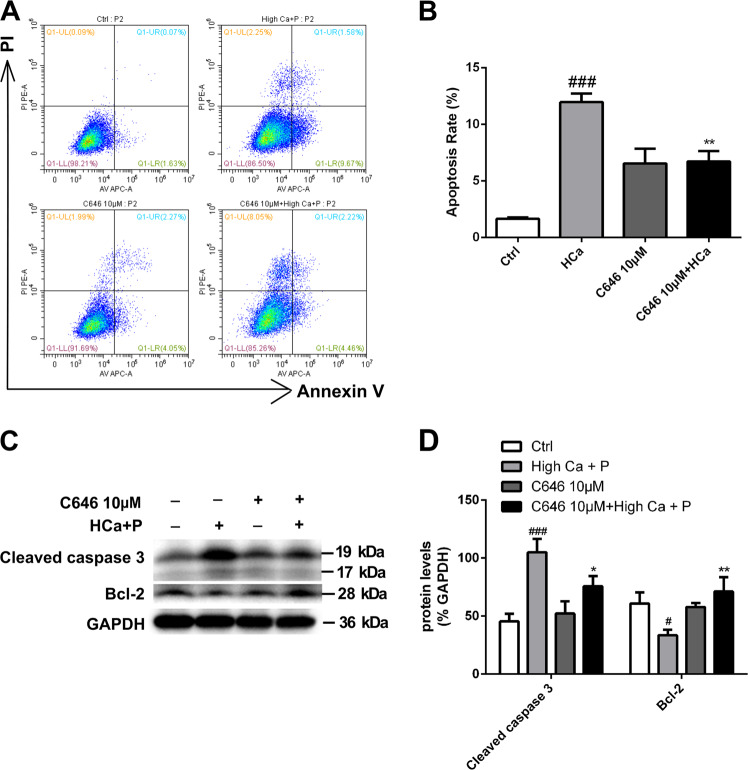
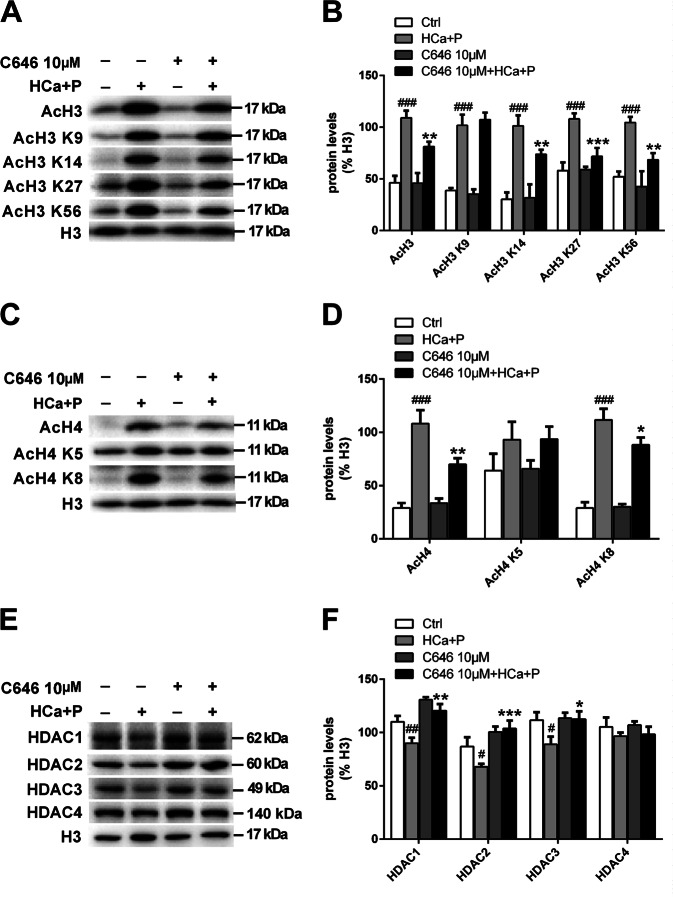
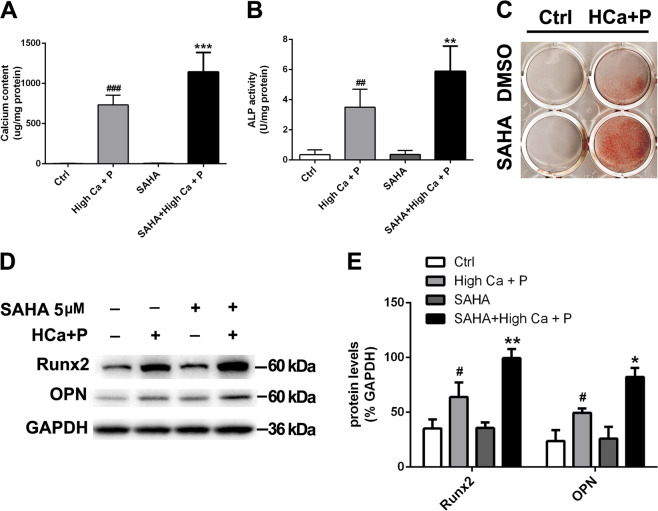
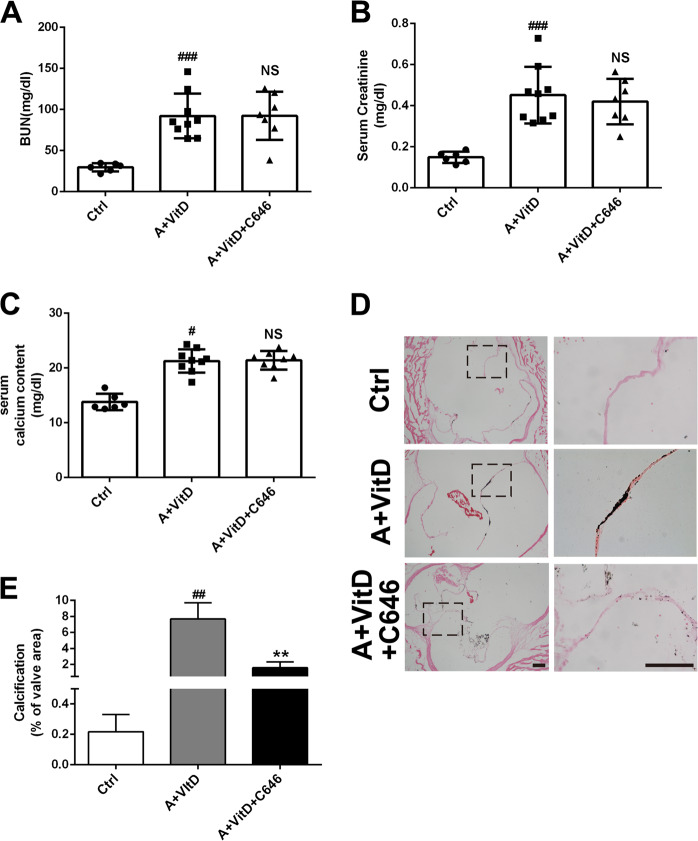
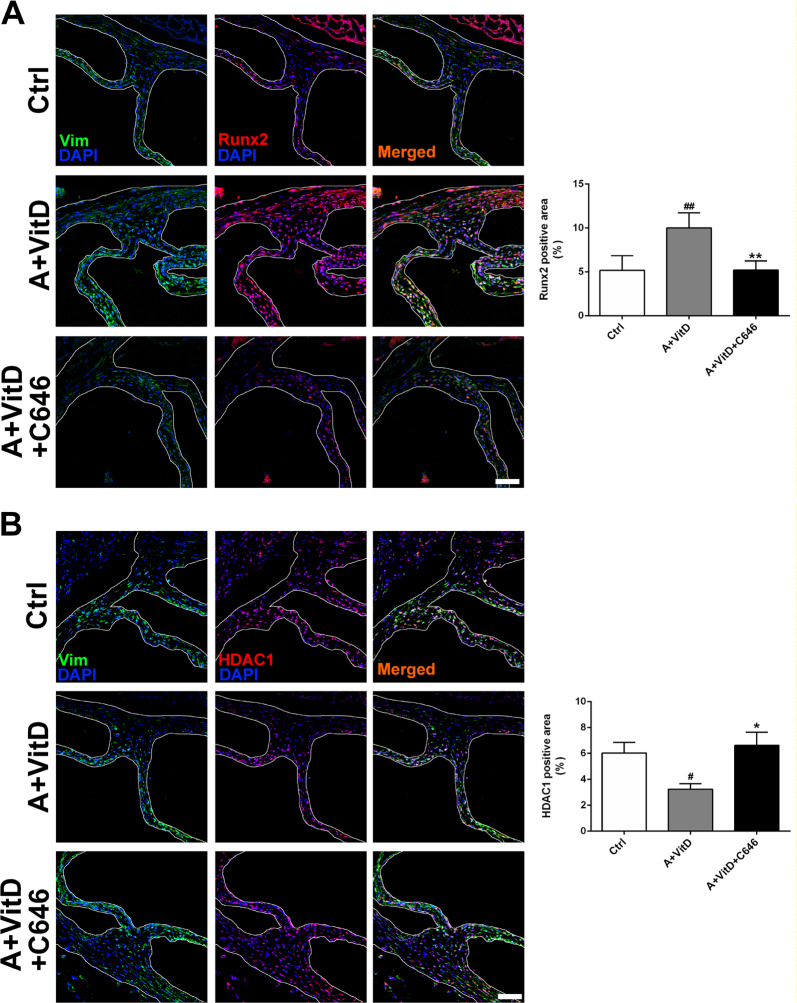
Aortic valve calcification develops in patients with chronic kidney disease who have calcium and phosphate metabolic disorders and poor prognoses. There is no effective treatment except valve replacement. However, metabolic disorders put patients at high risk for surgery. Increased acetylation of histones 3 and 4 is present in interstitial cells from human calcific aortic valves, but whether it is involved in aortic valve calcification has not been studied. In this study, we found that treating cultured porcine aortic valve interstitial cells with a high-calcium/high-phosphate medium induced calcium deposition, apoptosis, and expression of osteogenic marker genes, producing a phenotype resembling valve calcification in vivo. These phenotypic changes were attenuated by the histone acetyltransferase inhibitor C646. C646 treatment increased the levels of class I histone deacetylase members and decreased the acetylation of histones 3 and 4 induced by the high-calcium/high-phosphate treatment. Conversely, the histone deacetylase inhibitor suberoylanilide hydroxamic acid promoted valve interstitial cell calcification. In a mouse model of aortic valve calcification induced by adenine and vitamin D treatment, the levels of acetylated histones 3 and 4 were increased in the calcified aortic valves. Treatment of the models with C646 attenuated aortic valve calcification by restoring the levels of acetylated histones 3 and 4. These observations suggest that increased acetylation of histones 3 and 4 is part of the pathogenesis of aortic valve calcification associated with calcium and phosphate metabolic disorders. Targeting acetylated histones 3 and 4 may be a potential therapy for inoperable aortic valve calcification in chronic kidney disease patients.
慢性肾脏病患者若出现钙磷代谢紊乱且预后较差,就会发生主动脉瓣钙化。除了瓣膜置换,尚无有效的治疗方法。然而,代谢紊乱使患者面临高手术风险。人钙化主动脉瓣的间质细胞中组蛋白3和4的乙酰化增加,但尚未研究其是否与主动脉瓣钙化有关。在本研究中,我们发现用高钙/高磷培养基处理培养的猪主动脉瓣间质细胞会诱导钙沉积、细胞凋亡和成骨标记基因的表达,产生类似于体内瓣膜钙化的表型。这些表型变化被组蛋白乙酰转移酶抑制剂C646减弱。C646处理增加了I类组蛋白去乙酰化酶成员的水平,并降低了高钙/高磷处理诱导的组蛋白3和4的乙酰化。相反,组蛋白去乙酰化酶抑制剂辛二酰苯胺异羟肟酸促进瓣膜间质细胞钙化。在腺嘌呤和维生素D处理诱导的主动脉瓣钙化小鼠模型中,钙化主动脉瓣中乙酰化组蛋白3和4的水平升高。用C646处理模型可通过恢复乙酰化组蛋白3和4的水平来减轻主动脉瓣钙化。这些观察结果表明,组蛋白3和4乙酰化增加是与钙磷代谢紊乱相关的主动脉瓣钙化发病机制的一部分。针对乙酰化组蛋白3和4可能是慢性肾脏病患者无法手术的主动脉瓣钙化的一种潜在治疗方法。