Guangdong Provincial Key Laboratory of Bioengineering Medicine, Guangzhou Jinan Biomedicine Research and Development Center, College of Life Science and Technology, Jinan University, Guangzhou, China.
Guangdong Food and Drug Vocational College, Guangzhou, China.
Front Cell Infect Microbiol. 2019 Jun 26;9:225. doi: 10.3389/fcimb.2019.00225. eCollection 2019.
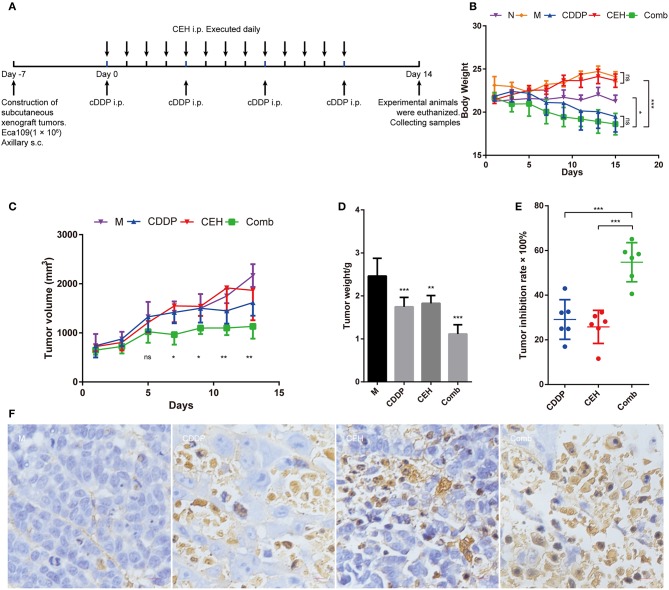
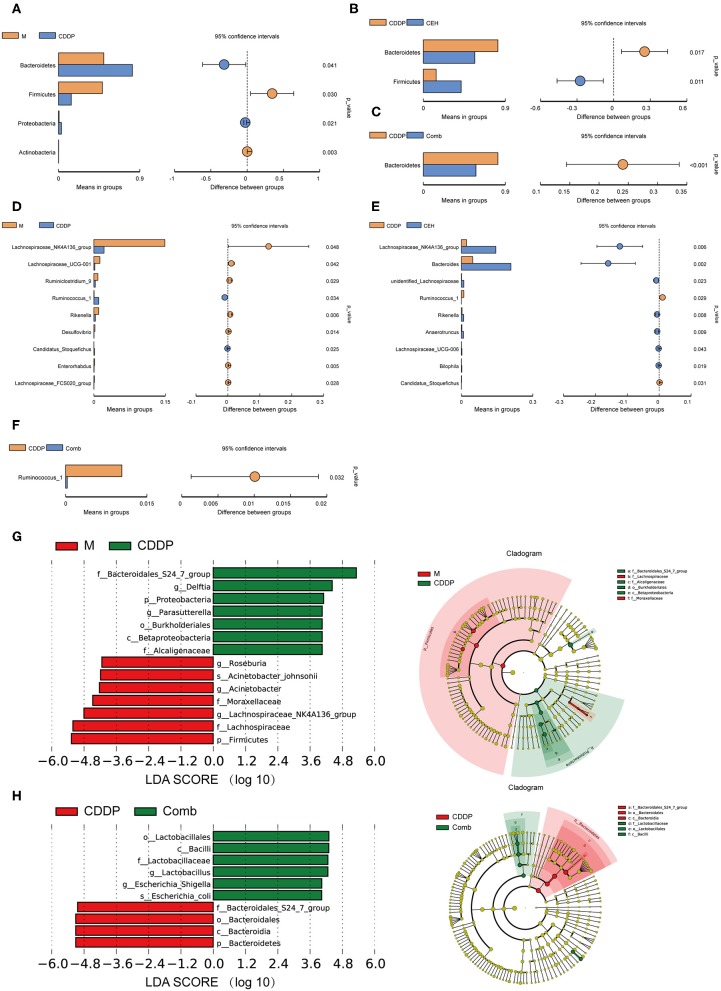
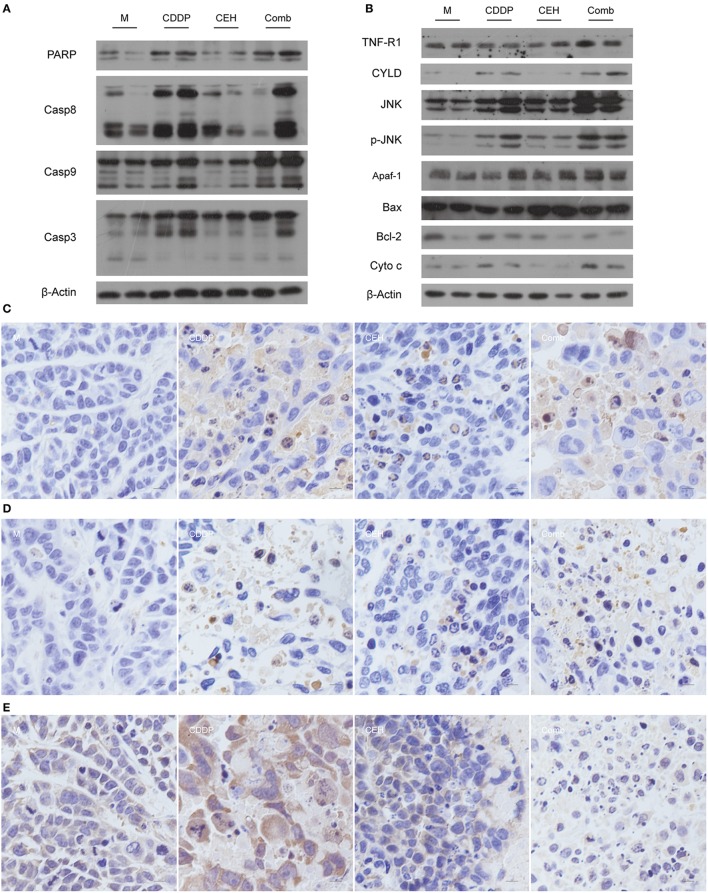
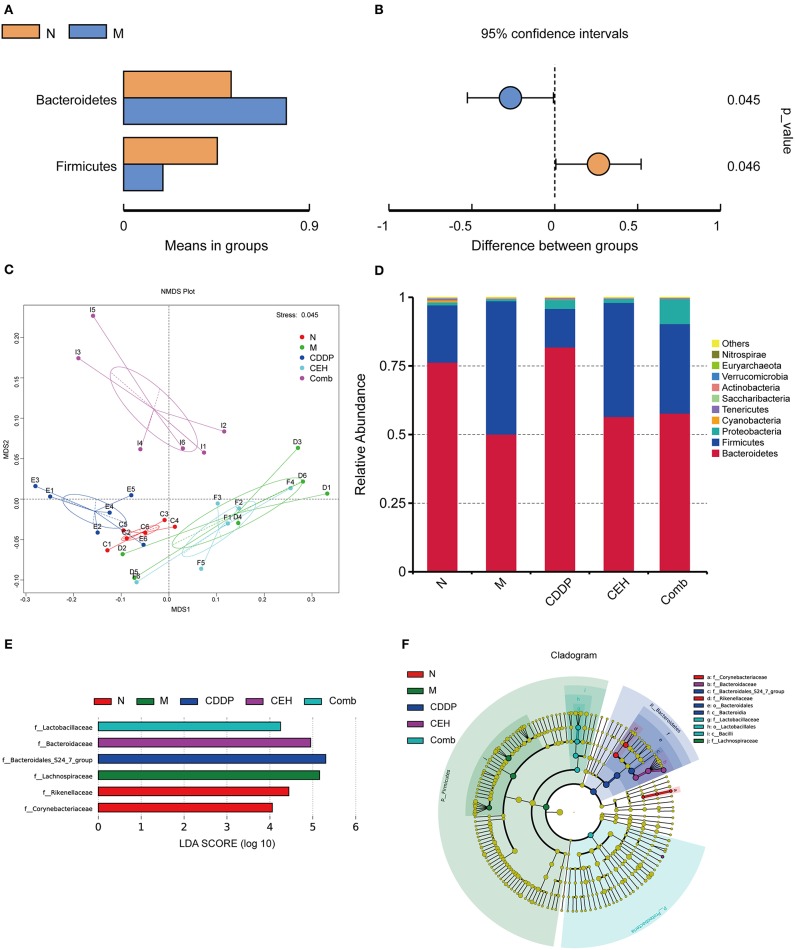
Chemotherapy is one of the major treatment strategies for esophageal squamous cell carcinoma (ESCC). Unfortunately, most chemotherapeutic drugs have significant impacts on the intestinal microbes, resulting in side effects and reduced efficiency. Therefore, new strategies capable of overcoming these disadvantages of current chemotherapies are in urgent need. The natural product, Cepharanthine hydrochloride (CEH), is known for its anticancer and immunoregulatory properties. By sequencing the V4 region of 16S rDNA, we characterized the microbes of tumor-bearing mice treated with different chemotherapy strategies, including with CEH. We found that CEH improved the therapeutic effect of CDDP by manipulating the gut microbiota. Through metagenomic analyses of the microbes community, we identified a severe compositional and functional imbalance in the gut microbes community after CDDP treatment. However, CEH improved the effect of chemotherapy and ameliorated CDDP treatment-induced imbalance in the intestinal microbes. Mechanically, CEH activated TLR4 and MYD88 innate immune signaling, which is advantageous for the activation of the host's innate immunity to exert a balanced intestinal environment as well as to trigger a better chemotherapeutic response to esophageal cancer. In addition, TNFR death receptors were activated to induce apoptosis. In summary, our findings suggest that chemotherapy of CDDP combined with CEH increased the effect of chemotherapy and reduced the side effects on the microbes and intestinal mucosal immunity. We believe that these findings provide a theoretical basis for new clinical treatment strategies.
化疗是治疗食管鳞状细胞癌(ESCC)的主要治疗策略之一。不幸的是,大多数化疗药物对肠道微生物有显著影响,导致副作用和效率降低。因此,需要新的策略来克服当前化疗的这些缺点。盐酸千金藤碱(CEH)是一种天然产物,具有抗癌和免疫调节特性。通过对 16S rDNA 的 V4 区进行测序,我们对接受不同化疗策略(包括 CEH)治疗的荷瘤小鼠的微生物进行了表征。我们发现 CEH 通过操纵肠道微生物群来提高 CDDP 的治疗效果。通过对微生物群落进行宏基因组分析,我们发现 CDDP 治疗后肠道微生物群的组成和功能严重失衡。然而,CEH 改善了化疗效果,并改善了 CDDP 治疗引起的肠道微生物失衡。从机制上讲,CEH 激活了 TLR4 和 MYD88 先天免疫信号,有利于激活宿主的先天免疫,发挥平衡的肠道环境,并引发对食管癌更好的化疗反应。此外,TNFR 死亡受体被激活以诱导细胞凋亡。总之,我们的研究结果表明,CDDP 联合 CEH 的化疗增加了化疗效果,并减少了对微生物和肠道黏膜免疫的副作用。我们相信这些发现为新的临床治疗策略提供了理论依据。