Department of Health Sciences, Luleå University of Technology, Luleå 97187, Sweden.
Department of Civil, Environmental and Natural Resources Engineering, Luleå University of Technology, Luleå 97187, Sweden.
Int J Environ Res Public Health. 2019 Jul 10;16(14):2451. doi: 10.3390/ijerph16142451.
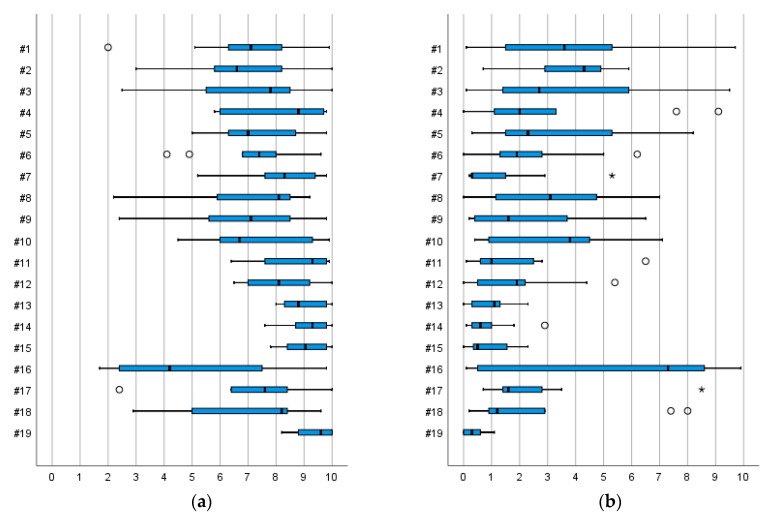
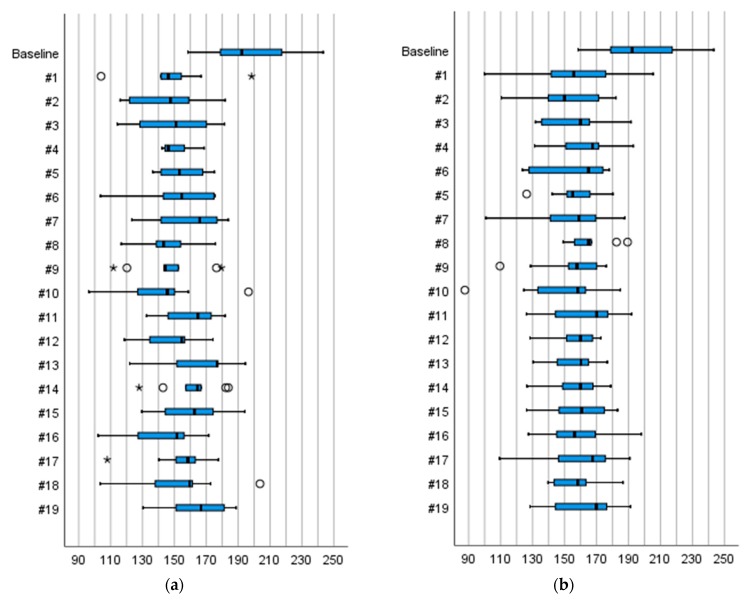
It is important to find criteria for preventive measures and appropriate assistive devices to reduce pedestrian injuries and increase walking in winter. Reducing the rate of falls on icy surfaces and improving people's ability to safely cross a street in winter conditions by achieving an adequate walking speed, for example, need to be considered. This study explores pedestrian perceptions of fall risk, balance, and footfall transitions while using different designs for anti-slip devices on ice and snow-covered ice and relates these to measures of gait speed and friction. Trials were performed with nine pedestrians testing 19 anti-slip devices on ice and ice covered with snow. Laboratory tests of the dynamic coefficient of friction (DCOF) on plain ice were also performed. The findings suggest that there was conformity in the participants' perceptions of good balance and low fall risk for one-fifth of the devices (three whole-foot designs and one design with built-in spikes). We also found that gait speed on icy pedestrian crossings is related to perceived fall-risk and balance control, but not to DCOF of the anti-slip devices.
寻找预防措施和适当的辅助器具的标准对于减少冬季行人受伤和增加行人步行很重要。例如,需要考虑降低在冰面上摔倒的比率,并通过实现足够的步行速度来提高人们在冬季条件下安全穿过街道的能力。本研究探讨了行人对滑倒风险、平衡和脚步过渡的感知,同时在冰和冰雪覆盖的冰上使用不同设计的防滑设备,并将这些与步态速度和摩擦的测量值联系起来。九名行人在冰上测试了 19 种防滑设备,进行了试验。还对普通冰上的动态摩擦系数 (DCOF) 进行了实验室测试。研究结果表明,对于五分之一的设备(三种全足设计和一种带有内置鞋钉的设计),参与者对良好平衡和低跌倒风险的感知是一致的。我们还发现,在结冰的行人横道上的步行速度与感知到的跌倒风险和平衡控制有关,但与防滑设备的 DCOF 无关。