Department of Genetics, School of Basic Medical Sciences, Tianjin Medical University, 300070, Tianjin, China.
School of Pharmacy, Tianjin Medical University, 300070, Tianjin, China.
Cell Death Dis. 2019 Jul 11;10(7):527. doi: 10.1038/s41419-019-1768-x.
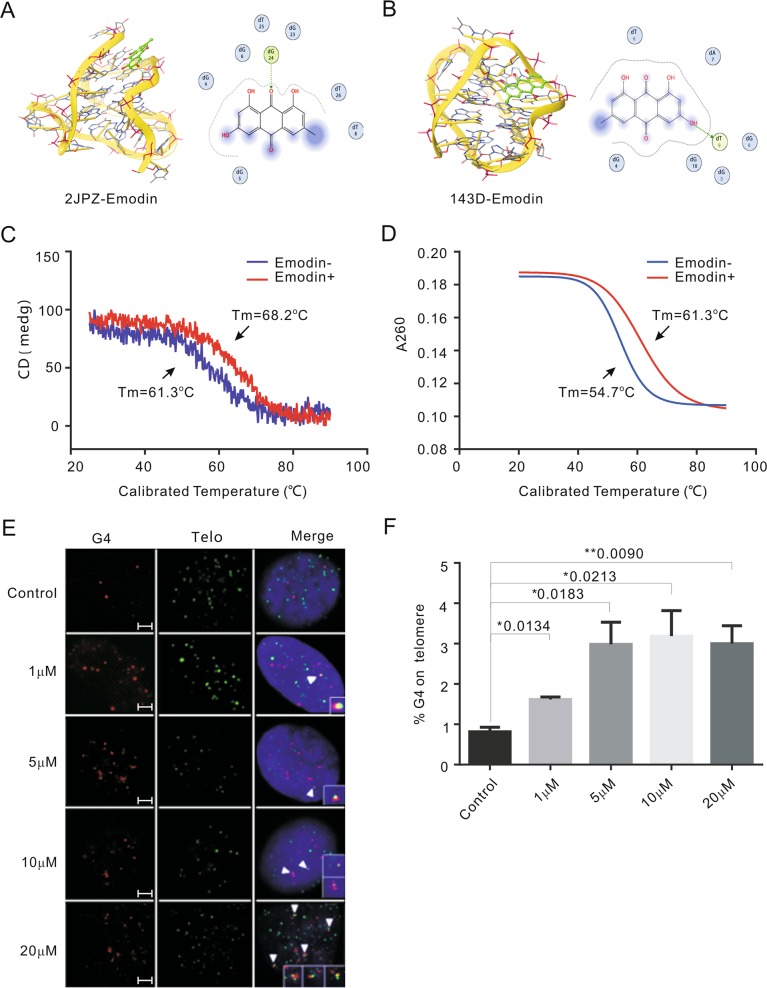
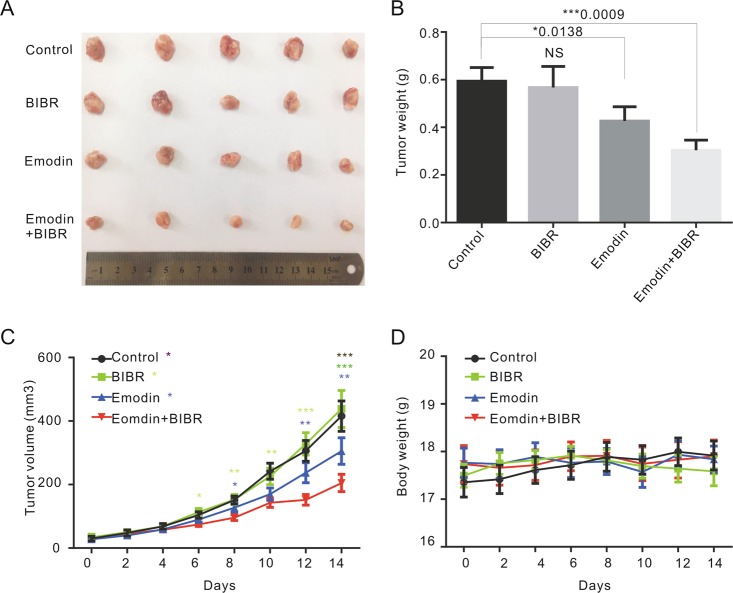
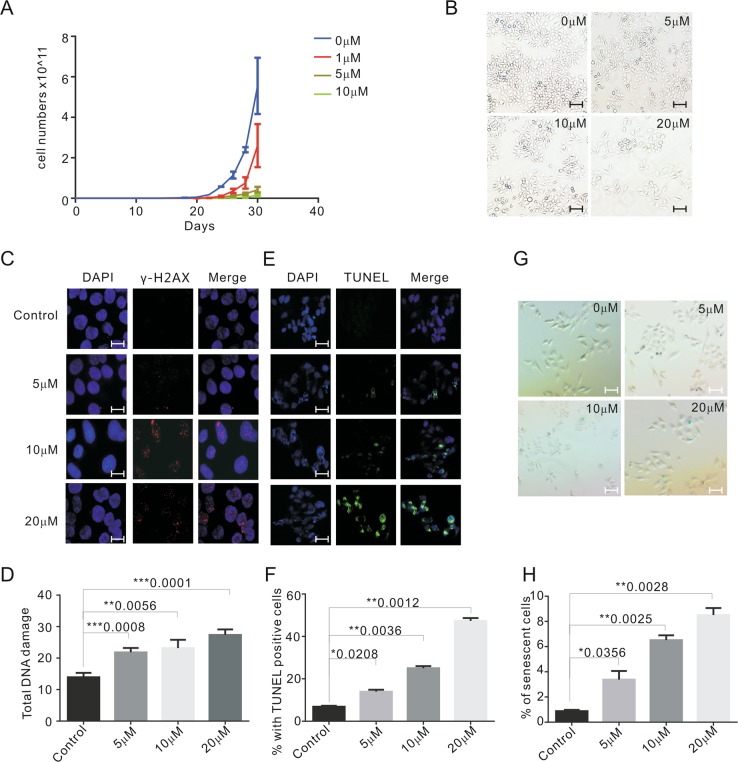
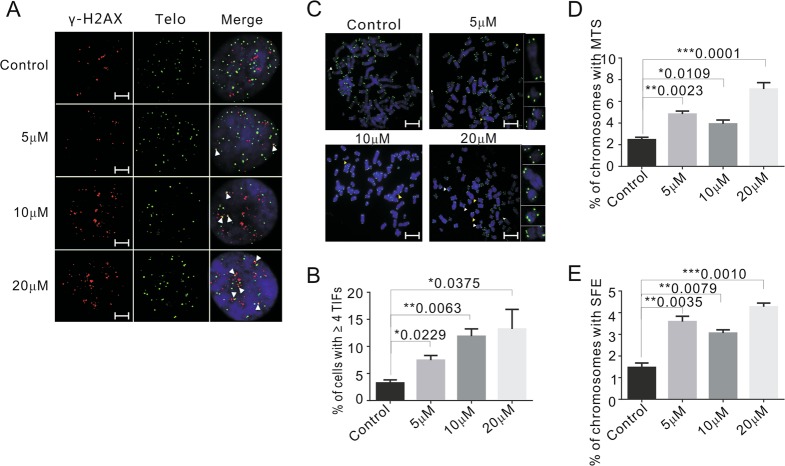
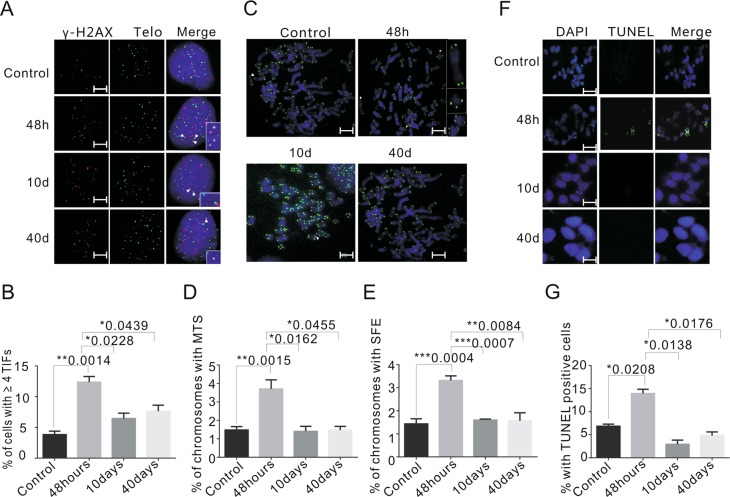
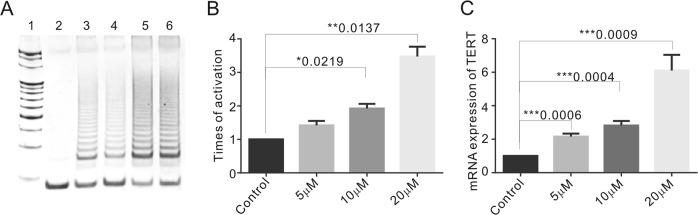
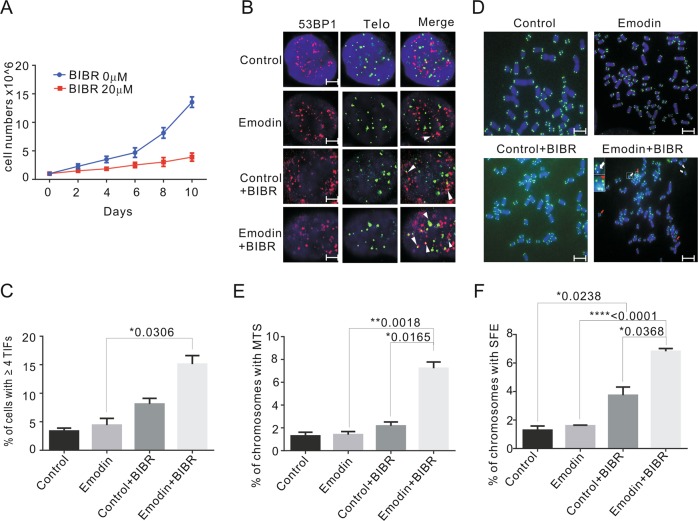
G-quadruplex telomeric secondary structures represent natural replication fork barriers and must be resolved to permit efficient replication. Stabilization of telomeric G4 leads to telomere dysfunctions demonstrated by telomere shortening or damage, resulting in genome instability and apoptosis. Chemical compounds targeting G4 structures have been reported to induce telomere disturbance and tumor suppression. Here, virtual screening was performed in a natural compound library using PyRx to identify novel G4 ligands. Emodin was identified as one of the best candidates, showing a great G4-binding potential. Subsequently, we confirmed that emodin could stabilize G4 structures in vitro and trigger telomere dysfunctions including fragile telomeres, telomere loss, and telomeric DNA damage. However, this telomere disturbance could be rescued by subsequent elevation of telomerase activity; in contrast, when we treated the cells with the telomerase inhibitor BIBR1532 upon emodin treatment, permanent telomere disturbance and obvious growth inhibition of 4T1-cell xenograft tumors were observed in mice. Taken together, our results show for the first time that emodin-induced telomeric DNA damage can upregulate telomerase activity, which may weaken its anticancer effect. The combined use of emodin and the telomerase inhibitor synergistically induced telomere dysfunction and inhibited tumor generation.
G-四链体端粒二级结构代表天然复制叉障碍,必须解决以允许有效的复制。端粒 G4 的稳定导致端粒功能障碍,表现为端粒缩短或损伤,导致基因组不稳定和细胞凋亡。已经报道了针对 G4 结构的化学化合物可诱导端粒干扰和肿瘤抑制。在这里,使用 PyRx 在天然化合物库中进行了虚拟筛选,以鉴定新型 G4 配体。大黄素被鉴定为最佳候选物之一,显示出很强的 G4 结合潜力。随后,我们证实大黄素可以在体外稳定 G4 结构,并引发端粒功能障碍,包括脆弱的端粒、端粒丢失和端粒 DNA 损伤。然而,这种端粒干扰可以通过随后提高端粒酶活性来挽救;相反,当我们在用大黄素处理细胞后用端粒酶抑制剂 BIBR1532 处理时,在小鼠中观察到 4T1 细胞异种移植肿瘤的永久性端粒干扰和明显的生长抑制。总之,我们的结果首次表明,大黄素诱导的端粒 DNA 损伤可以上调端粒酶活性,这可能削弱其抗癌作用。大黄素和端粒酶抑制剂的联合使用协同诱导端粒功能障碍并抑制肿瘤生成。