Department of Anesthesiology & Center for Shock, Trauma and Anesthesiology Research (STAR), School of Medicine, University of Maryland, Baltimore, MD, USA.
Department of Pharmaceutical Sciences, School of Pharmacy, University of Maryland, Baltimore, MD, USA.
Cell Death Dis. 2019 Jul 11;10(7):531. doi: 10.1038/s41419-019-1764-1.
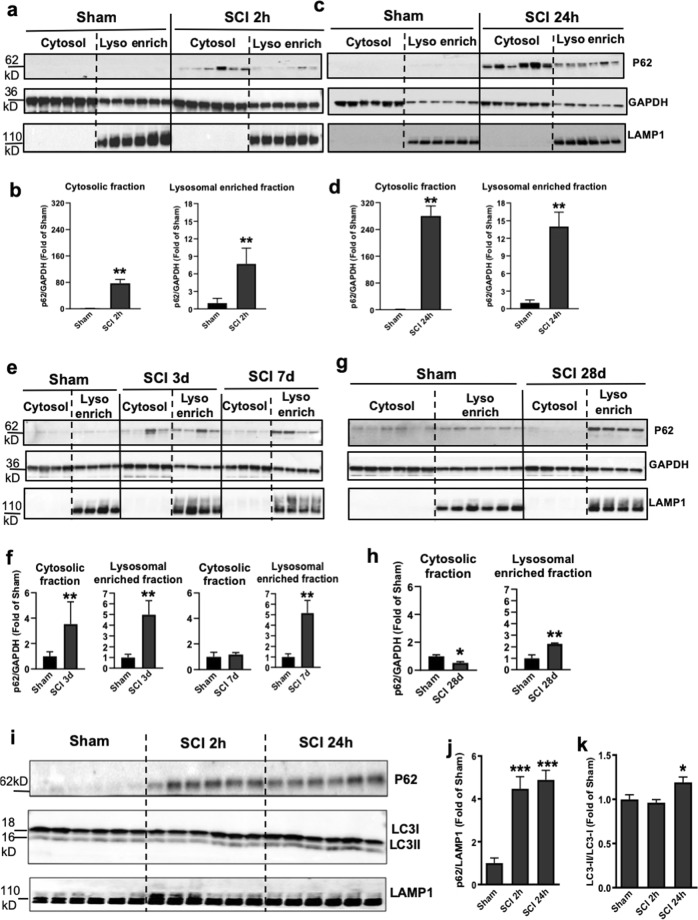
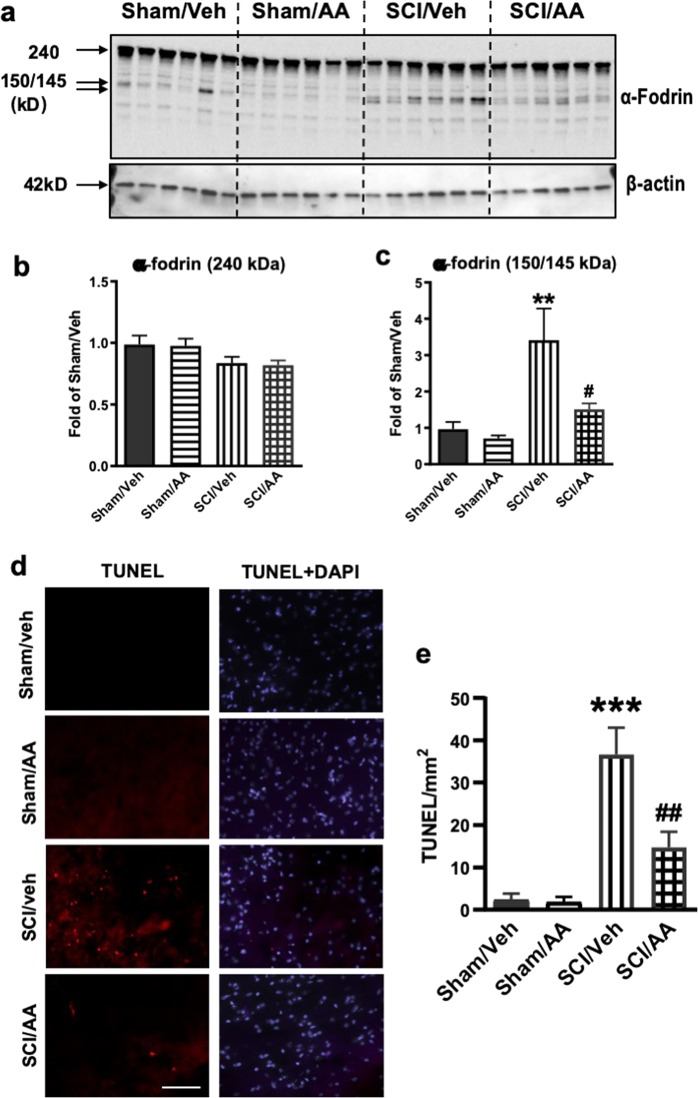
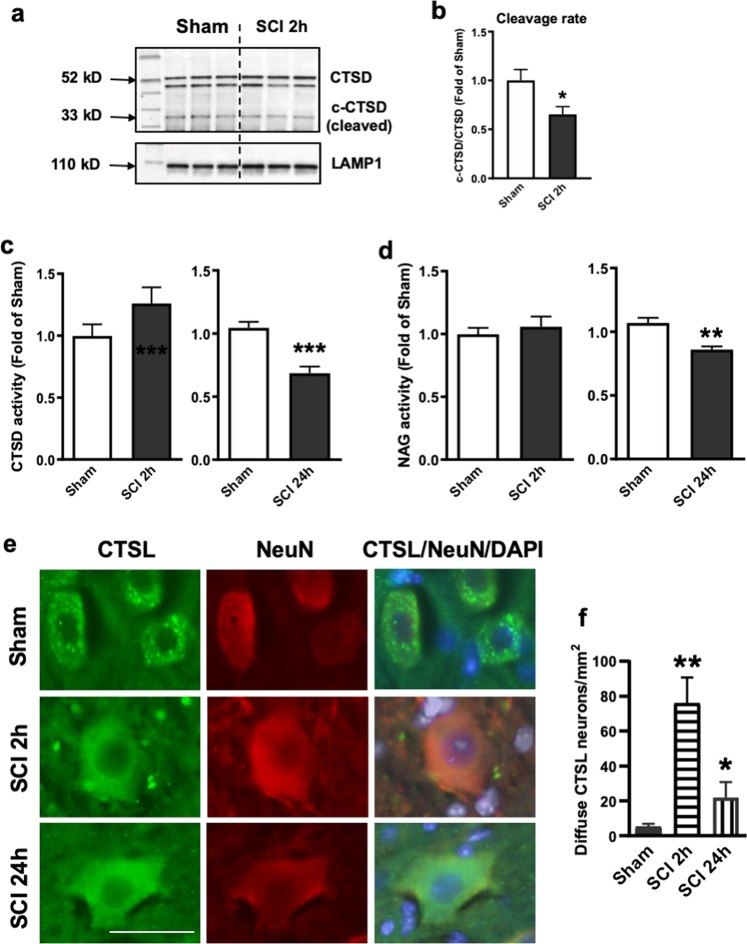
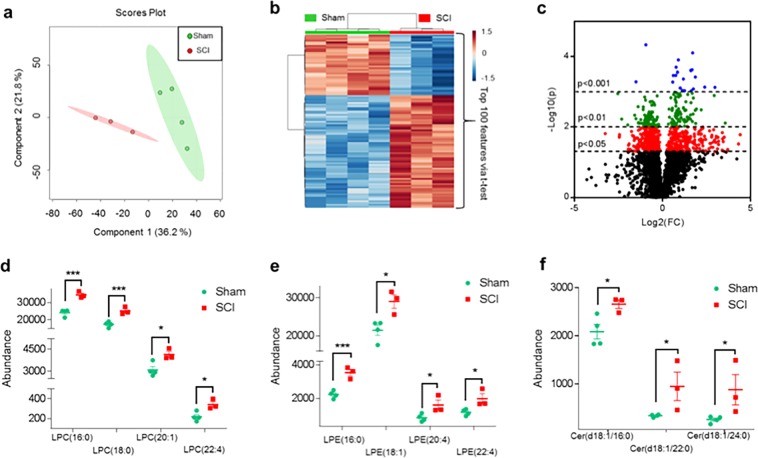
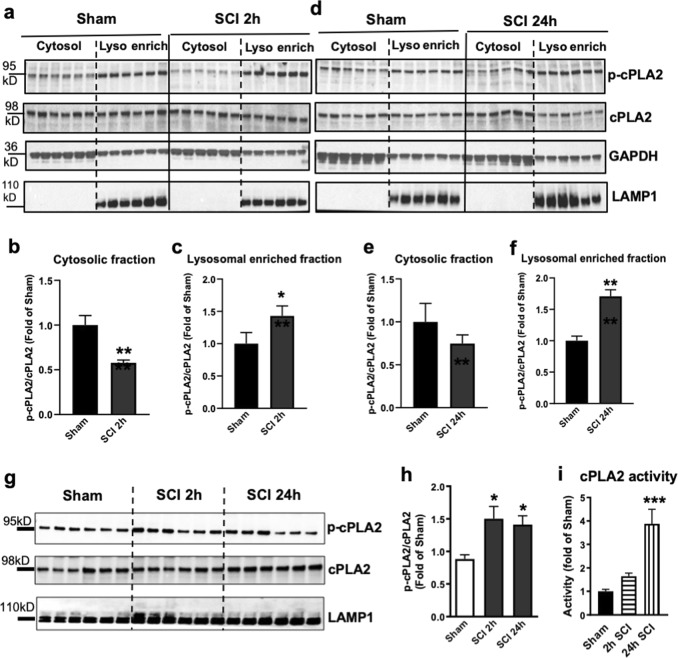
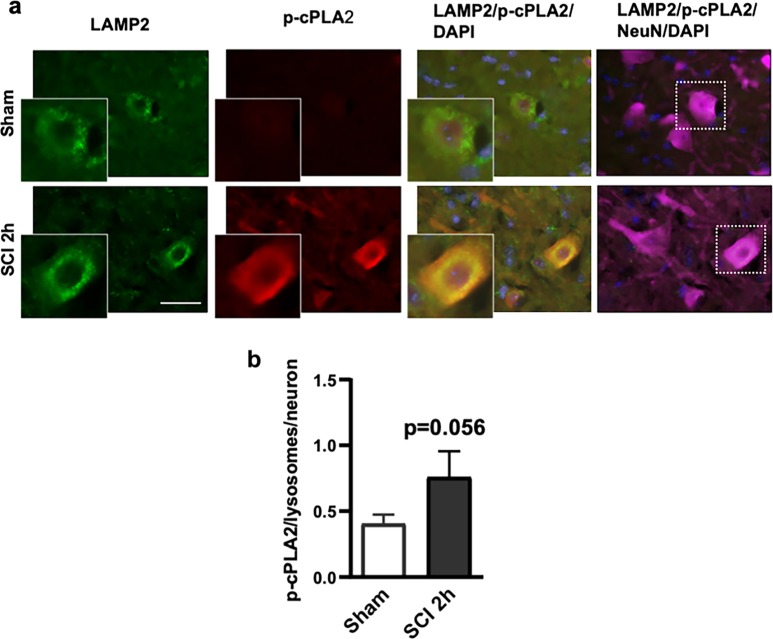
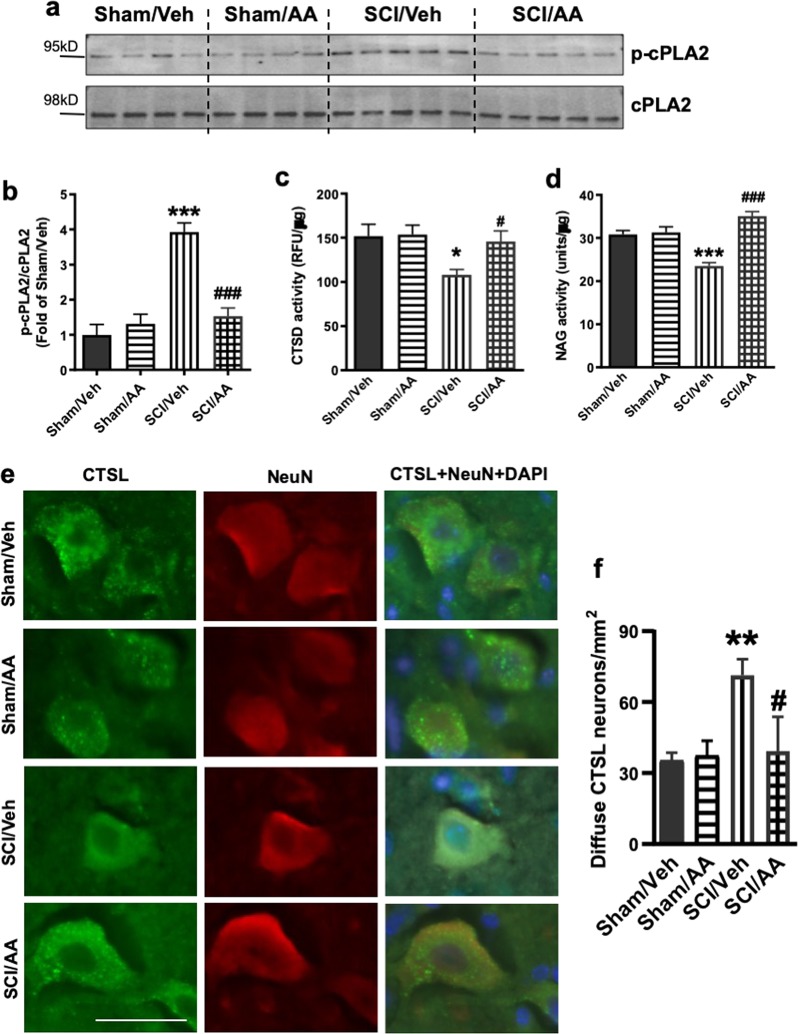
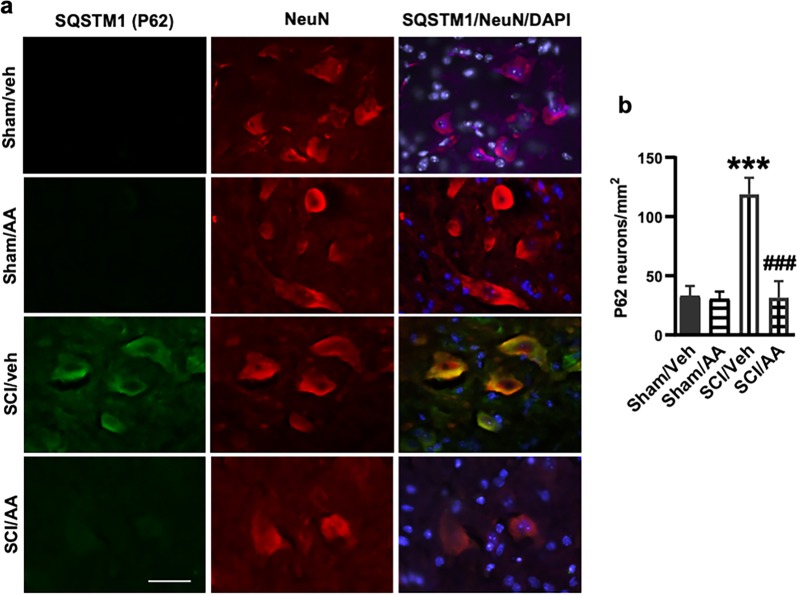
The autophagy-lysosomal pathway plays an essential role in cellular homeostasis as well as a protective function against a variety of diseases including neurodegeneration. Conversely, inhibition of autophagy, for example due to lysosomal dysfunction, can lead to pathological accumulation of dysfunctional autophagosomes and consequent neuronal cell death. We previously reported that autophagy is inhibited and contributes to neuronal cell death following spinal cord injury (SCI). In this study, we examined lysosomal function and explored the mechanism of lysosomal defects following SCI. Our data demonstrated that expression levels and processing of the lysosomal enzyme cathepsin D (CTSD) are decreased by 2 h after SCI. Enzymatic activity levels of CTSD and another lysosomal enzyme, N-acetyl-alpha-glucosaminidase, are both decreased 24 h post injury, indicating general lysosomal dysfunction. Subcellular fractionation and immunohistochemistry analysis demonstrated that this dysfunction is due to lysosomal membrane permeabilization and leakage of lysosomal contents into the cytosol. To directly assess extent and mechanisms of damage to lysosomal membranes, we performed mass spectrometry-based lipidomic analysis of lysosomes purified from SCI and control spinal cord. At 2 h post injury our data demonstrated increase in several classes of lysosophospholipids, the products of phospholipases (PLAs), as well as accumulation of PLA activators, ceramides. Phospholipase cPLA2, the main PLA species expressed in the CNS, has been previously implicated in mediation of secondary injury after SCI, but the mechanisms of its involvement remain unclear. Our data demonstrate that cPLA2 is activated within 2 h after SCI preferentially in the lysosomal fraction, where it colocalizes with lysosomal-associated membrane protein 2 in neurons. Inhibition of cPLA2 in vivo decreased lysosomal damage, restored autophagy flux, and reduced neuronal cell damage. Taken together our data implicate lysosomal defects in pathophysiology of SCI and for the first time indicate that cPLA2 activation leads to lysosomal damage causing neuronal autophagosome accumulation associated with neuronal cell death.
自噬溶酶体途径在细胞稳态中发挥着重要作用,并且对包括神经退行性疾病在内的多种疾病具有保护作用。相反,自噬的抑制,例如由于溶酶体功能障碍,可导致功能失调的自噬体病理性积累,并随后导致神经元细胞死亡。我们之前报道了自噬在脊髓损伤 (SCI) 后被抑制并导致神经元细胞死亡。在这项研究中,我们检查了溶酶体功能,并探讨了 SCI 后溶酶体缺陷的机制。我们的数据表明,SCI 后 2 小时,溶酶体酶组织蛋白酶 D (CTSD) 的表达水平和加工受到抑制。24 小时后,CTSD 和另一种溶酶体酶 N-乙酰-α-氨基葡萄糖苷酶的酶活性水平均降低,表明普遍存在溶酶体功能障碍。亚细胞分级分离和免疫组织化学分析表明,这种功能障碍是由于溶酶体膜通透性增加和溶酶体内容物漏入细胞质。为了直接评估溶酶体膜损伤的程度和机制,我们对从 SCI 和对照脊髓中纯化的溶酶体进行了基于质谱的脂质组学分析。在损伤后 2 小时,我们的数据表明几种类别的溶脂磷脂增加,这些是磷脂酶 (PLAs) 的产物,以及 PLA 激活剂神经酰胺的积累。磷脂酶 cPLA2 是中枢神经系统中表达的主要 PLA 种类,先前已被牵连到 SCI 后的继发性损伤中,但它的参与机制仍不清楚。我们的数据表明,cPLA2 在 SCI 后 2 小时内被激活,主要在溶酶体部分,在神经元中与溶酶体相关膜蛋白 2 共定位。体内抑制 cPLA2 可减少溶酶体损伤,恢复自噬通量,并减少神经元细胞损伤。总之,我们的数据表明溶酶体缺陷与 SCI 的病理生理学有关,并且首次表明 cPLA2 的激活导致导致神经元自噬体积累与神经元细胞死亡相关的溶酶体损伤。