Department of Orthopaedics, The Second Affiliated Hospital and Yuying Children's Hospital of Wenzhou Medical University, Wenzhou 325000, China.
Molecular Pharmacology Research Center, School of Pharmaceutical Science, Wenzhou Medical University, Wenzhou, 325000, China.
Theranostics. 2020 Jul 23;10(20):9280-9302. doi: 10.7150/thno.46566. eCollection 2020.
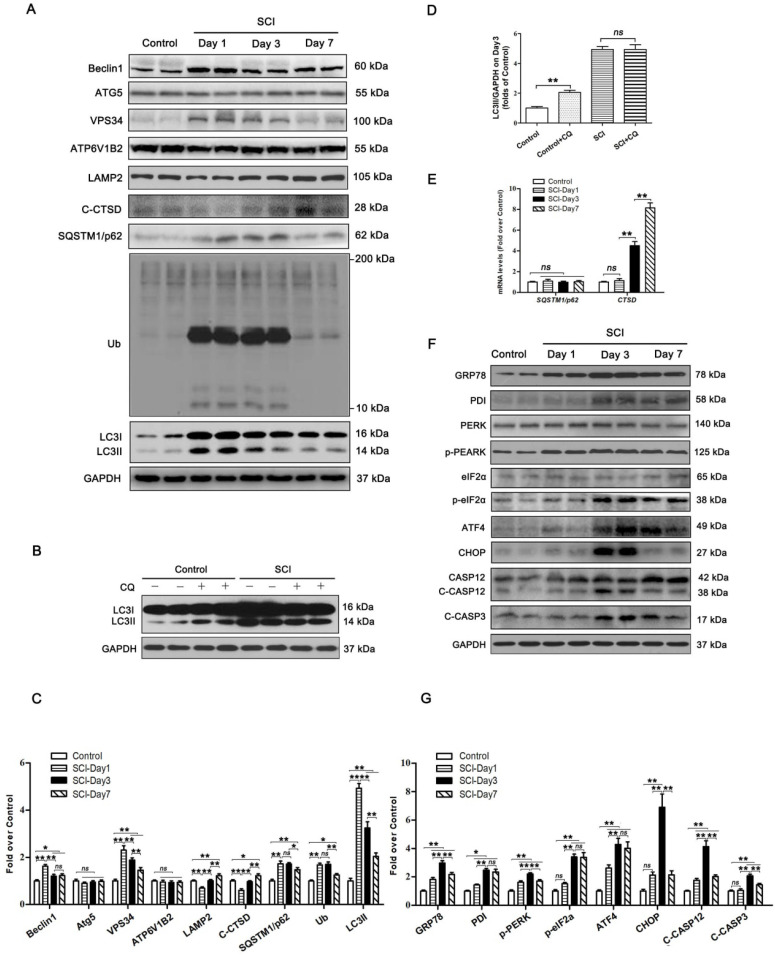
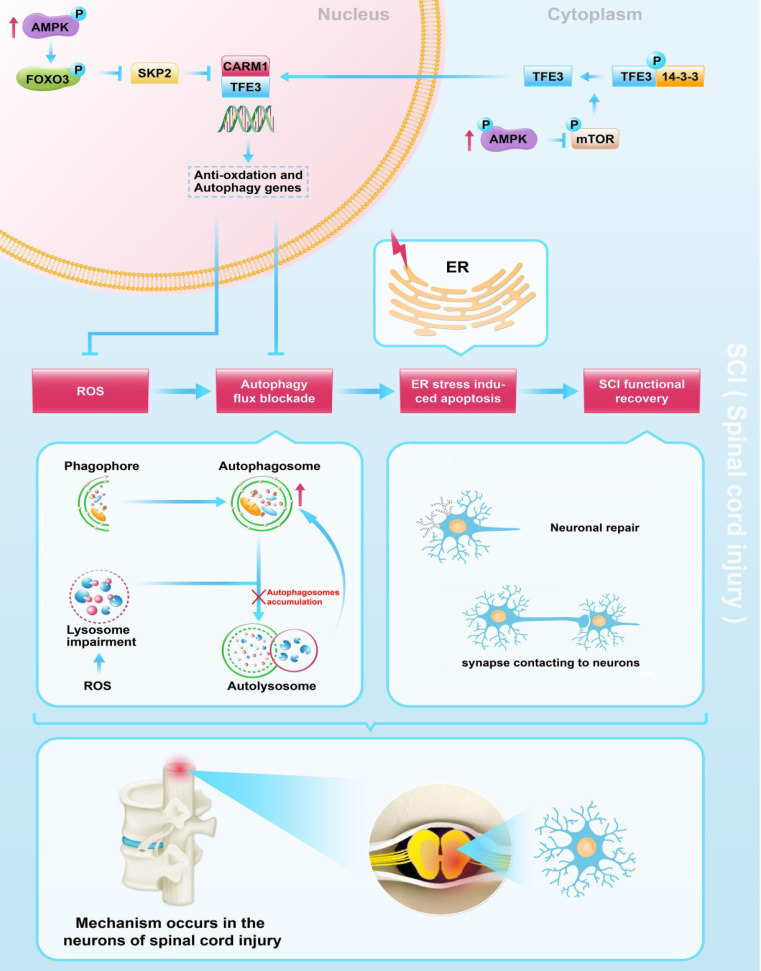
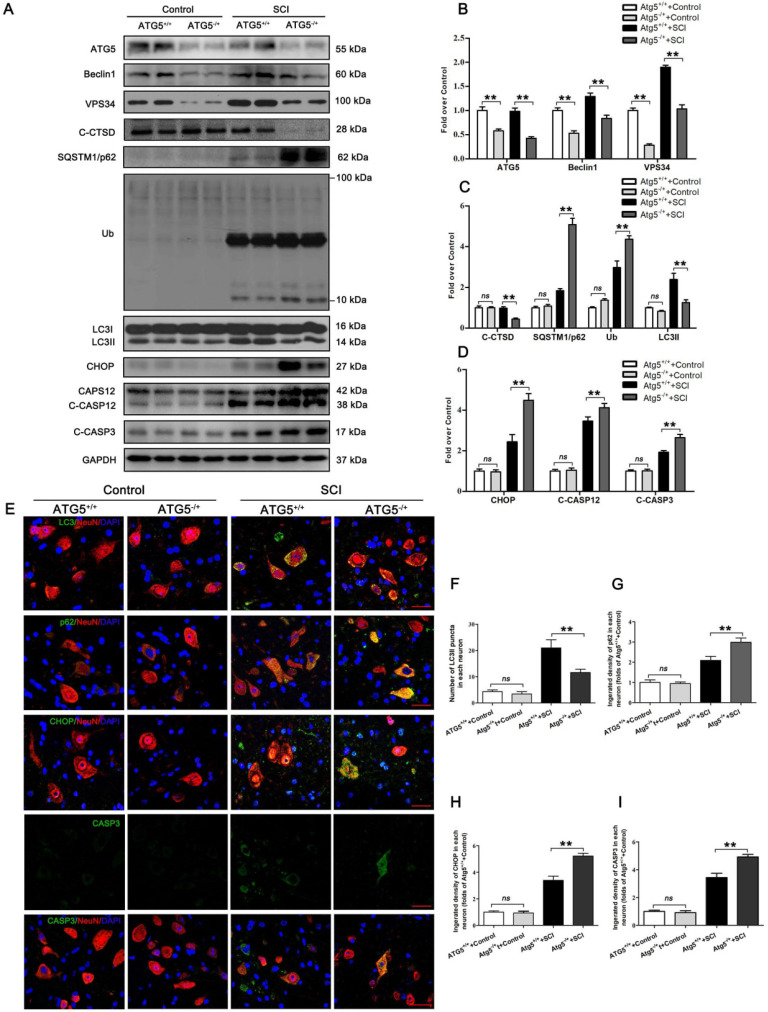
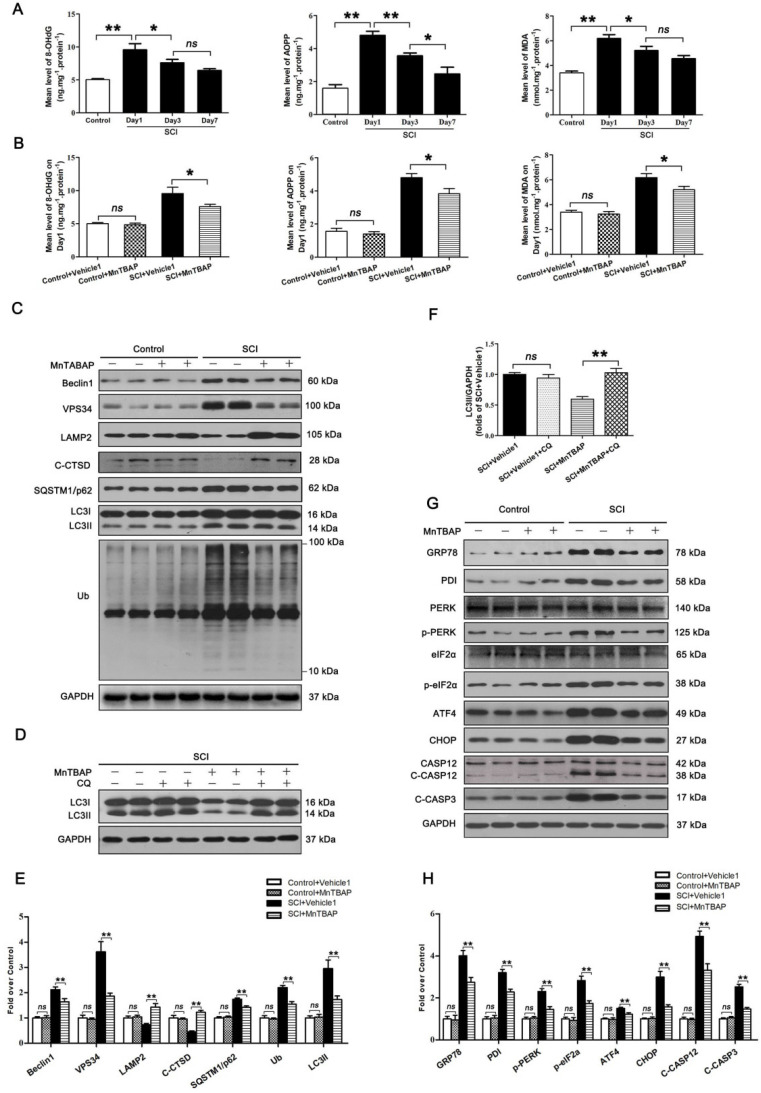
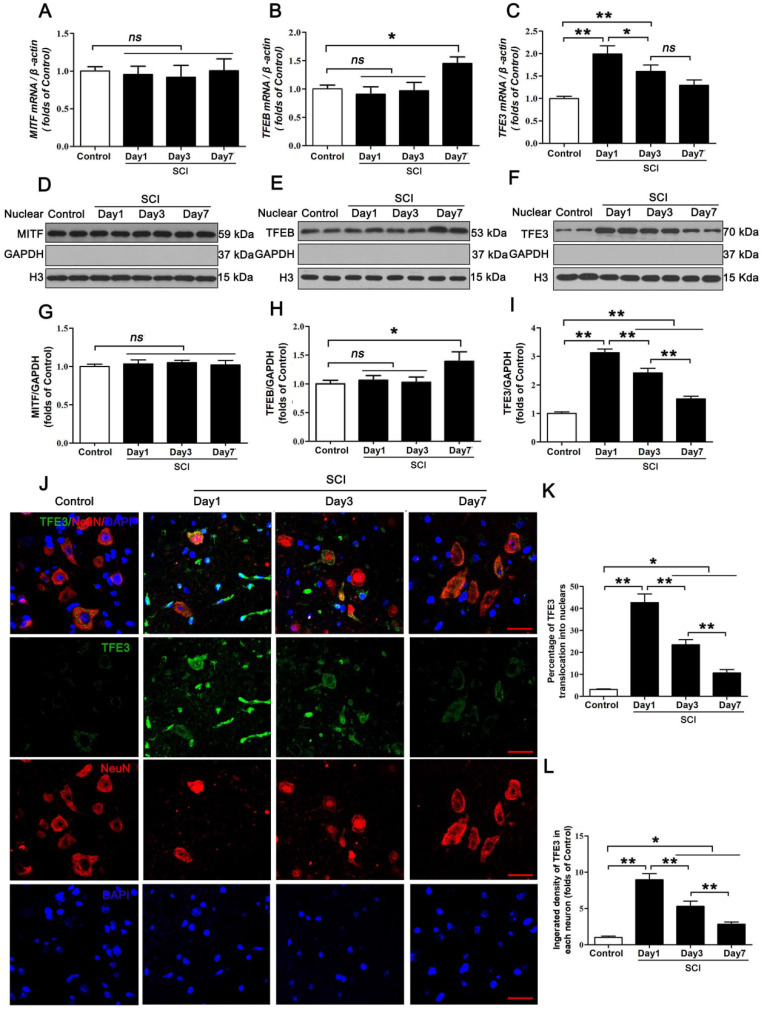
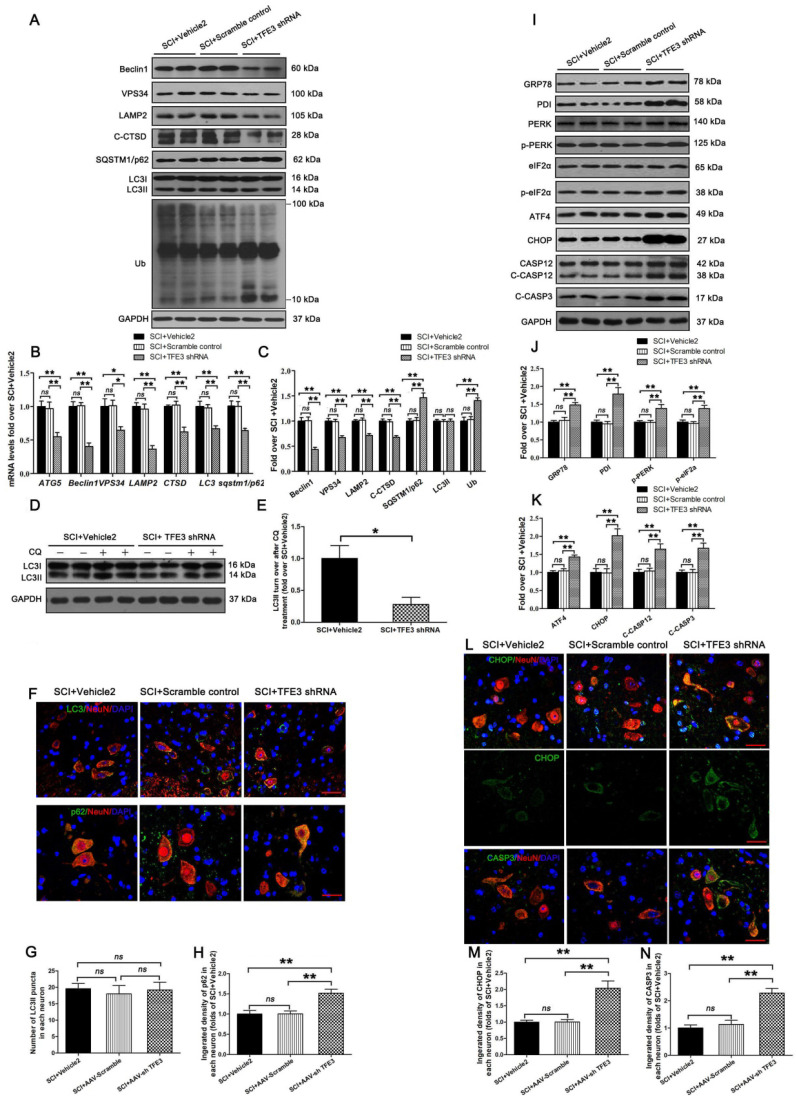
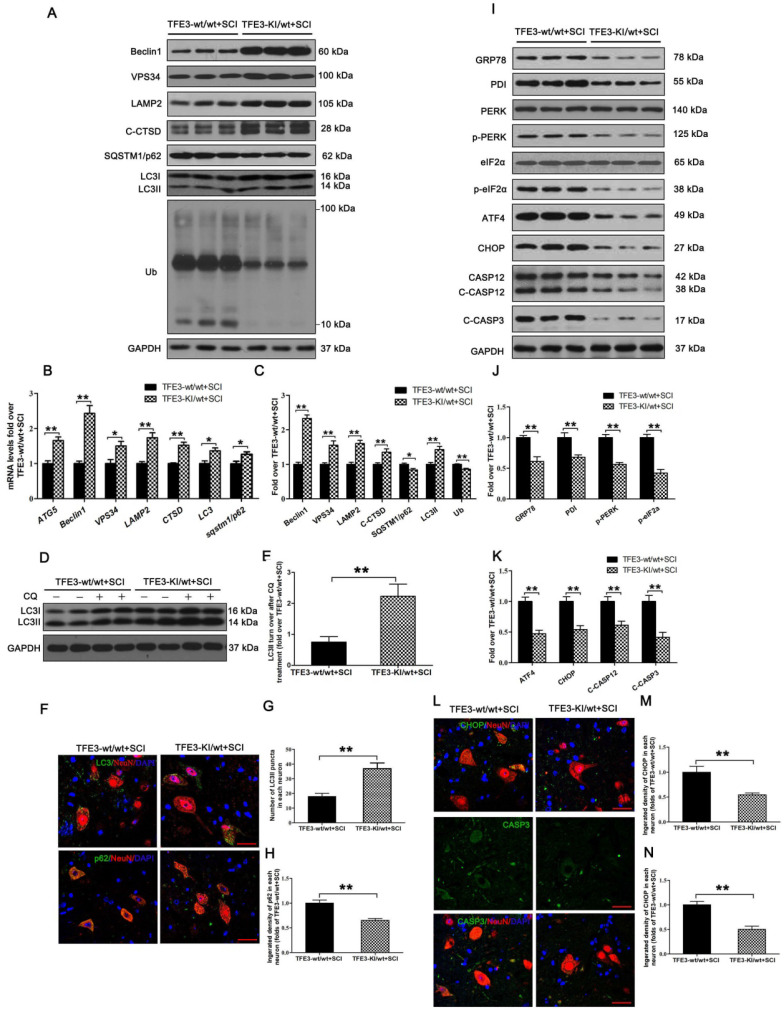
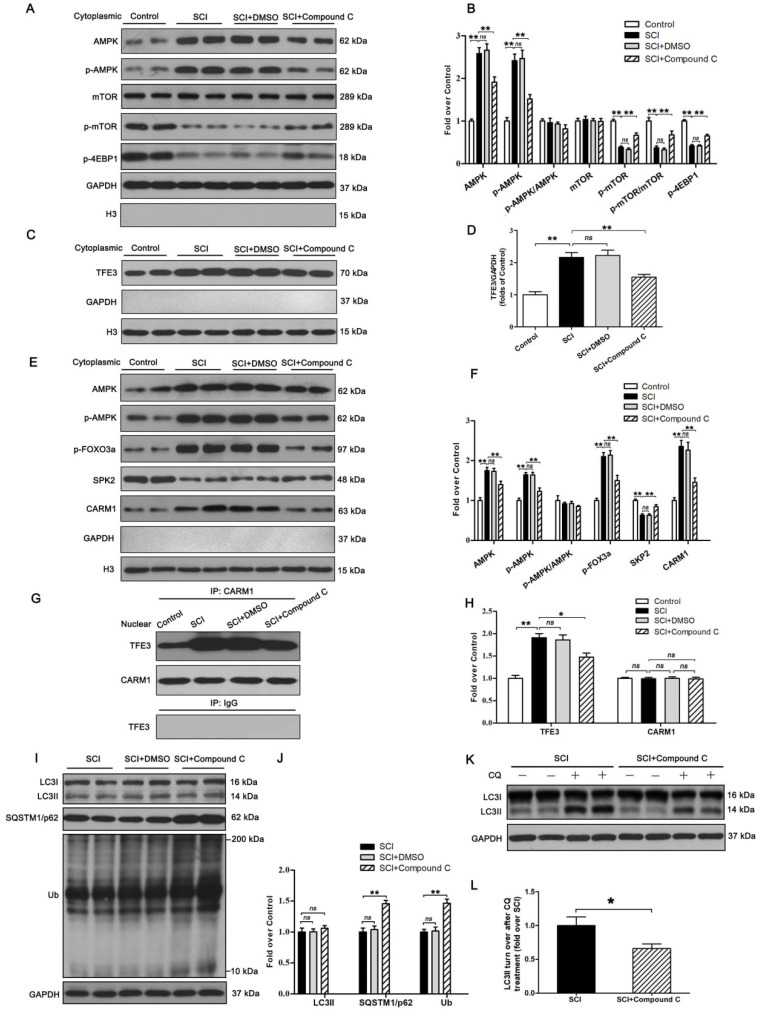
Increasing evidence suggests that spinal cord injury (SCI)-induced defects in autophagic flux may contribute to an impaired ability for neurological repair following injury. Transcription factor E3 (TFE3) plays a crucial role in oxidative metabolism, lysosomal homeostasis, and autophagy induction. Here, we investigated the role of TFE3 in modulating autophagy following SCI and explored its impact on neurological recovery. Histological analysis via HE, Nissl and Mason staining, survival rate analysis, and behavioral testing via BMS and footprint analysis were used to determine functional recovery after SCI. Quantitative real-time polymerase chain reaction, Western blotting, immunofluorescence, TUNEL staining, enzyme-linked immunosorbent assays, and immunoprecipitation were applied to examine levels of autophagy flux, ER-stress-induced apoptosis, oxidative stress, and AMPK related signaling pathways. studies using PC12 cells were performed to discern the relationship between ROS accumulation and autophagy flux blockade. Our results showed that in SCI, defects in autophagy flux contributes to ER stress, leading to neuronal death. Furthermore, SCI enhances the production of reactive oxygen species (ROS) that induce lysosomal dysfunction to impair autophagy flux. We also showed that TFE3 levels are inversely correlated with ROS levels, and increased TFE3 levels can lead to improved outcomes. Finally, we showed that activation of TFE3 after SCI is partly regulated by AMPK-mTOR and AMPK-SKP2-CARM1 signaling pathways. TFE3 is an important regulator in ROS-mediated autophagy dysfunction following SCI, and TFE3 may serve as a promising target for developing treatments for SCI.
越来越多的证据表明,脊髓损伤(SCI)引起的自噬流缺陷可能导致损伤后神经修复能力受损。转录因子 E3(TFE3)在氧化代谢、溶酶体稳态和自噬诱导中发挥着关键作用。在这里,我们研究了 TFE3 在 SCI 后调节自噬的作用,并探讨了其对神经恢复的影响。通过 HE、尼氏和 Mason 染色进行组织学分析、生存率分析以及通过 BMS 和足迹分析进行行为测试,以确定 SCI 后的功能恢复。通过定量实时聚合酶链反应、Western blot、免疫荧光、TUNEL 染色、酶联免疫吸附测定和免疫沉淀,检查自噬流、内质网应激诱导的细胞凋亡、氧化应激和 AMPK 相关信号通路的水平。使用 PC12 细胞进行研究,以辨别 ROS 积累与自噬流阻断之间的关系。
我们的结果表明,在 SCI 中,自噬流缺陷会导致内质网应激,从而导致神经元死亡。此外,SCI 增强了活性氧(ROS)的产生,诱导溶酶体功能障碍,从而损害自噬流。我们还表明,TFE3 水平与 ROS 水平呈负相关,增加 TFE3 水平可以改善结果。最后,我们表明,SCI 后 TFE3 的激活部分受 AMPK-mTOR 和 AMPK-SKP2-CARM1 信号通路的调节。TFE3 是 SCI 后 ROS 介导的自噬功能障碍的重要调节剂,TFE3 可能成为治疗 SCI 的有前途的靶点。