Department of Surgery, Clinical Research, Trauma Surgery, Hamad Medical Corporation (HMC), Doha, Qatar.
Department of Surgery, Trauma and Vascular Surgery, Clinical Research, Hamad General Hospital, HMC, P.O Box 3050, Doha, Qatar.
J Relig Health. 2020 Aug;59(4):1810-1823. doi: 10.1007/s10943-019-00883-x.
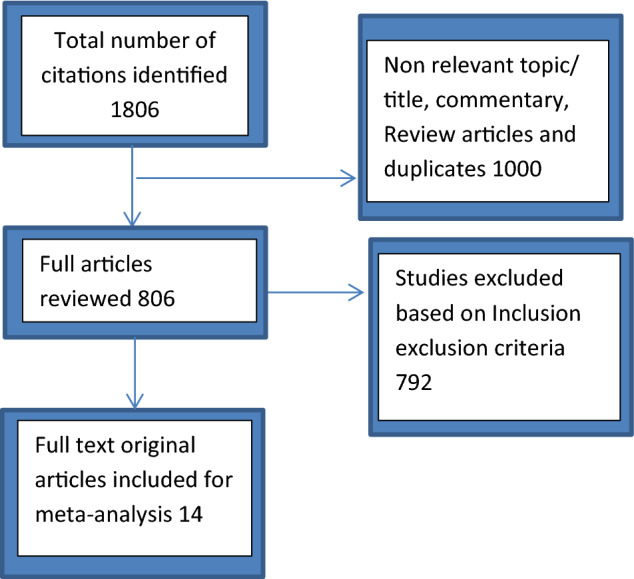
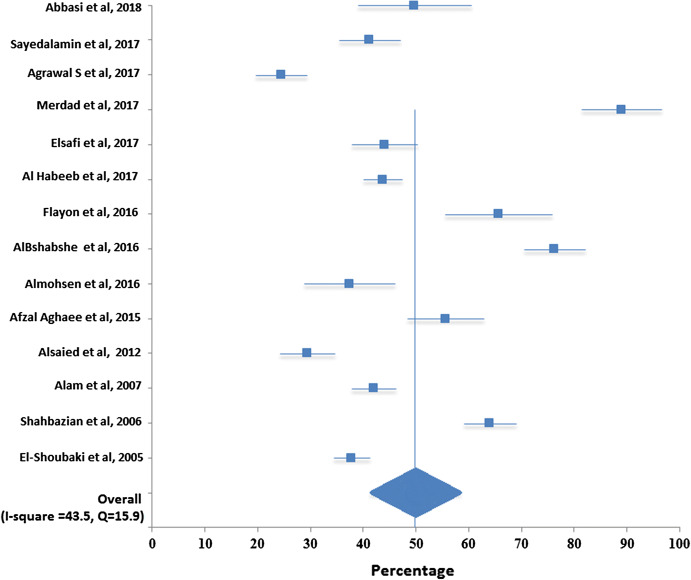
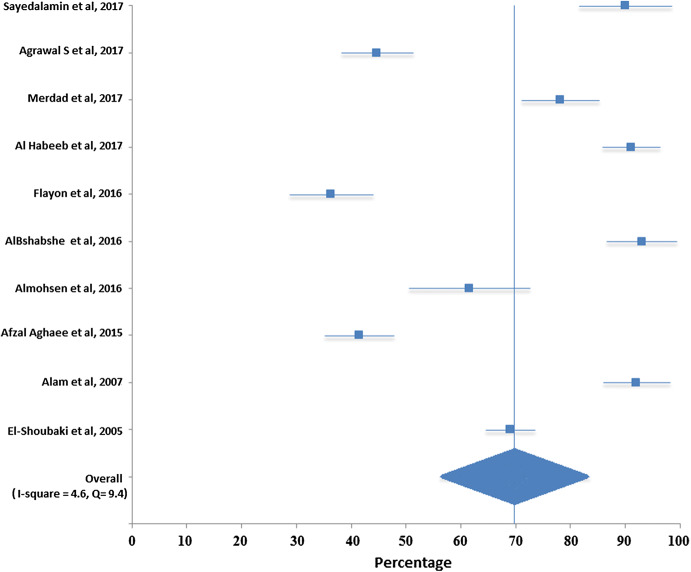
Medical advancements over the past decades brought organ transplantation as a definitive therapy for different end-stage organ failure. However, non-availability of organs required for transplantation is a major challenge worldwide. We aimed to determine the knowledge and willingness to donate organs in various populations and settings in the Middle Eastern region. Literature searches were conducted on PubMed, MEDLINE, Cochrane, and Google scholar electronic databases. Different combinations of search terms such as "organ donation"; "knowledge", "awareness"; "beliefs", "willingness"; and "attitude" along with the country names were used. Additional searches using reference lists of studies and review articles were conducted. Data were extracted using standardized excel form and pilot tested. Three authors independently abstracted the data using a data collection form. Results from different studies were pooled for the analysis when appropriate. The search yielded 1806 articles; 1000 duplicates and review articles were excluded, and a further 792 articles not relevant were excluded. Finally, 14 original studies met the inclusion criteria. Total pooled sample size for assessing knowledge was 6697 and for willingness was 8714. Pooled overall knowledge regarding organ donation was 69% with a 95% CI [64.5, 73.5]. Pooled overall willingness to donate organ was 49.8% with a 95% CI [41.3, 58.4]. Knowledge about organ donation and willingness to donate organs varies in different population and settings in the Middle East. These in fact are linked to multiple social factors ultimately leads to 'consent' for donating organs by a potential donor. Family's influence; religious, traditional and spiritual beliefs; and status of ethnic, minority, and immigrant populace are the important determinants of the decision for organ donation. Understandings on social determinants in organ donation remain crucial and should be addressed while developing policies and organizational developments.
在过去几十年中,医学的进步将器官移植作为治疗各种终末期器官衰竭的一种明确疗法。然而,器官的供应不足是全球面临的主要挑战。我们旨在确定中东地区不同人群和环境中对器官捐献的认识和意愿。在 PubMed、MEDLINE、Cochrane 和 Google Scholar 电子数据库中进行了文献检索。使用了不同组合的搜索词,如“器官捐献”;“知识”、“意识”;“信仰”、“意愿”;以及“态度”,并加上了国家名称。还对研究和综述文章的参考文献进行了额外的搜索。使用标准化的 Excel 表格提取数据,并进行了预测试。三位作者使用数据收集表独立提取数据。当合适时,对来自不同研究的数据进行了汇总分析。搜索结果产生了 1806 篇文章;1000 篇重复文章和综述文章被排除,另外 792 篇不相关的文章也被排除。最后,有 14 篇原始研究符合纳入标准。评估知识的总样本量为 6697 人,评估意愿的样本量为 8714 人。器官捐献知识的总体汇总率为 69%,95%CI[64.5,73.5]。器官捐献总体意愿的汇总率为 49.8%,95%CI[41.3,58.4]。中东不同人群和环境中的器官捐献知识和意愿存在差异。这些差异实际上与多个社会因素有关,最终导致潜在供体对器官捐献的“同意”。家庭的影响;宗教、传统和精神信仰;以及少数民族和移民人口的地位是器官捐献决定的重要决定因素。理解器官捐献的社会决定因素仍然至关重要,在制定政策和组织发展时应予以考虑。