Shandong Province Key Laboratory of Applied Mycology, College of Life Sciences, Qingdao Agricultural University, Changcheng Road, No.700, Qingdao, 266109, China.
BMC Genomics. 2019 Jul 16;20(1):585. doi: 10.1186/s12864-019-5962-0.
Ganoderma lucidum, one of the best-known medicinal mushrooms in the world, produces more than 400 different bioactive compounds. However, the regulation of these bioactive compounds biosynthesis is still unclear. Lysine succinylation is a critical post-translational modification and has many important functions in all aspects of eukaryotic and prokaryotic cells. Although it has been studied for a long time, its function is still unclear in G. lucidum. In this study, a global investigation was carried out on the succinylome in G. lucidum.
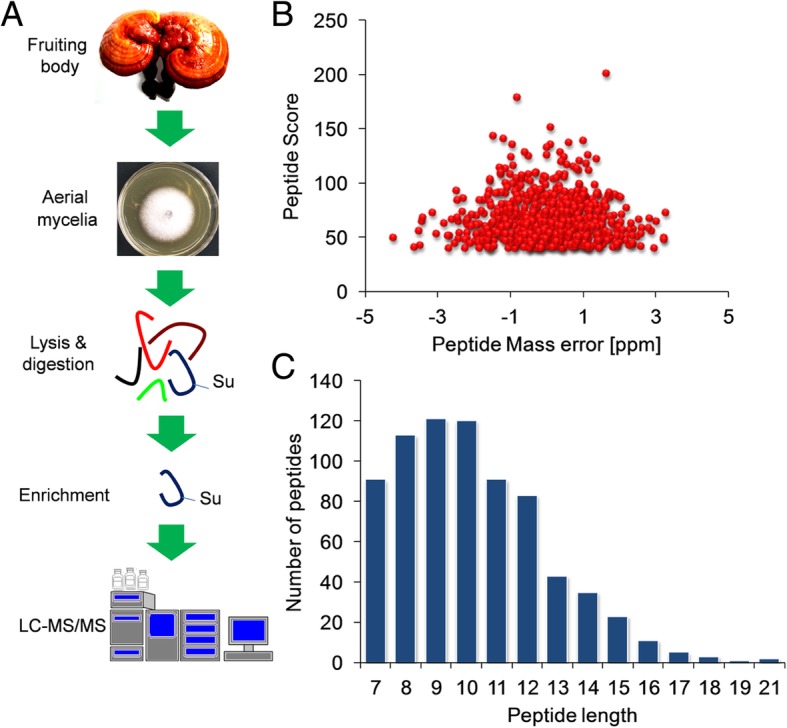
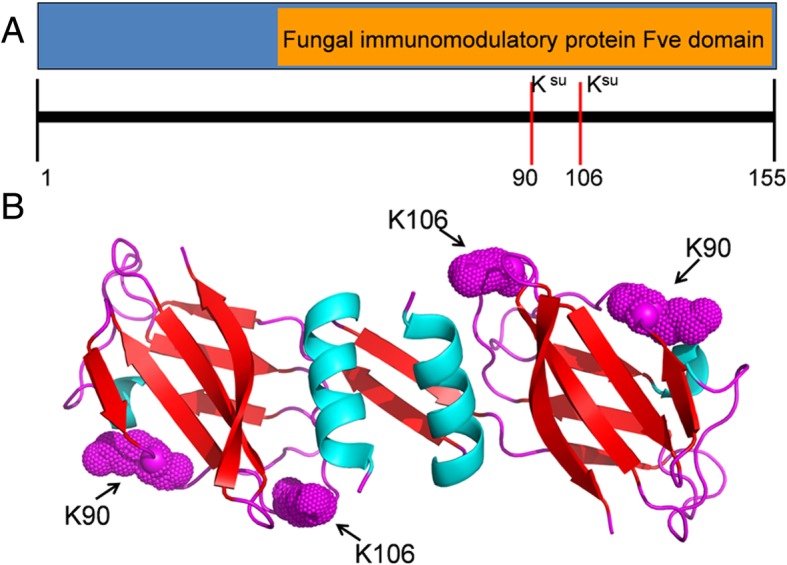
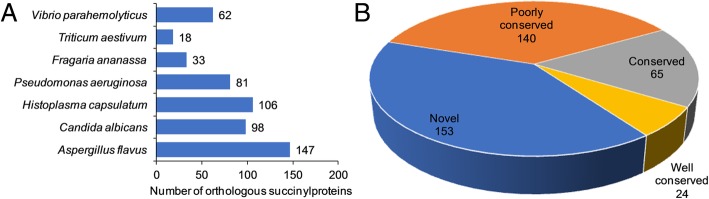
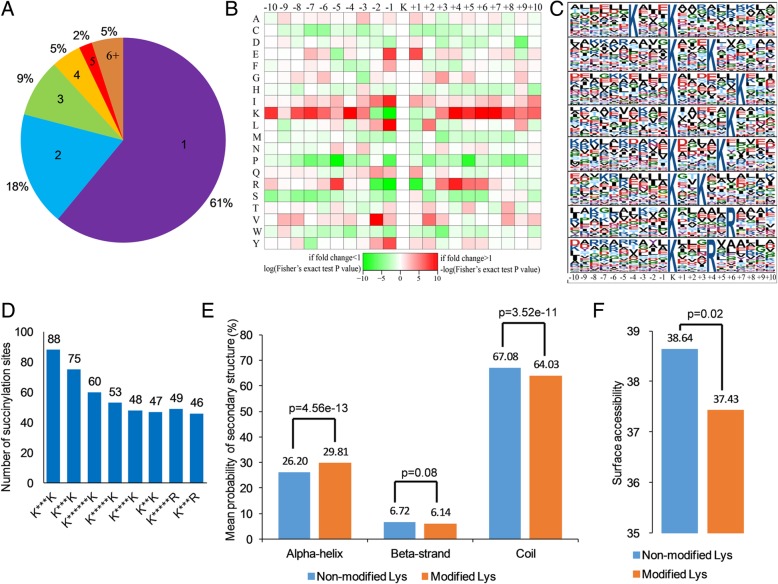
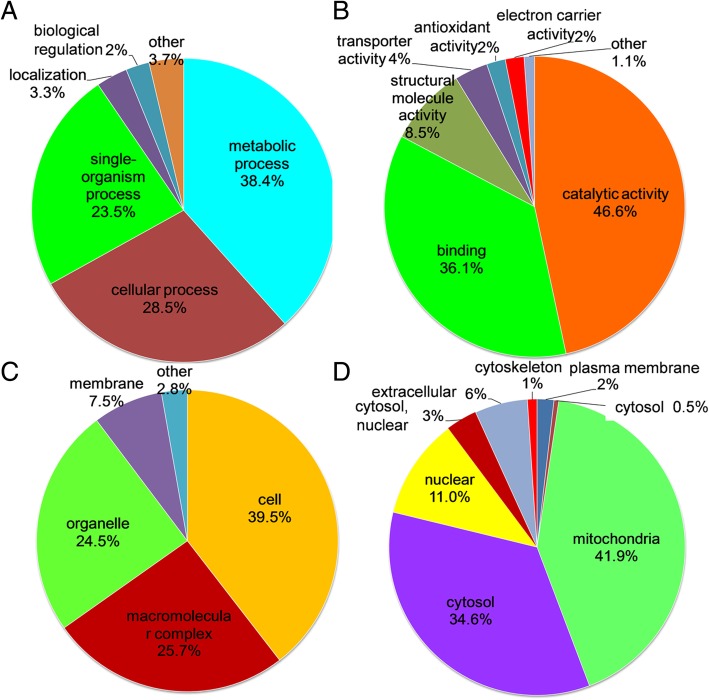
In total, 382 modified proteins which contain 742 lysine succinylated sites were obtained. The proteomics data are available through ProteomeXchange with the dataset accession number PXD013954. Bioinformatics analysis revealed that the succinylated proteins were distributed in various cellular biological processes and participated in a great variety of metabolic pathways including carbon metabolism and biosynthesis of secondary metabolites. Notably, a total of 47 enzymes associated with biosynthesis of triterpenoids and polysaccharides were found to be succinylated. Furthermore, two succinylated sites K90 and K106 were found in the conserved Fve region of immunomodulatory protein LZ8. These observations show that lysine succinylation plays an indispensable role in metabolic regulation of bioactive compounds in G. lucidum.
These findings indicate that lysine succinylation is related to many metabolic pathways, especially pharmacologically bioactive compounds metabolism. This study provides the first global investigation of lysine succinylation in G. lucidum and the succinylome dataset provided in this study serves as a resource to further explore the physiological roles of these modifications in secondary metabolism.
灵芝,世界上最著名的药用蘑菇之一,能产生 400 多种不同的生物活性化合物。然而,这些生物活性化合物生物合成的调控机制尚不清楚。赖氨酸琥珀酰化是一种重要的翻译后修饰,在真核细胞和原核细胞的各个方面都有许多重要的功能。尽管它已经研究了很长时间,但在灵芝中它的功能仍然不清楚。在这项研究中,对灵芝中的琥珀酰组进行了全面的研究。
共获得了 382 种含有 742 个赖氨酸琥珀酰化位点的修饰蛋白。蛋白质组学数据可通过 ProteomeXchange 获得,数据集访问号为 PXD013954。生物信息学分析表明,琥珀酰化蛋白分布在各种细胞生物学过程中,并参与了多种代谢途径,包括碳代谢和次生代谢物的生物合成。值得注意的是,总共发现了 47 种与三萜和多糖生物合成相关的酶被琥珀酰化。此外,在免疫调节蛋白 LZ8 的保守 Fve 区域发现了两个琥珀酰化位点 K90 和 K106。这些观察结果表明,赖氨酸琥珀酰化在灵芝生物活性化合物代谢调节中起着不可或缺的作用。
这些发现表明赖氨酸琥珀酰化与许多代谢途径有关,特别是与药理学上有生物活性的化合物代谢有关。本研究首次对灵芝中的赖氨酸琥珀酰化进行了全面研究,本研究提供的琥珀酰组数据集为进一步探索这些修饰在次生代谢中的生理作用提供了资源。