van Bosse H J P
Shriners Hospital for Children, Department of Orthopaedic Surgery, 3551 North Broad Street, Philadelphia, Pennsylvania, USA.
Department of Orthopaedic Surgery, Temple University, Philadelphia, Pennsylvania, USA.
J Child Orthop. 2019 Jun 1;13(3):271-281. doi: 10.1302/1863-2548.13.190072.
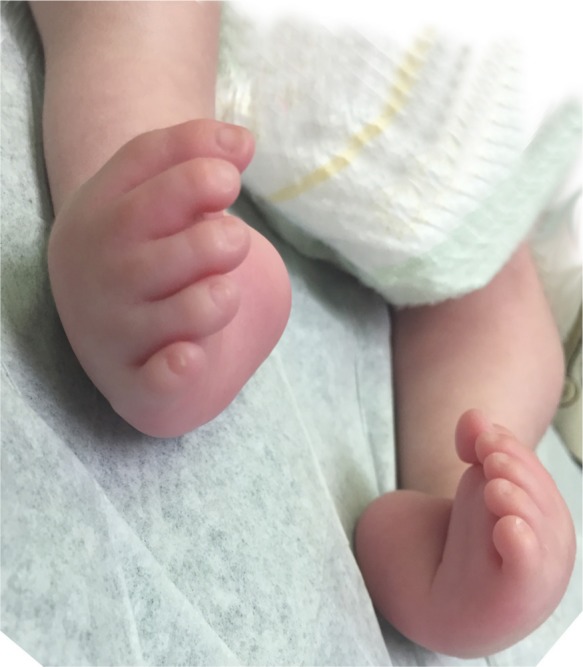
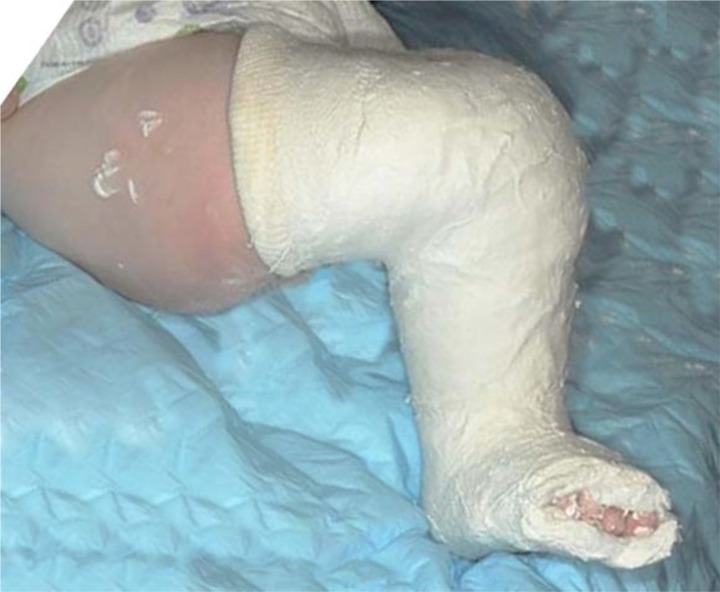
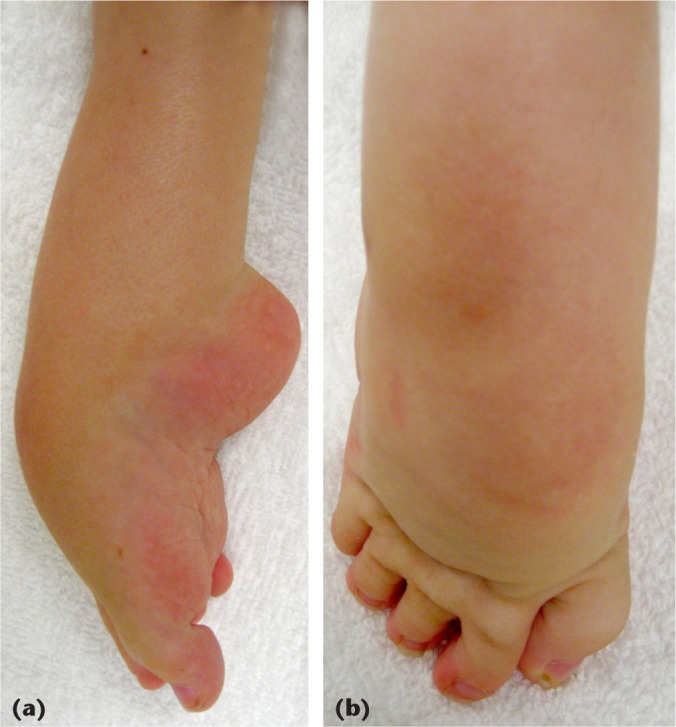
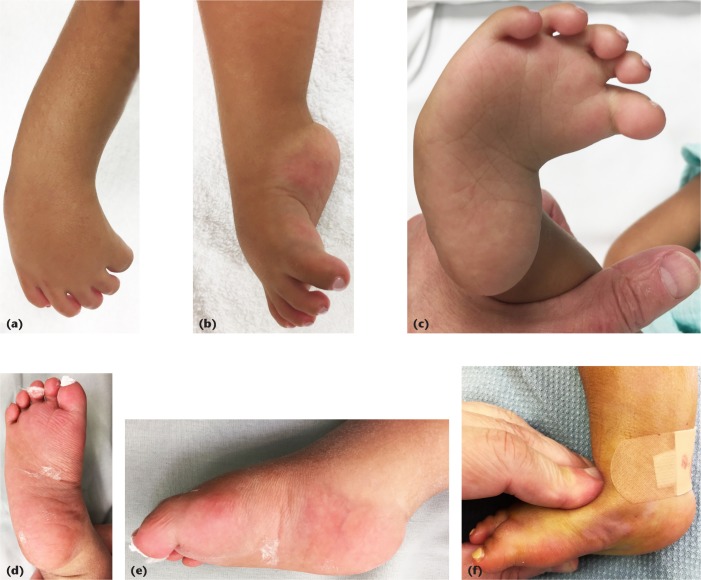
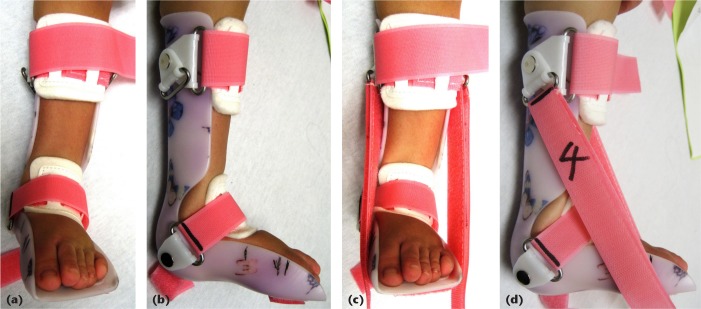
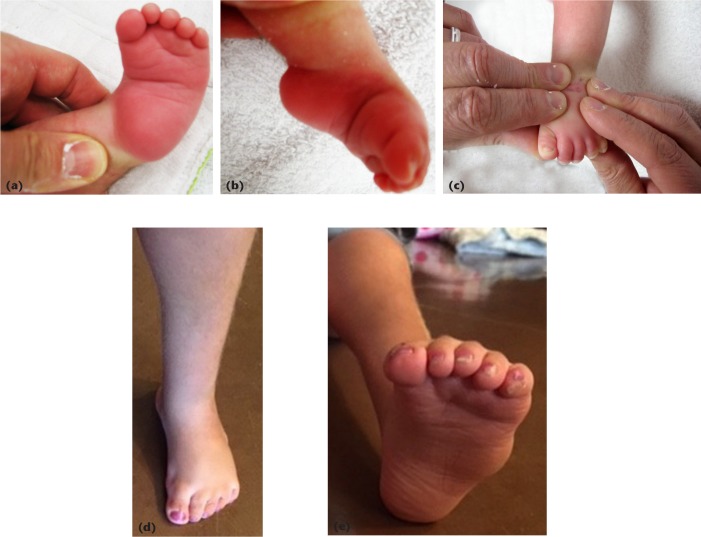
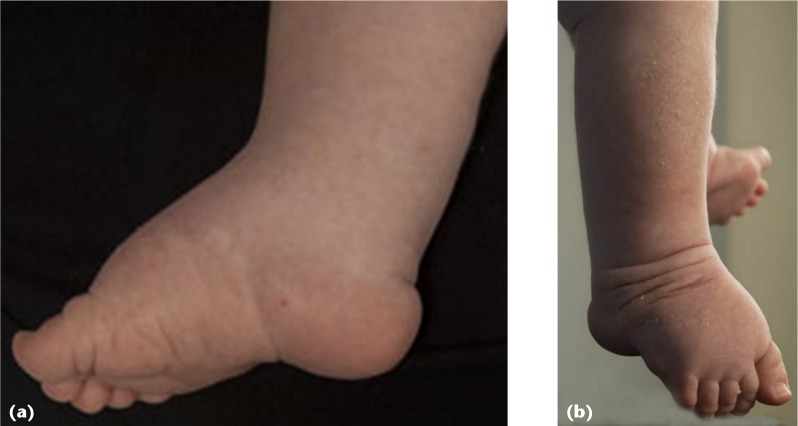
Within the realm of clubfoot deformities, teratologic and complex (or atypical) clubfeet stand out as the most difficult. Exemplarities of the teratologic types of clubfoot are those associated with arthrogryposis multiplex congenita. Treatment of arthrogrypotic clubfoot deformities has been controversial; many different procedures have been advocated, with variable success rates. These clubfeet have a high recurrence rate, regardless of treatment type. Often, the high recurrence rate has led to a high repeat surgery rate, and poor outcomes. Treatment strategies should highlight care that avoids the development of a stiffened foot and allows for a variety of options to regain correction when a relapse occurs. Modifications of the Ponseti method for idiopathic clubfeet have been successful in managing the deformity. The equinocavus variant of the arthrogrypotic clubfoot should be distinguished from the classic clubfoot, as it requires a different treatment method. The equinocavus clubfoot is very similar to the complex or atypical clubfoot. The complex, or atypical, clubfoot also requires a different treatment strategy compared with the typical idiopathic congenital clubfoot. The complex clubfoot appears to be idiopathic in some cases and iatrogenic (due to slipping stretching casts) in others. Dr. Ponseti's modification of his protocol has been effective in treating the deformity. The high recurrence rate suggests the difficulty in maintaining the deformity after correction. The author's preferred treatment for each deformity is included, with an emphasis on minimally invasive methods.
Level V, expert opinion.
在马蹄内翻足畸形领域,畸形型和复杂(或非典型)马蹄内翻足最为棘手。畸形型马蹄内翻足的典型例子是那些与先天性多发性关节挛缩症相关的病例。先天性多发性关节挛缩症马蹄内翻足畸形的治疗一直存在争议;人们提倡了许多不同的手术方法,成功率各不相同。无论采用何种治疗方式,这些马蹄内翻足的复发率都很高。通常,高复发率导致了高再次手术率和不良预后。治疗策略应注重避免足部僵硬的护理,并在复发时提供多种恢复矫正的选择。对特发性马蹄内翻足的庞塞蒂方法进行的改良已成功用于处理该畸形。先天性多发性关节挛缩症马蹄内翻足的高弓内翻足变体应与典型马蹄内翻足区分开来,因为它需要不同的治疗方法。高弓内翻足与复杂或非典型马蹄内翻足非常相似。与典型的特发性先天性马蹄内翻足相比,复杂或非典型马蹄内翻足也需要不同的治疗策略。复杂马蹄内翻足在某些情况下似乎是特发性的,而在其他情况下是医源性的(由于石膏滑脱拉伸)。庞塞蒂医生对其方案的改良已有效治疗了该畸形。高复发率表明矫正后维持畸形存在困难。文中包含了作者对每种畸形的首选治疗方法,重点是微创方法。
V级,专家意见。