Chu Yi-Hsuan, Jang Jyan-Chyun, Huang Zejun, van der Knaap Esther
Department of Horticulture and Crop Science The Ohio State University Wooster Ohio.
Department of Horticulture and Crop Science The Ohio State University Columbus Ohio.
Plant Direct. 2019 Jul 3;3(7):e00142. doi: 10.1002/pld3.142. eCollection 2019 Jul.
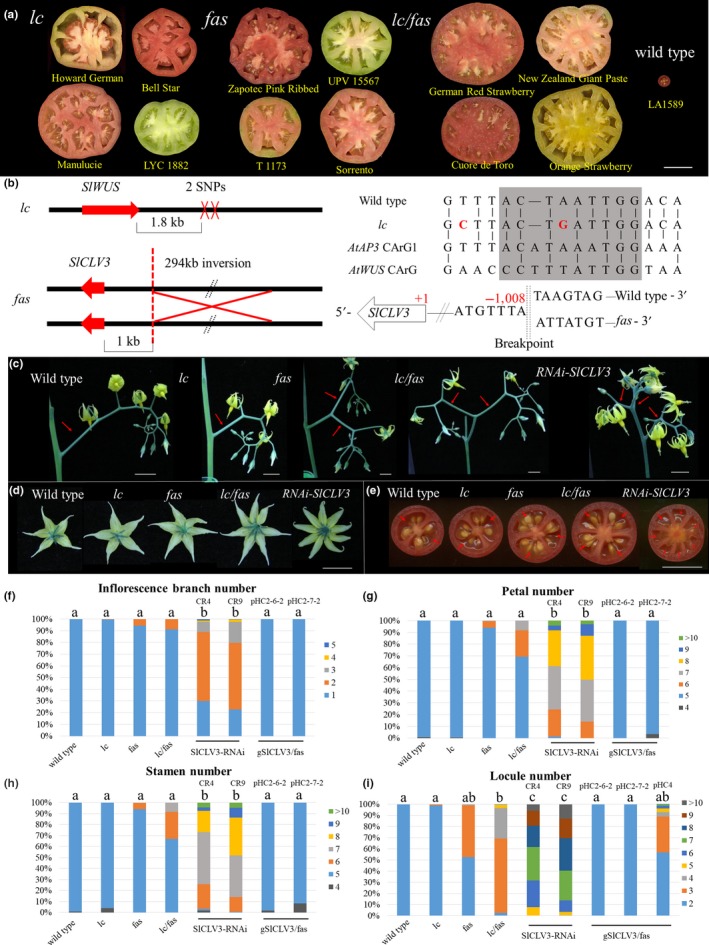
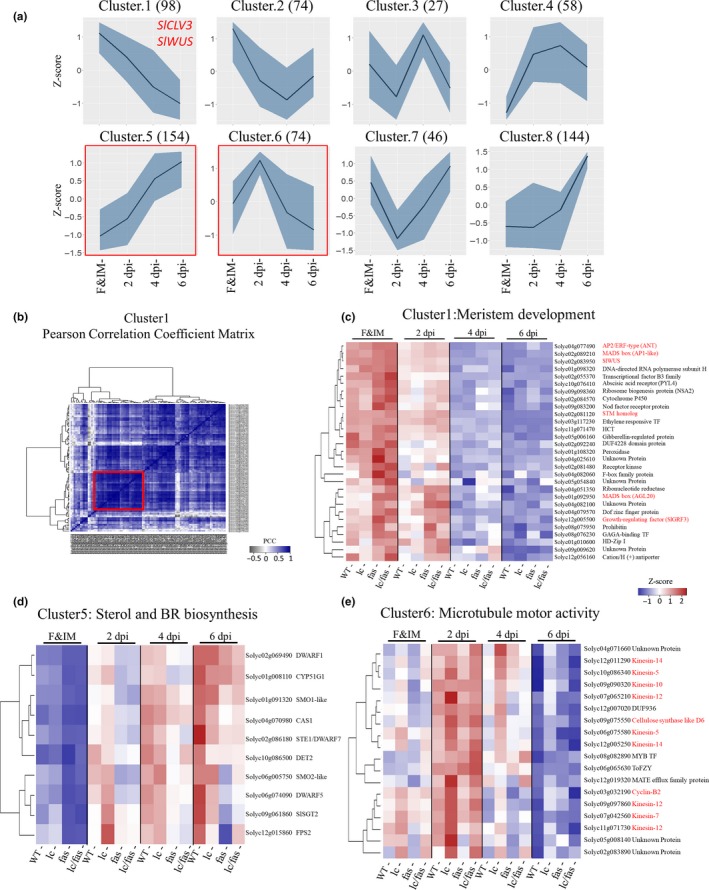
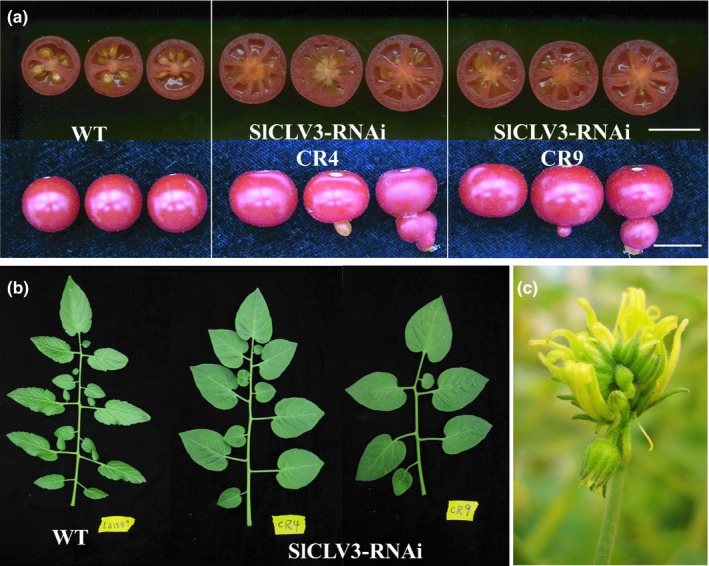
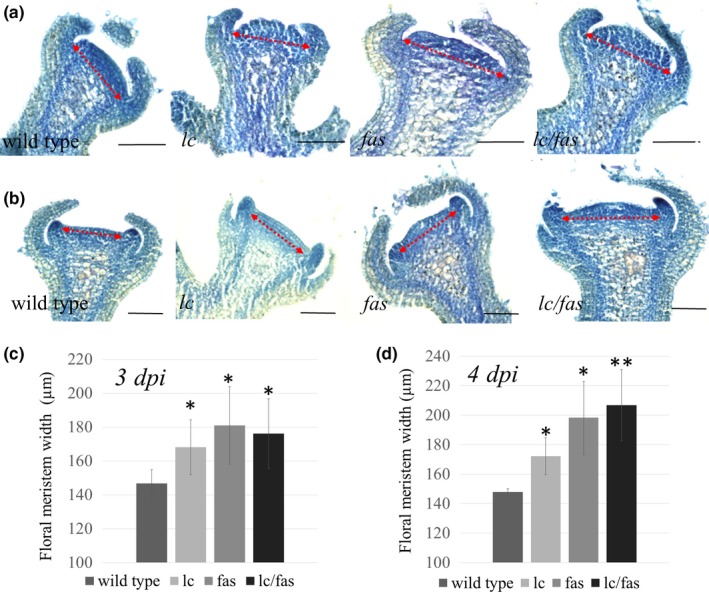
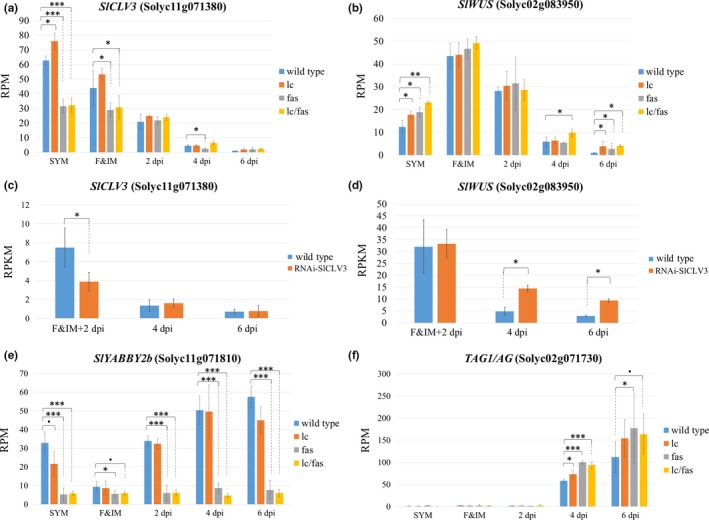
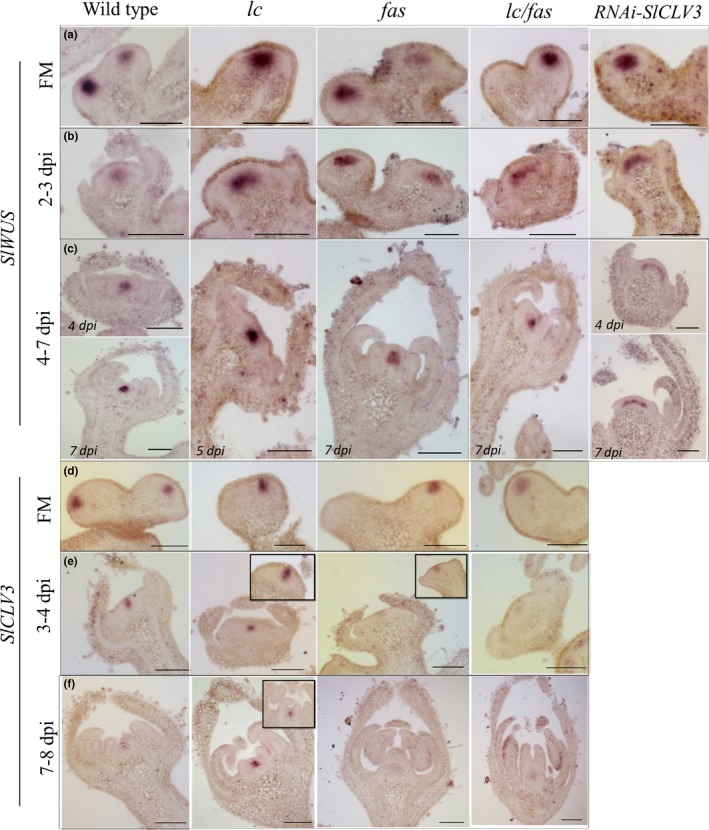
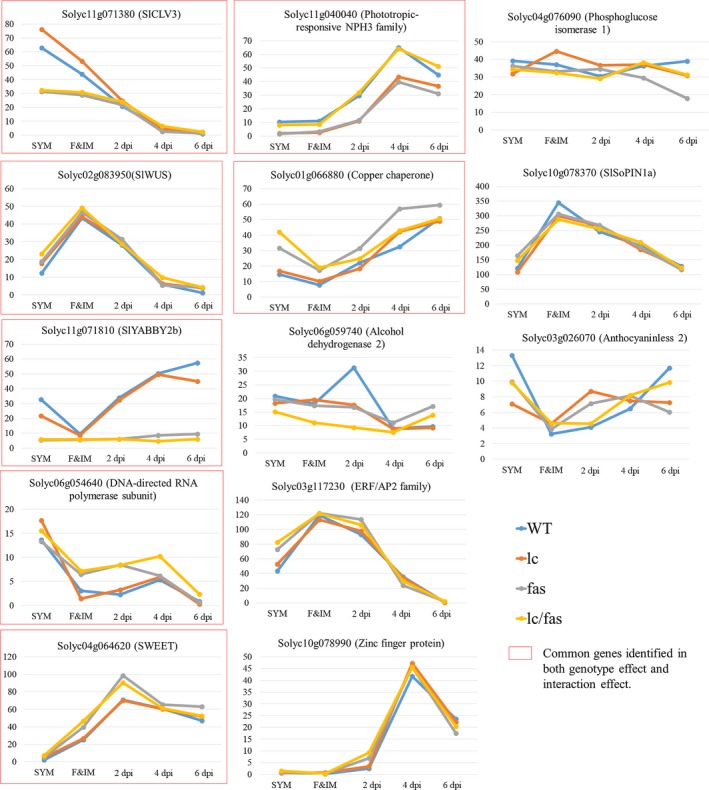
Improving yield by increasing the size of produce is an important selection criterion during the domestication of fruit and vegetable crops. Genes controlling meristem organization and organ formation work in concert to regulate the size of reproductive organs. In tomato, and control locule number, which often leads to enlarged fruits compared to the wild progenitors. is encoded by the tomato ortholog of WUSCHEL (WUS), whereas is encoded by the tomato ortholog of CLAVATA3 (CLV3). The critical role of the WUS-CLV3 feedback loop in meristem organization has been demonstrated in several plant species. We show that mutant alleles for both loci in tomato led to an expansion of the expression domain in young floral buds 2-3 days after initiation. Single and double mutant alleles of and maintain higher expression during the development of the carpel primordia in the floral bud. This augmentation and altered spatial expression of provided a mechanistic basis for the formation of multilocular and large fruits. Our results indicated that and are gain-of-function and partially loss-of-function alleles, respectively, while both mutations positively affect the size of tomato floral meristems. In addition, expression profiling showed that and affected the expression of several genes in biological processes including those involved in meristem/flower development, patterning, microtubule binding activity, and sterol biosynthesis. Several differentially expressed genes co-expressed with have been identified, and they are enriched for functions in meristem regulation. Our results provide new insights into the transcriptional regulation of genes that modulate meristem maintenance and floral organ determinacy in tomato.
通过增大农产品尺寸来提高产量是果蔬作物驯化过程中的一项重要选择标准。控制分生组织组织和器官形成的基因协同作用以调节生殖器官的大小。在番茄中, 和 控制子房室数量,与野生祖先相比,这通常会导致果实增大。 由WUSCHEL(WUS)的番茄直系同源基因编码,而 由CLAVATA3(CLV3)的番茄直系同源基因编码。WUS-CLV3反馈回路在分生组织组织中的关键作用已在几种植物物种中得到证实。我们表明,番茄中这两个位点的突变等位基因导致起始后2-3天幼花芽中 表达域的扩展。 和 的单突变和双突变等位基因在花芽中的心皮原基发育过程中保持较高的 表达。这种 的增强和空间表达的改变为多室大果实的形成提供了机制基础。我们的结果表明, 和 分别是功能获得型和部分功能缺失型等位基因,而这两种突变均对番茄花分生组织的大小产生积极影响。此外,表达谱分析表明, 和 影响了包括分生组织/花发育、模式形成、微管结合活性和甾醇生物合成在内的生物过程中几个基因的表达。已经鉴定出几个与 共表达的差异表达基因,它们在分生组织调节功能上富集。我们的结果为调节番茄分生组织维持和花器官确定性的基因的转录调控提供了新的见解。