Department of Cardiovascular Sciences, University of Leicester, Glenfield Hospital, Leicester, United Kingdom.
Department of Pharmacognosy, Hawler Medical University, Erbil, Iraq.
Front Immunol. 2019 Jun 20;10:1404. doi: 10.3389/fimmu.2019.01404. eCollection 2019.
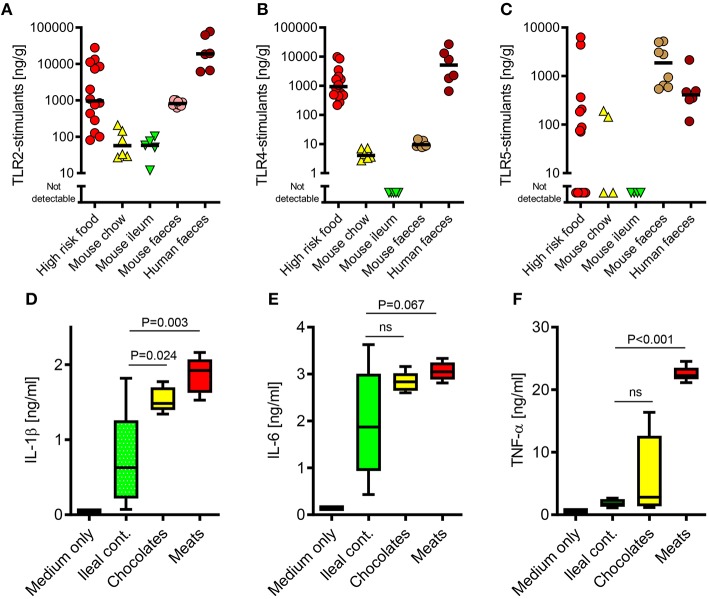
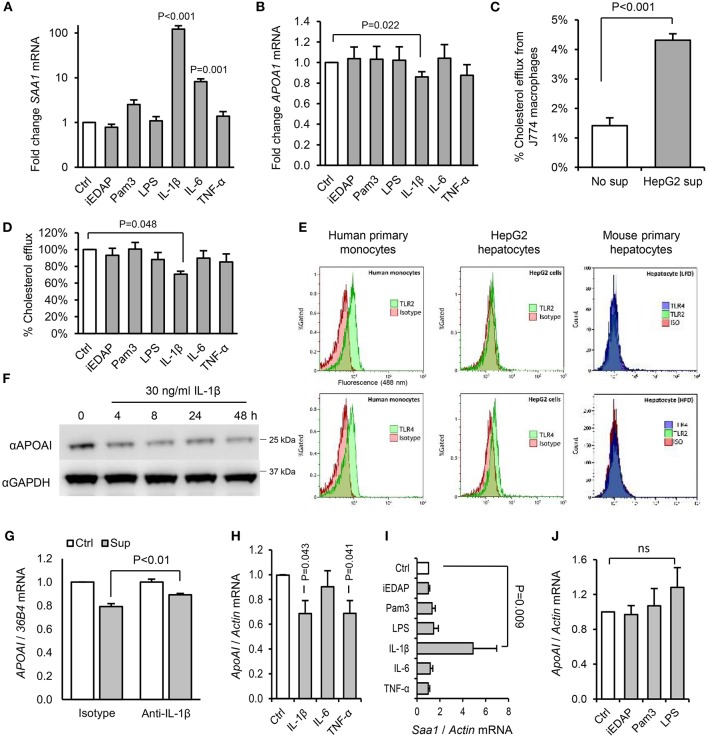
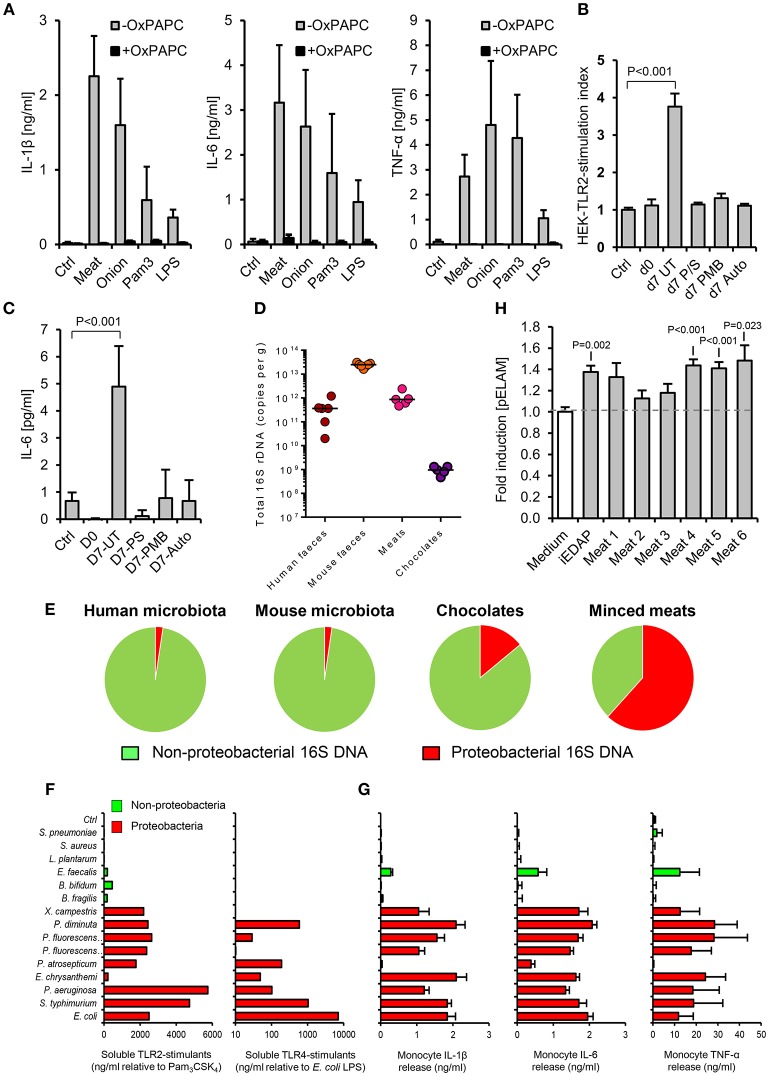
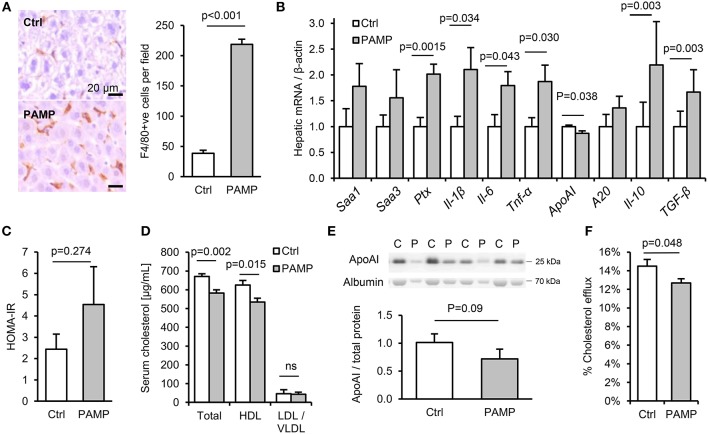
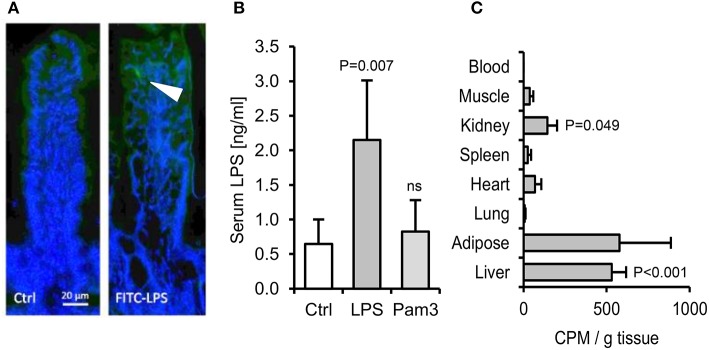
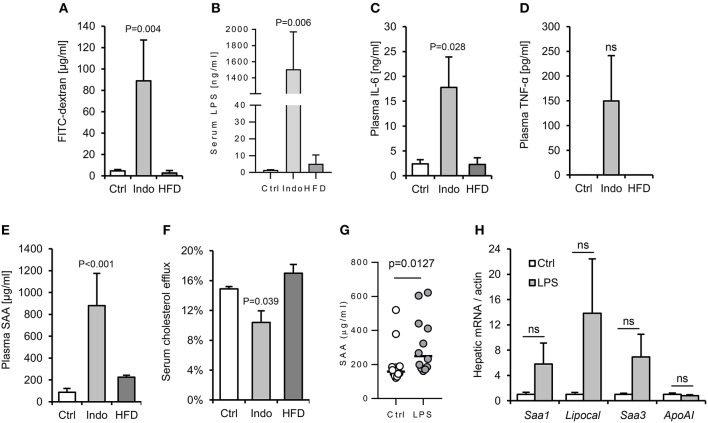
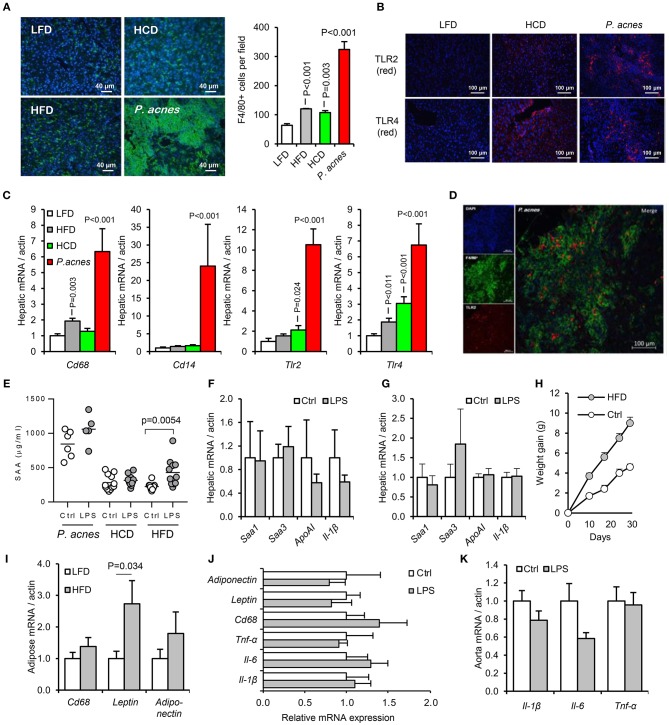
The mechanisms connecting dietary intake of processed foods with systemic inflammatory markers and cardiovascular risk remain poorly defined. We sought to compare the abundance of pro-inflammatory stimulants of innate immune receptors in processed foods with those produced by the murine ileal and caecal microbiota, and to explore the impact of their ingestion on systemic inflammation and lipid metabolism . Calibrated receptor-dependent reporter assays revealed that many processed foods, particularly those based on minced meats, contain pro-inflammatory stimulants of Toll-like receptor (TLR)-2 and TLR4 at concentrations which greatly exceed those produced by the endogenous murine ileal microbiota. Chronic dietary supplementation with these stimulants, at concentrations relevant to those measured in the Western diet, promoted hepatic inflammation and reduced several markers of reverse cholesterol transport (RCT) in mice. Hepatocytes were found to be insensitive to TLR2- and TLR4-stimulants directly, but their secretion of functional cholesterol acceptors was impaired by interleukin (IL)-1β released by TLR-responsive hepatic macrophages. Hepatic macrophage priming by high-fat diet enhanced the impairment of RCT by ingested endotoxin, and this was reversed by macrophage depletion via clodronate liposome treatment, or genetic deficiency in the IL-1 receptor. These findings reveal an unexpected mechanism connecting processed food consumption with cardiovascular risk factors, and introduce the food microbiota as a potential target for therapeutic regulation of lipid metabolism.
加工食品的摄入与系统性炎症标志物和心血管风险之间的关联机制仍不清楚。我们试图比较加工食品中先天免疫受体的促炎刺激物的丰度与肠道微生物群产生的促炎刺激物的丰度,并探讨其摄入对系统性炎症和脂质代谢的影响。经校准的受体依赖性报告基因检测显示,许多加工食品,特别是基于肉末的加工食品,含有大量超过内源性肠道微生物群产生的浓度的 TLR-2 和 TLR-4 的促炎刺激物。以与西方饮食中测量到的浓度相当的浓度长期补充这些刺激物,会促进肝脏炎症,并降低小鼠体内几种胆固醇逆转运 (RCT) 的标志物。研究发现,肝细胞对 TLR2 和 TLR4 刺激物直接不敏感,但它们分泌的功能性胆固醇受体被 TLR 反应性肝巨噬细胞释放的白细胞介素 (IL)-1β 所破坏。高脂肪饮食对肝巨噬细胞的预激活增强了摄入内毒素对 RCT 的损害,而通过氯膦酸盐脂质体处理或 IL-1 受体的基因缺失来耗尽巨噬细胞可逆转这种损害。这些发现揭示了一种将加工食品消费与心血管风险因素联系起来的意外机制,并提出了食物微生物群作为治疗性调节脂质代谢的潜在靶点。