Lineberger Comprehensive Cancer Center, University of North Carolina at Chapel Hill, Chapel Hill, NC 27599.
Department of Biology, University of North Carolina at Chapel Hill, Chapel Hill, NC 27599.
Mol Biol Cell. 2019 Aug 15;30(18):2399-2421. doi: 10.1091/mbc.E19-05-0302. Epub 2019 Jul 18.
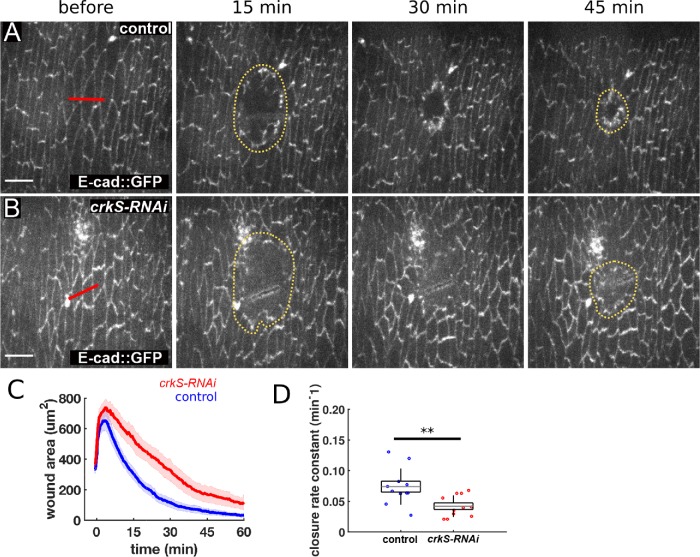
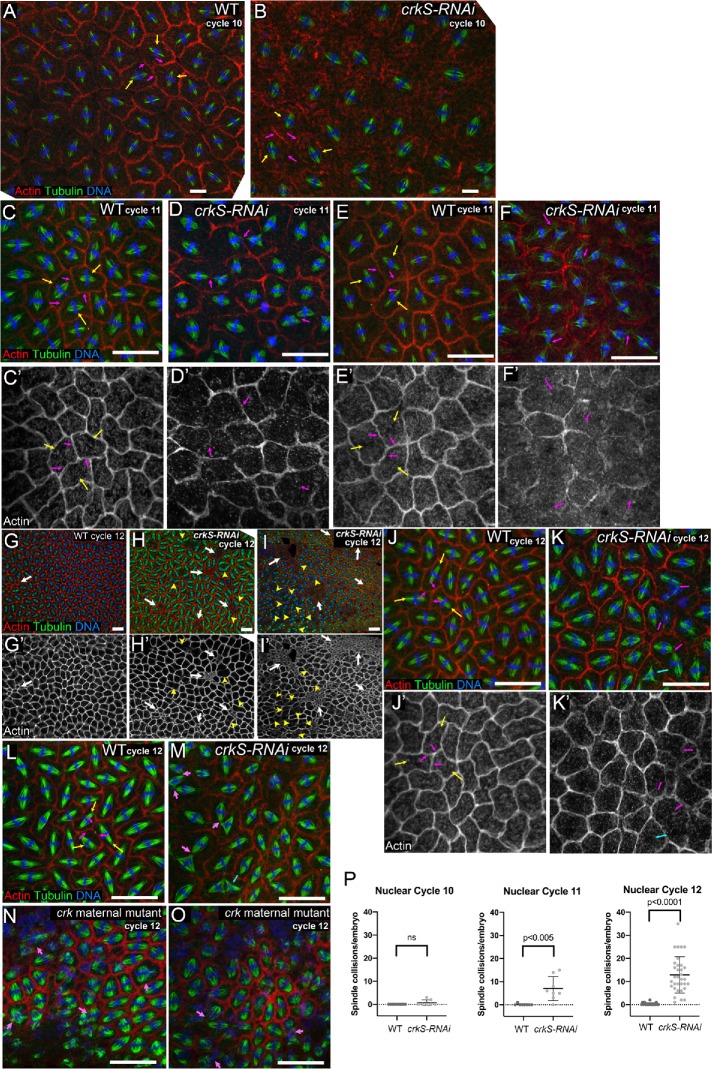
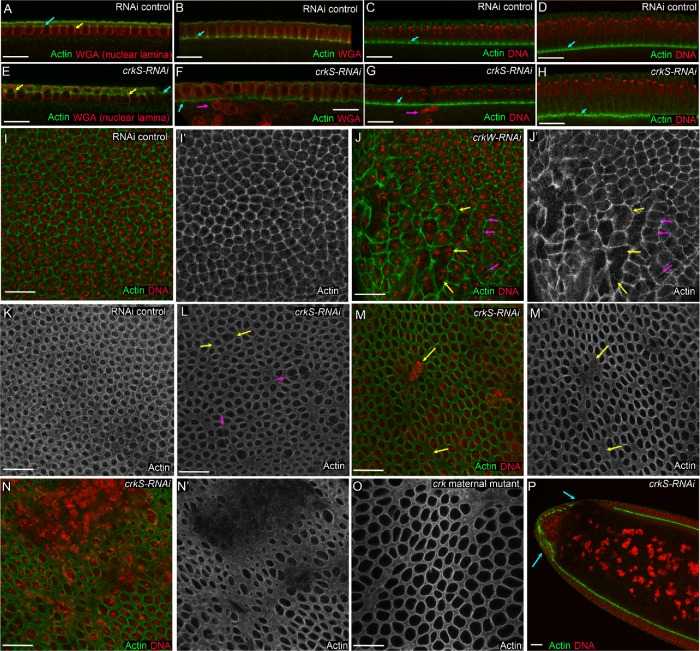
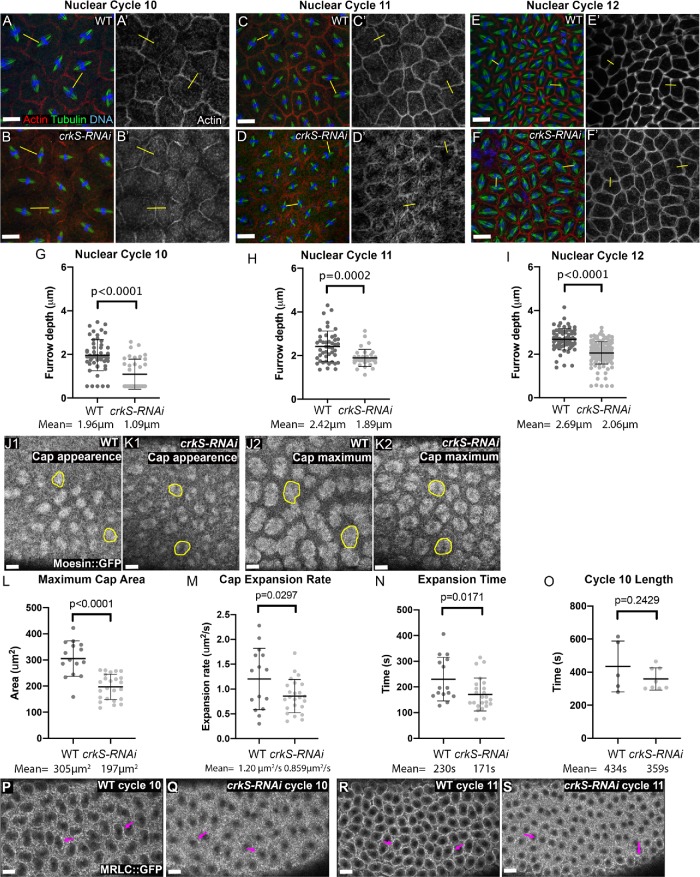
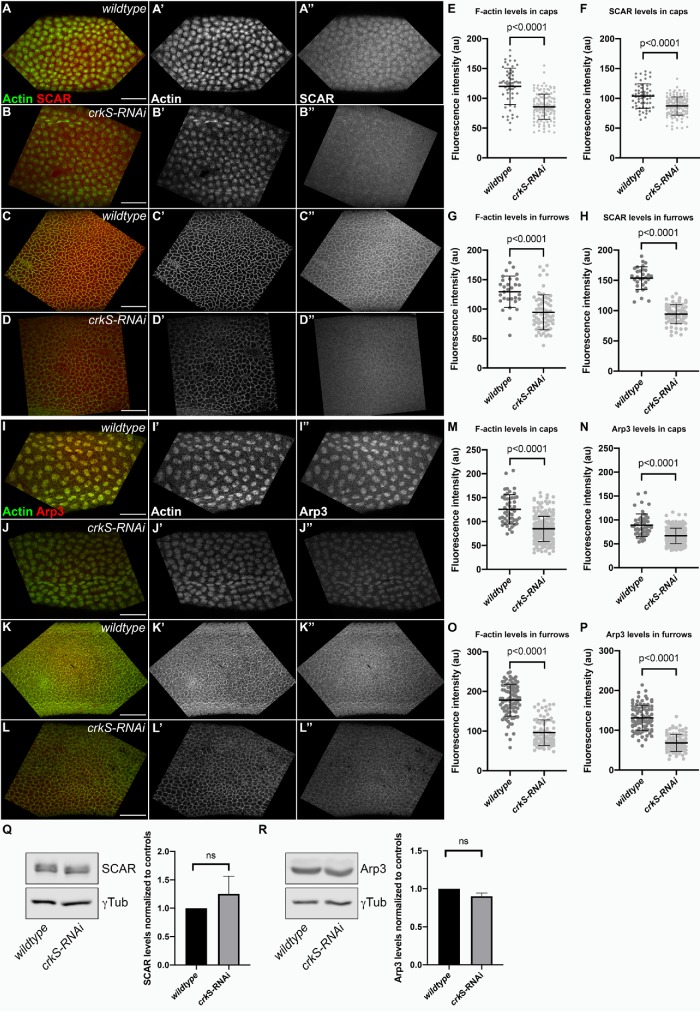
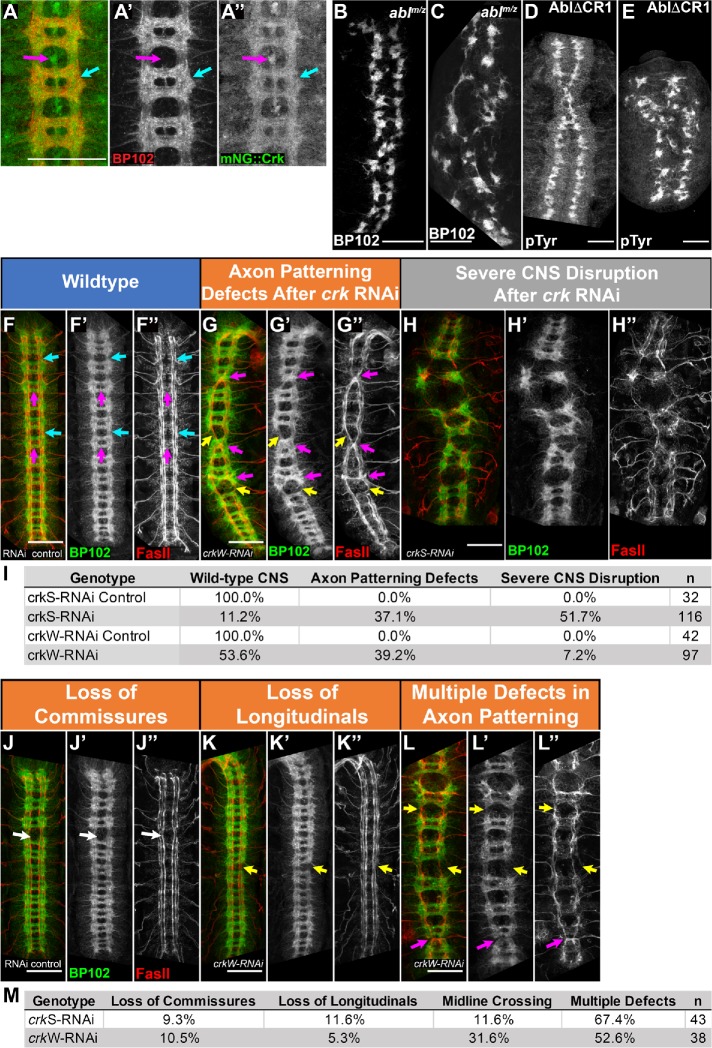
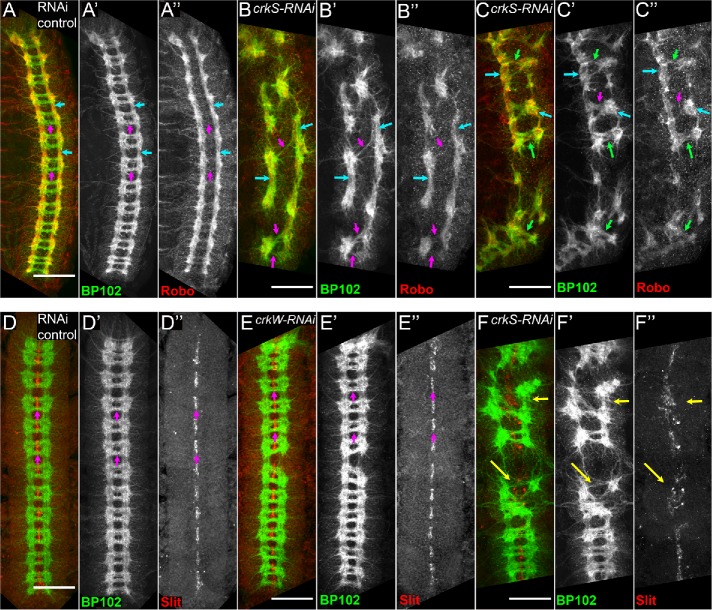
Small Src homology domain 2 (SH2) and 3 (SH3) adapter proteins regulate cell fate and behavior by mediating interactions between cell surface receptors and downstream signaling effectors in many signal transduction pathways. The CT10 regulator of kinase (Crk) family has tissue-specific roles in phagocytosis, cell migration, and neuronal development and mediates oncogenic signaling in pathways like that of Abelson kinase. However, redundancy among the two mammalian family members and the position of the gene on the fourth chromosome precluded assessment of Crk's full role in embryogenesis. We circumvented these limitations with short hairpin RNA and CRISPR technology to assess Crk's function in morphogenesis. We found that Crk is essential beginning in the first few hours of development, where it ensures accurate mitosis by regulating orchestrated dynamics of the actin cytoskeleton to keep mitotic spindles in syncytial embryos from colliding. In this role, it positively regulates cortical localization of the actin-related protein 2/3 complex (Arp2/3), its regulator suppressor of cAMP receptor (SCAR), and filamentous actin to actin caps and pseudocleavage furrows. Crk loss leads to the loss of nuclei and formation of multinucleate cells. We also found roles for Crk in embryonic wound healing and in axon patterning in the nervous system, where it localizes to the axons and midline glia. Thus, Crk regulates diverse events in embryogenesis that require orchestrated cytoskeletal dynamics.
小 Src 同源结构域 2(SH2)和 3(SH3)衔接蛋白通过介导细胞表面受体与许多信号转导途径中下游信号效应物之间的相互作用,调节细胞命运和行为。CT10 激酶调节因子(Crk)家族在吞噬作用、细胞迁移和神经元发育中具有组织特异性作用,并介导 Abelson 激酶途径等致癌信号。然而,两种哺乳动物家族成员之间的冗余性以及基因在第四号染色体上的位置,排除了评估 Crk 在胚胎发生中的全部作用的可能性。我们使用短发夹 RNA 和 CRISPR 技术来评估 Crk 在形态发生中的作用,从而克服了这些限制。我们发现,Crk 从发育的最初几个小时开始就是必不可少的,它通过调节肌动球蛋白细胞骨架的协调动力学来确保有丝分裂的准确性,使有丝分裂纺锤体在合胞胚胎中保持同步,避免碰撞。在这个角色中,它正向调节肌动蛋白相关蛋白 2/3 复合物(Arp2/3)、其调节剂环腺苷酸受体抑制因子(SCAR)和丝状肌动蛋白到肌动蛋白帽和假切割沟的皮质定位。Crk 的缺失会导致细胞核丢失和多核细胞的形成。我们还发现 Crk 在胚胎伤口愈合和神经系统中的轴突模式形成中发挥作用,在那里它定位于轴突和中线胶质细胞。因此,Crk 调节胚胎发生中需要协调细胞骨架动力学的多种事件。