Nano-Oncology Unit, Translational Medical Oncology Group, Health Research Institute of Santiago de Compostela (IDIS), SERGAS, Choupana Street s/n, 15706, Santiago de Compostela, Spain.
University of Santiago de Compostela (USC), Santiago de Compostela, Spain.
J Nanobiotechnology. 2019 Jul 18;17(1):85. doi: 10.1186/s12951-019-0517-8.
Lack of effective tumor-specific delivery systems remains an unmet clinical challenge for successful translation of innovative therapies, such as, therapeutic oligonucleotides. In the past decade, exosomes have been suggested to be ideal drug delivery systems with application in a broad range of pathologies including cancer, due to their organotropic properties. Tumor-derived exosomes, having tumor-homing properties, can efficiently reach cancer cells and therefore behave as carriers for improved drug delivery to the primary tumor and metastases. However, due to their complex composition, and still undefined biological functions, safety concerns arise hampering their translation to the clinics.
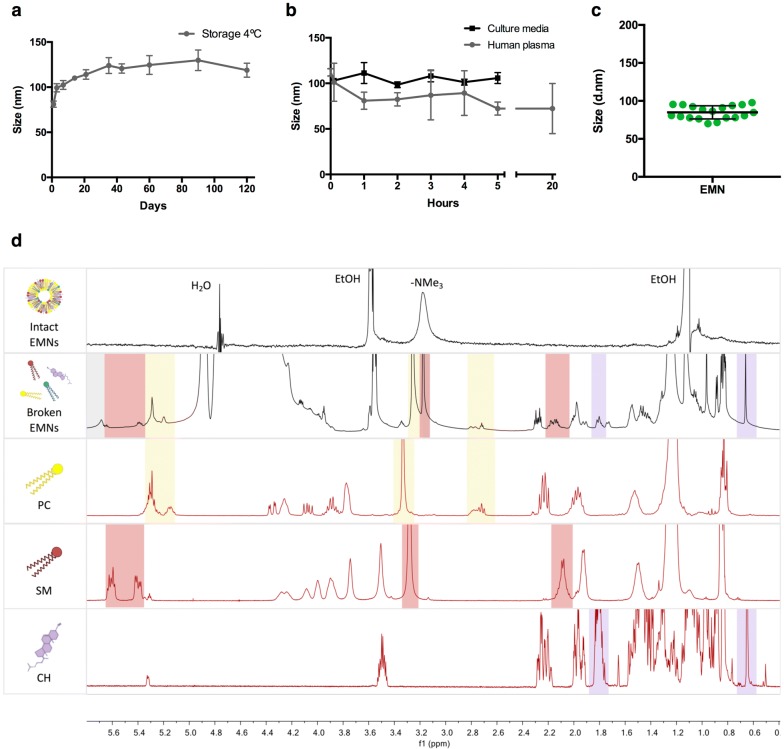
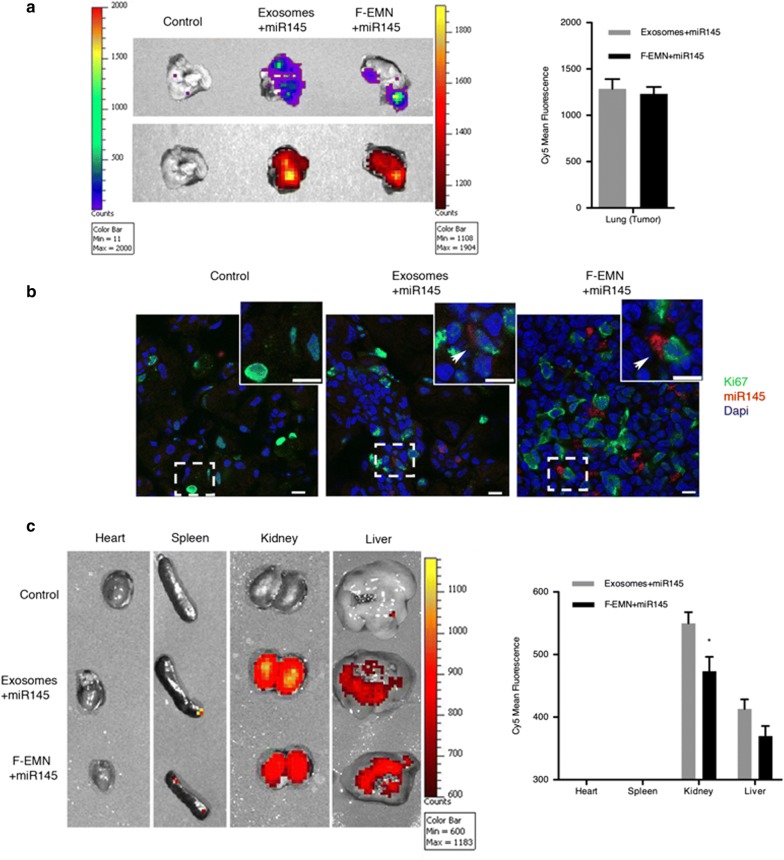
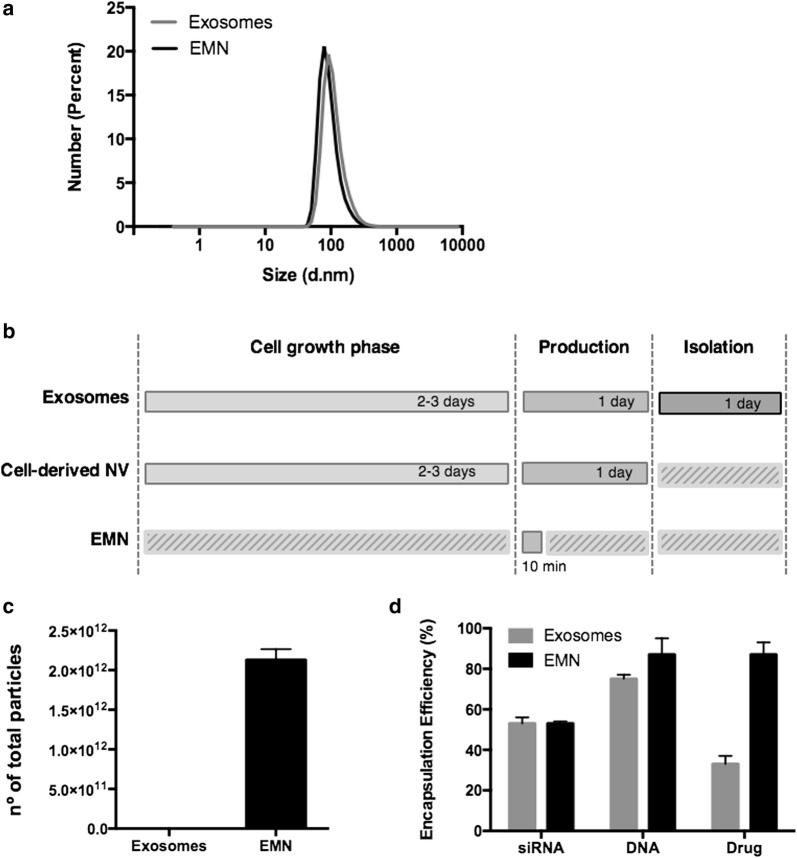
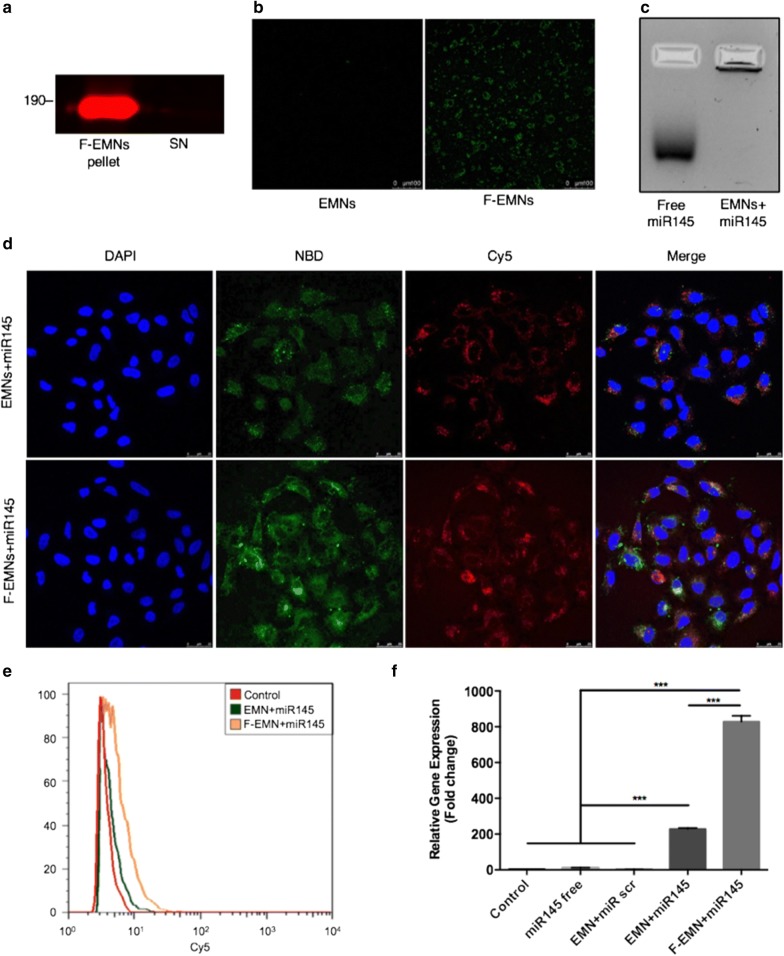
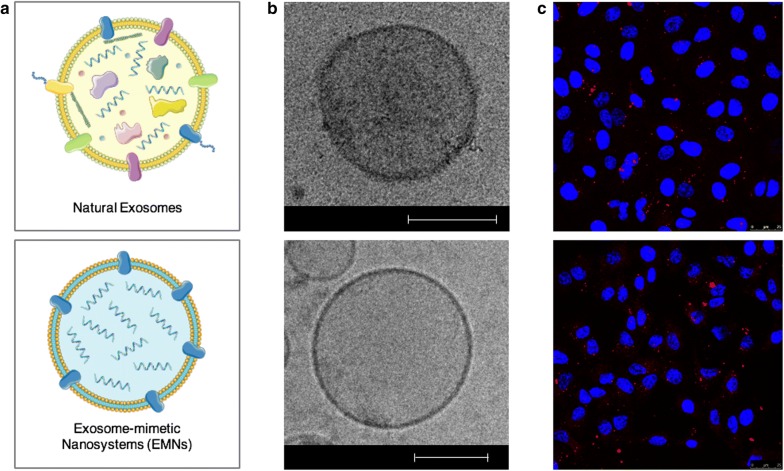
We propose here the development of exosome-mimetic nanosystems (EMNs) that simulate natural tumor-derived exosomes with respect to their structure and functionality, but with a controlled composition, for the targeted delivery of therapeutic oligonucleotides to lung adenocarcinoma cells (microRNA-145 mimics). Making use of the well-known liposome technology, EMNs can be engineered, loaded with the therapeutic compounds, and tailored with specific proteins (integrin α6β4) providing them organotropic properties. EMNs show great similarities to natural exosomes with respect to their physicochemical properties, drug loading capacity, and ability to interact with the cancer target cells in vitro and in vivo, but are easier to manufacture, can be produced at high yields, and are safer by definition.
We have designed a multifunctional nanoplatform mimicking exosomes, EMNs, and proved their potential to reach cancer cells with a similar efficient that tumor-derived exosomes but providing important advantages in terms of production methodology and regulations. Additionally, EMNs are highly versatile systems that can be tunable for a broader range of applications.
缺乏有效的肿瘤特异性递送系统仍然是成功转化创新疗法(如治疗性寡核苷酸)的临床挑战。在过去的十年中,由于其器官靶向特性,外泌体被认为是理想的药物递送系统,可应用于包括癌症在内的广泛病理疾病。肿瘤来源的外泌体具有肿瘤归巢特性,能够有效地到达癌细胞,因此可作为载体,提高药物向原发性肿瘤和转移灶的递送效率。然而,由于其复杂的组成和尚未明确的生物学功能,安全性问题的出现阻碍了其向临床的转化。
我们在这里提出了外泌体模拟纳米系统(EMNs)的开发,这些系统在结构和功能上模拟天然肿瘤来源的外泌体,但具有可控的组成,用于靶向递送至肺腺癌细胞(miR-145 模拟物)的治疗性寡核苷酸。利用众所周知的脂质体技术,可以对 EMNs 进行工程设计,负载治疗化合物,并通过特定的蛋白质(整合素 α6β4)进行修饰,赋予其器官靶向特性。EMNs 在物理化学性质、药物载量以及与体外和体内癌细胞相互作用的能力方面与天然外泌体非常相似,但更容易制造,产量更高,并且在定义上更安全。
我们设计了一种多功能纳米平台来模拟外泌体,即 EMNs,并证明了它们具有与肿瘤来源的外泌体相似的高效递送至癌细胞的潜力,但在生产方法和法规方面具有重要优势。此外,EMNs 是高度多功能的系统,可以针对更广泛的应用进行调整。