Department of Health Management and Division of Physical Examination, The First Affiliated Hospital of Guangxi Medical University, Nanning, Guangxi Zhuang Autonomous Region 530021, P.R. China.
Department of Hepatobiliary Surgery, The First Affiliated Hospital of Guangxi Medical University, Nanning, Guangxi Zhuang Autonomous Region 530021, P.R. China.
Oncol Rep. 2019 Sep;42(3):1017-1034. doi: 10.3892/or.2019.7236. Epub 2019 Jul 16.
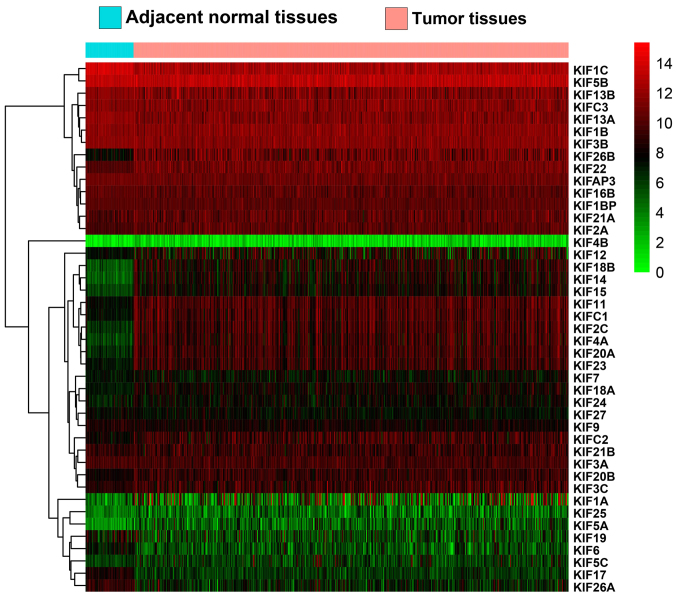
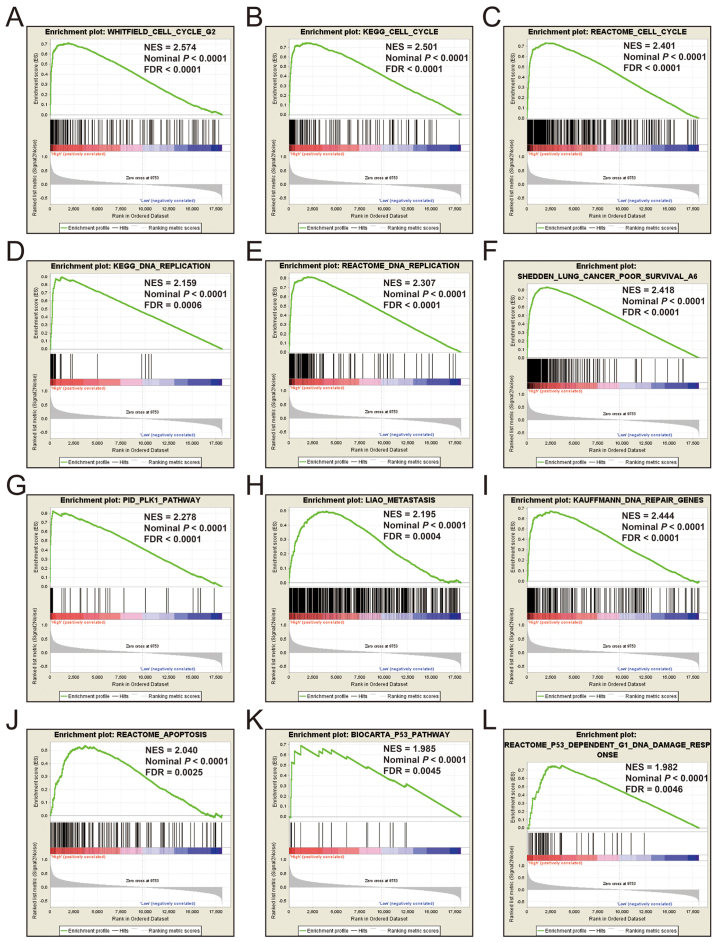
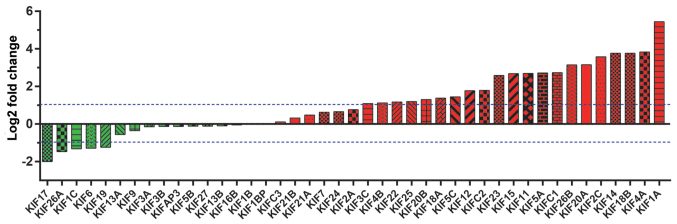
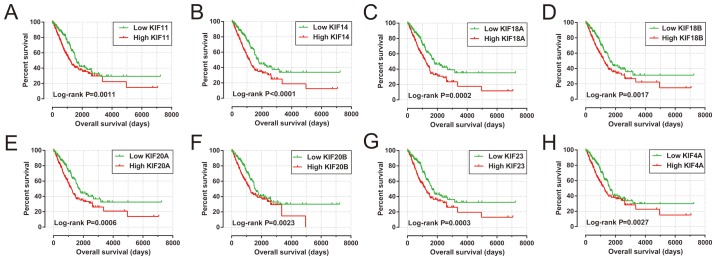
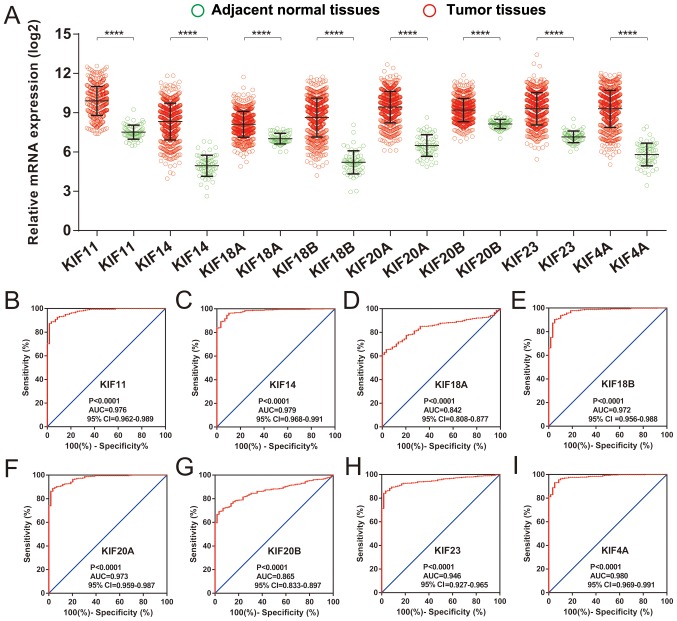
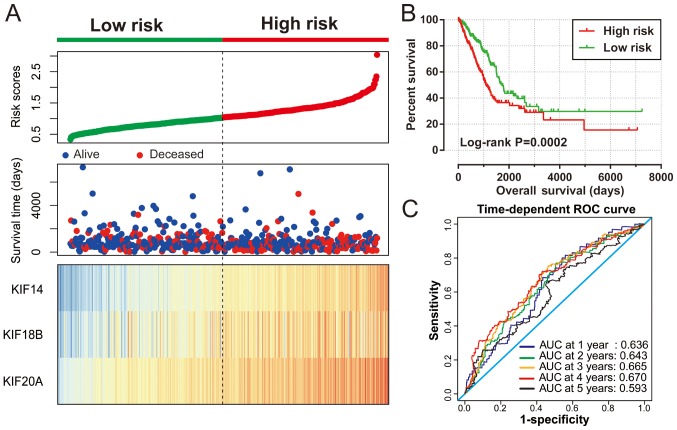
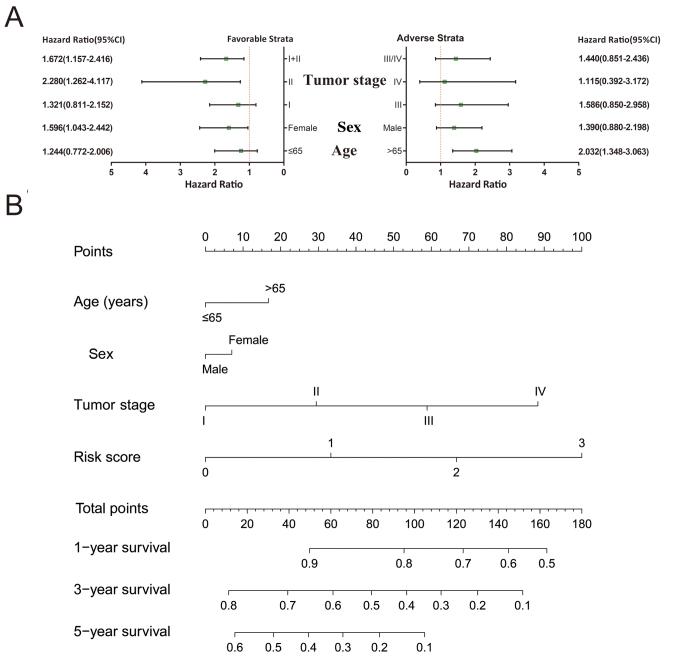
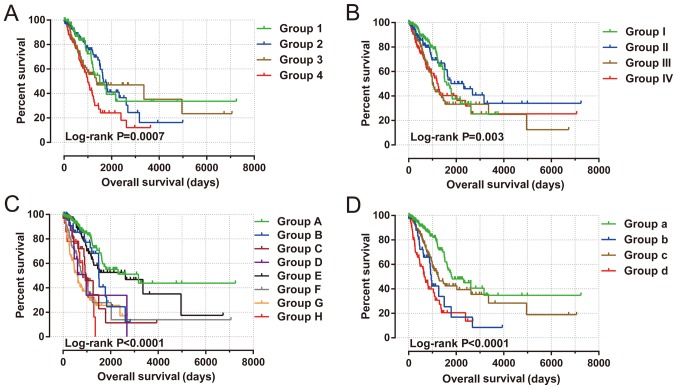
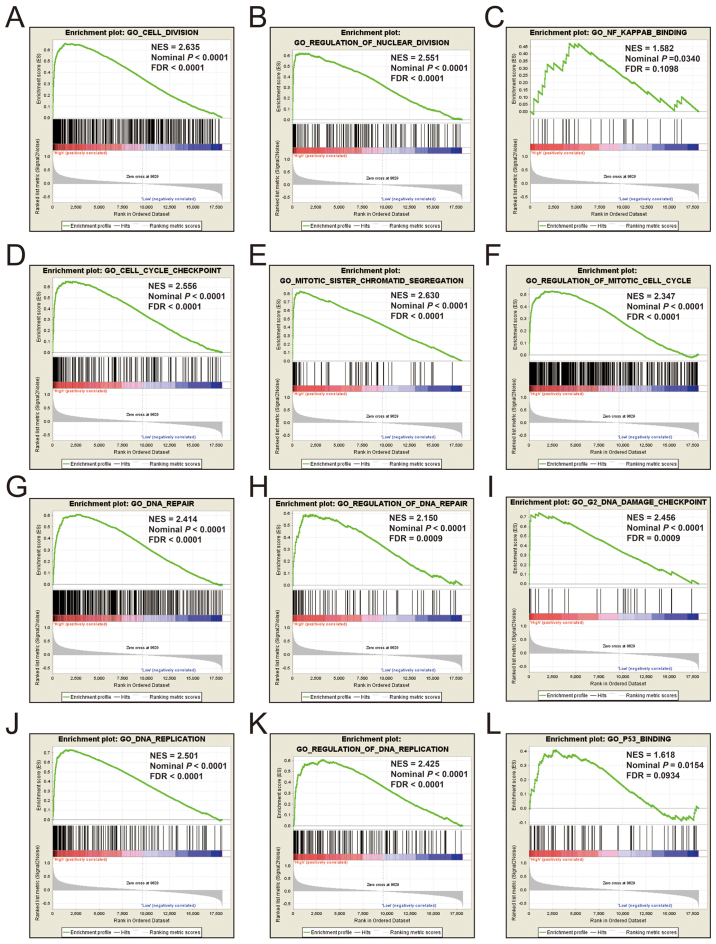
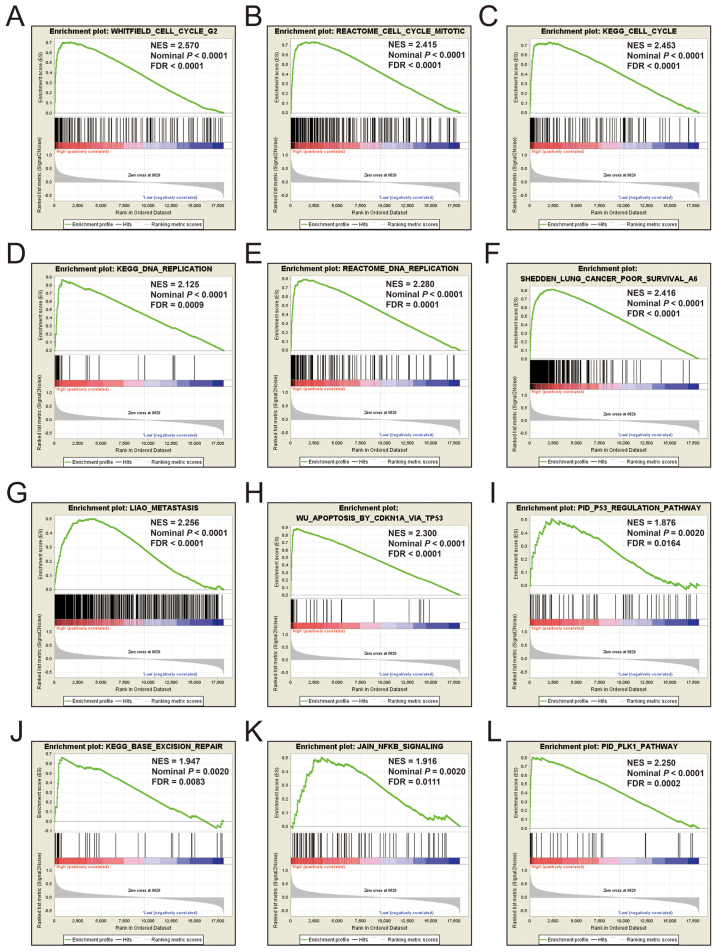
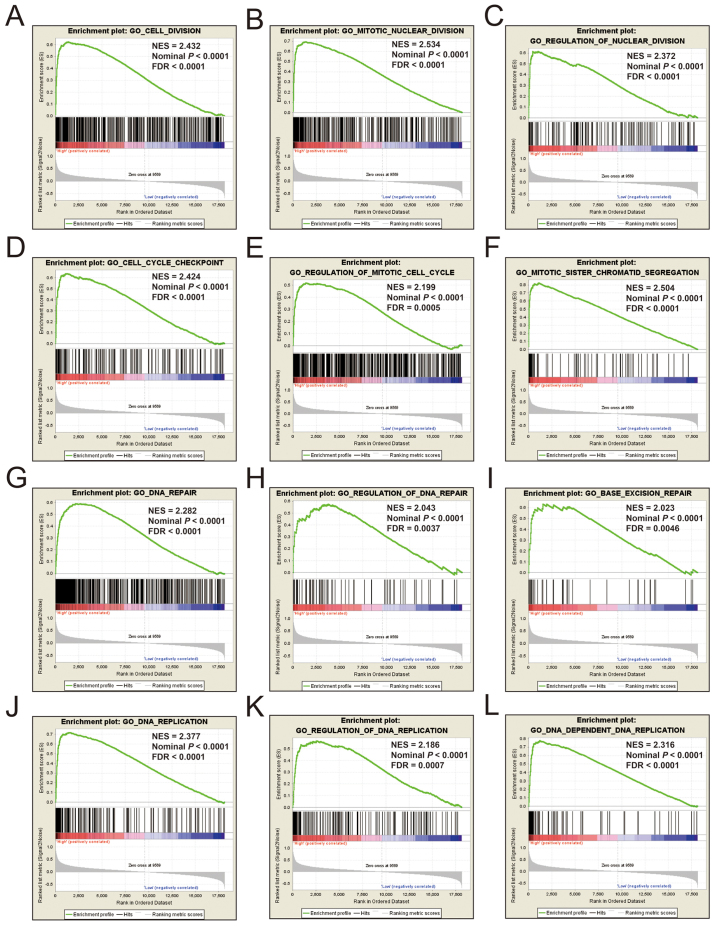
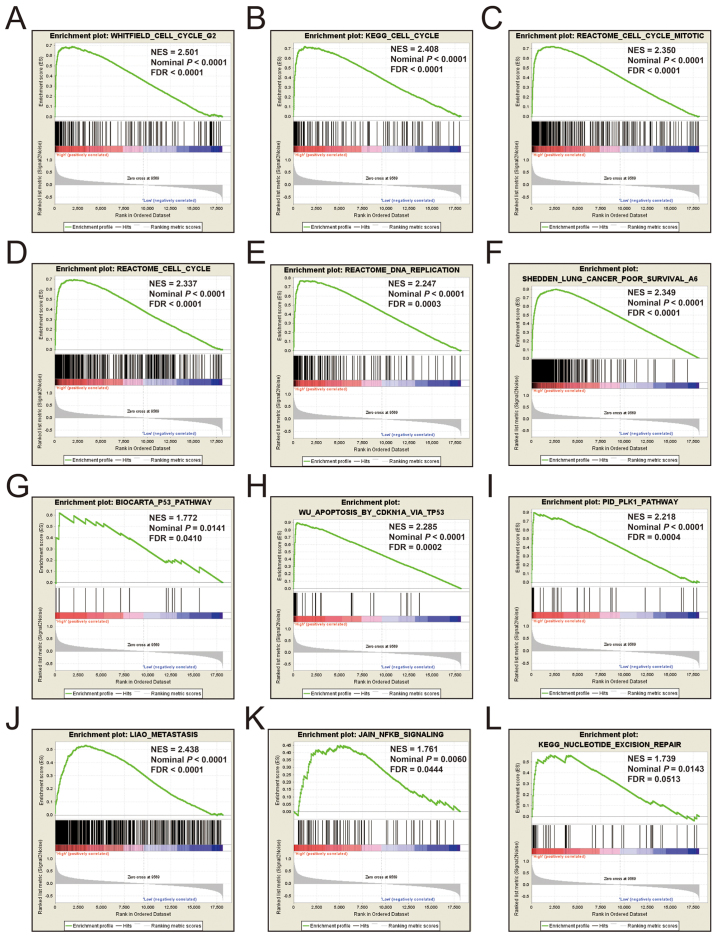
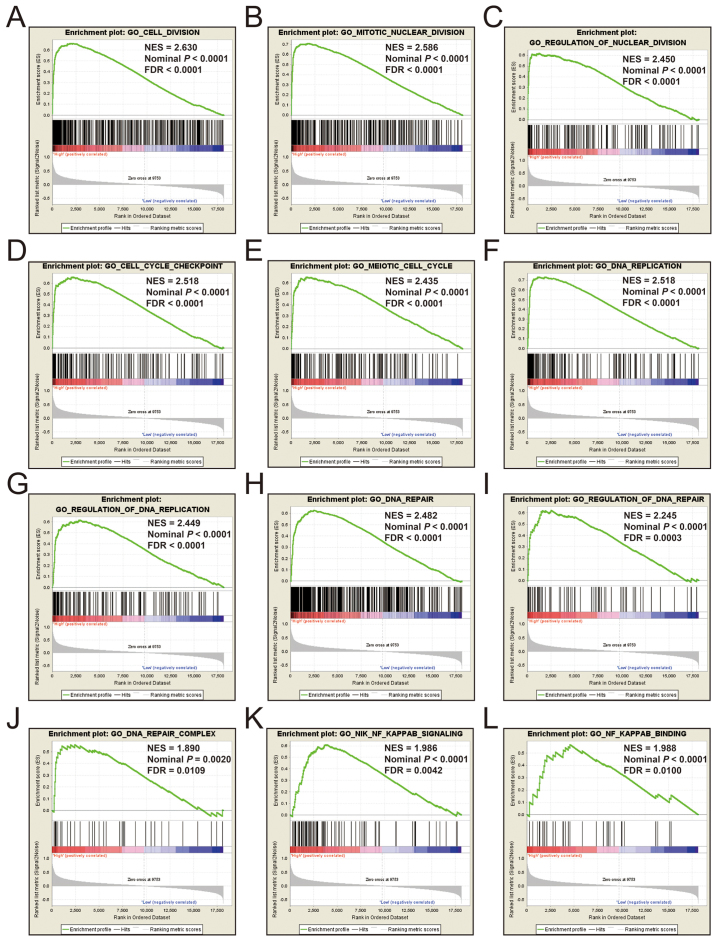
The current study aimed to identify the potential clinical significance and molecular mechanisms of kinesin (KIF) family member genes in lung adenocarcinoma (LUAD) using genome‑wide RNA sequencing (RNA‑seq) datasets derived from The Cancer Genome Atlas (TCGA) database. Clinical parameters and RNA‑seq data of patients with LUAD from the TCGA database enabled the assessment of the clinical significance of KIF genes, while the potential mechanisms of their interactions in LUAD were investigated by gene set enrichment analysis (GSEA). A gene signature with potential prognostic value was constructed via a stepwise multivariable Cox analysis. In total, 23 KIF genes were identified to be differentially expressed genes (DEGs) between the LUAD tumor and adjacent non‑cancerous tissues. Of these, 8 differentially expressed KIF genes were strongly found to be strongly associated with the overall survival of patients with LUAD. Three of these genes were found to be able to be grouped as a potential prognostic gene signature. Patients with higher risk scores calculated using this gene signature were found to have a markedly higher risk of mortality (adjusted P=0.003; adjusted HR, 1.576; 95% CI, 1.166‑2.129). Time‑dependent receiver operating characteristic analysis indicated that this prognostic signature was able to accurately predict patient prognosis with an area under curve of 0.636, 0.643,0.665, 0.670 and 0.593 for the 1‑, 2‑, 3‑, 4‑ and 5‑year survival, respectively. This prognostic gene signature was identified as an independent risk factor for LUAD and was able to more accurately predict prognosis in comparison to other known clinical parameters, as shown via comprehensive survival analysis. GSEA enrichment revealed that that KIF14, KIF18B and KIF20A mediated basic cell physiology through the regulation of the cell cycle, DNA replication, and DNA repair biological processes and pathways. On the whole, the findings of this study identified 23 KIF genes that were DEGs between LUAD tumor and adjacent non‑cancerous tissues. In total, 8 of these genes had the potential to function as prognostic and diagnostic biomarkers in patients with LUAD.
本研究旨在使用来自癌症基因组图谱(TCGA)数据库的全基因组 RNA 测序(RNA-seq)数据集,鉴定驱动蛋白(KIF)家族成员基因在肺腺癌(LUAD)中的潜在临床意义和分子机制。TCGA 数据库中 LUAD 患者的临床参数和 RNA-seq 数据可用于评估 KIF 基因的临床意义,而通过基因集富集分析(GSEA)则可研究它们在 LUAD 中相互作用的潜在机制。通过逐步多变量 Cox 分析构建了具有潜在预后价值的基因特征。总共鉴定出 23 个 KIF 基因在 LUAD 肿瘤与相邻非癌组织之间存在差异表达。其中,有 8 个差异表达的 KIF 基因与 LUAD 患者的总生存率强烈相关。其中 3 个基因被发现可以组合成一个潜在的预后基因特征。使用该基因特征计算的风险评分较高的患者,其死亡率明显升高(调整 P=0.003;调整 HR,1.576;95%CI,1.166-2.129)。时间依赖性接收者操作特征分析表明,该预后特征能够以 0.636、0.643、0.665、0.670 和 0.593 的曲线下面积准确预测患者的预后,分别为 1、2、3、4 和 5 年生存率。该预后基因特征被确定为 LUAD 的独立危险因素,与其他已知的临床参数相比,它能够更准确地预测预后,通过综合生存分析可以得到证明。GSEA 富集显示,KIF14、KIF18B 和 KIF20A 通过调节细胞周期、DNA 复制和 DNA 修复等生物学过程和途径,介导基本细胞生理学。总的来说,本研究确定了 23 个在 LUAD 肿瘤与相邻非癌组织之间存在差异表达的 KIF 基因。其中,有 8 个基因具有作为 LUAD 患者预后和诊断生物标志物的潜力。