Lowenthal J W, Böhnlein E, Ballard D W, Greene W C
Howard Hughes Medical Institute, Department of Medicine, Duke University Medical Center, Durham 27710.
Proc Natl Acad Sci U S A. 1988 Jun;85(12):4468-72. doi: 10.1073/pnas.85.12.4468.
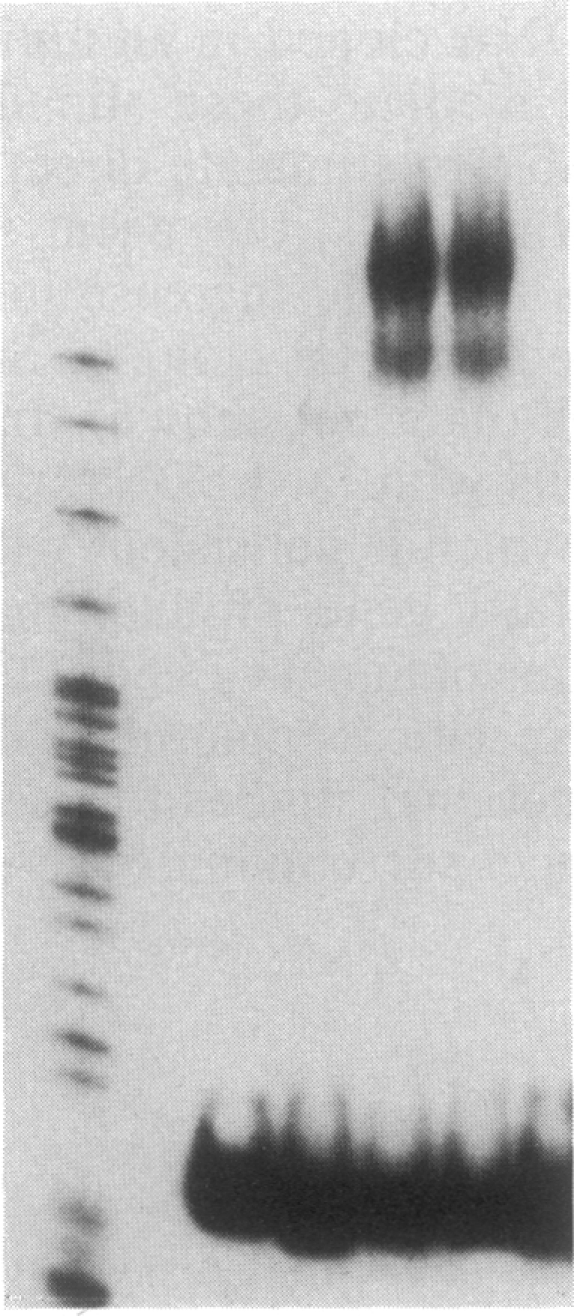
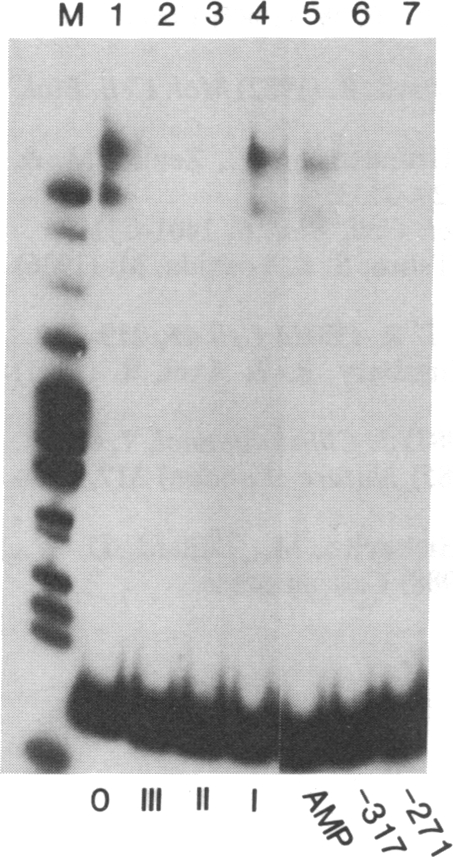
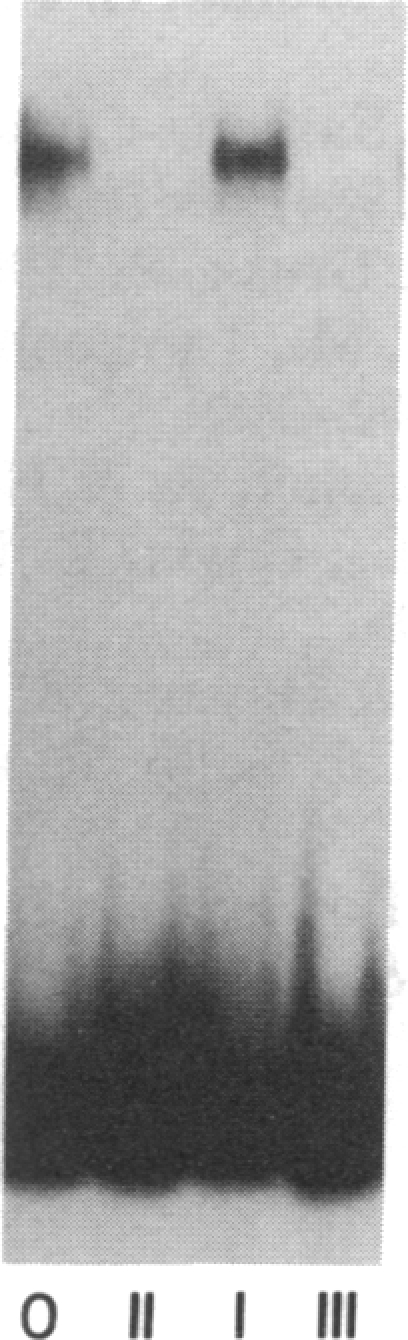
Transfection of deleted forms of the human interleukin 2 receptor alpha subunit (IL-2R alpha; also called CD25 or Tac antigen) gene (IL2RA) promoter revealed a requirement for sequences 3' of base -317 for phytohemagglutinin- and phorbol 12-myristate 13-acetate (PMA)-induced promoter activation in CD4+ Jurkat T cells. In contrast, sequences 3' of base -271 were sufficient for promoter induction in CD4-/CD8- YT-1 T cells or Jurkat cells expressing the transactivator protein (tat-I) of human T-cell lymphotropic virus type I (HTLV-I). Gel retardation assays revealed that nuclear extracts from induced, but not uninduced, Jurkat and YT-1 cells mediated the formation of two specific DNA-protein complexes with oligonucleotides spanning the region of the IL2RA promoter from position -291 to -245, which contains two imperfect direct repeats (IDRs). Consistent with the different 5' sequence requirements for promoter activation in Jurkat and YT-1 cells, oligonucleotides corresponding to the region from -267 to -243 (downstream IDR and flanking region) formed only one complex with induced Jurkat extracts but two complexes with induced YT-1 extracts. Oligonucleotides containing the region of the IL2RA promoter from -293 to -270 (upstream IDR and flanking region) failed to bind protein in either cell type. In further support of the biological significance of these DNA-protein interactions, the IL2RA oligonucleotide from -291 to -245 proved to be sufficient in either orientation to confer PMA inducibility to the mitogen-insensitive thymidine kinase gene promoter in Jurkat cells. Together, these findings suggest that the interaction of inducible DNA binding proteins with the IL2RA promoter between bases -291 and -245 plays an important role in mitogen-induced changes in the transcriptional activity of this receptor gene. Furthermore, the requisite 5' sequences appear to differ in T cells depending upon the nature of the activation signal and perhaps the stage of cellular maturation.
对人白细胞介素2受体α亚基(IL-2Rα;也称为CD25或Tac抗原)基因(IL2RA)启动子的缺失形式进行转染后发现,在CD4⁺ Jurkat T细胞中,植物血凝素和佛波醇12-肉豆蔻酸酯13-乙酸酯(PMA)诱导的启动子激活需要位于碱基-317下游的序列。相比之下,在CD4⁻/CD8⁻ YT-1 T细胞或表达人I型嗜T细胞病毒(HTLV-I)反式激活蛋白(tat-I)的Jurkat细胞中,碱基-271下游的序列足以诱导启动子。凝胶阻滞分析显示,来自诱导型而非未诱导型Jurkat和YT-1细胞的核提取物介导了与跨越IL2RA启动子从位置-291至-245区域的寡核苷酸形成两种特异性DNA-蛋白质复合物,该区域包含两个不完全同向重复序列(IDR)。与Jurkat和YT-1细胞中启动子激活所需的不同5'序列一致,对应于从-267至-243区域(下游IDR及侧翼区域)的寡核苷酸与诱导型Jurkat提取物仅形成一种复合物,但与诱导型YT-1提取物形成两种复合物。包含IL2RA启动子从-293至-270区域(上游IDR及侧翼区域)的寡核苷酸在两种细胞类型中均未能结合蛋白质。为进一步支持这些DNA-蛋白质相互作用的生物学意义,来自-291至-245的IL2RA寡核苷酸在任一方向上均足以赋予Jurkat细胞中对丝裂原不敏感的胸苷激酶基因启动子PMA诱导性。总之,这些发现表明,诱导型DNA结合蛋白与IL2RA启动子在碱基-291和-245之间的相互作用在丝裂原诱导的该受体基因转录活性变化中起重要作用。此外,所需的5'序列在T细胞中似乎因激活信号的性质以及可能的细胞成熟阶段而异。