Department of Molecular and Cellular Oncology, The University of Texas MD Anderson Cancer Center, Houston, TX 77030, USA.
Division of Pulmonary and Critical Care Medicine, Department of Internal Medicine, China Medical University Hospital, Taichung 404, Taiwan; School of Medicine, China Medical University, Taichung 404, Taiwan.
Cancer Cell. 2019 Aug 12;36(2):168-178.e4. doi: 10.1016/j.ccell.2019.06.008. Epub 2019 Jul 18.
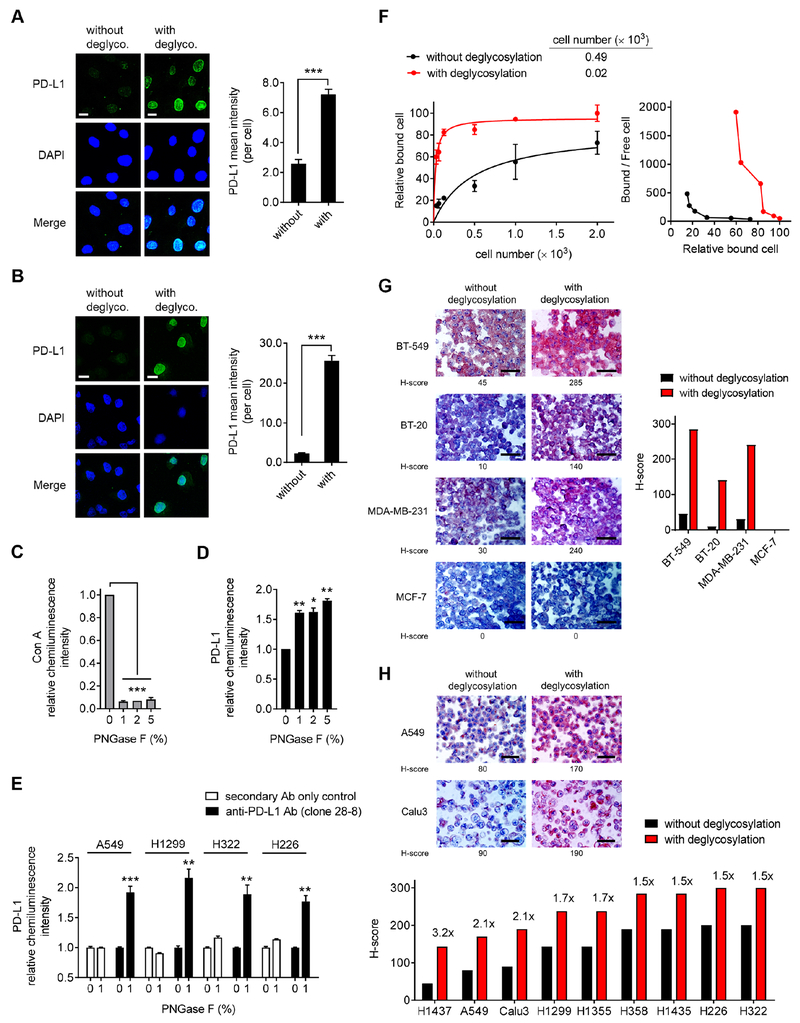
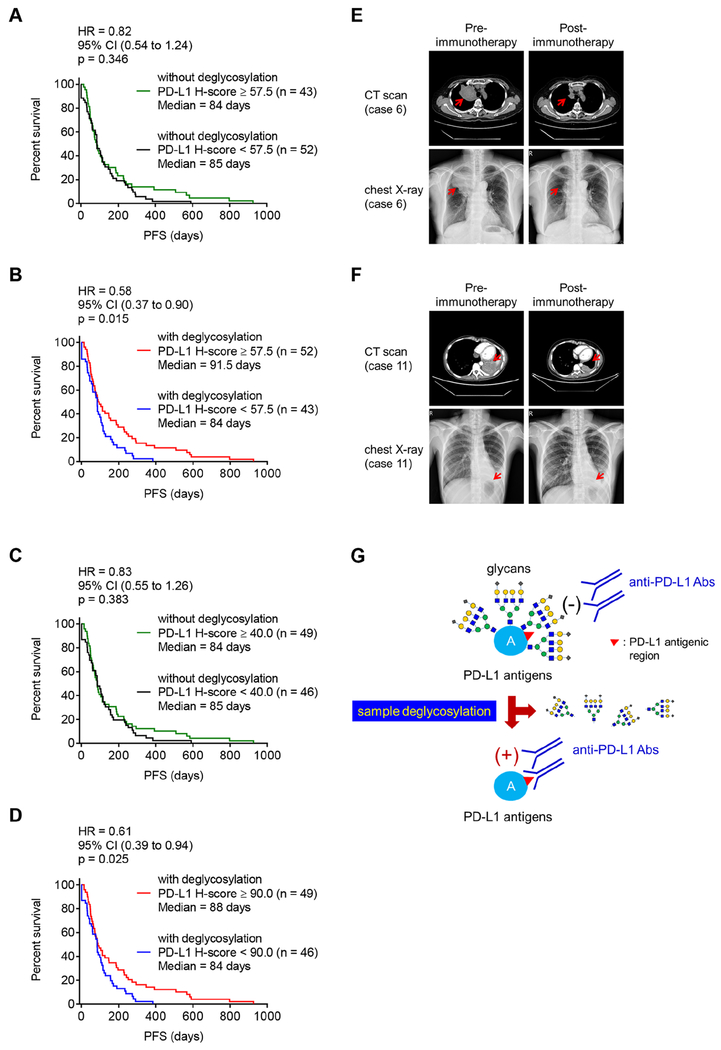
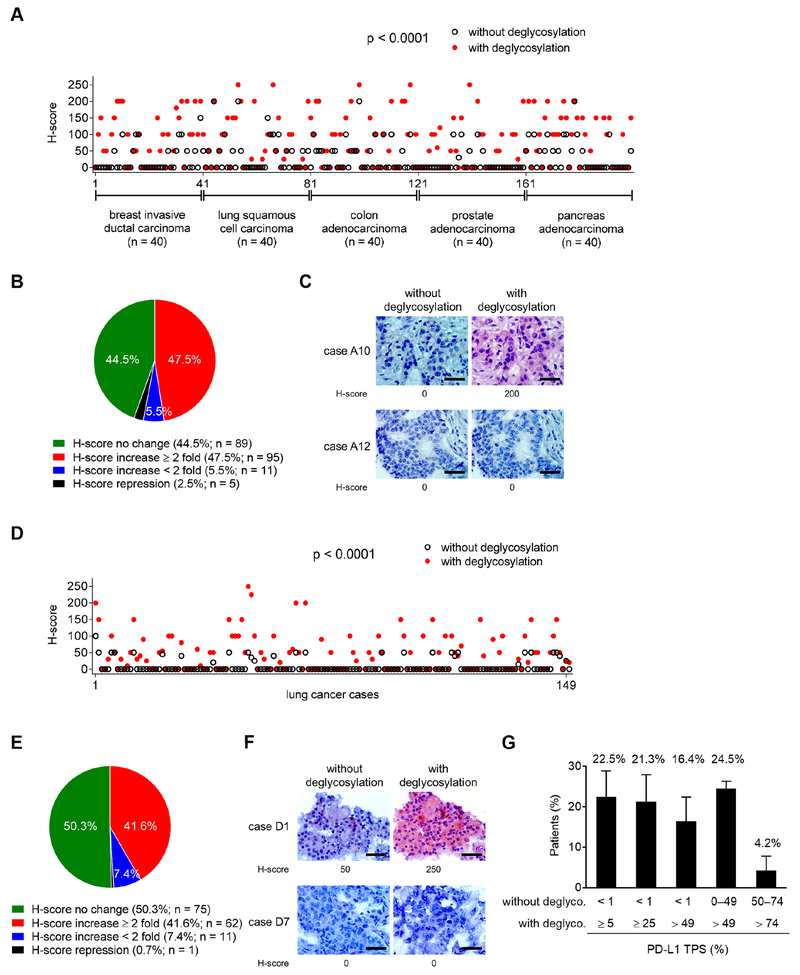
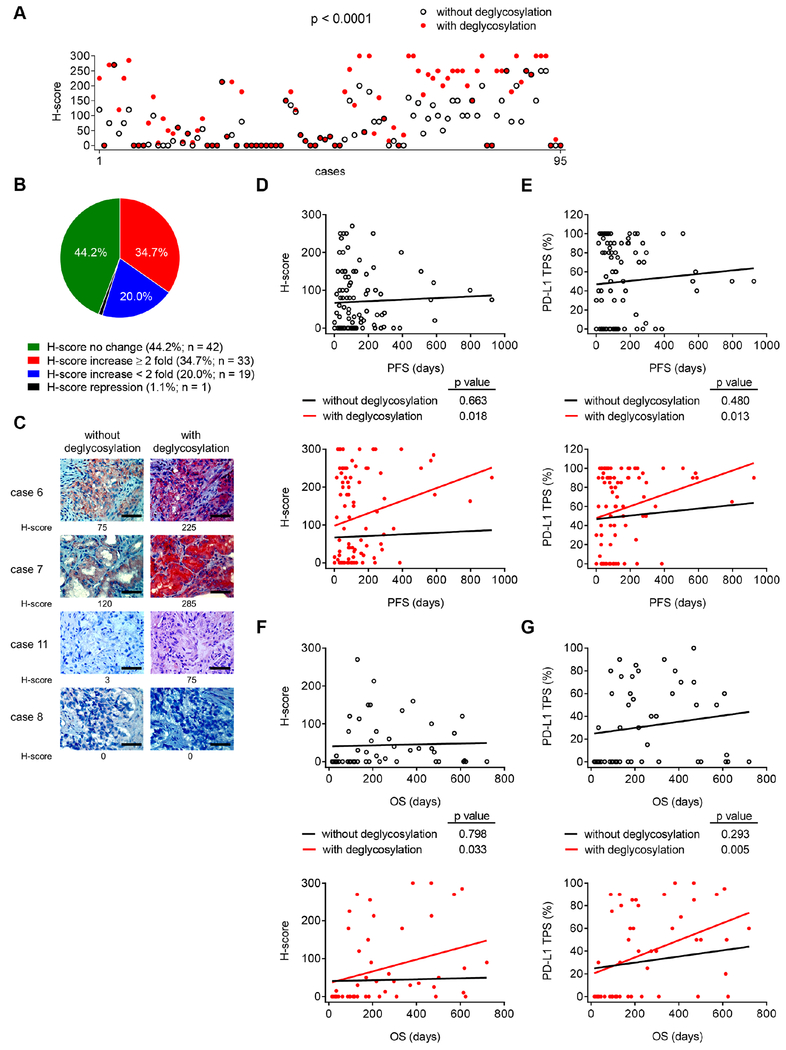
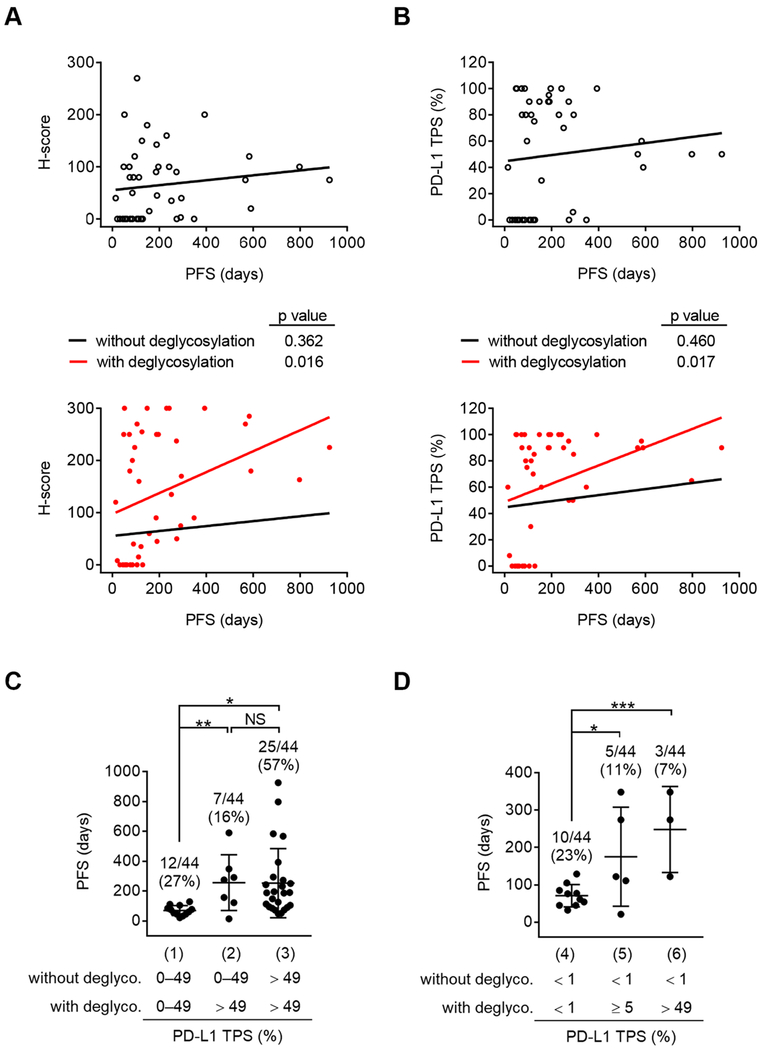
Reactivation of T cell immunity by PD-1/PD-L1 immune checkpoint blockade has been shown to be a promising cancer therapeutic strategy. However, PD-L1 immunohistochemical readout is inconsistent with patient response, which presents a clinical challenge to stratify patients. Because PD-L1 is heavily glycosylated, we developed a method to resolve this by removing the glycan moieties from cell surface antigens via enzymatic digestion, a process termed sample deglycosylation. Notably, deglycosylation significantly improves anti-PD-L1 antibody binding affinity and signal intensity, resulting in more accurate PD-L1 quantification and prediction of clinical outcome. This proposed method of PD-L1 antigen retrieval may provide a practical and timely approach to reduce false-negative patient stratification for guiding anti-PD-1/PD-L1 therapy.
PD-1/PD-L1 免疫检查点阻断激活 T 细胞免疫已被证明是一种很有前途的癌症治疗策略。然而,PD-L1 的免疫组化检测结果与患者的反应不一致,这给患者分层带来了临床挑战。由于 PD-L1 高度糖基化,我们开发了一种通过酶消化从细胞表面抗原上去除糖基部分的方法,这个过程称为样品去糖基化。值得注意的是,去糖基化显著提高了抗 PD-L1 抗体的结合亲和力和信号强度,从而更准确地定量 PD-L1 并预测临床结果。这种 PD-L1 抗原修复方法可能为减少指导抗 PD-1/PD-L1 治疗的假阴性患者分层提供一种实用且及时的方法。