Zhang Heng, Lu Junliang, Yang Hongyan, Yang Heng, Lang Jinyan, Zhang Qinqin
College of Marine Science and Biological Engineering, Qingdao University of Science & Technology, Qingdao 266042, China.
Key Laboratory of Biomass Chemical Engineering of Ministry of Education, Zhejiang University, Hangzhou 310027, China.
Polymers (Basel). 2019 Jul 19;11(7):1211. doi: 10.3390/polym11071211.
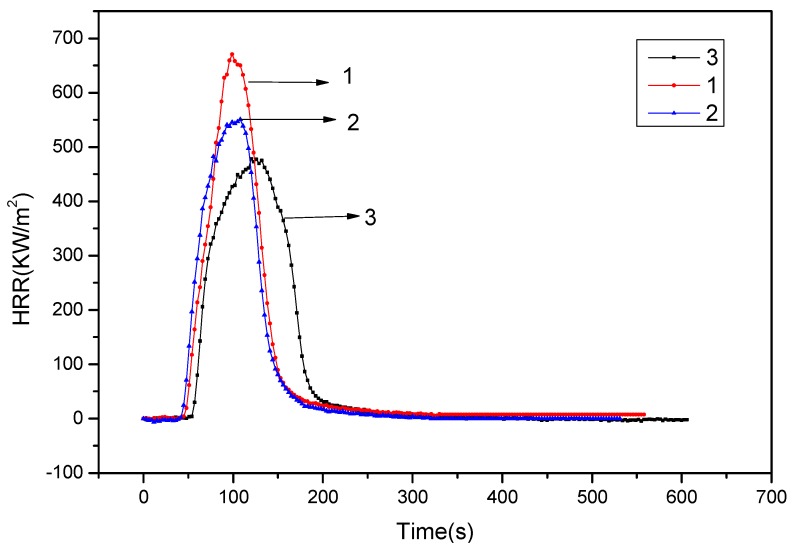
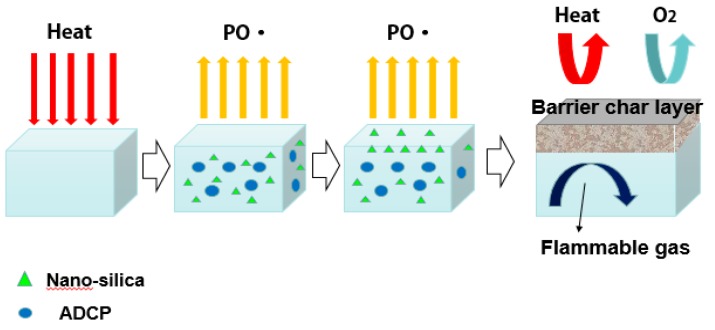
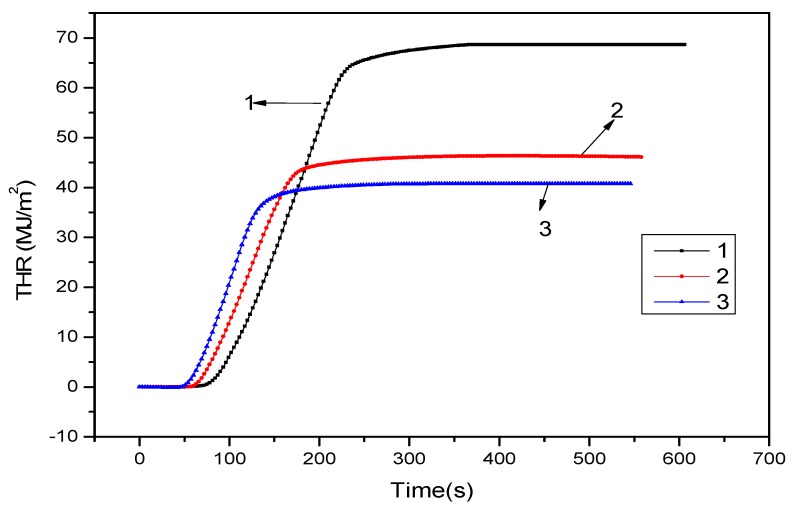
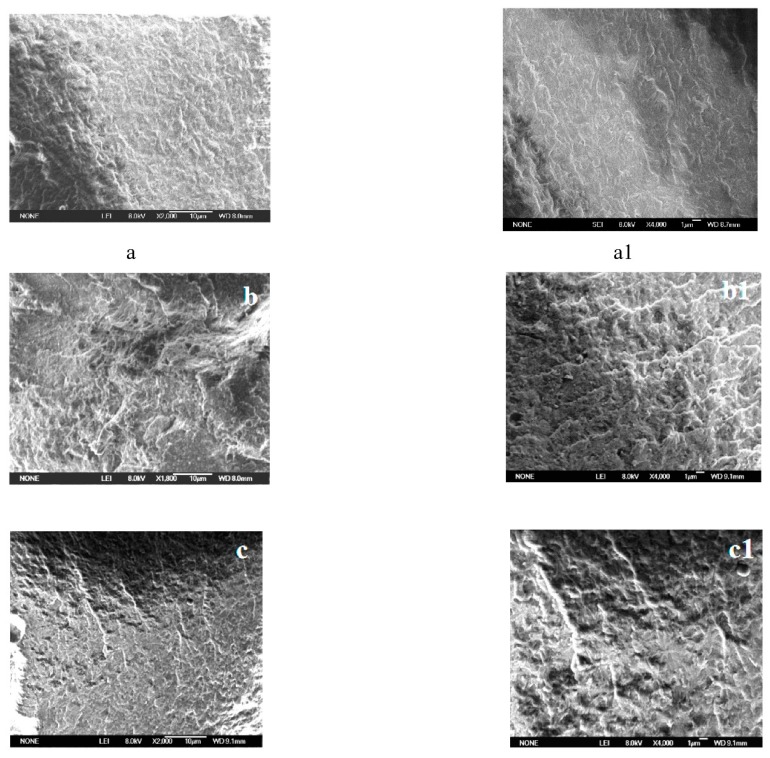
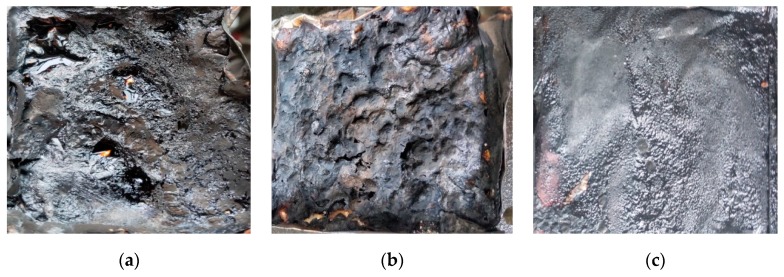
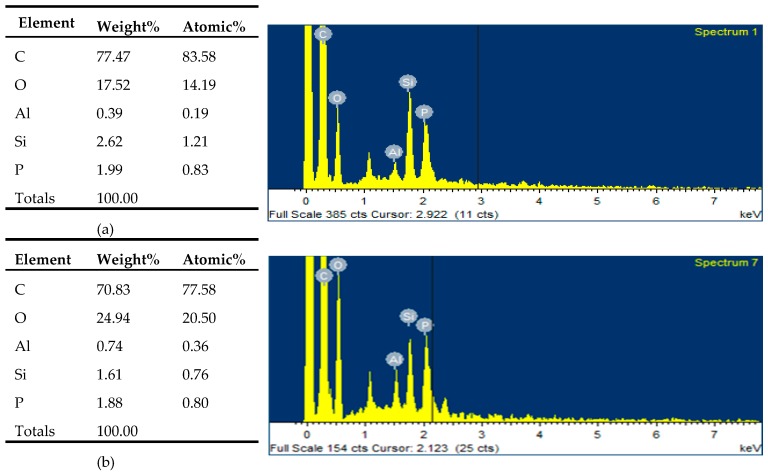
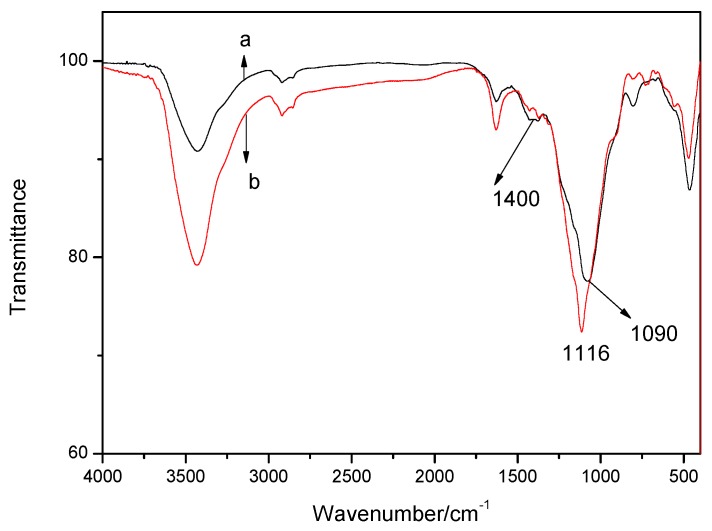
The flame retardant dicyclohexenyl aluminum hypophosphite (ADCP) and nano-silica are added to PA66 to improve flame retardant property of the composite. The flame-retardant property of the composite is tested via oxygen index test, vertical burning test, and cone calorimetry test. Combustion residues are tested using scanning electron microscopy, EDS spectroscopy, and Fourier infrared analysis. Results show that flame-retardant ADCP can effectively promote the formation of a porous carbon layer on the combustion surface of PA66. Nano-silica easily migrates to the material surface to improve the oxidation resistance of the carbon layer and the density of the carbon layer's structure. It can also effectively prevent heat, flammable gases, and oxygen from entering the flame zone and enhance the flame retardant properties of ADCP.
将阻燃剂二环己烯基亚磷酸铝(ADCP)和纳米二氧化硅添加到聚酰胺66(PA66)中,以提高复合材料的阻燃性能。通过氧指数测试、垂直燃烧测试和锥形量热法测试来检测该复合材料的阻燃性能。使用扫描电子显微镜、能谱仪和傅里叶红外分析对燃烧残渣进行检测。结果表明,阻燃剂ADCP能够有效促进PA66燃烧表面形成多孔碳层。纳米二氧化硅易于迁移到材料表面,提高碳层的抗氧化性和碳层结构的密度。它还能有效阻止热量、可燃气体和氧气进入火焰区,并增强ADCP的阻燃性能。