Department of Oral and Maxillofacial Diseases, Clinicum, Faculty of Medicine, University of Helsinki, Biomedicum Helsinki 1, C223b (Haartmaninkatu 8), P.O. Box 63, 00014, Helsinki, Finland.
Faculty of Medicine and Health Technology, Tampere University, Tampere, Finland.
J Transl Med. 2019 Jul 22;17(1):235. doi: 10.1186/s12967-019-1985-1.
Currently, in vivo model for personalised cancer drug testing is challenging. A zebrafish larvae xenograft model has been applied in recent years to cancer research, particularly for drug testing purposes, showing promising results in drug testing against patient-derived tumour xenografts. Currently, these xenograft models apply imaging techniques to measure drug efficacy. However, this method carries several limitations, including timely imaging, thereby reducing the available number of tested fish and drugs. Here, we propose a PCR-based fast assay to evaluate drug efficacy in a zebrafish larvae xenograft model.
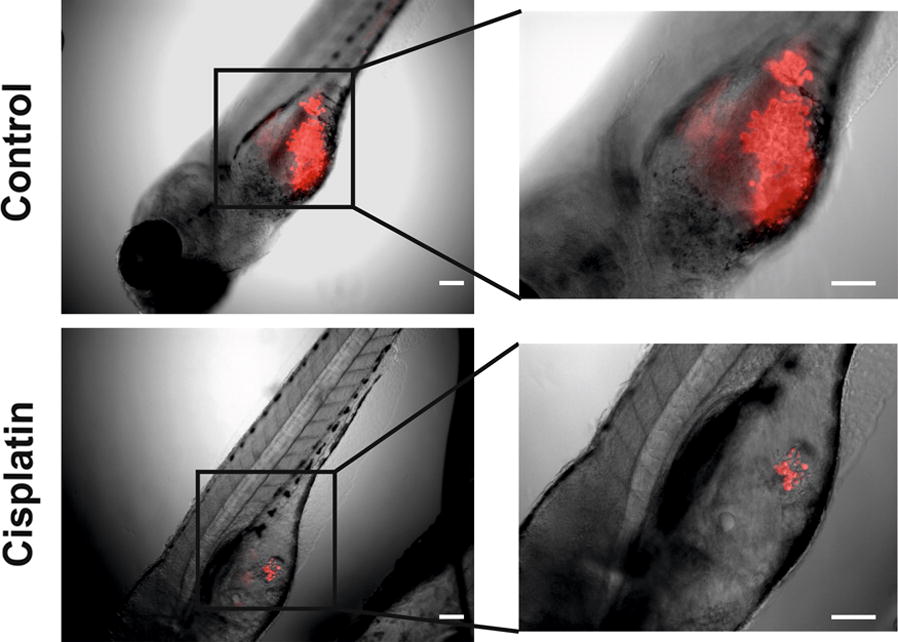
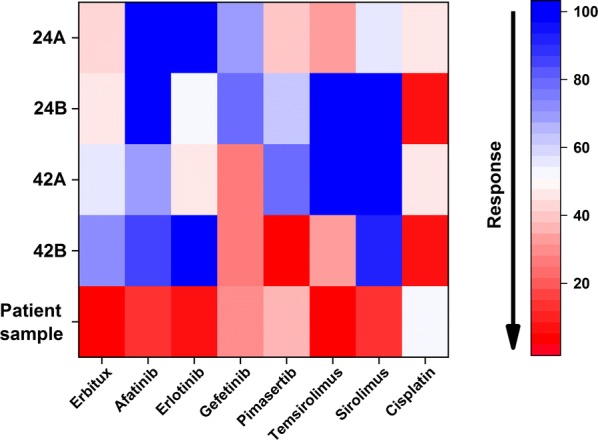
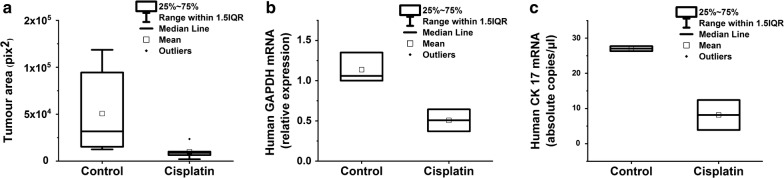
We tested two primary and corresponding metastatic head and neck squamous cell carcinoma (HNSCC) cell lines and patient-derived tongue cancer sample applying zebrafish larvae xenograft model. Cisplatin efficacy was tested using imaging technique and compared the results with PCR-based methods. Drug screening of eight compounds was applied on both cell lines and patient sample using PCR.
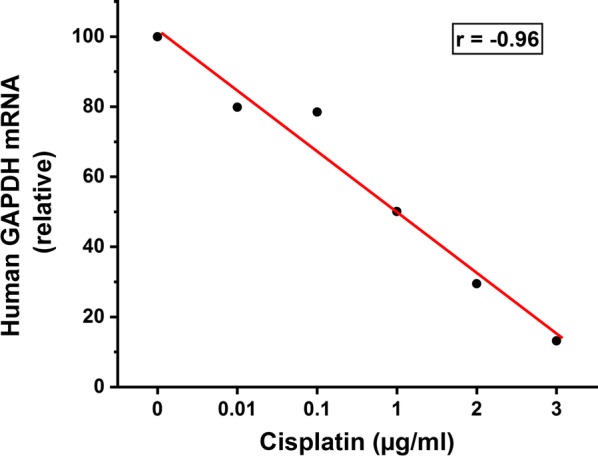
In a head-to-head comparison, all the three techniques (imaging, quantitative PCR, and droplet digital PCR) showed similar reduction of the cancer cells growth after cisplatin treatment. Using the quantitative PCR assay, we demonstrated a dose-dependent response of HNSCC cells to cisplatin. Drug screening results of four HNSCC cell lines and patient sample revealed different drug efficacy between tested cancer cells.
We introduce a novel, easy, fast and cost-effective PCR-based in vivo zebrafish larvae assay to test the response of cell lines and clinical tumour samples to anti-cancer drugs. This method goes hand-by-hand with the commonly used imaging assay.
目前,个性化癌症药物测试的体内模型具有挑战性。近年来,斑马鱼幼虫异种移植模型已应用于癌症研究,特别是用于药物测试,在针对患者来源的肿瘤异种移植物的药物测试中显示出有希望的结果。目前,这些异种移植模型应用成像技术来测量药物疗效。然而,这种方法存在几个局限性,包括及时成像,从而减少了可测试的鱼和药物的数量。在这里,我们提出了一种基于 PCR 的快速测定法,用于评估斑马鱼幼虫异种移植模型中的药物疗效。
我们应用斑马鱼幼虫异种移植模型测试了两种原发性和相应转移性头颈部鳞状细胞癌(HNSCC)细胞系和患者来源的舌癌样本。应用成像技术测试顺铂的疗效,并将结果与基于 PCR 的方法进行比较。应用 PCR 对两种细胞系和患者样本进行了八种化合物的药物筛选。
在头对头比较中,所有三种技术(成像、定量 PCR 和液滴数字 PCR)在顺铂处理后均显示出相似的癌细胞生长减少。使用定量 PCR 测定法,我们证明了 HNSCC 细胞对顺铂的剂量依赖性反应。对四种 HNSCC 细胞系和患者样本的药物筛选结果表明,测试的癌细胞之间存在不同的药物疗效。
我们介绍了一种新颖、简单、快速且具有成本效益的基于 PCR 的体内斑马鱼幼虫测定法,用于测试细胞系和临床肿瘤样本对抗癌药物的反应。这种方法与常用的成像测定法相辅相成。