Division of Social Science, Yale-NUS College, 16 College Ave West, #01-220, Singapore, 138527, Singapore.
Department of Paediatrics, National University of Singapore, 21 Lower Kent Ridge Rd, Singapore, 119077, Singapore.
BMC Psychol. 2019 Jul 22;7(1):47. doi: 10.1186/s40359-019-0323-y.
Whereas meditation training has been purported to support slower cellular aging, little work has explored the association among different facets of dispositional mindfulness, self-compassion, and cellular aging. The present study aimed to examine the relationship between leukocyte telomere length (LTL), an index of cellular aging, dispositional mindfulness, and self-compassion in a sample of Singaporean Chinese adults.
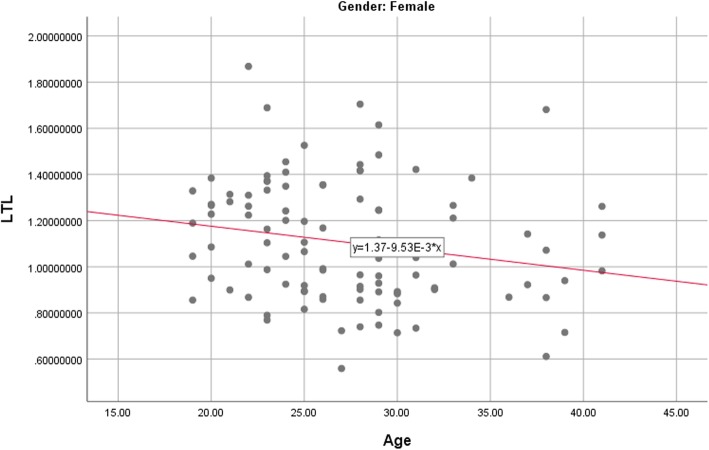
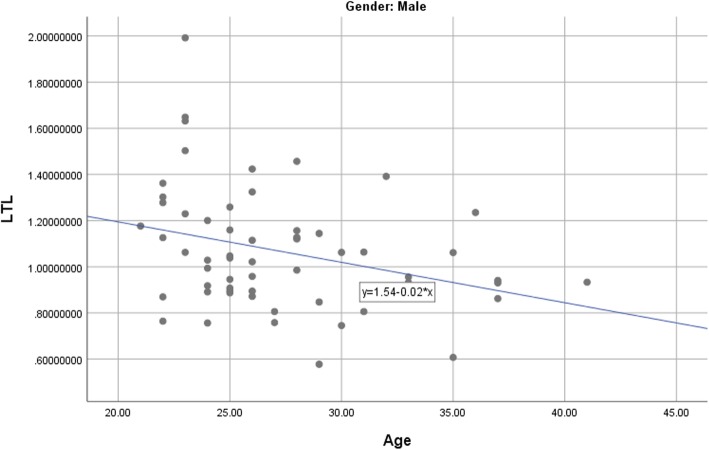
One hundred and fifty-eight Chinese adults (mean age = 27.24 years; 63.3% female) were recruited from the community and completed self-report measures assessing dispositional mindfulness, self-compassion, and psychological symptoms, as well as provided blood samples for analyses of LTL. Multiple regression analyses were conducted to examine the role of trait mindfulness and self-compassion in predicting LTL, taking into consideration potential covariates such as chronological age and psychological symptoms.
Results showed that nonreactivity, one of the five facets of dispositional mindfulness, was significantly associated with LTL, after controlling for chronological age. There was also a trend for dispositional mindfulness, self-compassion, and their selected facets (i.e., nonjudging, common humanity, and de-identification) to each be associated with longer LTL.
Overall, the findings provide preliminary support for the association among aspects of dispositional mindfulness, self-compassion, and aging. In particular, individuals high on nonreactivity experience slower aging at the cellular level, likely through engaging in more adaptive coping mechanisms.
冥想训练据称可以支持细胞衰老速度减缓,但很少有研究探索不同方面的特质正念、自我同情与细胞衰老之间的关系。本研究旨在检验白细胞端粒长度(LTL)作为细胞衰老的指标,与新加坡华人成年人群体中的特质正念和自我同情之间的关系。
从社区中招募了 158 名中国成年人(平均年龄为 27.24 岁,63.3%为女性),他们完成了特质正念、自我同情和心理症状的自评量表,同时提供了血液样本进行 LTL 分析。进行了多元回归分析,以考察特质正念和自我同情在预测 LTL 方面的作用,同时考虑了年龄和心理症状等潜在协变量。
结果表明,在控制了年龄后,特质正念的五个方面之一的非反应性与 LTL 显著相关。特质正念、自我同情及其选定的方面(即非评判、共通人性和去认同)也与 LTL 延长呈趋势相关。
总体而言,这些发现为特质正念、自我同情与衰老之间的关系提供了初步支持。特别是,具有较高非反应性的个体在细胞水平上经历较慢的衰老,这可能是通过更适应的应对机制实现的。