Aix Marseille Univ, Inserm, INS, Institut de Neurosciences des Systèmes, Marseille, France.
Laboratory of Pharmacology, Neurobiology and Behavior (URAC-37), Cadi Ayyad University, Marrakech, Morocco.
eNeuro. 2019 Aug 1;6(4). doi: 10.1523/ENEURO.0179-18.2019. Print 2019 Jul/Aug.
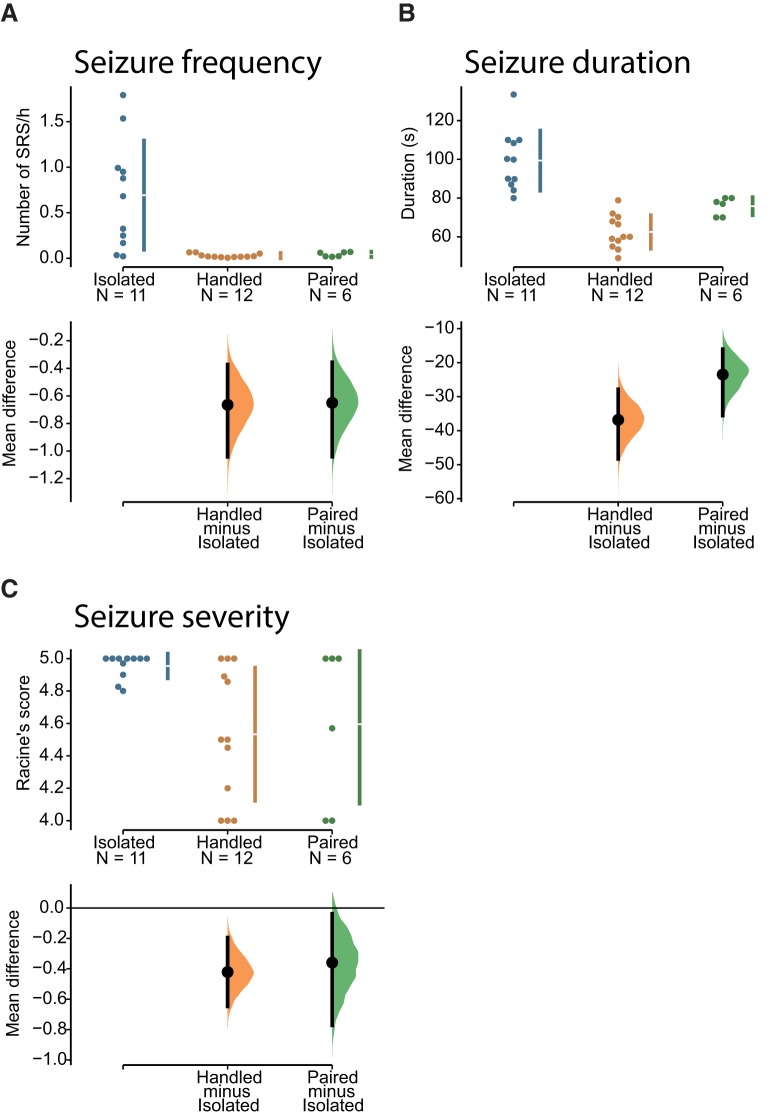
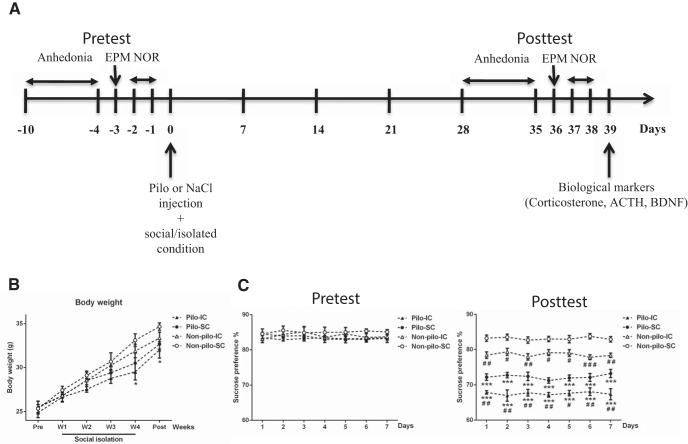
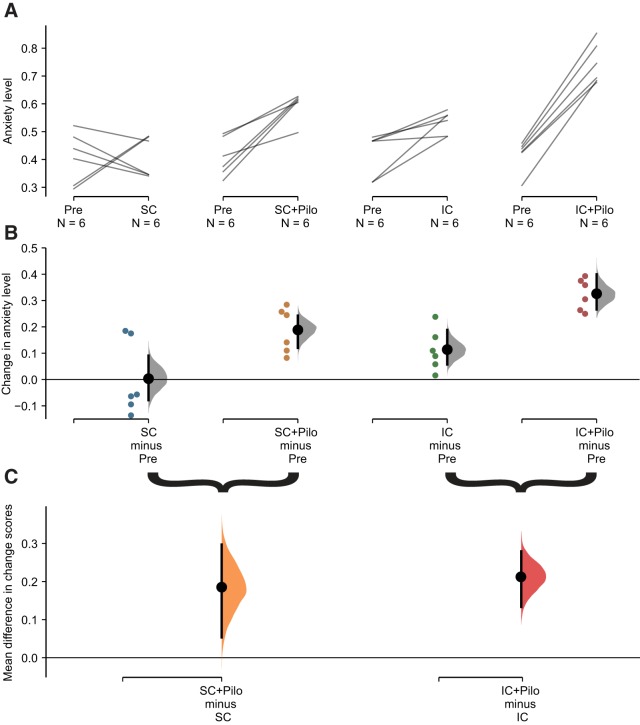
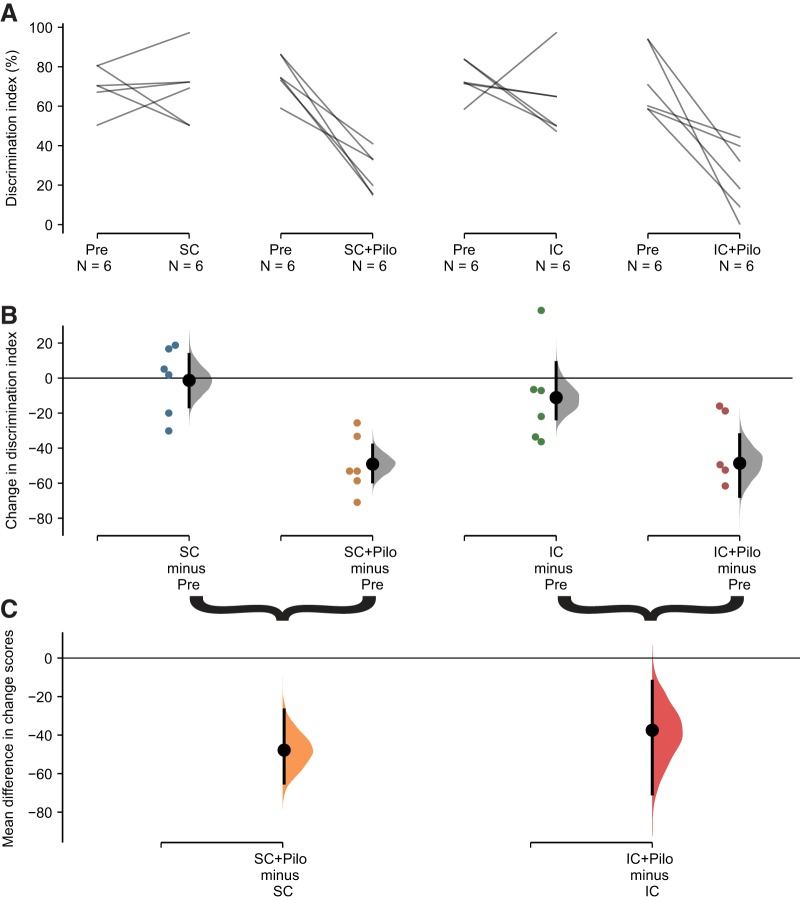
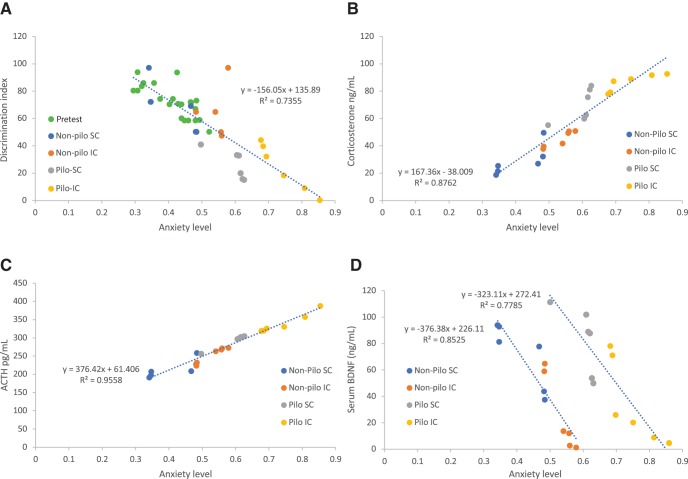
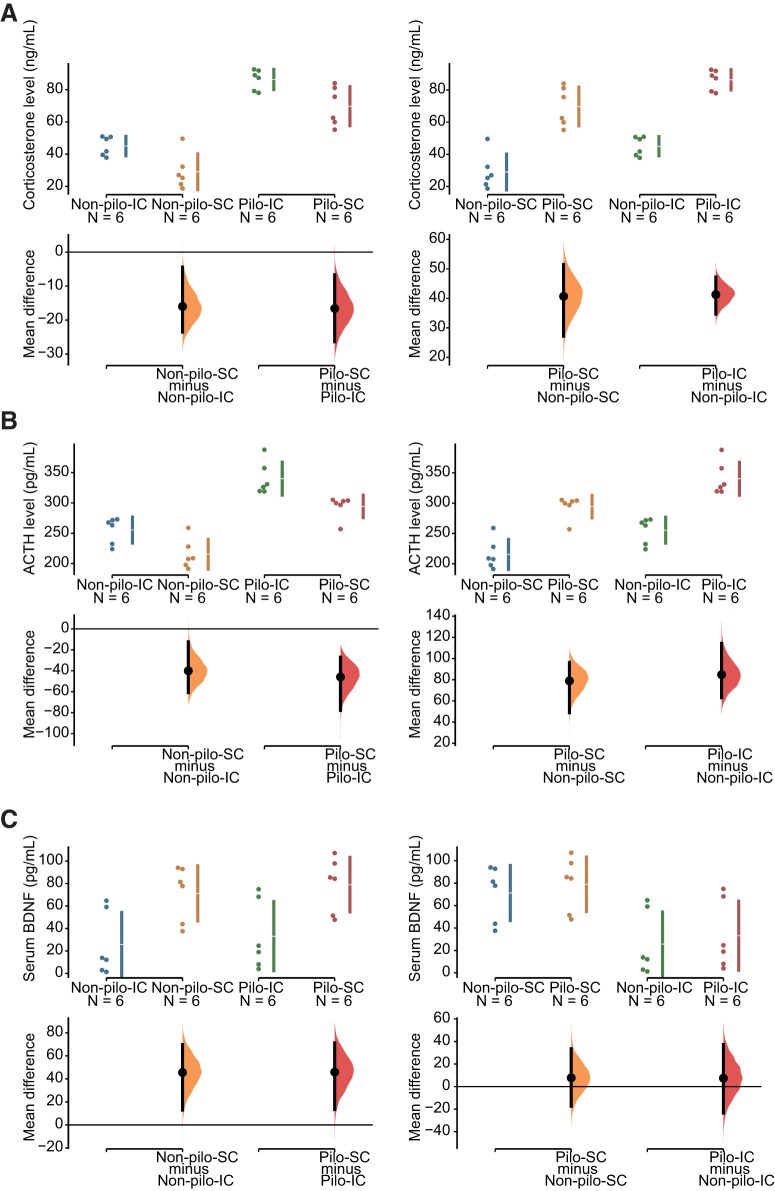
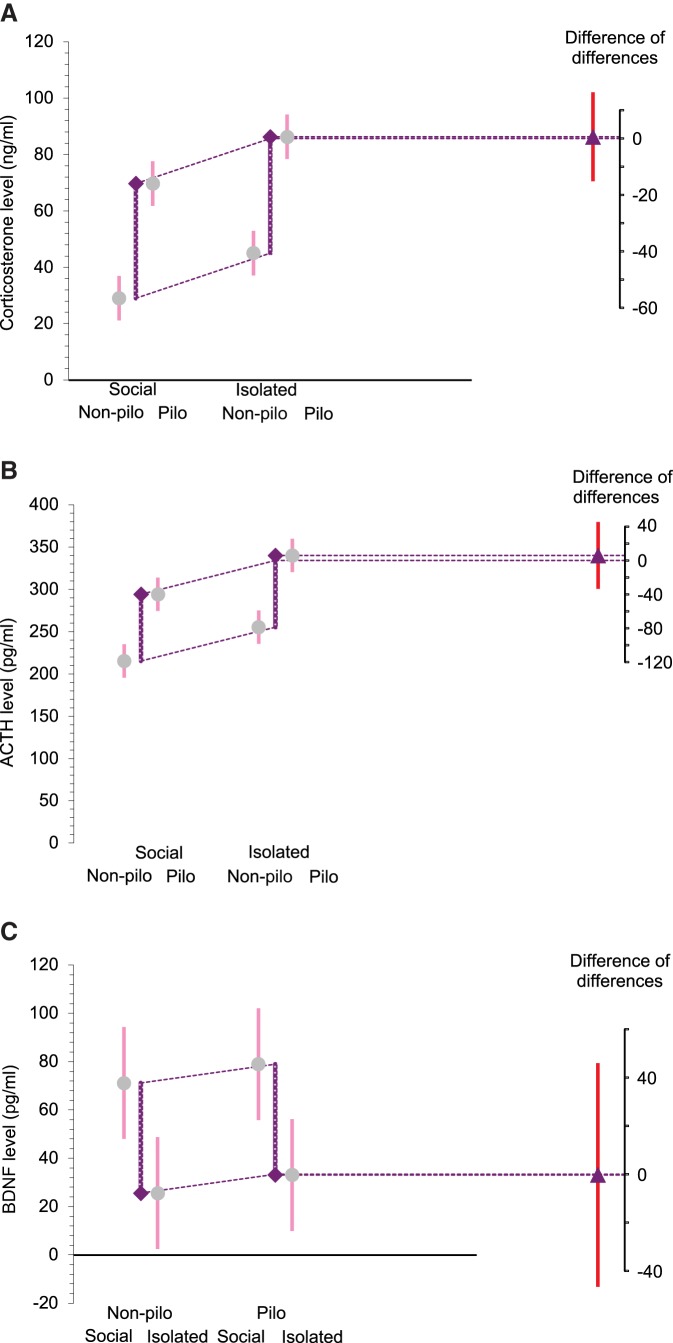
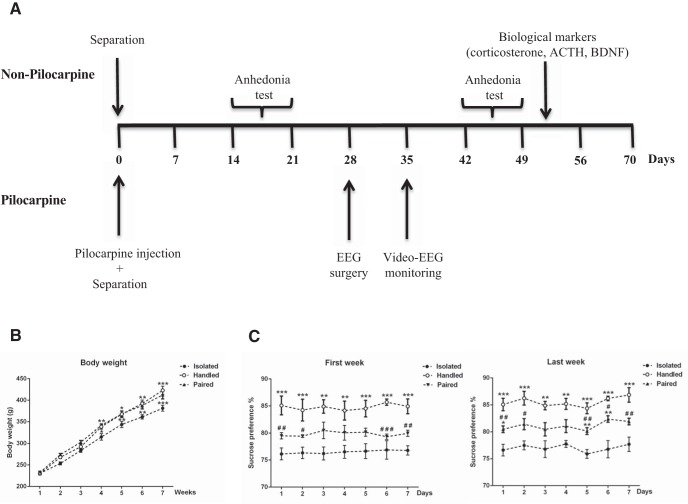
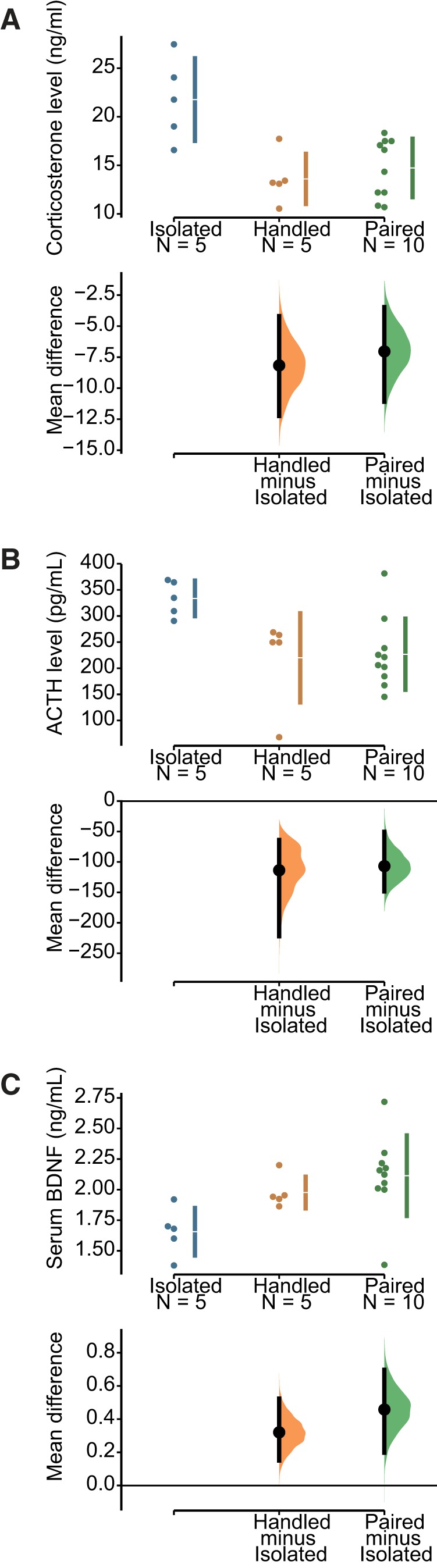
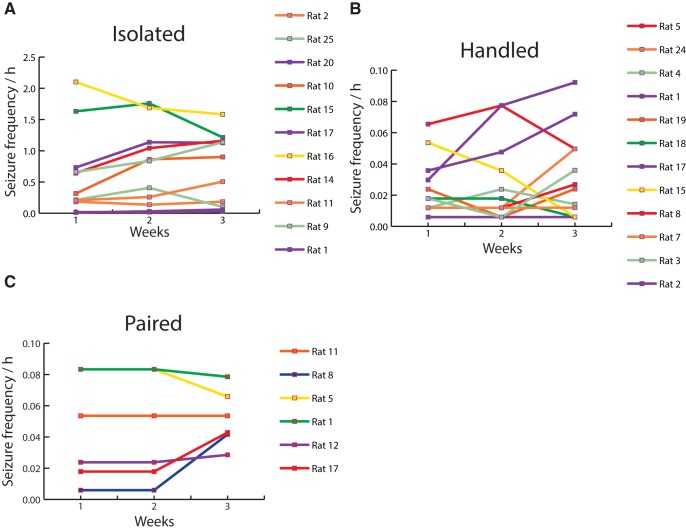
Many experimental approaches require housing rodents in individual cages, including in epilepsy research. However, rats and mice are social animals; and individual housing constitutes a stressful situation. The goal of the present study was to determine the effects of individual housing as compared to conditions maintaining social contact on stress markers and epilepsy. Control male mice socially housed during pretest and then transferred to individual cages for six weeks displayed anhedonia, increased anxiety and biological markers of stress as compared to pretest values or mice kept socially housed during six weeks. Pilocarpine (pilo)-treated mice housed together showed increased levels of anhedonia, anxiety and stress markers as well as decreased cognitive performance as compared to the control group. The differences were more significant in pilo-treated mice housed individually. Anxiety correlated linearly with cognitive performance and stress markers independently of the experimental conditions. In the male rat pilo model, seizures were sixteen times more frequent in singly housed animals as compared to animals kept in pairs. Daily interactions with an experimenter in otherwise singly housed animals was sufficient to produce results identical to those found in animals kept in pairs. We propose that social isolation produces a severe phenotype in terms of stress and seizure frequency as compared to animals maintaining social contact (at least in these two models), a factor that needs to be taken into account for data interpretation, in particular for preclinical studies.
许多实验方法需要将啮齿动物单独饲养在笼子中,包括在癫痫研究中。然而,大鼠和小鼠是社会性动物;单独饲养构成了一种应激情况。本研究的目的是确定与维持社会接触的条件相比,单独饲养对应激标志物和癫痫的影响。与预测试值或在六周内保持社会饲养的小鼠相比,在预测试期间进行社交饲养然后转移到单独笼子中六周的雄性控制小鼠表现出快感缺失、焦虑增加和应激生物标志物。与对照组相比,一起饲养的匹罗卡品(pilo)处理的小鼠表现出快感缺失、焦虑和应激标志物增加,以及认知表现下降。在单独饲养的 pilo 处理的小鼠中,差异更为显著。焦虑与认知表现和应激标志物呈线性相关,与实验条件无关。在雄性大鼠 pilo 模型中,与成对饲养的动物相比,单独饲养的动物的癫痫发作频率高 16 倍。与其他单独饲养的动物相比,每天与实验者互动足以产生与成对饲养的动物相同的结果。我们提出,与维持社会接触的动物相比(至少在这两种模型中),社会隔离会导致应激和癫痫发作频率出现严重表型,这是数据解释,特别是临床前研究中需要考虑的一个因素。