Bertoldi Maria Laura, Zalosnik Maria Ines, Fabio Maria Carolina, Aja Susan, Roth German A, Ronnett Gabriele V, Degano Alicia L
Departamento de Química Biológica Ranwel Caputto, Facultad de Ciencias Químicas, Córdoba, Argentina.
Centro de Investigaciones en Química Biológica de Córdoba (CIQUIBIC), CONICET, Universidad Nacional de Córdoba, Córdoba, Argentina.
Front Cell Neurosci. 2019 Jul 3;13:286. doi: 10.3389/fncel.2019.00286. eCollection 2019.
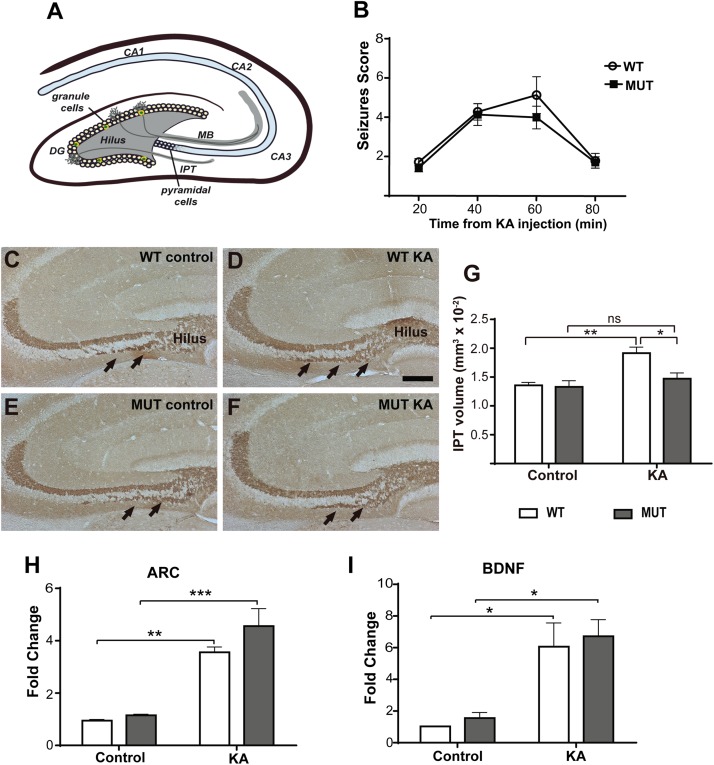
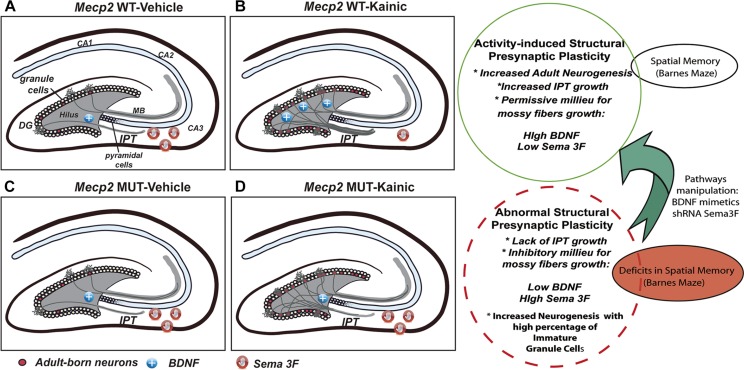
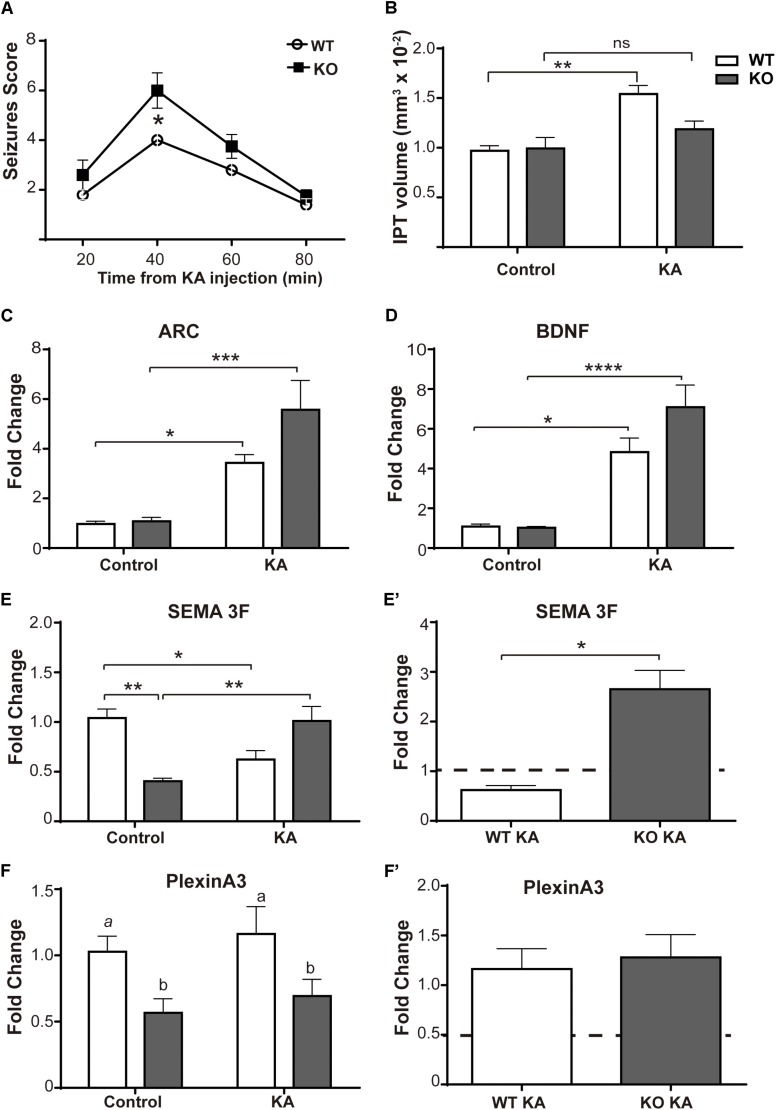
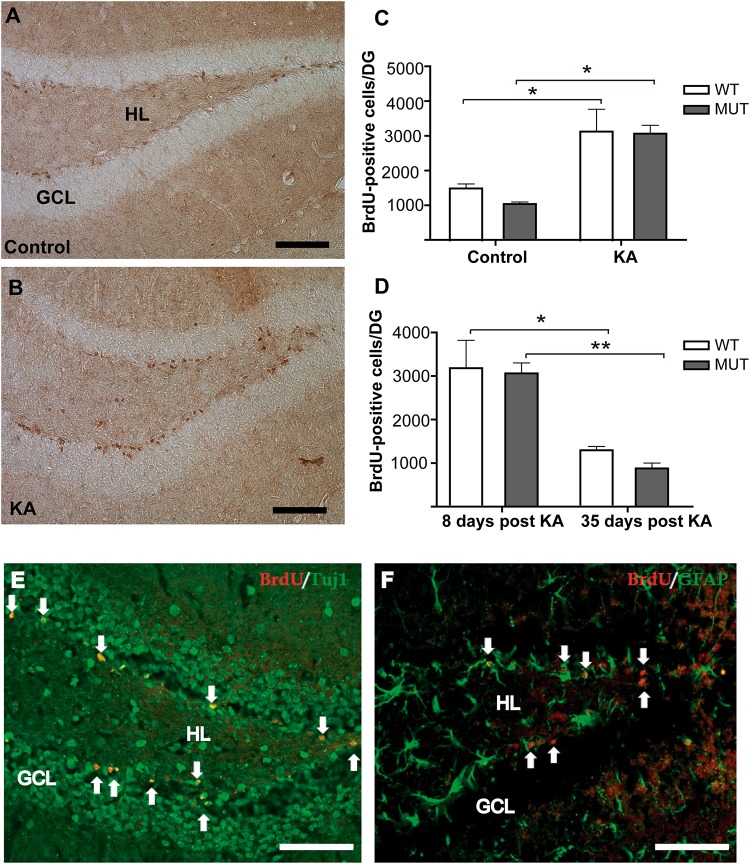
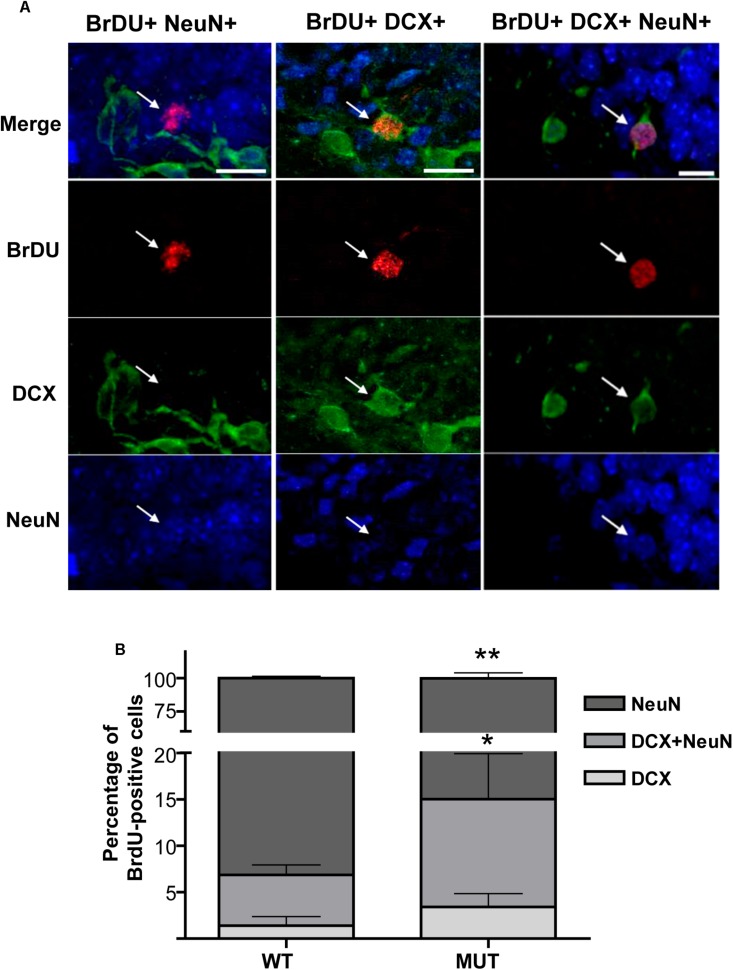
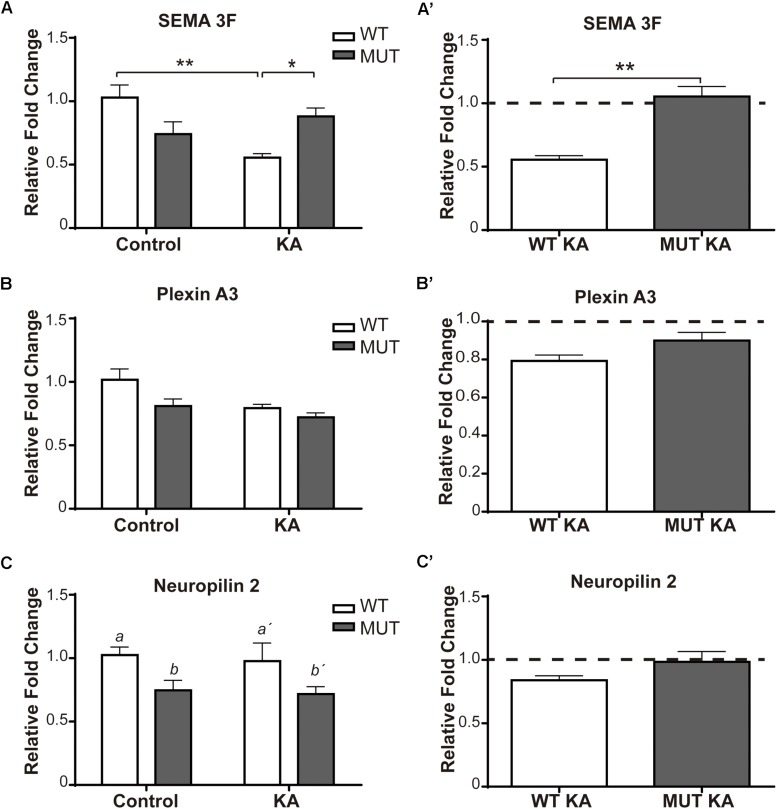
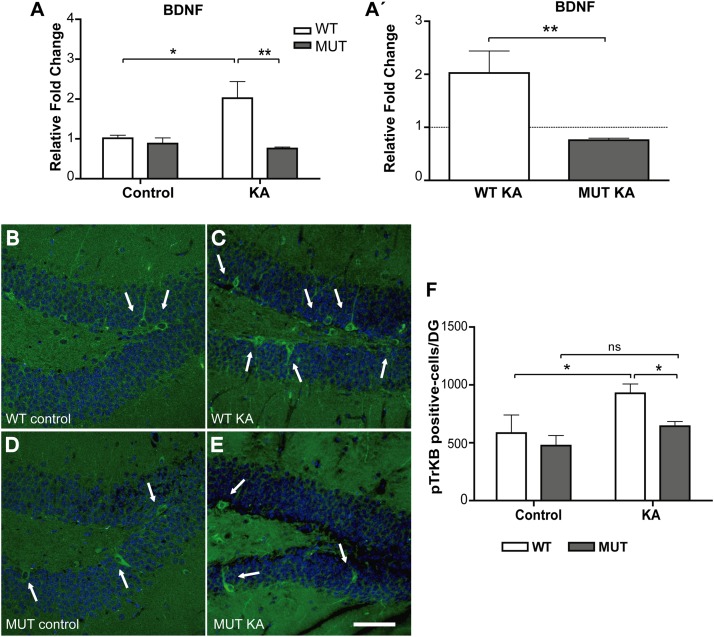
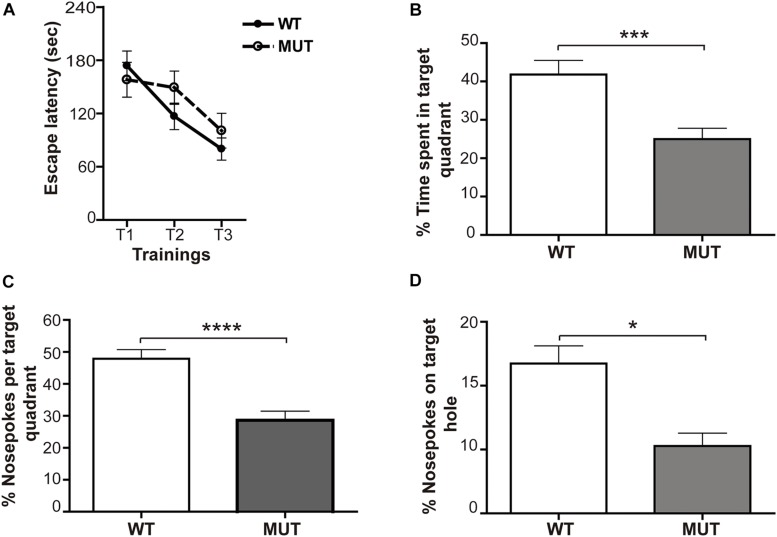
Methyl cytosine binding protein 2 (MeCP2) is a structural chromosomal protein involved in the regulation of gene expression. Mutations in the gene encoding MeCP2 result in Rett Syndrome (RTT), a pervasive neurodevelopmental disorder. RTT is one of few autism spectrum disorders whose cause was identified as a single gene mutation. Remarkably, abnormal levels of MeCP2 have been associated to other neurodevelopmental disorders, as well as neuropsychiatric disorders. Therefore, many studies have been oriented to investigate the role of MeCP2 in the nervous system. In the present work, we explore cellular and molecular mechanisms affecting synaptic plasticity events in the hippocampus of MeCP2 mutant mice. While most studies addressed postsynaptic defects in the absence of MeCP2, we took advantage of an activity-paradigm (seizures), two models of MeCP2 deficiency, and neurobiological assays to reveal novel defects in presynaptic structural plasticity in the hippocampus in RTT rodent models. These approaches allowed us to determine that MeCP2 mutations alter presynaptic components, i.e., disrupts the plastic response of mossy fibers to synaptic activity and results in reduced axonal growth which is correlated with imbalanced trophic and guidance support, associated with aberrant expression of brain-derived neurotrophic factor and semaphorin 3F. Our results also revealed that adult-born granule cells recapitulate maturational defects that have been only shown at early postnatal ages. As these cells do not mature timely, they may not integrate properly into the adult hippocampal circuitry. Finally, we performed a hippocampal-dependent test that revealed defective spatial memory in these mice. Altogether, our studies establish a model that allows us to evaluate the effect of the manipulation of specific pathways involved in axonal guidance, synaptogenesis, or maturation in specific circuits and correlate it with changes in behavior. Understanding the mechanisms underlying the neuronal compromise caused by mutations in MeCP2 could provide information on the pathogenic mechanism of autistic spectrum disorders and improve our understanding of brain development and molecular basis of behavior.
甲基化胞嘧啶结合蛋白2(MeCP2)是一种参与基因表达调控的结构性染色体蛋白。编码MeCP2的基因突变会导致瑞特综合征(RTT),这是一种广泛性神经发育障碍。RTT是少数几种病因被确定为单基因突变的自闭症谱系障碍之一。值得注意的是,MeCP2水平异常与其他神经发育障碍以及神经精神疾病有关。因此,许多研究都致力于探究MeCP2在神经系统中的作用。在本研究中,我们探讨了影响MeCP2突变小鼠海马体突触可塑性事件的细胞和分子机制。虽然大多数研究关注MeCP2缺失时的突触后缺陷,但我们利用一种活动范式(癫痫发作)、两种MeCP2缺陷模型以及神经生物学检测方法,揭示了RTT啮齿动物模型中海马体突触前结构可塑性的新缺陷。这些方法使我们能够确定MeCP2突变会改变突触前成分,即破坏苔藓纤维对突触活动的可塑性反应,并导致轴突生长减少,这与营养和导向支持失衡相关,与脑源性神经营养因子和信号素3F的异常表达有关。我们的研究结果还表明,成年新生颗粒细胞重现了仅在出生后早期出现的成熟缺陷。由于这些细胞不能及时成熟,它们可能无法正常整合到成年海马回路中。最后,我们进行了一项依赖海马体的测试,结果显示这些小鼠存在空间记忆缺陷。总之,我们的研究建立了一个模型,使我们能够评估在特定回路中操纵轴突导向、突触形成或成熟所涉及的特定途径的效果,并将其与行为变化相关联。了解MeCP2突变导致神经元损伤的潜在机制,可为自闭症谱系障碍的致病机制提供信息,并增进我们对大脑发育和行为分子基础的理解。