Ma Xiaoyao, Liu Aina, Liu Wenjuan, Wang Zhihua, Chang Nianwei, Li Suyun, Li Jiansheng, Hou Yuanyuan, Bai Gang
State Key Laboratory of Medicinal Chemical Biology, College of Pharmacy and Tianjin Key Laboratory of Molecular Drug Research, Nankai University, Tianjin, China.
Key Laboratory of Hormones and Development (Ministry of Health), Tianjin Key Laboratory of Metabolic Diseases, Metabolic Diseases Hospital and Tianjin Institute of Endocrinology, Tianjin Medical University, Tianjin, China.
Front Pharmacol. 2019 Jul 3;10:737. doi: 10.3389/fphar.2019.00737. eCollection 2019.
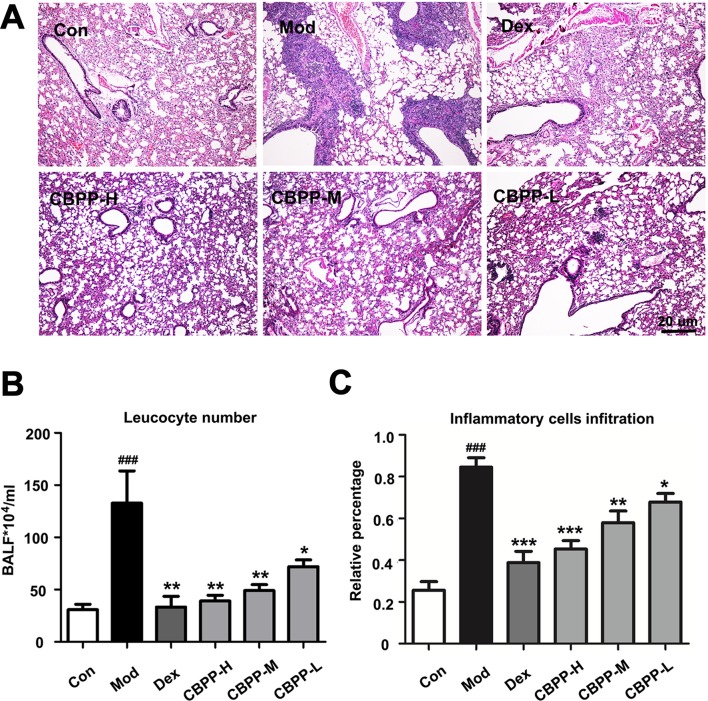
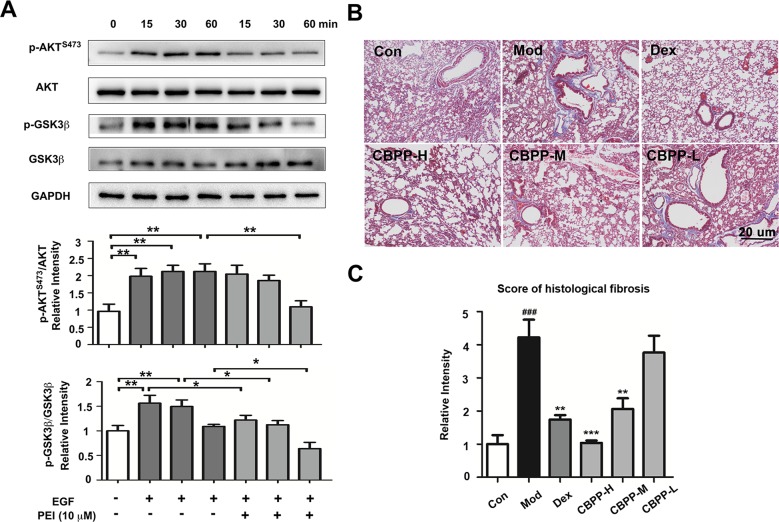
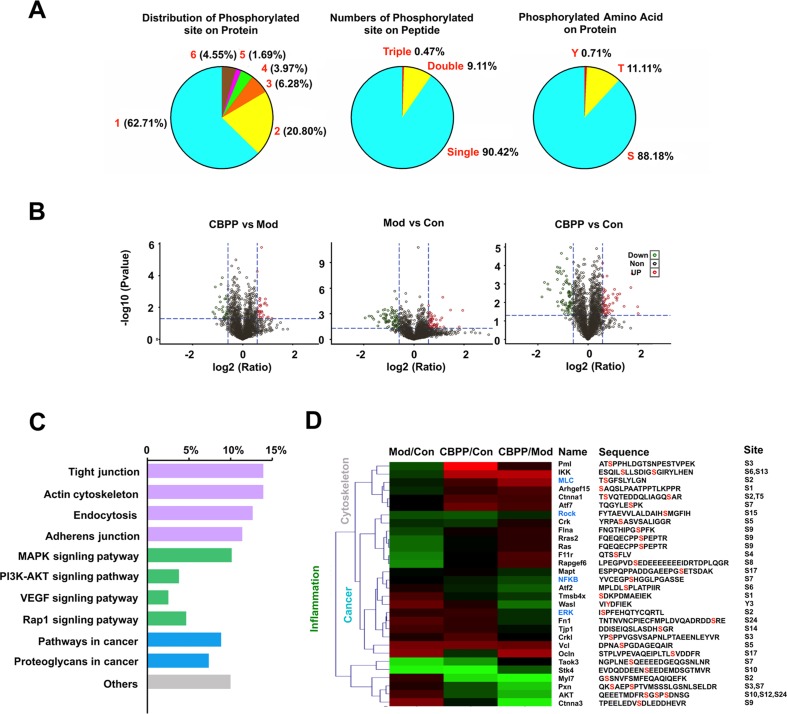
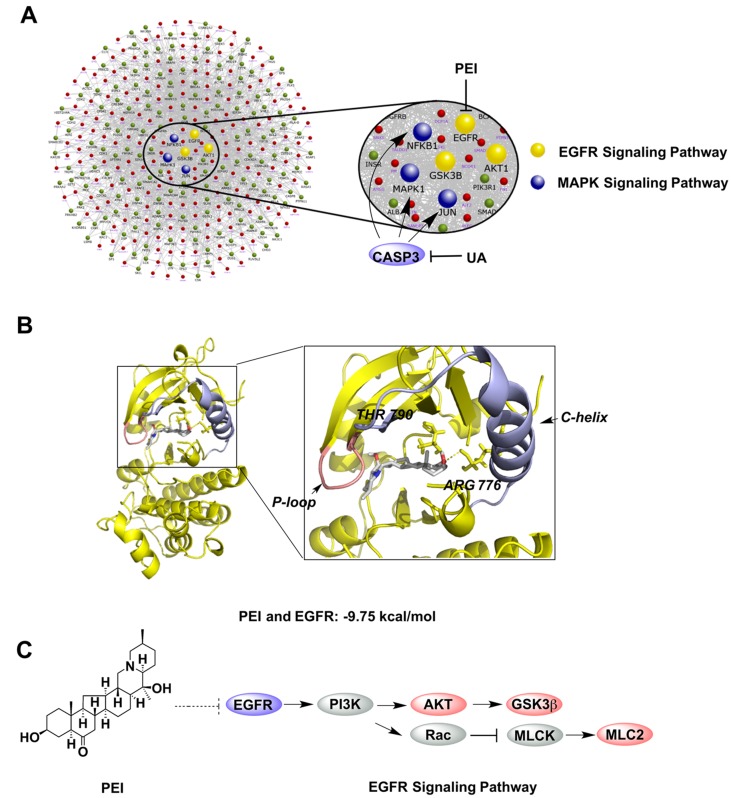
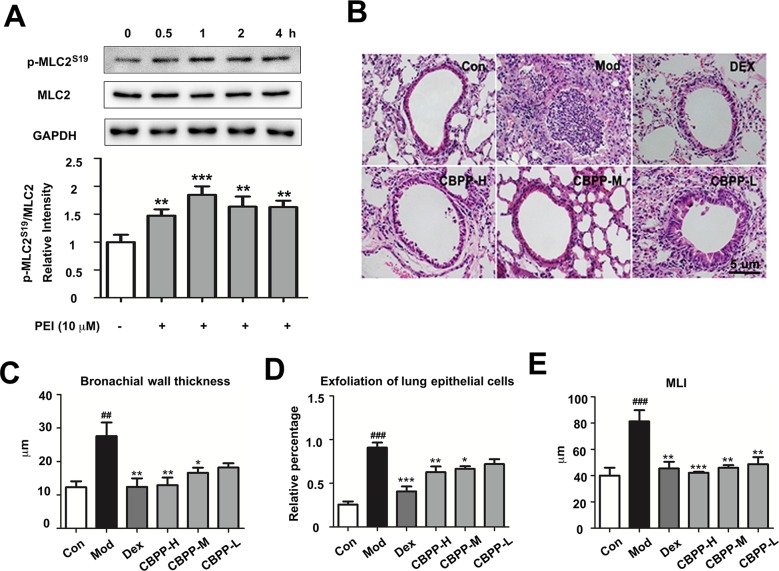
Chronic obstructive pulmonary disease (COPD) has been a major public health problem and is still a formidable challenge for clinicians. It is urgent to find new compounds for minimizing the risk of disease progression and exacerbation especially in the early phase of COPD. A traditional Chinese medicine (TCM) formula, Chuan Bei Pi Pa dropping pills (CBPP), was tested in this study to investigate its potential mechanisms in preventing the exacerbation of COPD. Phosphoproteomics analysis for a smog stimulated early stage COPD mice model was employed to detect the underlying molecular mechanisms of CBPP. In addition, protein-protein interaction (PPI) and bioinformatics analyses were included to analyze the key proteins and predict the key bioactive compounds. The results indicated that peiminine (PEI) target epidermal growth factor receptor (EGFR) prevented the exacerbation of COPD by inhibiting the EGFR signaling pathway, and ursolic acid (UA) can alleviate inflammation disorders inhibition of CASP3 on mitogen-activated protein kinase (MAPK) signaling pathway. After and evaluations, we revealed that PEI from CBPP, as a lead compound, can improve lung function and alleviate pulmonary fibrosis by acting on the EGFR and MLC2 signaling pathways. Furthermore, the approach described here is an effective way to analyze and identify the bioactive ingredients from a mixture by functional proteomics analysis.
慢性阻塞性肺疾病(COPD)一直是一个重大的公共卫生问题,对临床医生来说仍然是一项艰巨的挑战。迫切需要找到新的化合物以降低疾病进展和恶化的风险,尤其是在COPD的早期阶段。本研究对一种中药配方川贝枇杷滴丸(CBPP)进行了测试,以研究其预防COPD恶化的潜在机制。对烟雾刺激的早期COPD小鼠模型进行磷酸化蛋白质组学分析,以检测CBPP的潜在分子机制。此外,还进行了蛋白质-蛋白质相互作用(PPI)和生物信息学分析,以分析关键蛋白并预测关键生物活性化合物。结果表明,浙贝母碱(PEI)靶向表皮生长因子受体(EGFR),通过抑制EGFR信号通路预防COPD恶化,熊果酸(UA)可减轻炎症紊乱,抑制半胱天冬酶3(CASP3)对丝裂原活化蛋白激酶(MAPK)信号通路的作用。经过评估,我们发现CBPP中的PEI作为先导化合物,可通过作用于EGFR和MLC2信号通路改善肺功能并减轻肺纤维化。此外,本文所述方法是通过功能蛋白质组学分析从混合物中分析和鉴定生物活性成分的有效方法。