Asatryan Babken
Department of Cardiology, Inselspital, Bern University Hospital, Freiburgstrasse 10, 3010 Bern, Switzerland.
J Clin Med. 2019 Jul 12;8(7):1029. doi: 10.3390/jcm8071029.
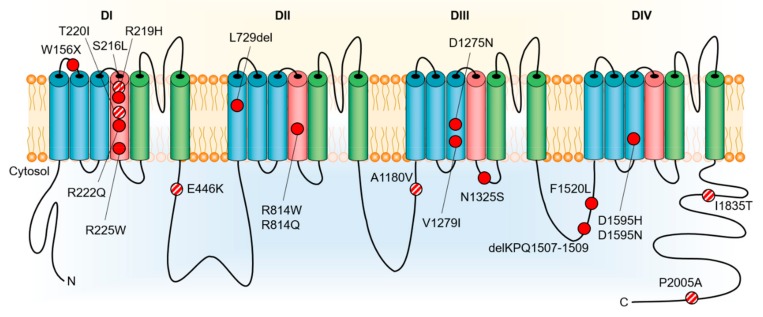
A key emerging theme in translational cardiovascular medicine is the need to identify specific causes of arrhythmias and heart failure, defined by phenotype and/or genotype that will respond to a particular intervention. Unlike other genes implicated in hereditary arrhythmias and cardiomyopathies, pathogenic/likely pathogenic variants in the cardiac sodium channel alpha subunit gene () produce a remarkably diverse set of electrical and structural phenotypes, one of them being dilated cardiomyopathy. There has been debate about whether left ventricular remodeling is a bona fide phenotypic feature of cardiac sodium channel dysfunction, or a consequence of tachyarrhythmias or conduction disturbances. In light of recent findings, a critical digest of the available experimental and medical literature is necessary. This paper provides a critical appraisal of the evidence linking a dysfunctional cardiac sodium channel to ventricular dysfunction, and discusses the potential mechanisms involved in shaping this phenotype along with implications for precision therapy.
转化心血管医学中一个关键的新出现的主题是,需要确定心律失常和心力衰竭的具体病因,这些病因由表型和/或基因型定义,并将对特定干预产生反应。与其他与遗传性心律失常和心肌病相关的基因不同,心脏钠通道α亚基基因()中的致病/可能致病变异产生了一组非常多样化的电和结构表型,其中之一是扩张型心肌病。关于左心室重构是心脏钠通道功能障碍的真正表型特征,还是快速心律失常或传导障碍的结果,一直存在争议。鉴于最近的研究结果,有必要对现有的实验和医学文献进行批判性总结。本文对将功能失调的心脏钠通道与心室功能障碍联系起来的证据进行了批判性评估,并讨论了形成这种表型的潜在机制以及对精准治疗的影响。