Heart and Vascular Research Center, MetroHealth Campus, Case Western Reserve University, Cleveland, 44109, USA.
Department of Physiology and Biophysics, Case Western Reserve University, Cleveland, OH, 44106, USA.
Nat Commun. 2017 Dec 12;8(1):2077. doi: 10.1038/s41467-017-02262-0.
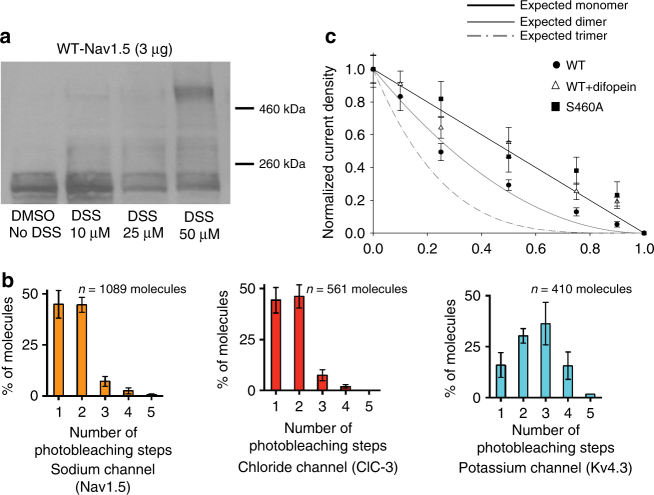
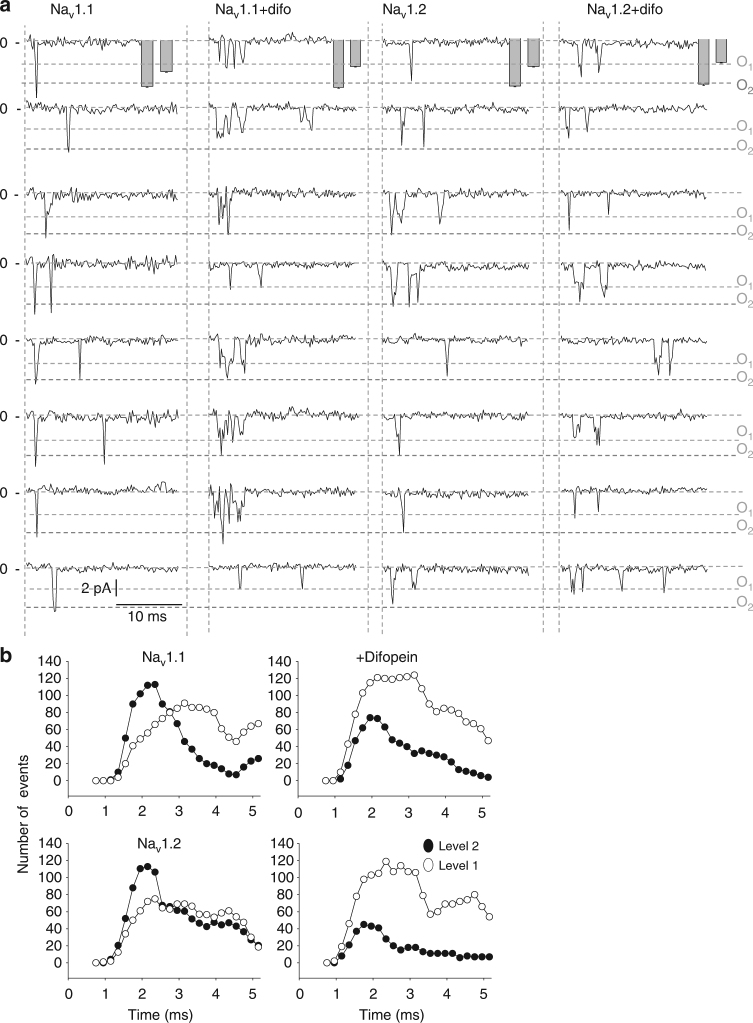
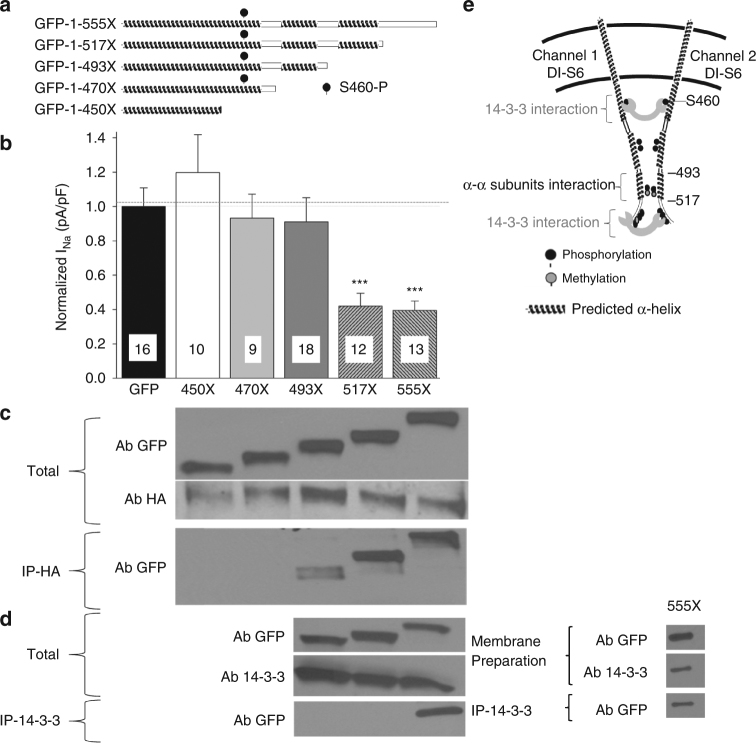
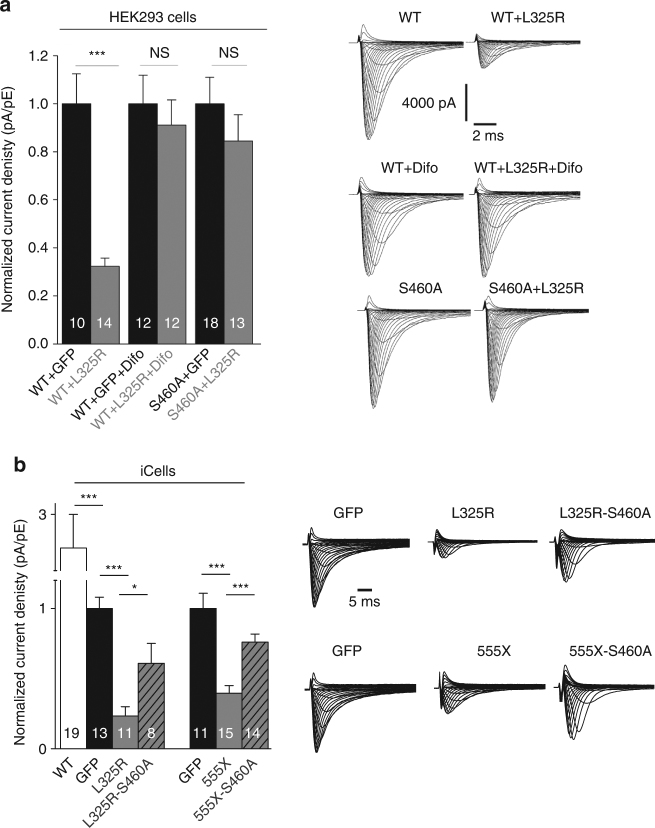
Fast opening and closing of voltage-gated sodium channels are crucial for proper propagation of the action potential through excitable tissues. Unlike potassium channels, sodium channel α-subunits are believed to form functional monomers. Yet, an increasing body of literature shows inconsistency with the traditional idea of a single α-subunit functioning as a monomer. Here we demonstrate that sodium channel α-subunits not only physically interact with each other but they actually assemble, function and gate as a dimer. We identify the region involved in the dimerization and demonstrate that 14-3-3 protein mediates the coupled gating. Importantly we show conservation of this mechanism among mammalian sodium channels. Our study not only shifts conventional paradigms in regard to sodium channel assembly, structure, and function but importantly this discovery of the mechanism involved in channel dimerization and biophysical coupling could open the door to new approaches and targets to treat and/or prevent sodium channelopathies.
电压门控钠离子通道的快速开启和关闭对于动作电位在可兴奋组织中的正常传播至关重要。与钾通道不同,人们认为钠离子通道的α亚基形成功能性单体。然而,越来越多的文献表明,传统的单个α亚基作为单体发挥作用的观点并不一致。在这里,我们证明钠离子通道α亚基不仅彼此物理相互作用,而且实际上作为二聚体组装、发挥功能和门控。我们确定了参与二聚化的区域,并证明了 14-3-3 蛋白介导偶联门控。重要的是,我们表明这种机制在哺乳动物钠离子通道中是保守的。我们的研究不仅改变了关于钠离子通道组装、结构和功能的传统范式,而且重要的是,这种对通道二聚化和生物物理偶联涉及的机制的发现,可以为治疗和/或预防钠离子通道病开辟新的方法和靶点。