Pharmacology Section, Department of Experimental Medicine, Università degli Studi di Perugia, Perugia, Italy.
Pediatric Clinic, Department of Surgical and Biomedical Sciences, Università degli Studi di Perugia, Piazza Menghini 1, 06129, Perugia, Italy.
J Transl Med. 2019 Jul 23;17(1):238. doi: 10.1186/s12967-019-1993-1.
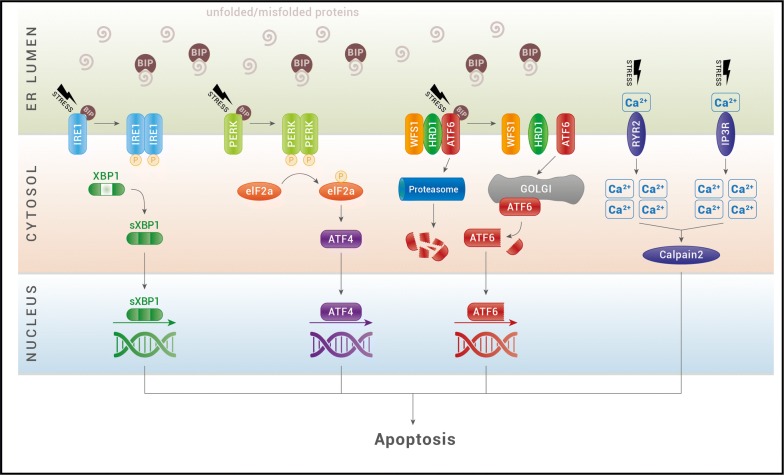
Wolfram syndrome (WS), a rare genetic disorder, is considered the best prototype of endoplasmic reticulum (ER) diseases. Classical WS features are childhood-onset diabetes mellitus, optic atrophy, deafness, diabetes insipidus, neurological signs, and other abnormalities. Two causative genes (WFS1 and WFS2) have been identified. The transmission of the disease takes place in an autosomal recessive mode but autosomal dominant mutations responsible for WS-related disorders have been described. Prognosis is poor, death occurs at the median age of 39 years with a major cause represented by respiratory failure as a consequence of brain stem atrophy and neurodegeneration. The aim of this narrative review is to focus on etiology, pathogenesis and natural history of WS for an adequate patient management and for the discussion of future therapeutic interventions.
WS requires a multidisciplinary approach in order to be successfully treated. A prompt diagnosis decreases morbidity and mortality through prevention and treatment of complications. Being a monogenic pathology, WS represents a perfect model to study the mechanisms of ER stress and how this condition leads to cell death, in comparison with other prevalent diseases in which multiple factors interact to produce the disease manifestations. WS is also an important disease prototype to identify drugs and molecules associated with ER homeostasis. Evidence indicates that specific metabolic diseases (type 1 and type 2 diabetes), neurodegenerative diseases, atherosclerosis, inflammatory pathologies and also cancer are closely related to ER dysfunction.
Therapeutic strategies in WS are based on drug repurposing (i.e., investigation of approved drugs for novel therapeutic indications) with the aim to stop the progression of the disease by reducing the endoplasmic reticulum stress. An extensive understanding of WS from pathophysiology to therapy is fundamental and more studies are necessary to better manage this devastating disease and guarantee the patients a better quality of life and longer life expectancy.
Wolfram 综合征(WS)是一种罕见的遗传性疾病,被认为是内质网(ER)疾病的最佳原型。WS 的经典特征包括儿童期发病的糖尿病、视神经萎缩、耳聋、尿崩症、神经症状和其他异常。已经确定了两个致病基因(WFS1 和 WFS2)。该疾病以常染色体隐性方式传播,但已描述了负责 WS 相关疾病的常染色体显性突变。预后较差,中位死亡年龄为 39 岁,主要死因是由于脑干萎缩和神经退行性变导致的呼吸衰竭。本文叙述性综述的目的是重点讨论 WS 的病因、发病机制和自然史,以便进行适当的患者管理,并讨论未来的治疗干预措施。
WS 需要多学科方法进行治疗,以便成功治疗。通过预防和治疗并发症,及早诊断可降低发病率和死亡率。作为一种单基因疾病,WS 是研究内质网应激机制以及这种情况如何导致细胞死亡的完美模型,与其他常见疾病相比,后者涉及多种因素相互作用导致疾病表现。WS 也是识别与内质网稳态相关的药物和分子的重要疾病原型。有证据表明,特定的代谢疾病(1 型和 2 型糖尿病)、神经退行性疾病、动脉粥样硬化、炎症性疾病以及癌症与内质网功能障碍密切相关。
WS 的治疗策略基于药物再利用(即,研究已批准用于新治疗适应症的药物),目的是通过减轻内质网应激来阻止疾病进展。从病理生理学到治疗学,对 WS 的广泛了解是基础,需要进行更多的研究,以更好地管理这种毁灭性疾病,并保证患者有更好的生活质量和更长的预期寿命。