Gupta Shikha, Pandey Sangeeta
Amity Institute of Organic Agriculture, Amity University, Noida, India.
Front Microbiol. 2019 Jul 9;10:1506. doi: 10.3389/fmicb.2019.01506. eCollection 2019.
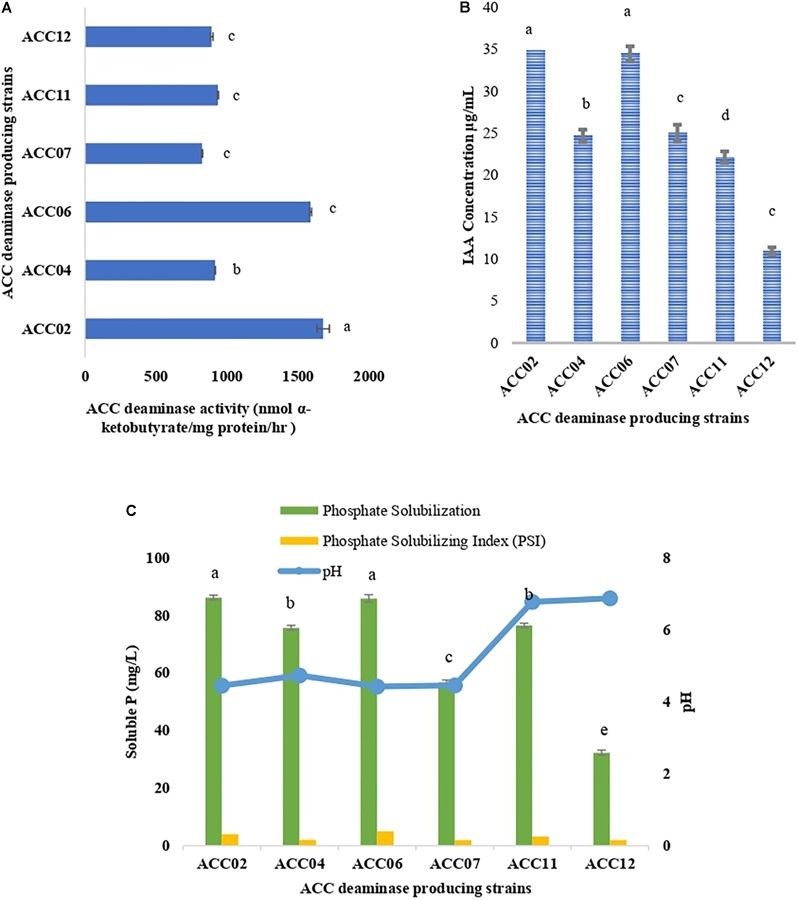
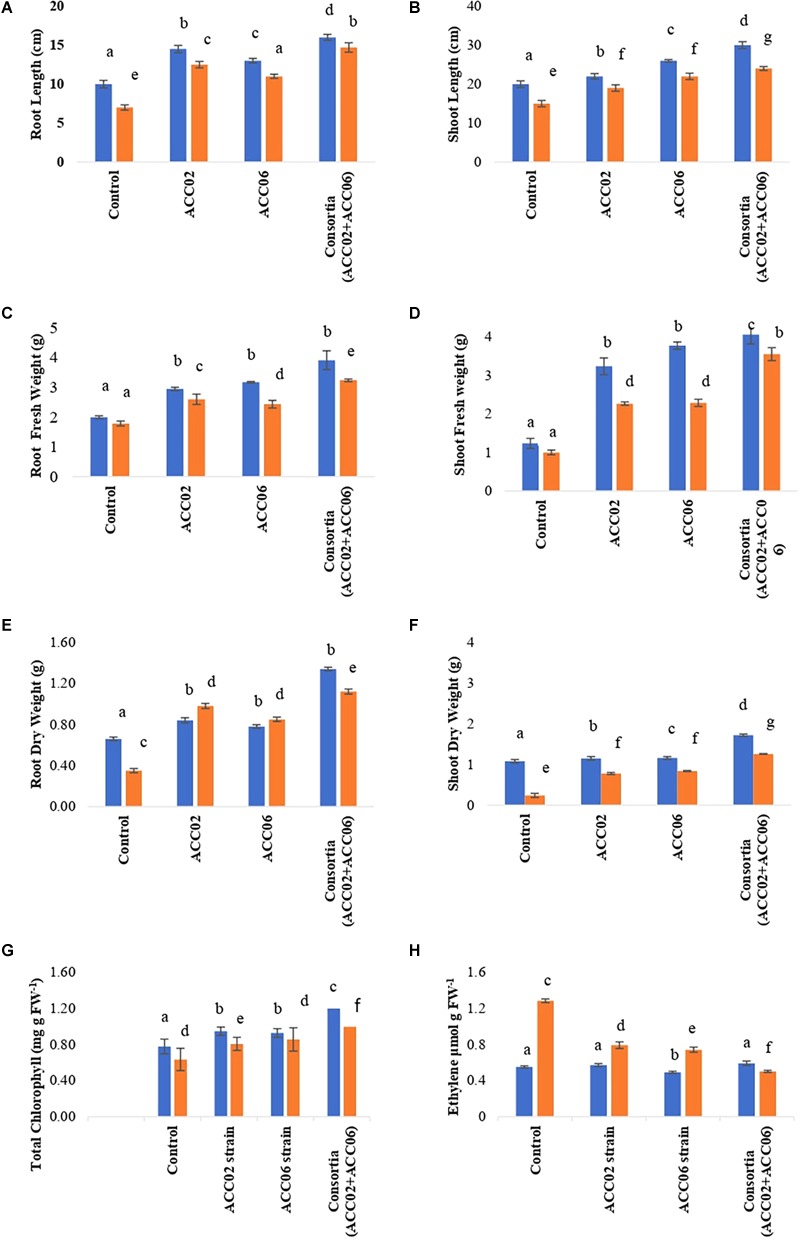
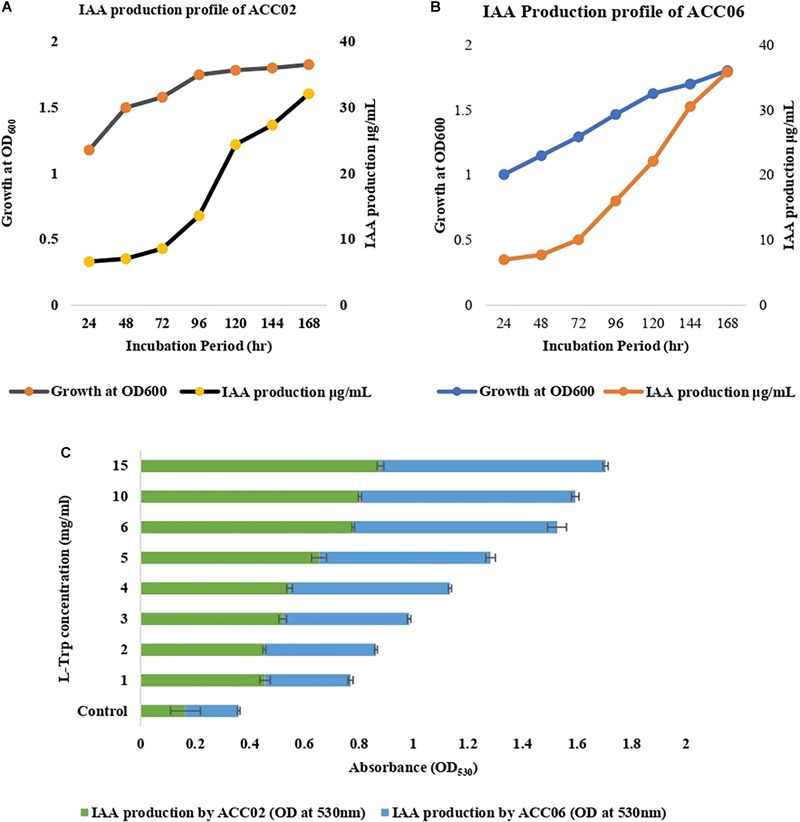
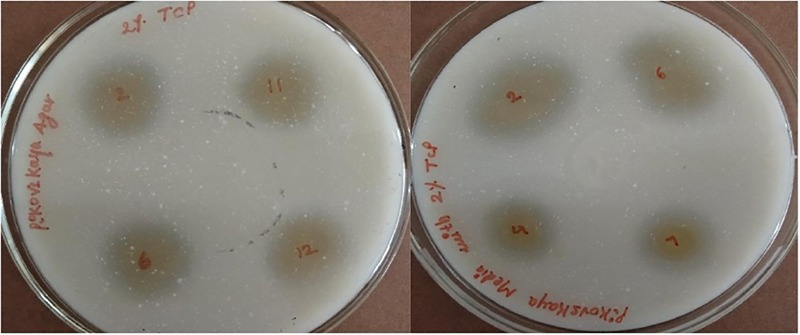
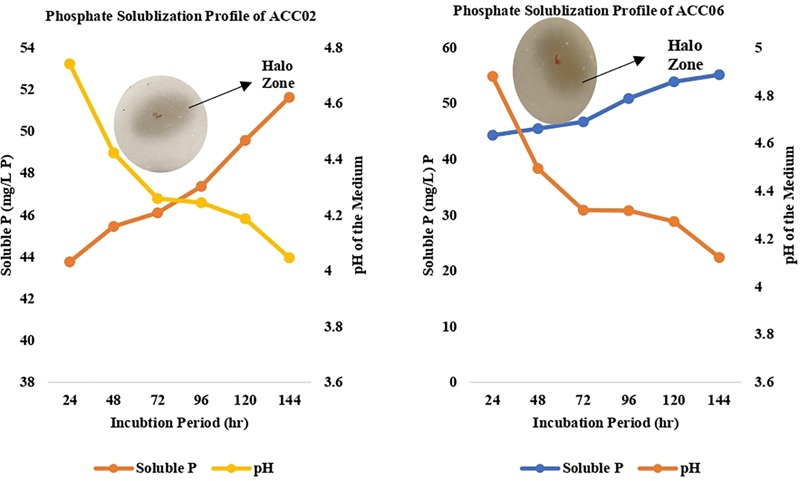
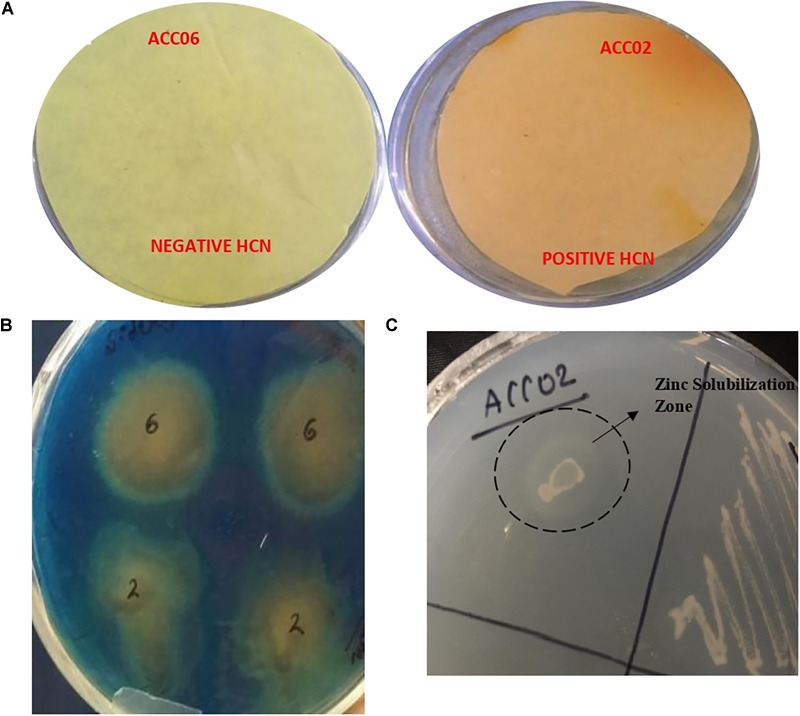
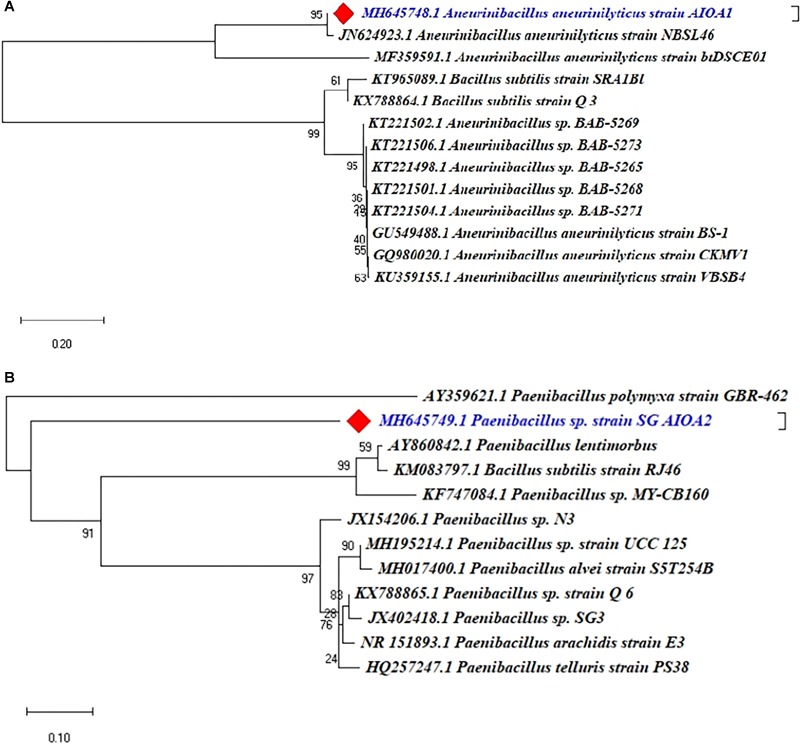
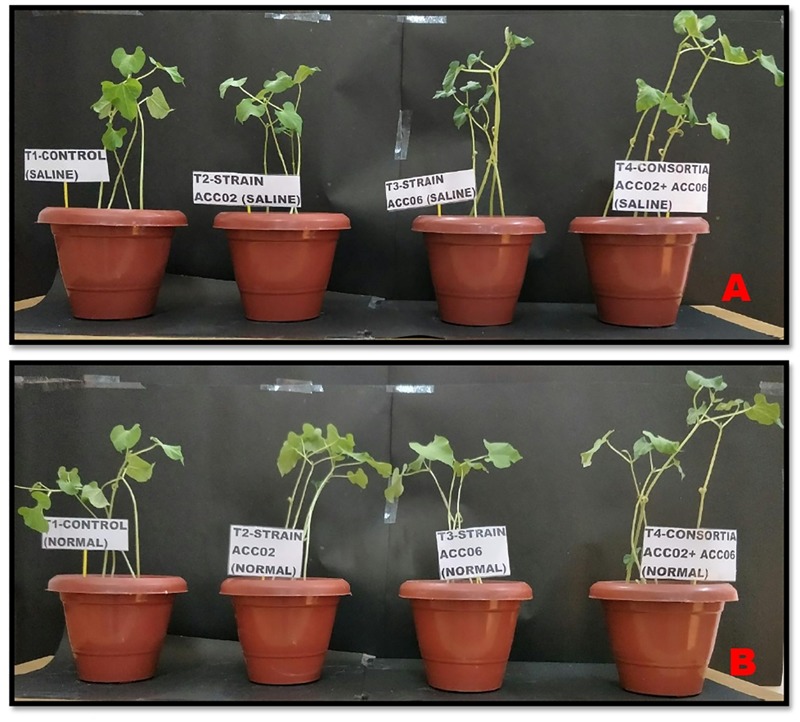
Plant growth promoting rhizobacteria (PGPR) with 1-aminocyclopropane-1-carboxylic acid (ACC) deaminase activity has the potential to promote plant growth and development under adverse environmental conditions. In the present study, rhizobacterial strains were isolated from Garlic () rhizosphere and were screened ACC deaminase activity in DF salt minimal media supplemented with 3 mM ACC. Out of six isolates, two could degrade ACC into α-ketobutyrate, exhibiting ACC deaminase activity producing more than ∼1500 nmol of α-ketobutyrate mg protein h, and assessed for other plant growth promoting (PGP) functions including indole acetic acid production (greater than ∼30 μg/ml), siderophore, Ammonia, Hydrogen cyanide production and inorganic Ca(PO) (∼85 mg/L) and ZnSO solubilization. Besides facilitating multifarious PGP activities, these two isolates augmented stress tolerance in response to 6% w/v NaCl salt stress and drought stress (-0.73 Mpa). The strains ACC02 and ACC06 were identified and sp., respectively on the basis of 16S rDNA gene sequence analysis and were evaluated for growth promoting potential in French bean seedlings under non-saline and salinity stress conditions through pot experiments. The seed bacterization by ACC02 and ACC06 revealed that treatment of plants with bacterial isolates in the form of consortia significantly declined (∼60%) stress stimulated ethylene levels and its associated growth inhibition by virtue of their ACC deaminase activity. The consortia treatment alleviated the negative effects of salinity stress and increased root length (110%), root fresh weight (∼45%), shoot length (60%), shoot fresh weight (255%), root biomass (220%), shoot biomass (425%), and total chlorophyll content (∼57%) of French bean seedlings subjected to salinity stress.
具有1-氨基环丙烷-1-羧酸(ACC)脱氨酶活性的植物促生根际细菌(PGPR)有潜力在不利环境条件下促进植物生长发育。在本研究中,从大蒜根际分离出根际细菌菌株,并在添加3 mM ACC的DF盐基本培养基中筛选ACC脱氨酶活性。在六个分离株中,有两个能够将ACC降解为α-酮丁酸,表现出ACC脱氨酶活性,产生超过约1500 nmol的α-酮丁酸/毫克蛋白/小时,并评估了其他植物促生长(PGP)功能,包括吲哚乙酸产生(大于约30 μg/ml)、铁载体、氨、氰化氢产生以及无机Ca(PO)(约85 mg/L)和ZnSO溶解。除了促进多种PGP活性外,这两个分离株还增强了对6% w/v NaCl盐胁迫和干旱胁迫(-0.73 Mpa)的胁迫耐受性。根据16S rDNA基因序列分析,菌株ACC02和ACC06分别被鉴定为 和 ,并通过盆栽试验评估了它们在非盐和盐胁迫条件下对菜豆幼苗的促生长潜力。用ACC02和ACC06进行种子细菌接种表明,以联合体形式用细菌分离株处理植物,由于其ACC脱氨酶活性,显著降低了(约60%)胁迫刺激的乙烯水平及其相关的生长抑制。联合体处理减轻了盐胁迫的负面影响,增加了盐胁迫下菜豆幼苗的根长(110%)、根鲜重(约45%)、地上部长度(60%)、地上部鲜重(255%)、根生物量(220%)、地上部生物量(425%)和总叶绿素含量(约57%)。