Schott Juliane W, León-Rico Diego, Ferreira Carolina B, Buckland Karen F, Santilli Giorgia, Armant Myriam A, Schambach Axel, Cavazza Alessia, Thrasher Adrian J
Infection, Immunity and Inflammation Program, Molecular and Cellular Immunology Section, UCL Great Ormond Street Institute of Child Health, University College London, London WC1N 1EH, UK.
Division of Hematology/Oncology, Boston Children's Hospital, Harvard Medical School, Boston, MA 02115, USA.
Mol Ther Methods Clin Dev. 2019 Jun 7;14:134-147. doi: 10.1016/j.omtm.2019.05.015. eCollection 2019 Sep 13.
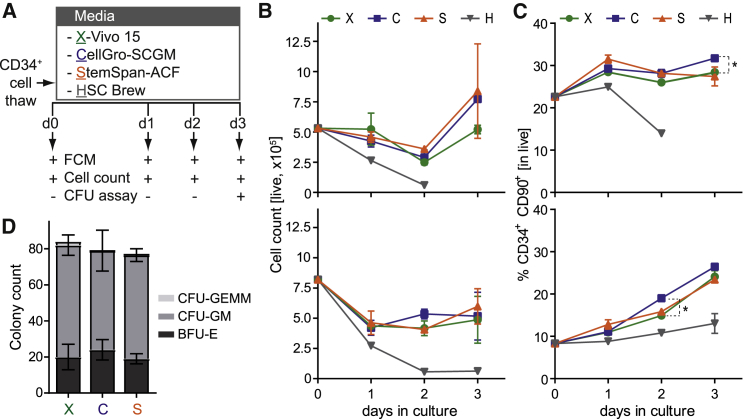
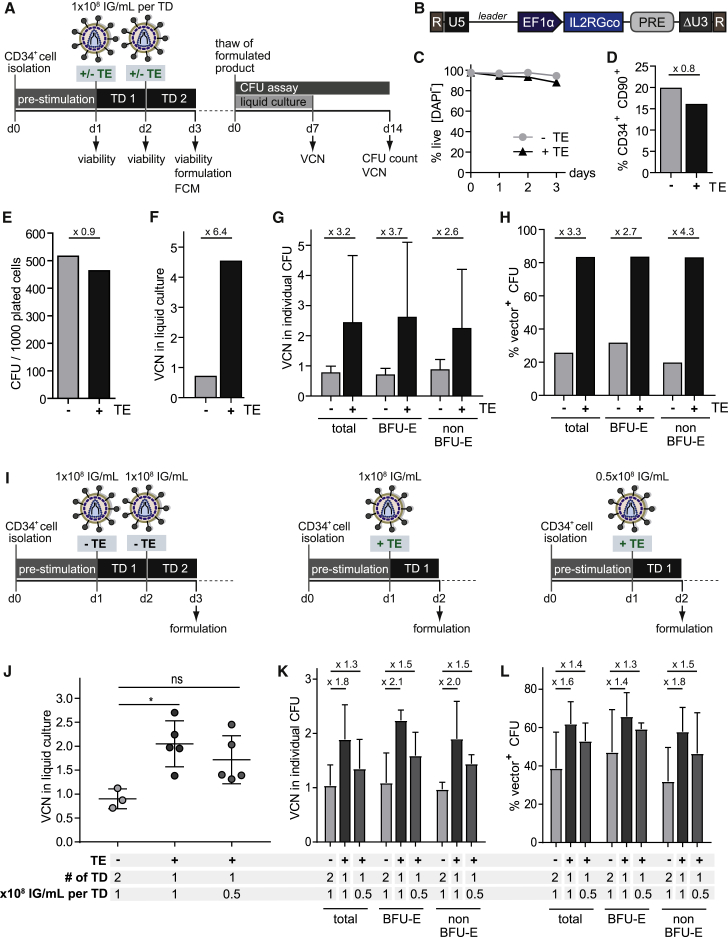
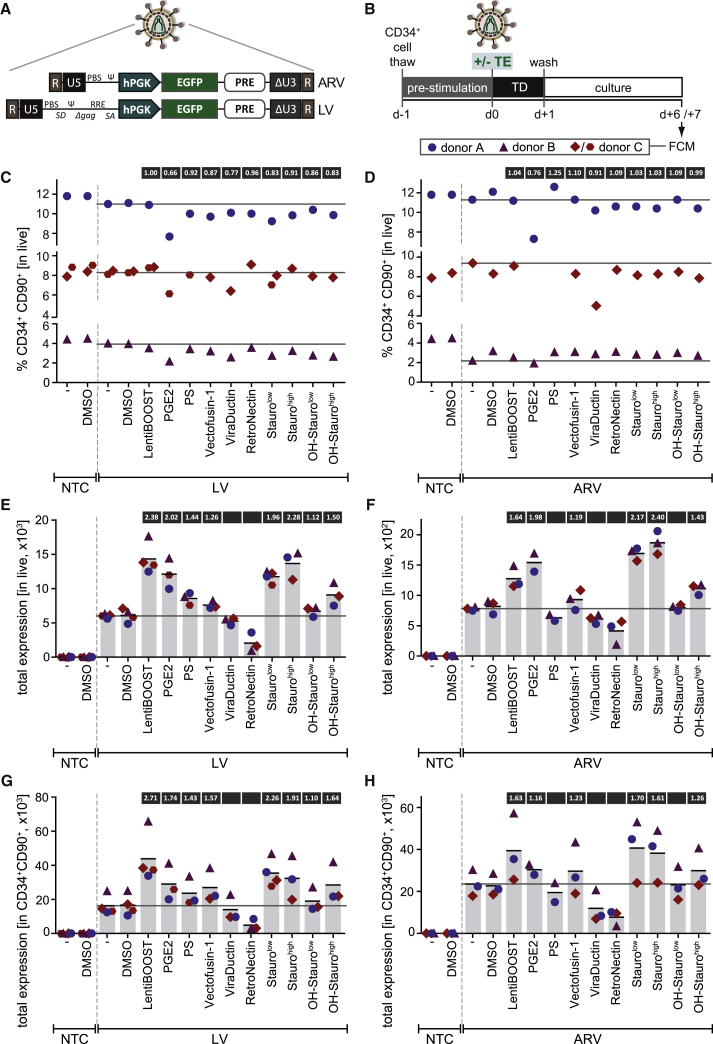
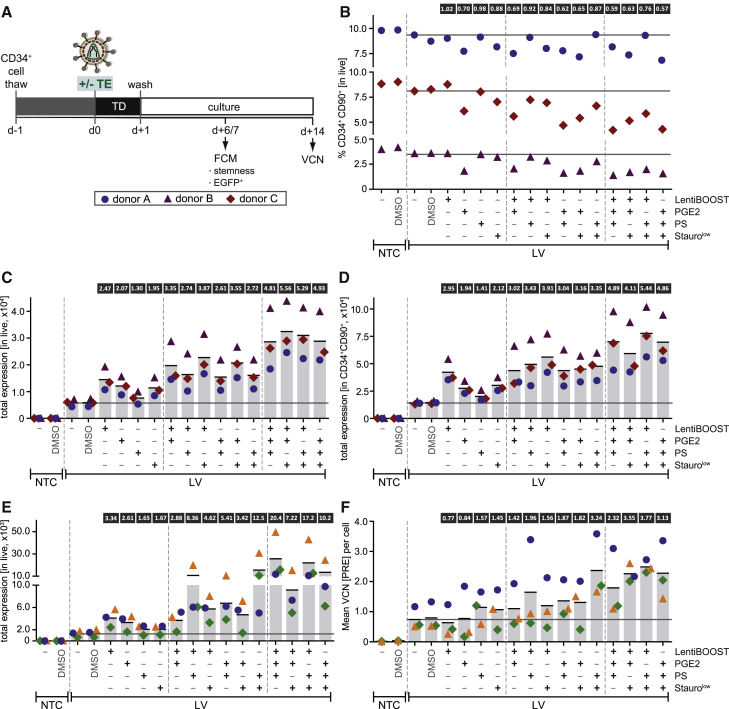
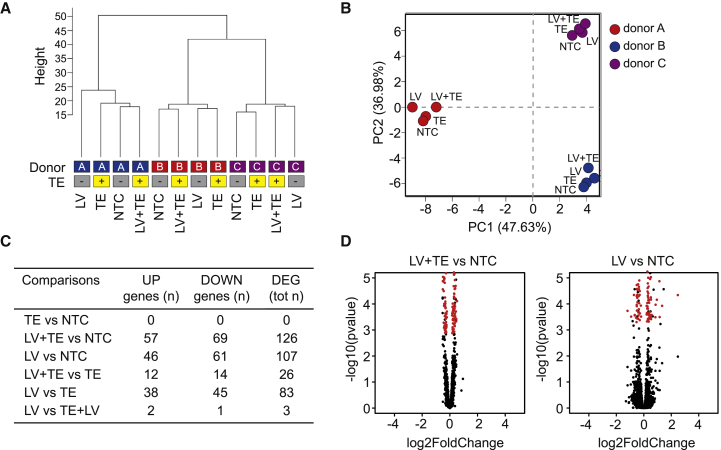
retroviral gene transfer into CD34 hematopoietic stem and progenitor cells (HSPCs) has demonstrated remarkable clinical success in gene therapy for monogenic hematopoietic disorders. However, little attention has been paid to enhancement of culture and transduction conditions to achieve reliable effects across patient and disease contexts and to maximize potential vector usage and reduce treatment cost. We systematically tested three HSPC culture media manufactured to cGMP and eight previously described transduction enhancers (TEs) to develop a state-of-the-art clinically applicable protocol. Six TEs enhanced lentiviral (LV) and five TEs facilitated alpharetroviral (ARV) CD34 HSPC transduction when used alone. Combinatorial TE application tested with LV vectors yielded more potent effects, with up to a 5.6-fold increase in total expression of a reporter gene and up to a 3.8-fold increase in VCN. Application of one of the most promising combinations, the poloxamer LentiBOOST and protamine sulfate, for GMP-compliant manufacturing of a clinical-grade advanced therapy medicinal product (ATMP) increased total VCN by over 6-fold, with no major changes in global gene expression profiles or inadvertent loss of CD34CD90 HSPC populations. Application of these defined culture and transduction conditions is likely to significantly improve gene therapy manufacturing protocols for HSPCs and downstream clinical efficacy.
将逆转录病毒基因导入CD34造血干细胞和祖细胞(HSPCs)已在单基因造血疾病的基因治疗中取得了显著的临床成功。然而,对于优化培养和转导条件以在不同患者和疾病背景下实现可靠效果、最大化潜在载体使用并降低治疗成本,人们关注较少。我们系统地测试了三种按照cGMP生产的HSPC培养基和八种先前描述的转导增强剂(TEs),以制定一种先进的临床适用方案。单独使用时,六种TEs增强了慢病毒(LV)转导,五种TEs促进了α逆转录病毒(ARV)对CD34 HSPC的转导。与LV载体一起测试的组合TE应用产生了更强的效果,报告基因的总表达量增加了5.6倍,病毒拷贝数(VCN)增加了3.8倍。应用最有前景的组合之一泊洛沙姆LentiBOOST和硫酸鱼精蛋白,用于符合GMP的临床级先进治疗药物产品(ATMP)的生产,使总VCN增加了6倍以上,同时全球基因表达谱没有重大变化,CD34⁺CD90⁺ HSPC群体也没有意外损失。应用这些确定的培养和转导条件可能会显著改善HSPCs的基因治疗生产方案以及下游临床疗效。