School of Pharmaceutical Sciences, Sun Yat-sen University, Guangzhou 510006, China.
Molecules. 2019 Jul 23;24(14):2673. doi: 10.3390/molecules24142673.
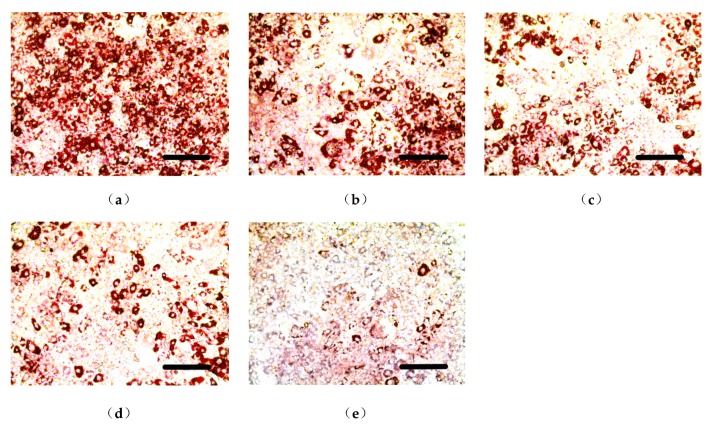
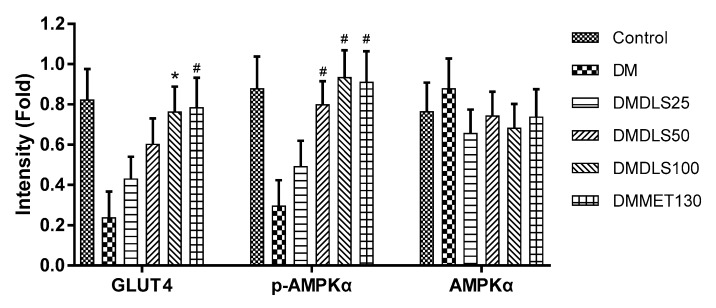
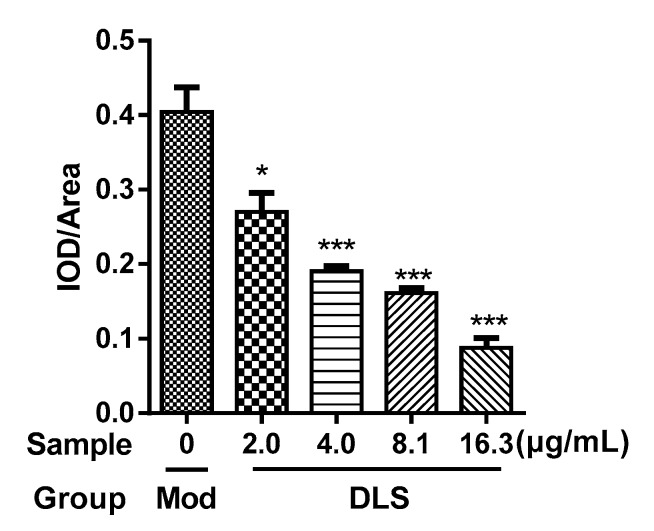
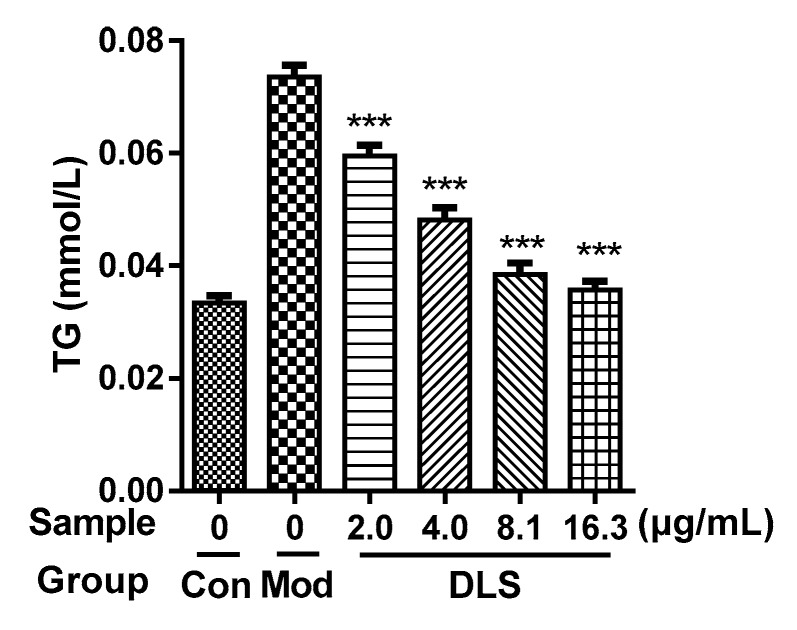
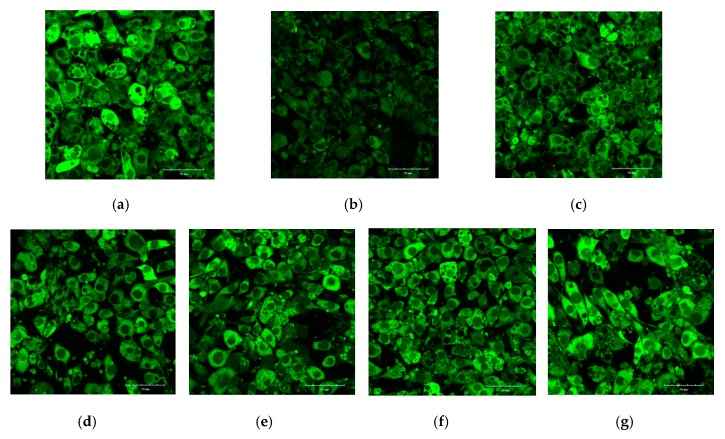
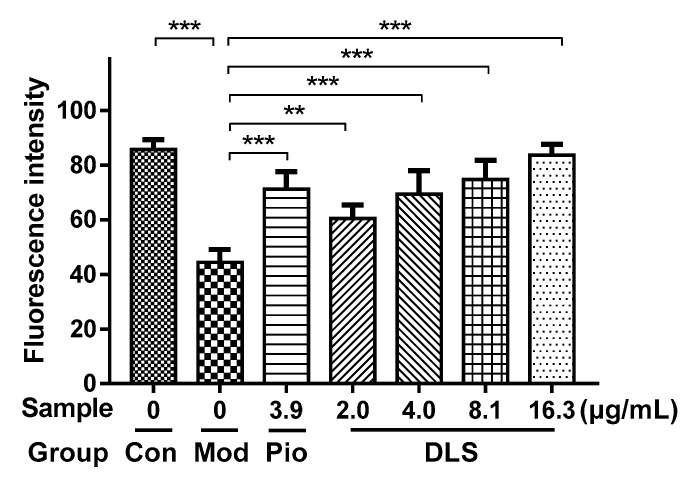
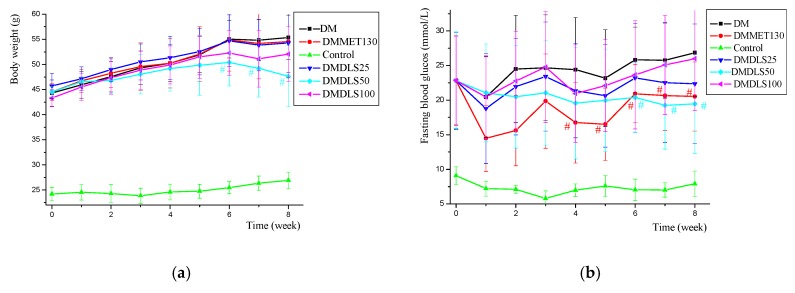
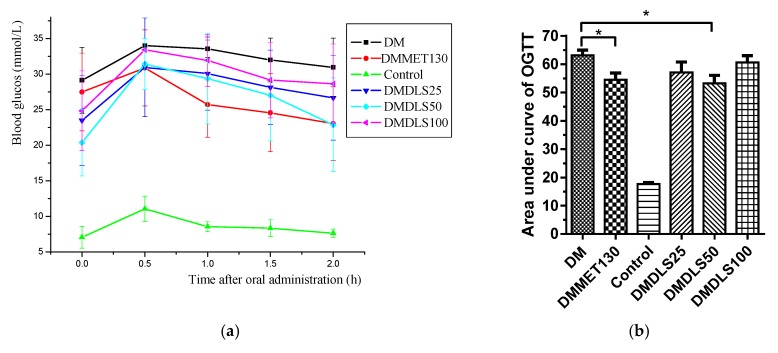
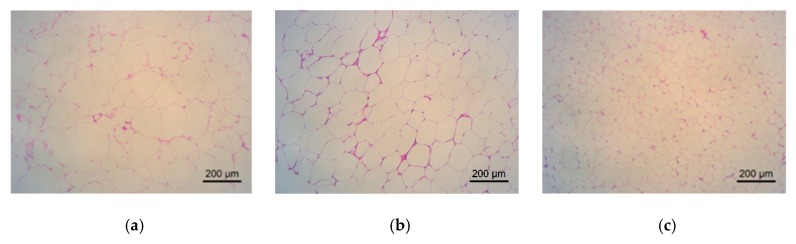
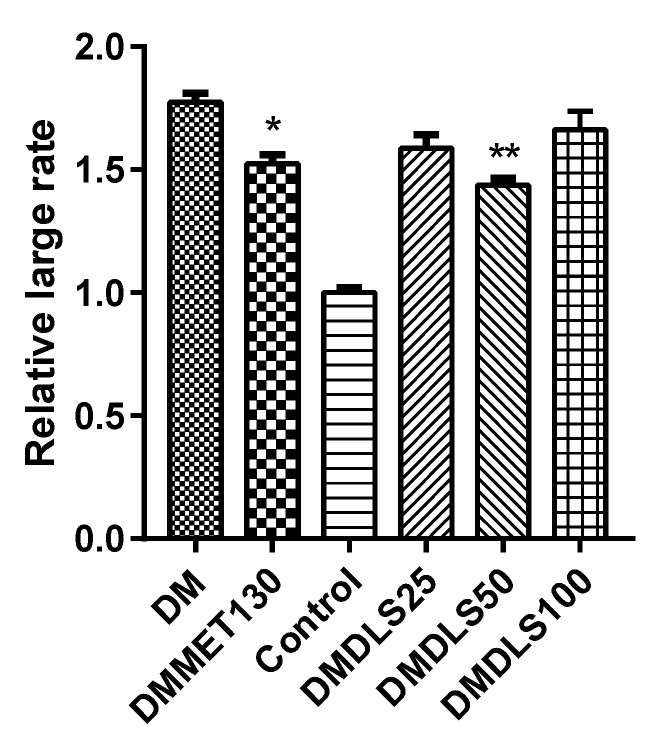
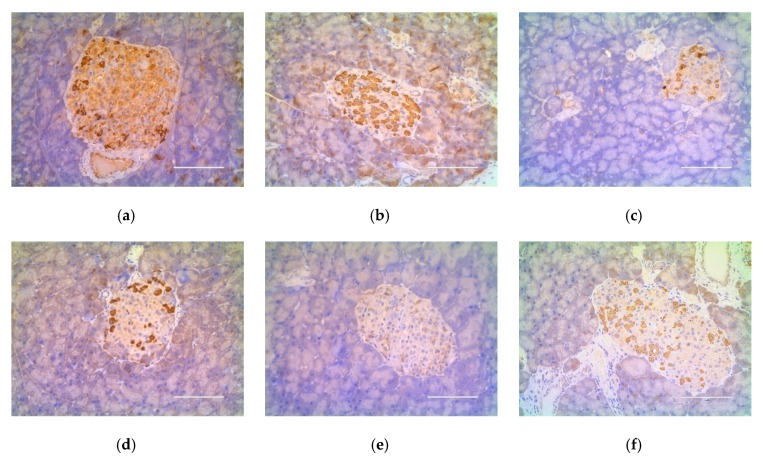
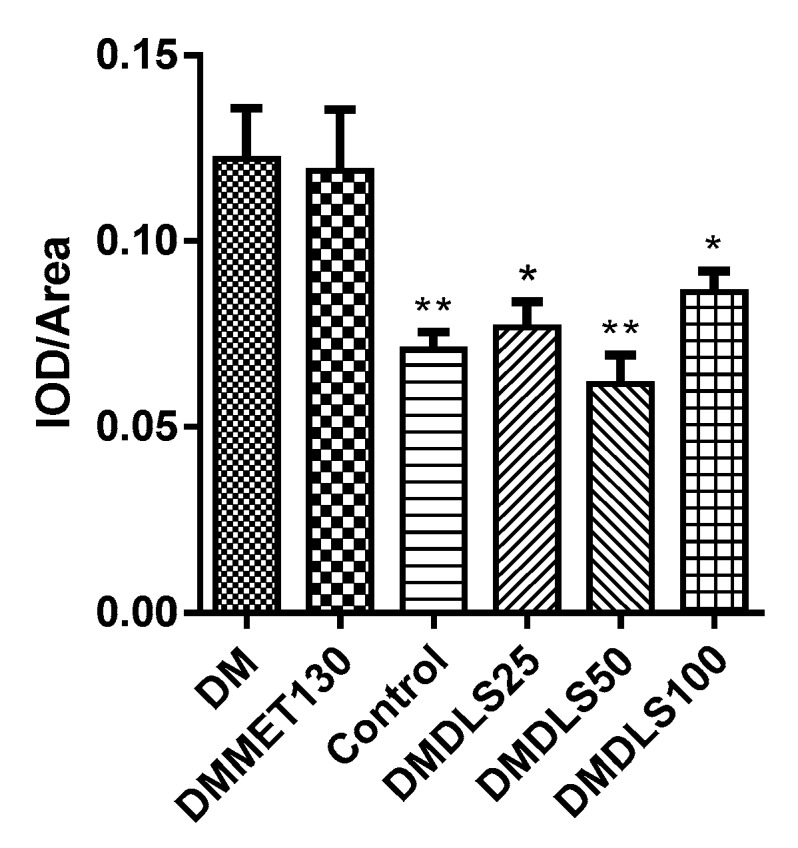
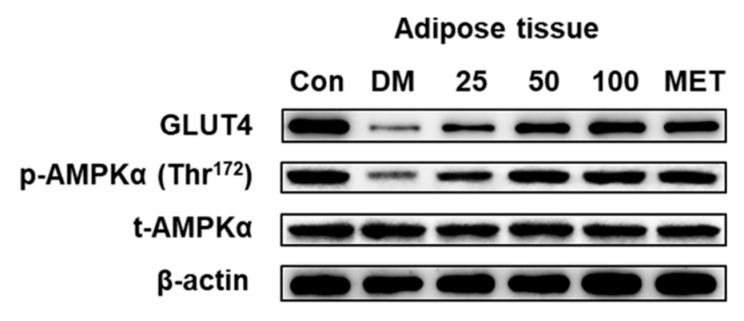
The stems of , a Chinese herb, are often used to treat diabetes and its polar extract is rich in shihunine, a water-soluble alkaloid, but little is known about the anti-diabetes effects and mechanism of shihunine. This study investigated the anti-diabetic effect of a shihunine-rich extract of (DLS) based on 3T3-L1 cells and db/db mice. The underlying mechanisms were primarily explored using Western blot analysis and immunohistochemical staining. The 3T3-L1 cell experiments showed that DLS can reduce the intracellular accumulation of oil droplets as well as triglycerides ( < 0.001) and promote the 2-[-(7-nitrobenz-2-oxa-1,3-diazol-4-yl)amino]-2deoxyglucose (2-NBDG) uptake of 3T3-L1 cells ( < 0.001). The animal experiments confirmed that after 8 weeks of DLS treatment, the body weight, fasting blood sugar, and serum lipid levels of mice were significantly lowered, and the oral glucose tolerance test and serum insulin level were significantly improved compared to the no-treatment diabetes mellitus group. Further histomorphology observation led to the conclusion that the quantities of islet cells were significantly increased and the increase in adipose cell size was significantly suppressed. The immunohistochemical test of pancreatic tissue revealed that DLS inhibited the expression of cleaved cysteine aspartic acid-specific protease 3 (cleaved caspase-3). Western blot experiments showed that DLS had agonistic effects on adenosine monophosphate (AMP)-activated protein kinase phosphorylation (p-AMPK) and increased the expression levels of peroxisome proliferator-activated receptor α (PPARα) and glucose transporter 4 (GLUT4) in liver or adipose tissues. These data suggest that the shihunine-rich extract of is an anti-diabetic fraction of . Under our experimental condition, DLS at a dose of 50 mg/kg has good anti-diabetic efficacy.
作为一种中国草药, 的茎常用于治疗糖尿病,其极性提取物富含石杉堿甲,这是一种水溶性生物碱,但对石杉堿甲的抗糖尿病作用及其机制知之甚少。本研究基于 3T3-L1 细胞和 db/db 小鼠,探讨了富含石杉堿甲的 提取物(DLS)的抗糖尿病作用。主要通过 Western blot 分析和免疫组织化学染色来探索其潜在机制。3T3-L1 细胞实验表明,DLS 可以减少细胞内油滴和三酰甘油的积累(<0.001),并促进 3T3-L1 细胞摄取 2-[-(7-硝基苯并-2-氧代-1,3-二唑-4-基)氨基]-2-脱氧葡萄糖(2-NBDG)(<0.001)。动物实验证实,经过 8 周的 DLS 治疗后,与未治疗的糖尿病组相比,小鼠的体重、空腹血糖和血清脂质水平显著降低,口服糖耐量试验和血清胰岛素水平显著改善。进一步的组织形态学观察得出结论,胰岛细胞数量显著增加,脂肪细胞大小的增加得到显著抑制。胰腺组织的免疫组化测试表明,DLS 抑制了半胱氨酸天冬氨酸特异性蛋白酶 3(cleaved caspase-3)的表达。Western blot 实验表明,DLS 对腺苷单磷酸(AMP)激活的蛋白激酶磷酸化(p-AMPK)具有激动作用,并增加了肝脏或脂肪组织中过氧化物酶体增殖物激活受体 α(PPARα)和葡萄糖转运蛋白 4(GLUT4)的表达水平。这些数据表明,富含石杉堿甲的 提取物是 的一种抗糖尿病成分。在我们的实验条件下,50mg/kg 的 DLS 具有良好的抗糖尿病疗效。