Gaeta Eugenio, Beltrán-Jaunsaras María Eugenia, Cea Gloria, Spieler Bernadette, Burton Andrew, García-Betances Rebeca Isabel, Cabrera-Umpiérrez María Fernanda, Brown David, Boulton Helen, Arredondo Waldmeyer María T
LifeSTech, Department of Photonics and Bioengineering, Escuela Técnica Superior de Ingenieros de Telecomunicación, Universidad Politécnica de Madrid, Avenida Complutense nº 30, Ciudad Universitaria 28040 Madrid, Spain.
Graz University of Technology, Institute for Software Technology, Inffeldgasse 13/V, 8010 Graz, Austria.
Sensors (Basel). 2019 Jul 24;19(15):3251. doi: 10.3390/s19153251.
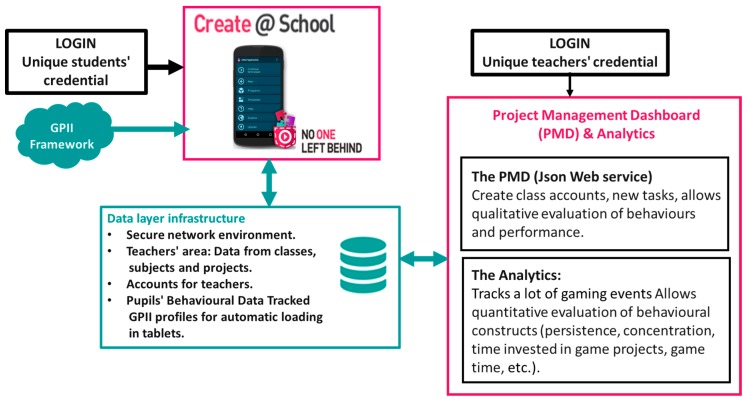
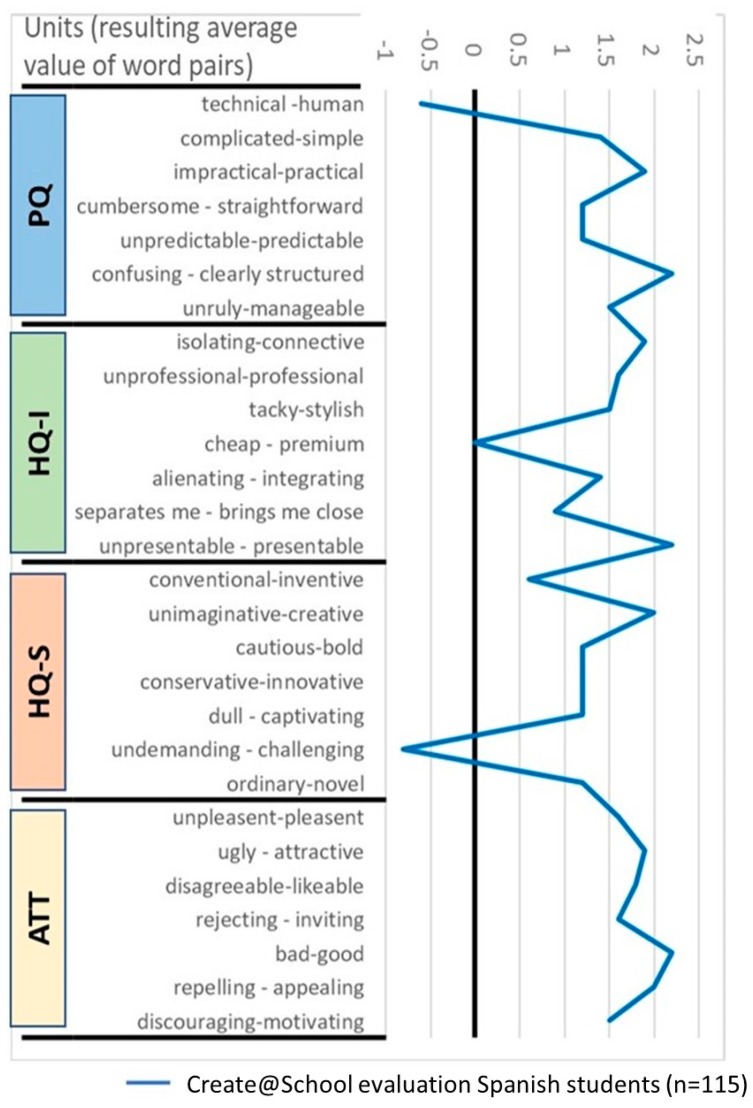
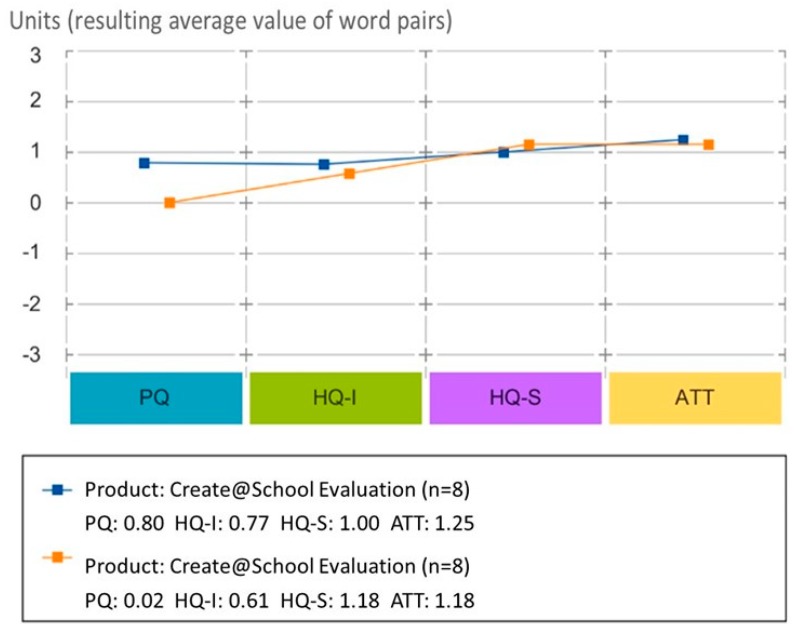
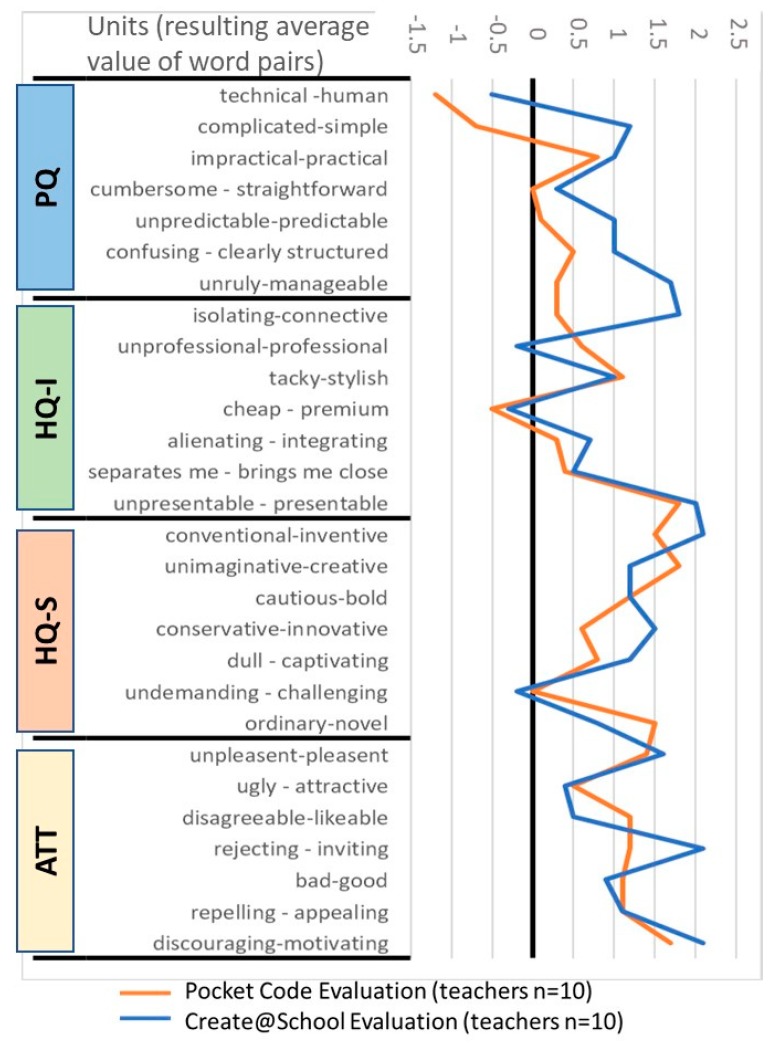
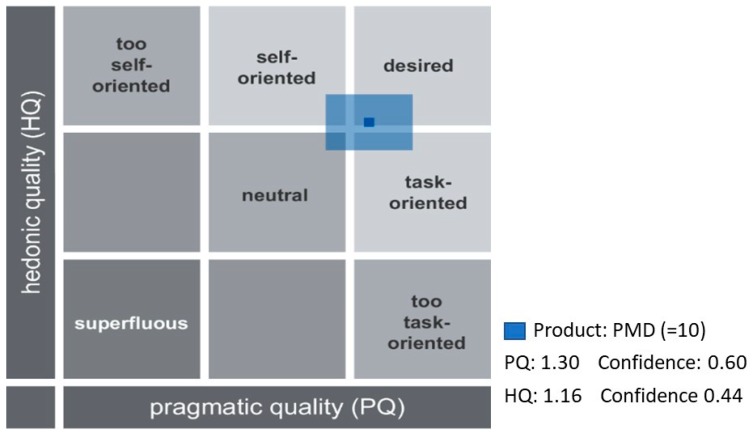
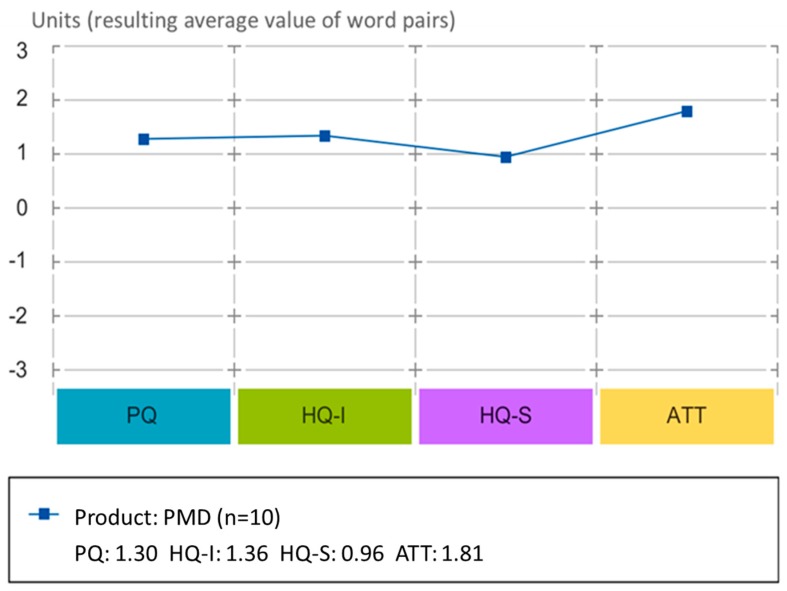
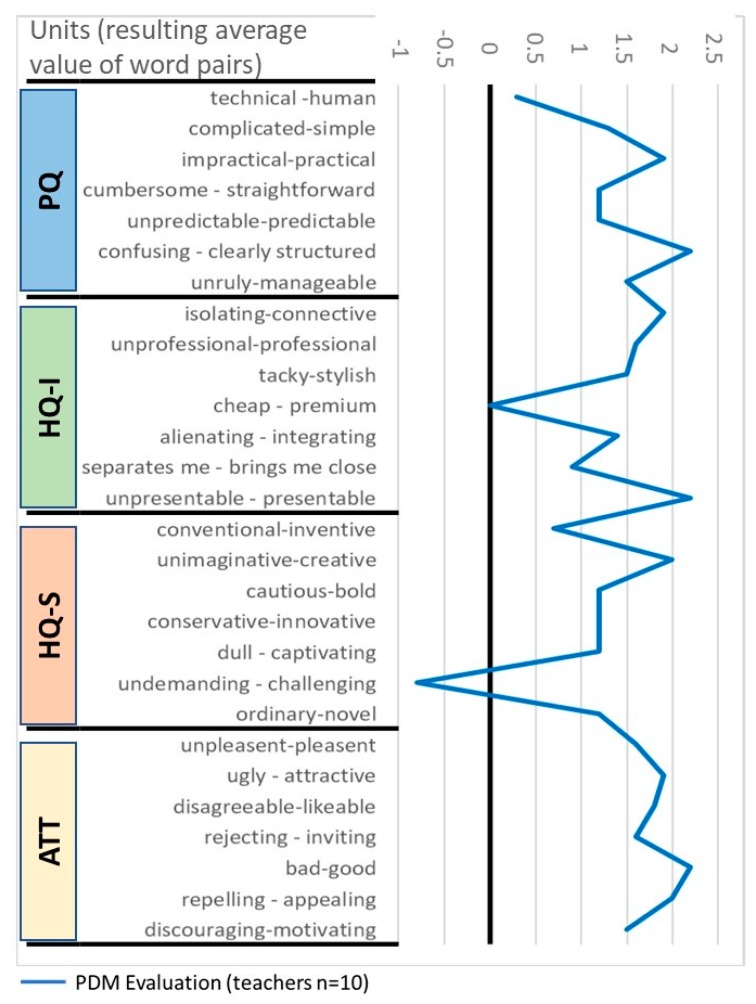
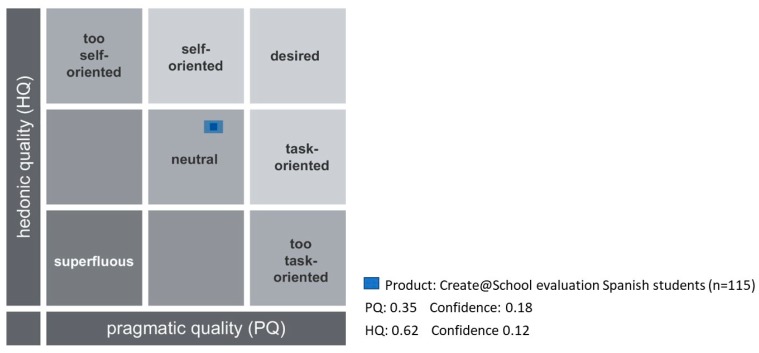
The constructivist approach is interested in creating knowledge through active engagement and encourages students to build their knowledge from their experiences in the world. Learning through digital game making is a constructivist approach that allows students to learn by developing their own games, enhancing problem-solving skills and fostering creativity. In this context two tools, Create@School App and the Project Management Dashboard (PMD), were developed to enable students from different countries to be able to adapt their learning material by programming and designing games for their academic subjects, therefore integrating the game mechanics, dynamics, and aesthetics into the academic curriculum. This paper focuses on presenting the validation context as well as the evaluation of these tools. The Hassenzahl model and AttrakDiff survey were used for measuring users' experience and satisfaction, and for understanding emotional responses, thus providing information that enables testing of the acceptability and usability of the developed apps. After two years of usage of code-making apps (i.e., Create@School and its pre-design version Pocket Code), the pupils processed knowledge from their academic subjects spontaneously as game-based embedded knowledge. The students demonstrated creativity, a practical approach, and enthusiasm regarding making games focused on academic content that led them to learning, using mobile devices, sensors, images, and contextual information. This approach was widely accepted by students and teachers as part of their everyday class routines.
建构主义方法关注通过积极参与来创造知识,并鼓励学生从他们在世界中的经历构建自己的知识。通过数字游戏制作进行学习是一种建构主义方法,它允许学生通过开发自己的游戏来学习,提高解决问题的能力并培养创造力。在这种背景下,开发了两个工具,即“学校创建应用程序”(Create@School App)和项目管理仪表板(PMD),以使来自不同国家的学生能够通过为他们的学术科目编程和设计游戏来调整他们的学习材料,从而将游戏机制、动态和美学融入学术课程。本文重点介绍这些工具的验证背景以及评估情况。使用哈森扎尔模型(Hassenzahl model)和AttrakDiff调查问卷来衡量用户体验和满意度,并了解情感反应,从而提供能够测试所开发应用程序的可接受性和可用性的信息。在使用代码制作应用程序(即“学校创建应用程序”及其预设计版本“口袋代码”(Pocket Code))两年后,学生们将来自学术科目的知识自然地处理为基于游戏的嵌入式知识。学生们在制作专注于学术内容的游戏方面展现出创造力、实用方法和热情,这促使他们利用移动设备、传感器、图像和上下文信息进行学习。这种方法作为日常课堂教学的一部分被学生和教师广泛接受。