Liddle A, Webb M, Clement N, Green S, Liddle J, German M, Holland J
Northern Deanery, Royal Victoria Infirmary, Newcastle Upon Tyne, UK.
St George's Hospital London, London, UK.
Bone Joint Res. 2019 Jul 5;8(6):246-252. doi: 10.1302/2046-3758.86.BJR-2018-0313.R1. eCollection 2019 Jun.
Previous studies have evidenced cement-in-cement techniques as reliable in revision arthroplasty. Commonly, the original cement mantle is reshaped, aiding accurate placement of the new stem. Ultrasonic devices selectively remove cement, preserve host bone, and have lower cortical perforation rates than other techniques. As far as the authors are aware, the impact of ultrasonic devices on final cement-in-cement bonds has not been investigated. This study assessed the impact of cement removal using the Orthosonics System for Cemented Arthroplasty Revision (OSCAR; Orthosonics) on final cement-in-cement bonds.
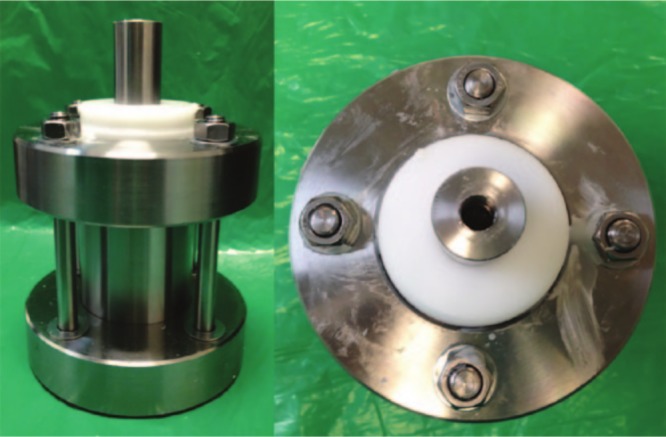
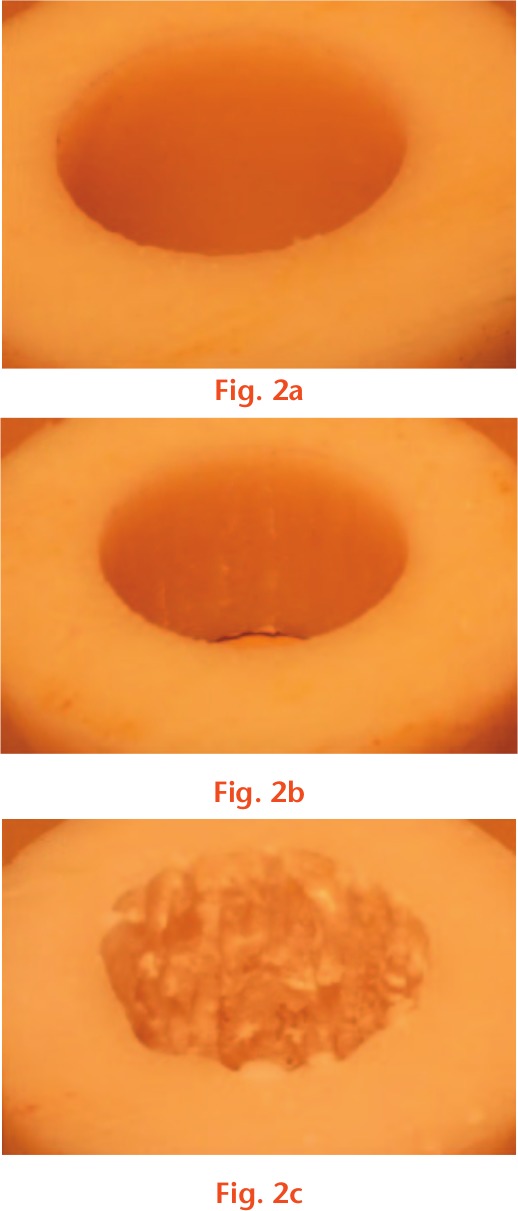
A total of 24 specimens were manufactured by pouring cement (Simplex P Bone Cement; Stryker) into stainless steel moulds, with a central rod polished to Stryker Exeter V40 specifications. After cement curing, the rods were removed and eight specimens were allocated to each of three internal surface preparation groups: 1) burr; 2) OSCAR; and 3) no treatment. Internal holes were recemented, and each specimen was cut into 5 mm discs. Shear testing of discs was completed by a technician blinded to the original grouping, recording ultimate shear strengths. Scanning electron microscopy (SEM) was completed, inspecting surfaces of shear-tested specimens.
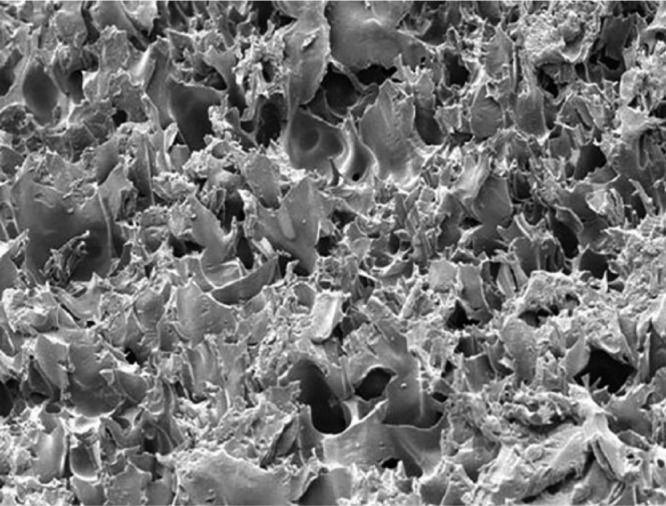
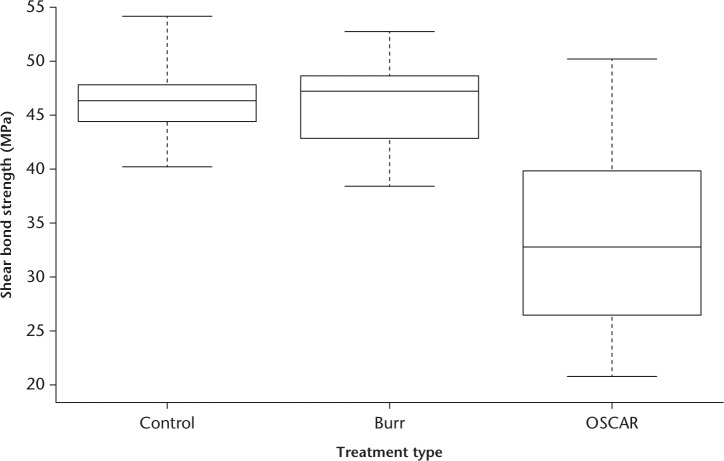
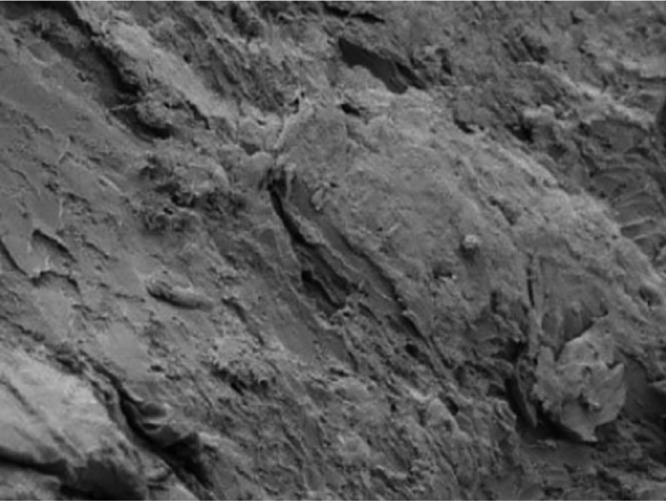
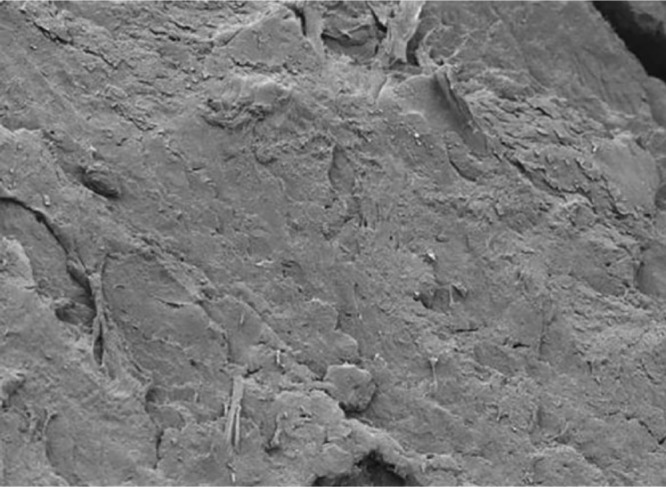
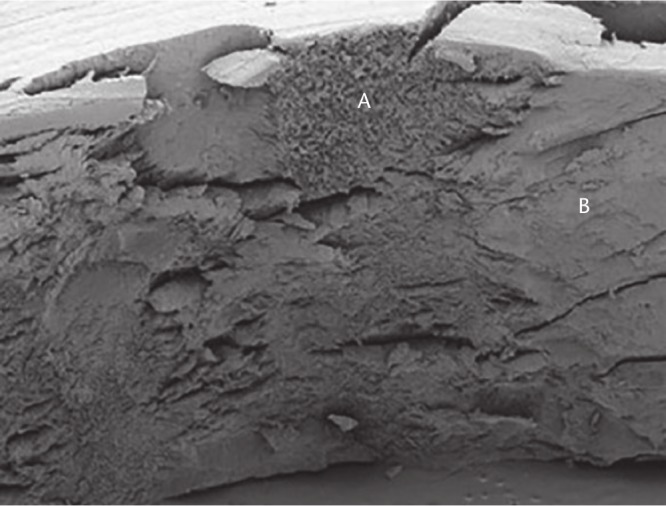
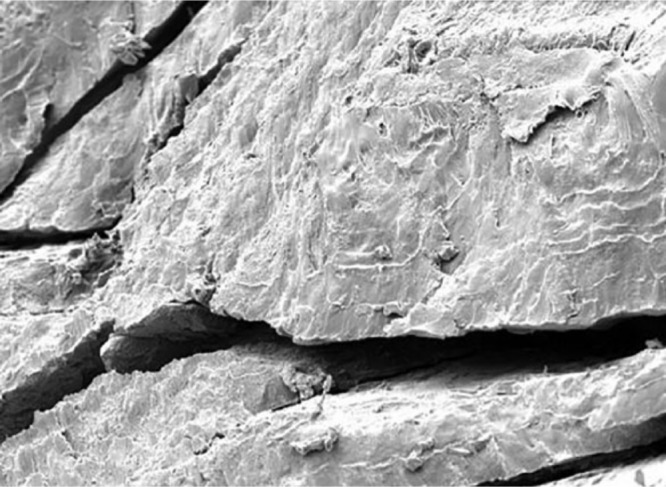
The mean shear strength for OSCAR-prepared specimens (33.6 MPa) was significantly lower than for the control (46.3 MPa) and burr (45.8 MPa) groups (p < 0.001; one-way analysis of variance (ANOVA) with Tukey's analysis). There was no significant difference in shear strengths between control and burr groups (p = 0.57). Scanning electron microscopy of OSCAR specimens revealed evidence of porosity undiscovered in previous studies.
Results show that the cement removal technique impacts on final cement-in-cement bonds. This study demonstrates significantly weaker bonds when using OSCAR prior to recementation into an old cement mantle compared with cement prepared with a burr or no treatment. This infers that care must be taken in surgical decision-making regarding cement removal techniques used during cement-in-cement revision arthroplasty, suggesting that the risks and benefits of ultrasonic cement removal need consideration.: A. Liddle, M. Webb, N. Clement, S. Green, J. Liddle, M. German, J. Holland. Ultrasonic cement removal in cement-in-cement revision total hip arthroplasty: What is the effect on the final cement-in-cement bond? 2019;8:246-252. DOI: 10.1302/2046-3758.86.BJR-2018-0313.R1.
以往研究已证明骨水泥型翻修关节成形术中骨水泥-骨水泥技术可靠。通常,会对原有的骨水泥壳进行重塑,以辅助新假体柄的精确植入。超声设备可选择性地去除骨水泥、保留宿主骨,且与其他技术相比,皮质穿孔率更低。据作者所知,尚未研究超声设备对最终骨水泥-骨水泥结合的影响。本研究评估了使用用于骨水泥型关节成形术翻修的Orthosonics系统(OSCAR;Orthosonics)去除骨水泥对最终骨水泥-骨水泥结合的影响。
通过将骨水泥(Simplex P骨水泥;史赛克公司)倒入不锈钢模具中制备24个标本,模具中央有一根抛光至史赛克埃克塞特V40规格的杆。骨水泥固化后,取出杆,将8个标本分配到三个内表面处理组中的每组:1)用锉刀;2)用OSCAR;3)不处理。对内孔重新注入骨水泥,然后将每个标本切成5毫米厚的圆盘。由对原始分组不知情的技术人员完成圆盘的剪切测试,记录极限剪切强度。完成扫描电子显微镜(SEM)检查,观察剪切测试标本的表面。
经OSCAR处理的标本的平均剪切强度(33.6MPa)显著低于对照组(46.3MPa)和用锉刀处理组(45.8MPa)(p<0.001;采用Tukey分析的单因素方差分析(ANOVA))。对照组和用锉刀处理组之间的剪切强度无显著差异(p = 0.57)。对OSCAR标本的扫描电子显微镜检查发现了以往研究中未发现的孔隙证据。
结果表明,骨水泥去除技术会影响最终的骨水泥-骨水泥结合。本研究表明,与用锉刀处理或不处理的骨水泥相比,在重新注入旧骨水泥壳之前使用OSCAR时,结合力明显较弱。这意味着在骨水泥型翻修关节成形术中使用骨水泥去除技术的手术决策时必须谨慎,表明需要考虑超声去除骨水泥的风险和益处。:A.利德尔、M.韦伯、N.克莱门特、S.格林、J.利德尔、M.杰曼、J.霍兰德。全髋关节置换术骨水泥型翻修中超声去除骨水泥:对最终骨水泥-骨水泥结合有何影响?2019年;8:246 - 252。DOI:10.1302/2046 - 3758.86.BJR - 2018 - 0313.R1