Garofalo Antonio M, Lorente-Ros Marta, Goncalvez Gesly, Carriedo Demetrio, Ballén-Barragán Aída, Villar-Fernández Ana, Peñuelas Óscar, Herrero Raquel, Granados-Carreño Rosario, Lorente José A
Hospital Universitario de Getafe, Madrid, Spain.
Universidad Europea de Madrid, Madrid, Spain.
Intensive Care Med Exp. 2019 Jul 25;7(Suppl 1):45. doi: 10.1186/s40635-019-0236-3.
Sepsis is a highly lethal disorder. Organ dysfunction in sepsis is not defined as a clinicopathological entity but rather by changes in clinical, physiological, or biochemical parameters. Pathogenesis and specific treatment of organ dysfunction in sepsis are unknown. The study of the histopathological correlate of organ dysfunction in sepsis will help understand its pathogenesis.
We searched in PubMed, EMBASE, and Scielo for original articles on kidney, brain, and liver dysfunction in human sepsis. A defined search strategy was designed, and pertinent articles that addressed the histopathological changes in sepsis were retrieved for review. Only studies considered relevant in the field were discussed.
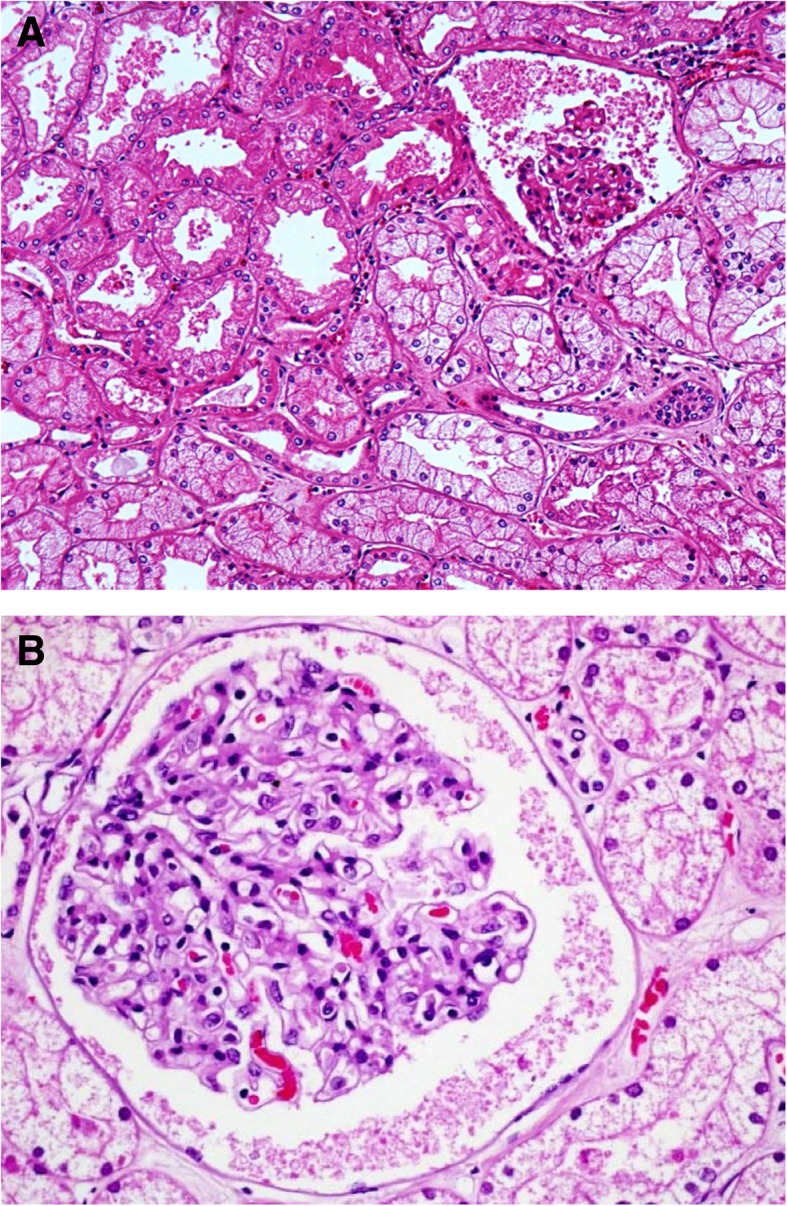
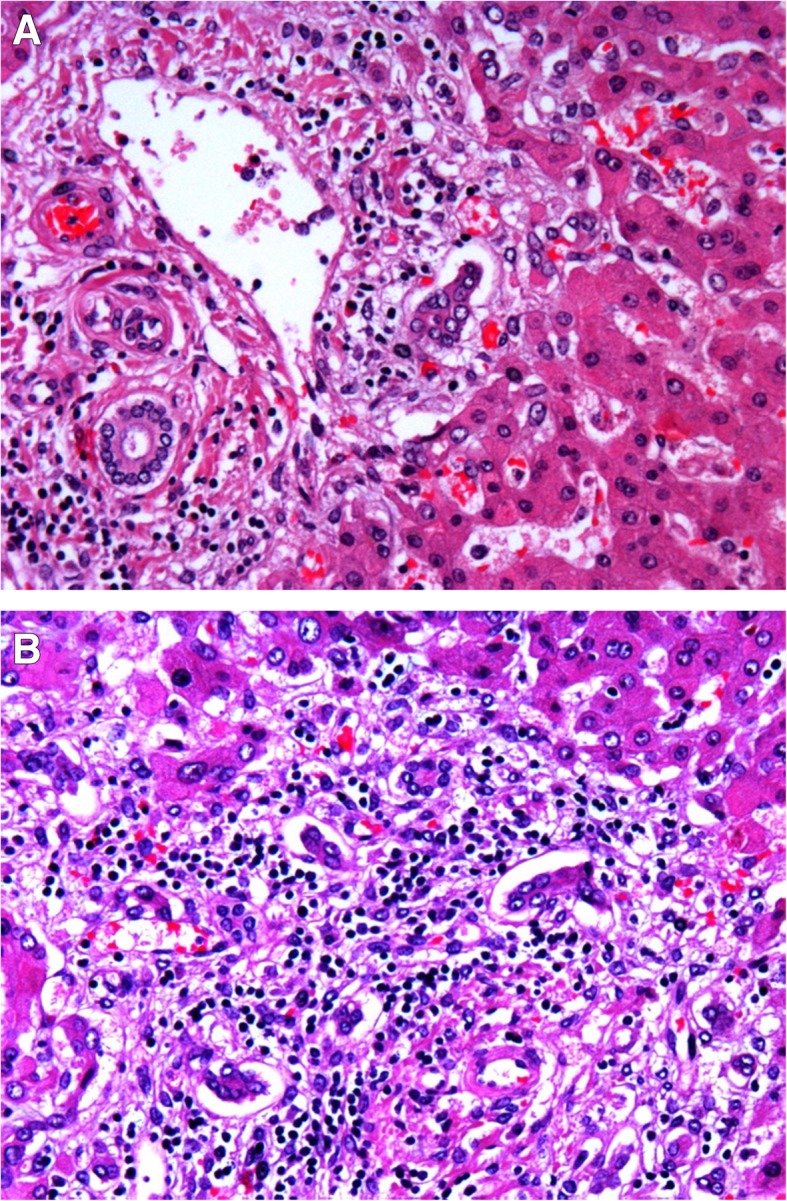
Studies on acute kidney injury (AKI) in sepsis reveal that acute tubular necrosis is less prevalent than other changes, indicating that kidney hypoperfusion is not the predominant pathogenetic mechanism of sepsis-induced AKI. Other more predominant histopathological changes are apoptosis, interstitial inflammation, and, to a lesser extent, thrombosis. Brain pathological findings include white matter hemorrhage and hypercoagulability, microabscess formation, central pontine myelinolysis, multifocal necrotizing leukoencephalopathy, metabolic changes, ischemic changes, and apoptosis. Liver pathology in sepsis includes steatosis, cholangiolitis and intrahepatic cholestasis, periportal inflammation, and apoptosis. There is no information on physiological or biochemical biomarkers of the histopathological findings.
Histopathological studies may provide important information for a better understanding of the pathogenesis of organ dysfunction in sepsis and for the design of potentially effective therapies. There is a lack of clinically available biomarkers for the identification of organ dysfunction as defined by the histological analysis.
脓毒症是一种致死率很高的疾病。脓毒症中的器官功能障碍并非定义为一种临床病理实体,而是通过临床、生理或生化参数的变化来界定。脓毒症中器官功能障碍的发病机制和特异性治疗方法尚不清楚。对脓毒症中器官功能障碍的组织病理学相关性进行研究将有助于理解其发病机制。
我们在PubMed、EMBASE和Scielo数据库中检索了关于人类脓毒症中肾脏、脑和肝功能障碍的原始文章。设计了明确的检索策略,并检索了涉及脓毒症组织病理学变化的相关文章进行综述。仅讨论该领域认为相关的研究。
关于脓毒症中急性肾损伤(AKI)的研究表明,急性肾小管坏死的发生率低于其他变化,这表明肾脏灌注不足并非脓毒症诱导的AKI的主要发病机制。其他更主要的组织病理学变化包括细胞凋亡、间质炎症,以及程度较轻的血栓形成。脑病理学发现包括白质出血和高凝状态、微脓肿形成、中央桥脑髓鞘溶解、多灶性坏死性白质脑病、代谢变化、缺血性变化和细胞凋亡。脓毒症中的肝脏病理学包括脂肪变性、胆小管炎和肝内胆汁淤积、汇管区炎症和细胞凋亡。目前尚无关于这些组织病理学发现的生理或生化生物标志物的信息。
组织病理学研究可能为更好地理解脓毒症中器官功能障碍的发病机制以及设计潜在有效的治疗方法提供重要信息。目前缺乏可用于识别组织学分析所定义的器官功能障碍的临床可用生物标志物。