Shparberg Rachel A, Glover Hannah J, Morris Michael B
Embryonic Stem Cell Laboratory, Discipline of Physiology, School of Medical Sciences, Bosch Institute, University of Sydney, Sydney, NSW, Australia.
Front Physiol. 2019 Jul 11;10:705. doi: 10.3389/fphys.2019.00705. eCollection 2019.
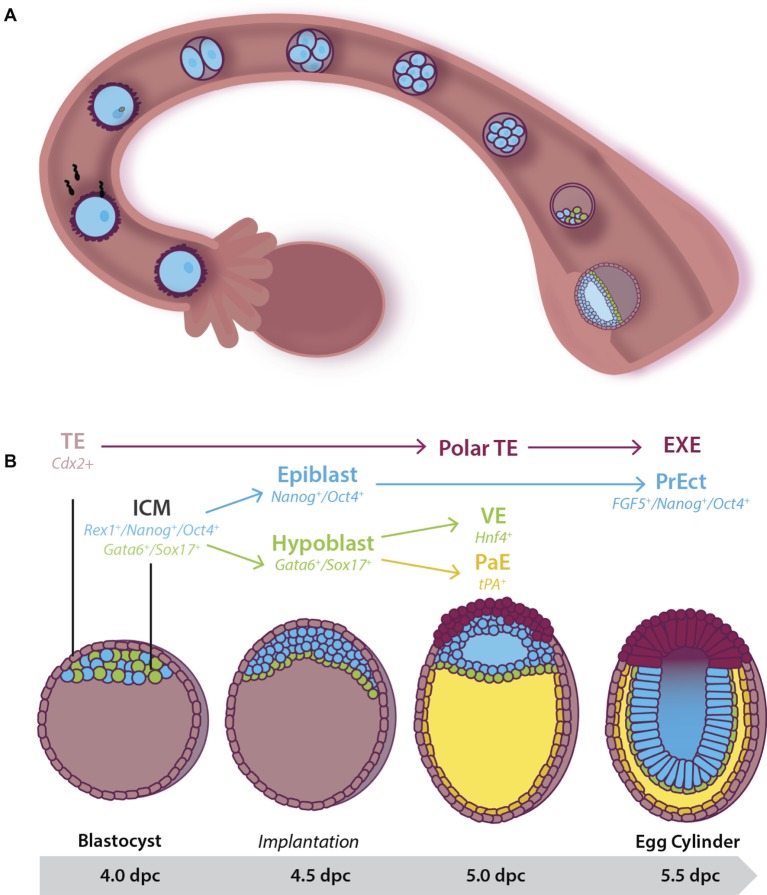
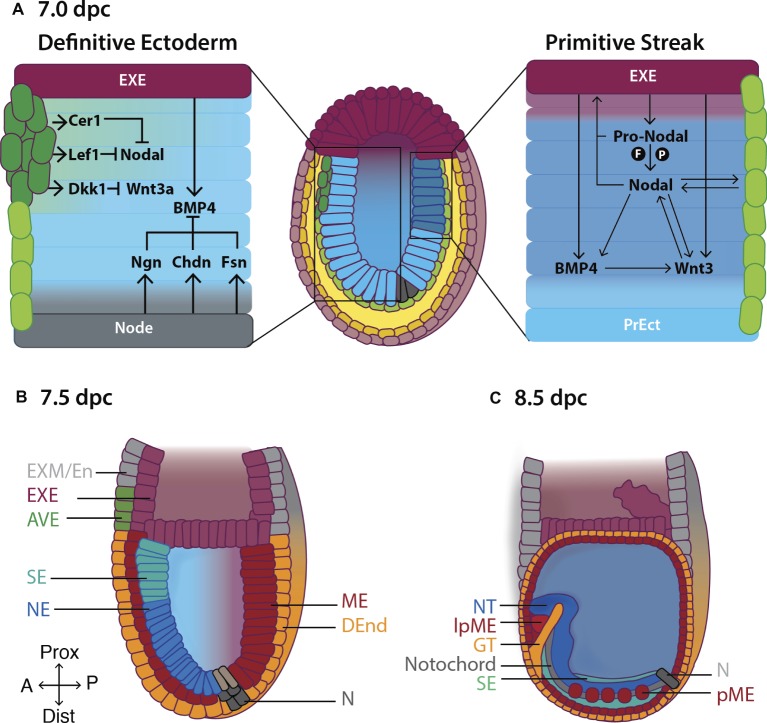
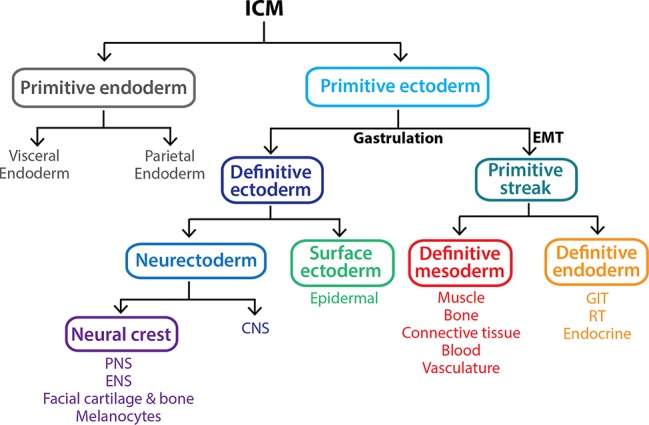
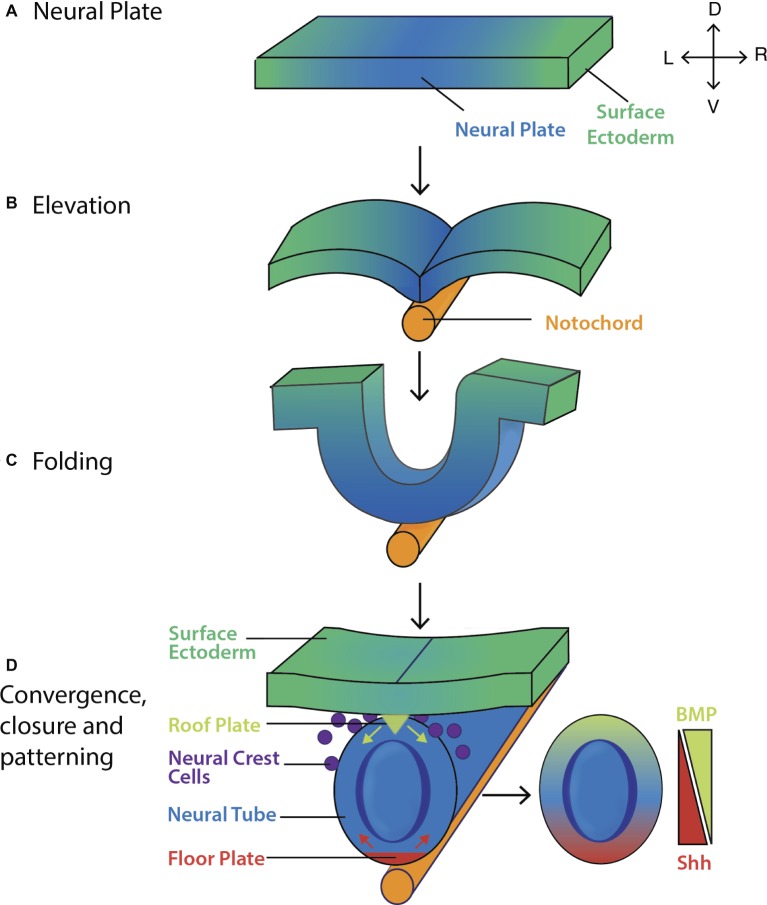
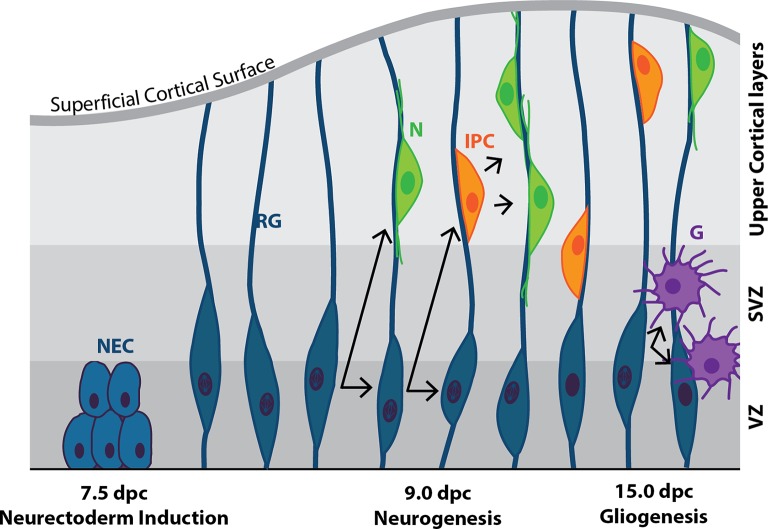
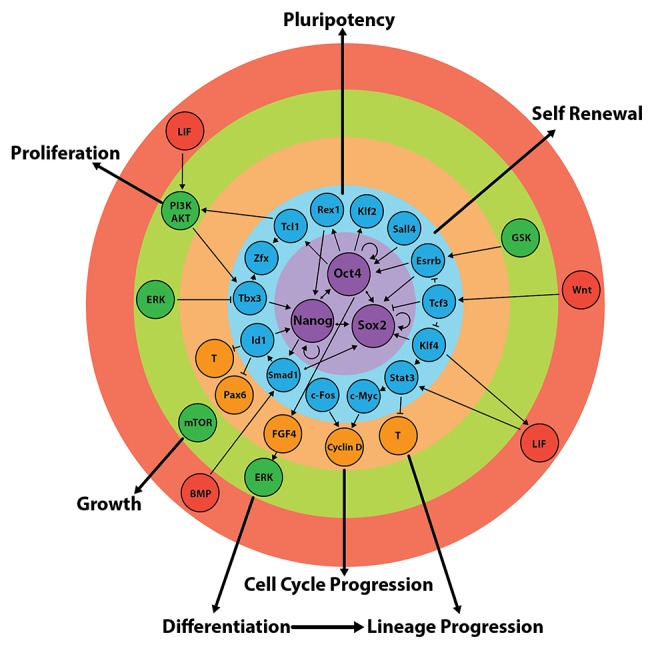
Early mammalian embryogenesis relies on a large range of cellular and molecular mechanisms to guide cell fate. In this highly complex interacting system, molecular circuitry tightly controls emergent properties, including cell differentiation, proliferation, morphology, migration, and communication. These molecular circuits include those responsible for the control of gene and protein expression, as well as metabolism and epigenetics. Due to the complexity of this circuitry and the relative inaccessibility of the mammalian embryo , mammalian neural commitment remains one of the most challenging and poorly understood areas of developmental biology. In order to generate the nervous system, the embryo first produces two pluripotent populations, the inner cell mass and then the primitive ectoderm. The latter is the cellular substrate for gastrulation from which the three multipotent germ layers form. The germ layer definitive ectoderm, in turn, is the substrate for multipotent neurectoderm (neural plate and neural tube) formation, representing the first morphological signs of nervous system development. Subsequent patterning of the neural tube is then responsible for the formation of most of the central and peripheral nervous systems. While a large number of studies have assessed how a competent neurectoderm produces mature neural cells, less is known about the molecular signatures of definitive ectoderm and neurectoderm and the key molecular mechanisms driving their formation. Using pluripotent stem cells as a model, we will discuss the current understanding of how the pluripotent inner cell mass transitions to pluripotent primitive ectoderm and sequentially to the multipotent definitive ectoderm and neurectoderm. We will focus on the integration of cell signaling, gene activation, and epigenetic control that govern these developmental steps, and provide insight into the novel growth factor-like role that specific amino acids, such as L-proline, play in this process.
早期哺乳动物胚胎发生依赖于一系列广泛的细胞和分子机制来引导细胞命运。在这个高度复杂的相互作用系统中,分子回路严格控制着包括细胞分化、增殖、形态、迁移和通讯等在内的涌现特性。这些分子回路包括负责控制基因和蛋白质表达以及代谢和表观遗传学的回路。由于这种回路的复杂性以及哺乳动物胚胎相对难以接近,哺乳动物神经定向仍然是发育生物学中最具挑战性且了解甚少的领域之一。为了生成神经系统,胚胎首先产生两个多能细胞群体,即内细胞团,然后是原始外胚层。后者是原肠胚形成的细胞基础,三个多能胚层由此形成。胚层确定外胚层反过来又是多能神经外胚层(神经板和神经管)形成的基础,代表了神经系统发育的首个形态学迹象。随后神经管的模式形成则负责大部分中枢和外周神经系统的形成。虽然大量研究评估了有能力的神经外胚层如何产生成熟神经细胞,但对于确定外胚层和神经外胚层的分子特征以及驱动它们形成的关键分子机制了解较少。我们将以多能干细胞为模型,讨论目前对于多能内细胞团如何转变为多能原始外胚层,并依次转变为多能确定外胚层和神经外胚层的理解。我们将聚焦于控制这些发育步骤的细胞信号传导、基因激活和表观遗传控制的整合,并深入了解特定氨基酸(如L-脯氨酸)在这一过程中所起的新型生长因子样作用。