Murphy Patricia, Kabir Md Humayun, Srivastava Tarini, Mason Michele E, Dewi Chitra U, Lim Seakcheng, Yang Andrian, Djordjevic Djordje, Killingsworth Murray C, Ho Joshua W K, Harman David G, O'Connor Michael D
School of Medicine, Western Sydney University, Campbelltown, NSW 2560, Australia.
Medical Sciences Research Group, Western Sydney University, Campbelltown, NSW 2560, Australia.
Development. 2018 Jan 9;145(1):dev155838. doi: 10.1242/dev.155838.
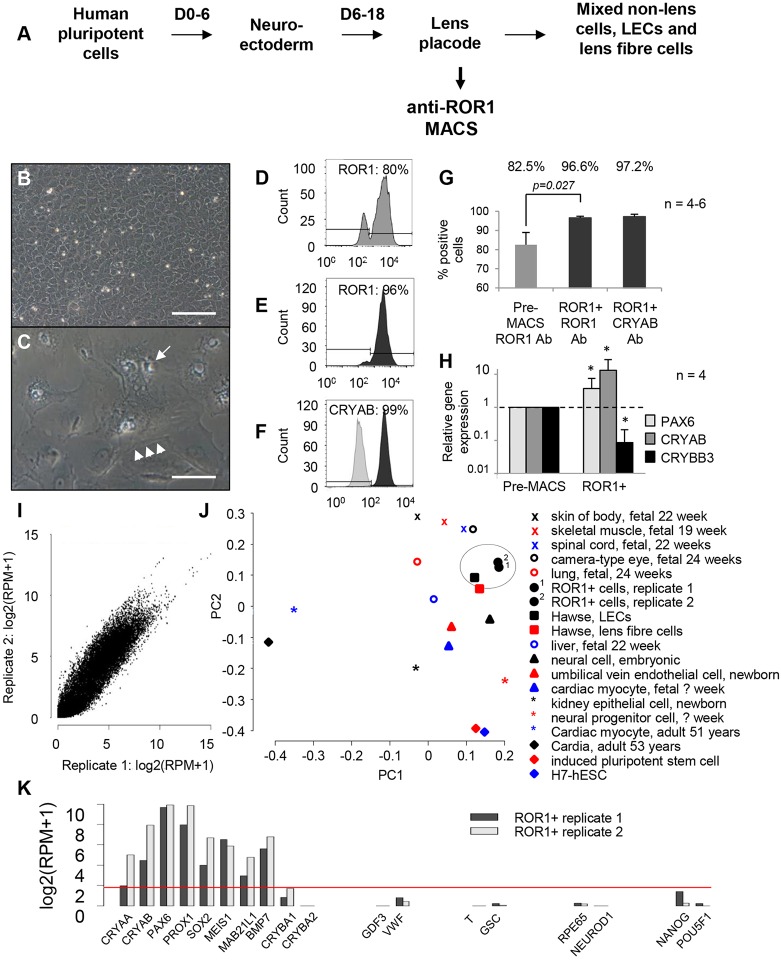
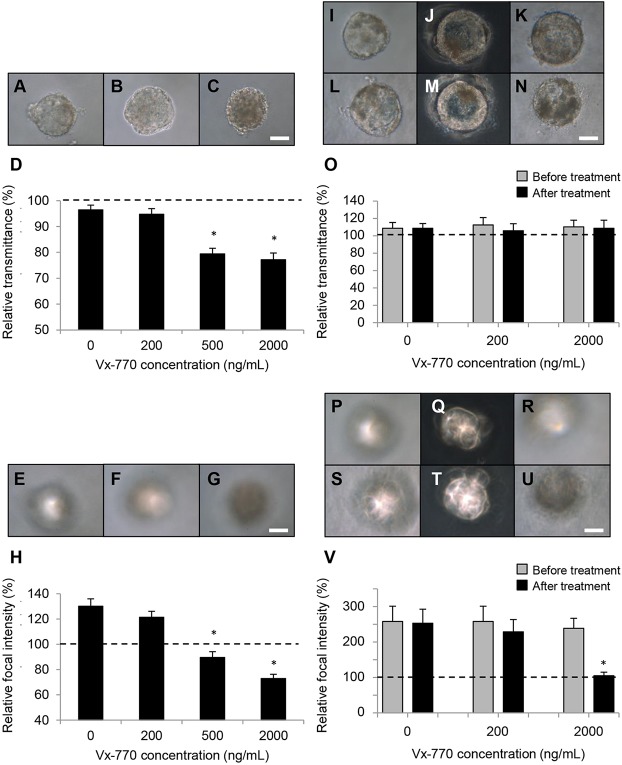
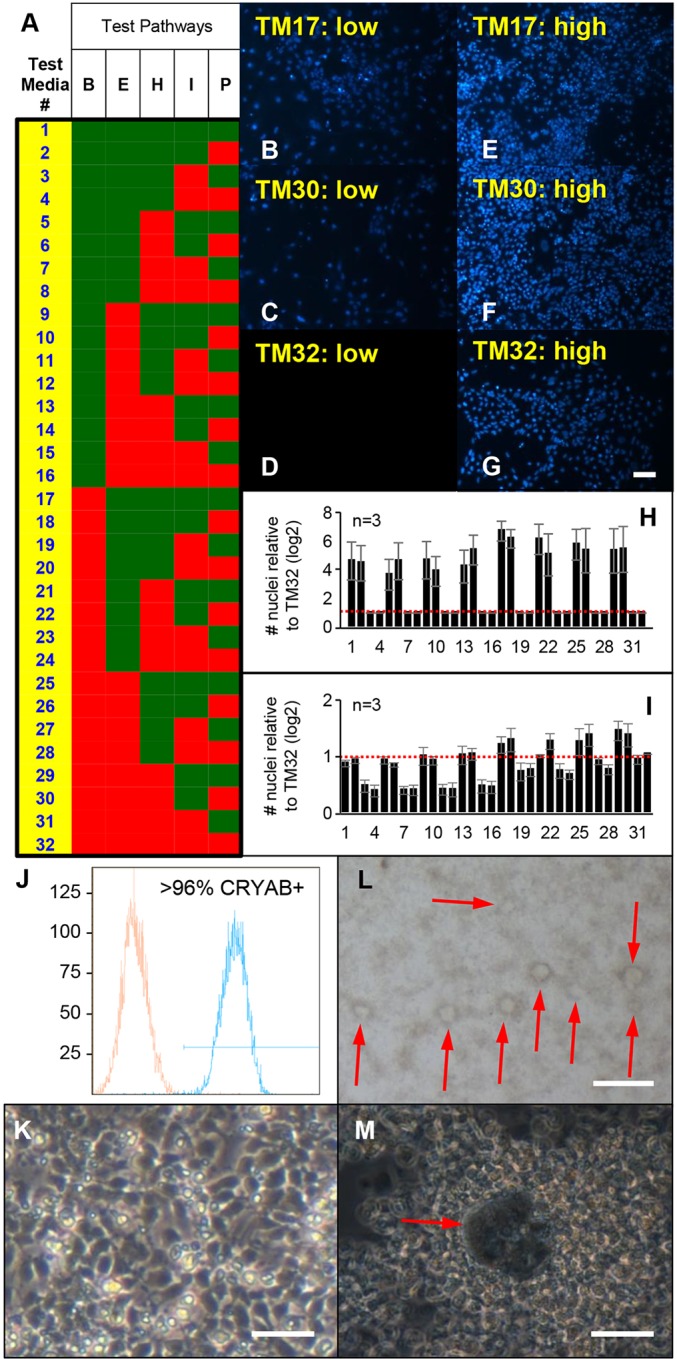
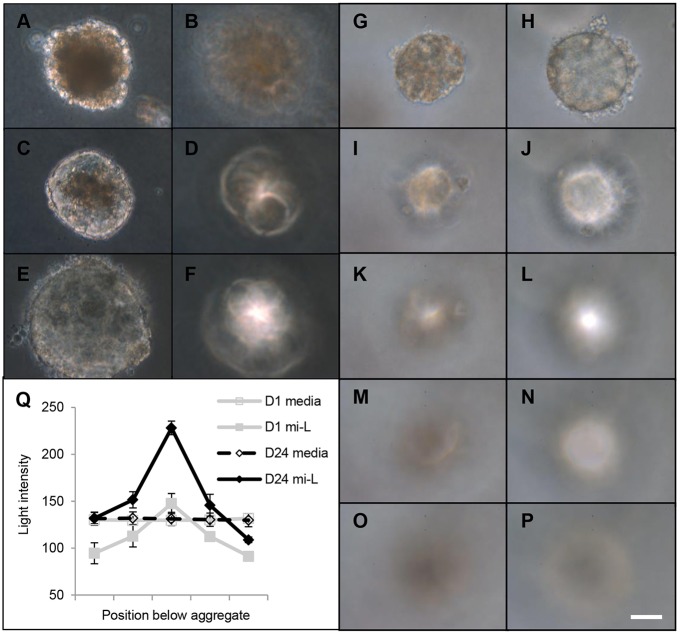
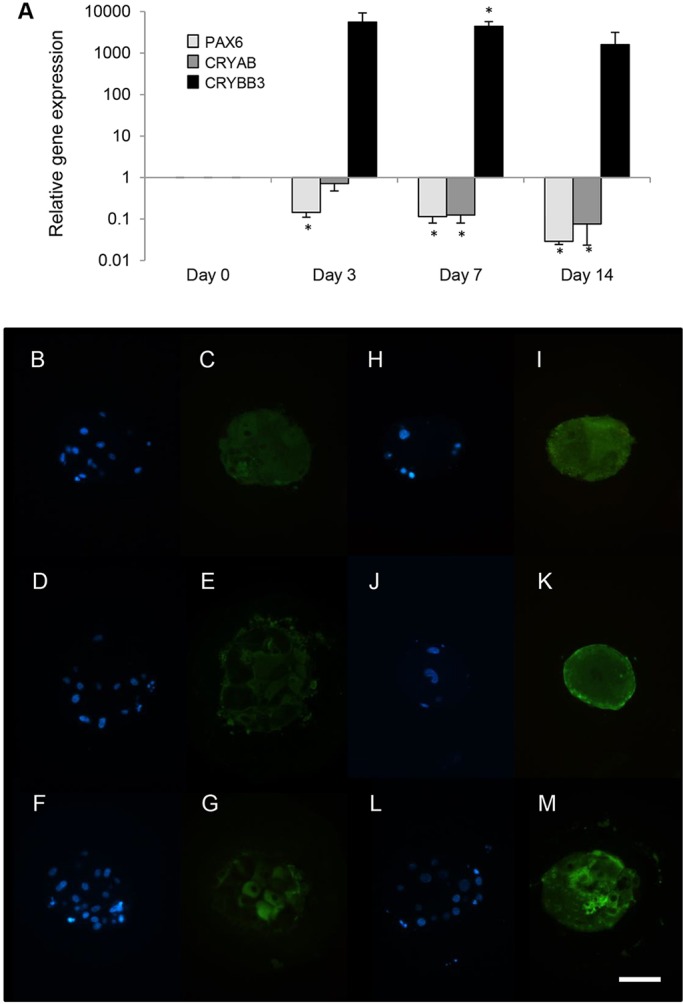
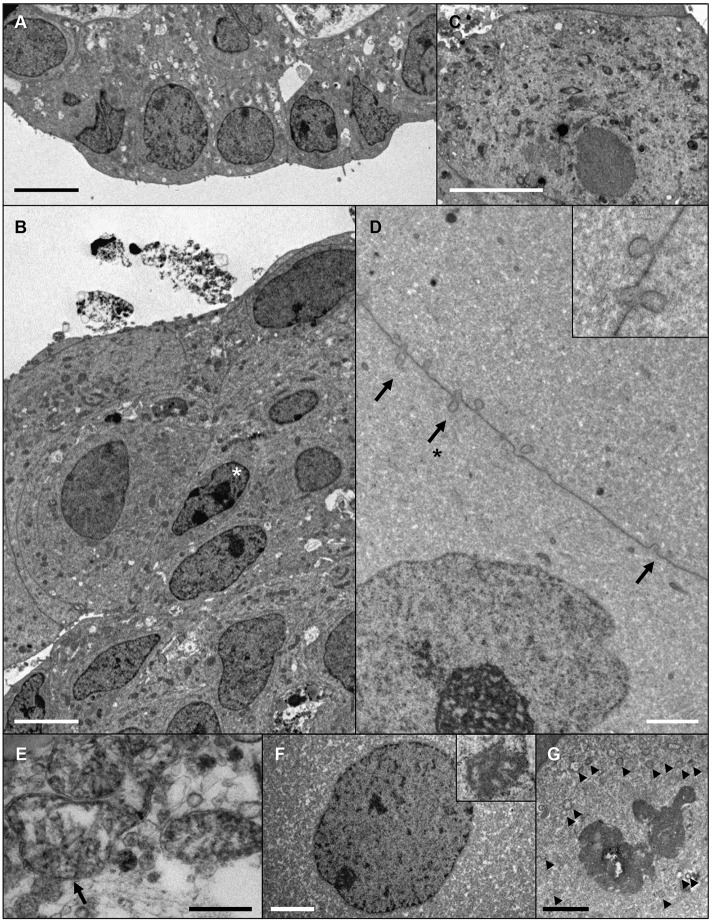
Cataracts cause vision loss and blindness by impairing the ability of the ocular lens to focus light onto the retina. Various cataract risk factors have been identified, including drug treatments, age, smoking and diabetes. However, the molecular events responsible for these different forms of cataract are ill-defined, and the advent of modern cataract surgery in the 1960s virtually eliminated access to human lenses for research. Here, we demonstrate large-scale production of light-focusing human micro-lenses from spheroidal masses of human lens epithelial cells purified from differentiating pluripotent stem cells. The purified lens cells and micro-lenses display similar morphology, cellular arrangement, mRNA expression and protein expression to human lens cells and lenses. Exposing the micro-lenses to the emergent cystic fibrosis drug Vx-770 reduces micro-lens transparency and focusing ability. These human micro-lenses provide a powerful and large-scale platform for defining molecular disease mechanisms caused by cataract risk factors, for anti-cataract drug screening and for clinically relevant toxicity assays.
白内障通过损害晶状体将光线聚焦到视网膜上的能力,导致视力丧失和失明。已确定多种白内障风险因素,包括药物治疗、年龄、吸烟和糖尿病。然而,导致这些不同类型白内障的分子事件尚不明确,并且20世纪60年代现代白内障手术的出现实际上使研究人员无法获取人类晶状体。在此,我们展示了从多能干细胞分化而来的纯化人晶状体上皮细胞的球形团块中大规模生产光聚焦人微透镜。纯化的晶状体细胞和微透镜在形态、细胞排列、mRNA表达和蛋白质表达方面与人类晶状体细胞和晶状体相似。将微透镜暴露于新出现的囊性纤维化药物Vx-770会降低微透镜的透明度和聚焦能力。这些人微透镜为确定由白内障风险因素引起的分子疾病机制、抗白内障药物筛选和临床相关毒性测定提供了一个强大的大规模平台。