Lenz Johannes, Pospiech Doris, Paven Maxime, Albach Rolf W, Günther Martin, Schartel Bernhard, Voit Brigitte
Leibniz-Institut für Polymerforschung Dresden e.V., Hohe Str. 6, 01069 Dresden, Germany.
Organic Chemistry of Polymers, Technische Universität Dresden, 01062 Dresden, Germany.
Polymers (Basel). 2019 Jul 26;11(8):1242. doi: 10.3390/polym11081242.
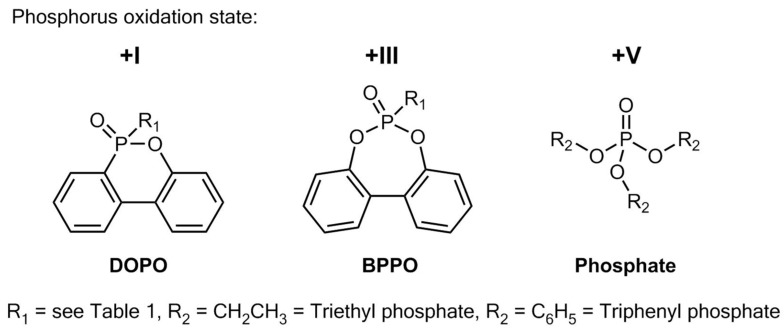
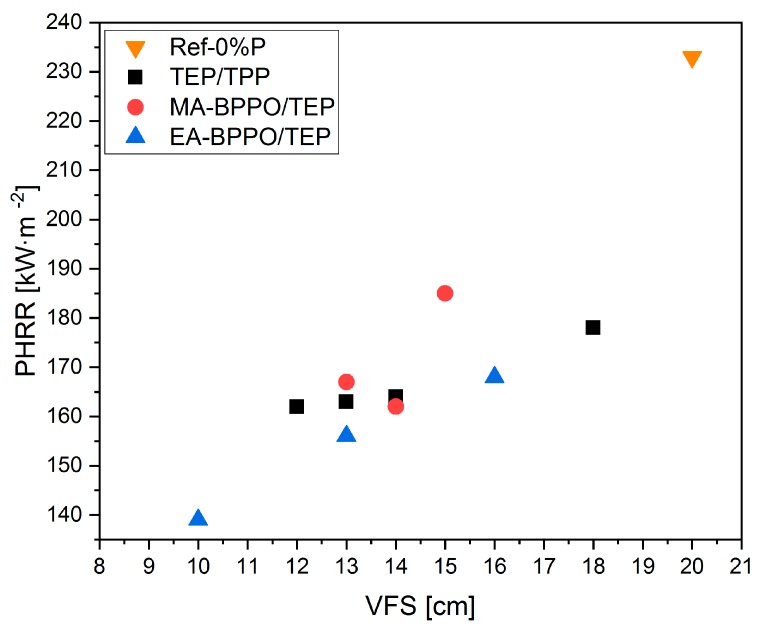
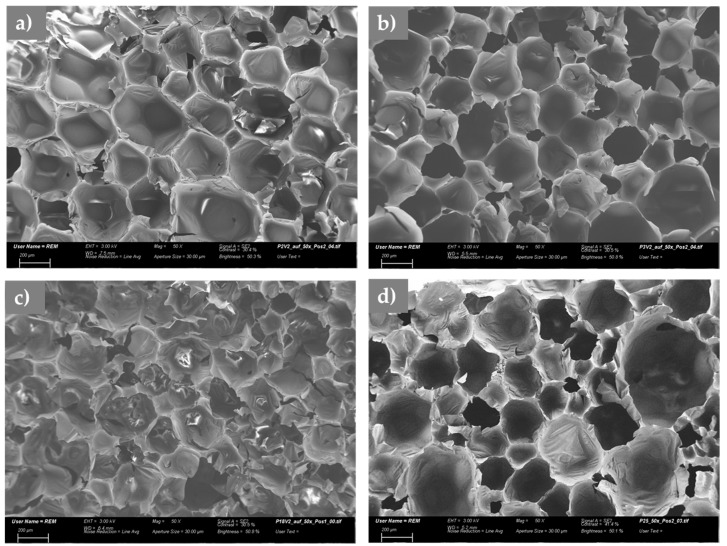
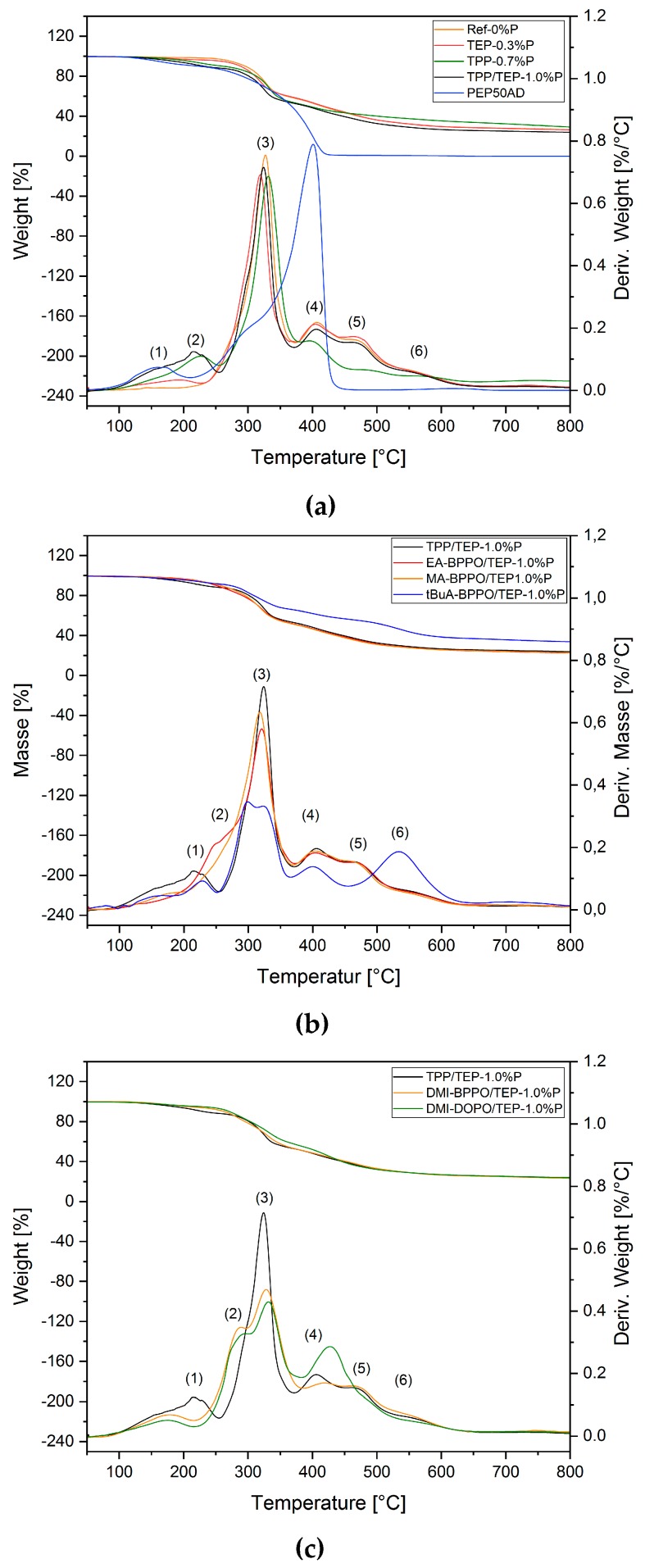
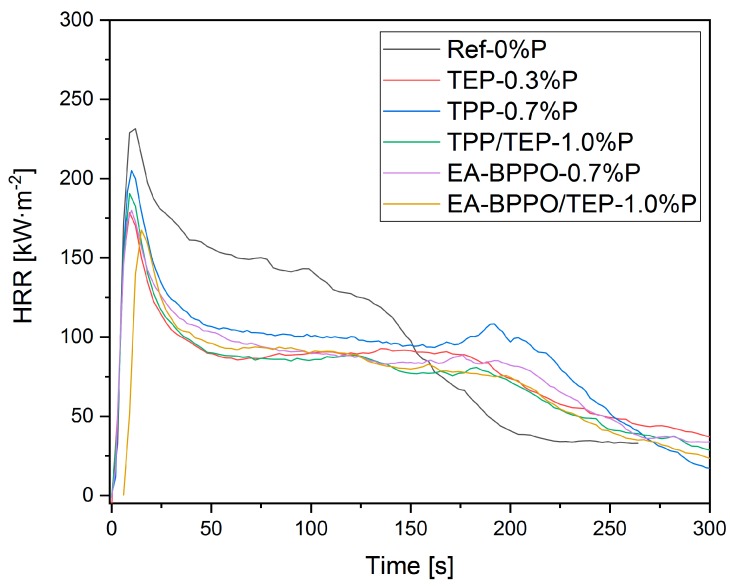
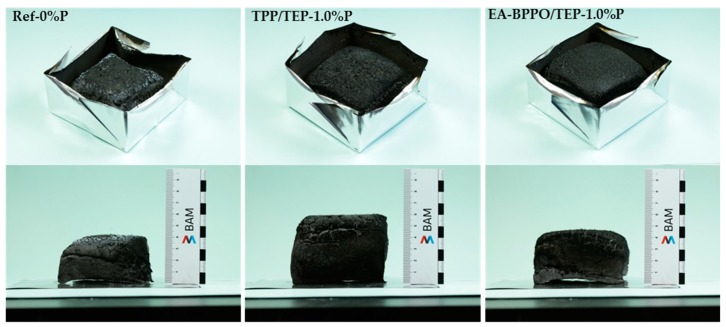
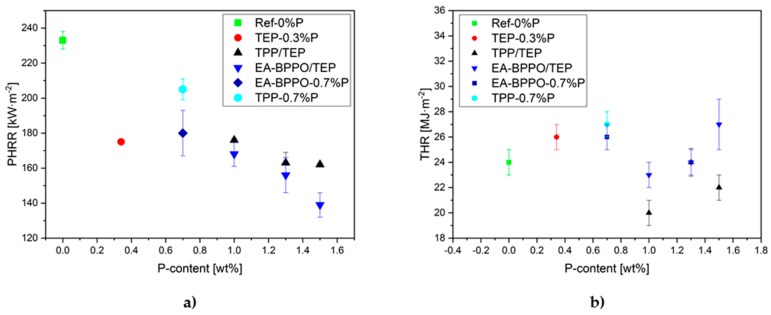
A series of new flame retardants (FR) based on dibenzo[d,f][1,3,2]dioxaphosphepine 6-oxide (BPPO) incorporating acrylates and benzoquinone were developed previously. In this study, we examine the fire behavior of the new flame retardants in polyisocyanurate (PIR) foams. The foam characteristics, thermal decomposition, and fire behavior are investigated. The fire properties of the foams containing BPPO-based derivatives were found to depend on the chemical structure of the substituents. We also compare our results to state-of-the-art non-halogenated FR such as triphenylphosphate and chemically similar phosphinate, i.e. 9,10-dihydro-9-oxa-10- phosphaphenanthrene-10-oxide (DOPO), based derivatives to discuss the role of the phosphorus oxidation state.
先前已开发出一系列基于二苯并[d,f][1,3,2]二氧杂磷杂环己烷 6-氧化物(BPPO)并结合丙烯酸酯和苯醌的新型阻燃剂(FR)。在本研究中,我们考察了这些新型阻燃剂在聚异氰脲酸酯(PIR)泡沫中的燃烧行为。对泡沫的特性、热分解和燃烧行为进行了研究。发现含 BPPO 基衍生物的泡沫的燃烧性能取决于取代基的化学结构。我们还将我们的结果与最先进的无卤阻燃剂(如磷酸三苯酯)以及化学结构相似的次膦酸酯(即 9,10-二氢-9-氧杂-10-磷杂菲-10-氧化物(DOPO))基衍生物进行比较,以探讨磷氧化态的作用。