CRUK Beatson Institute, Glasgow, United Kingdom.
Global Health Institute, School of Life Sciences, Ecole Polytechnique Federale de Lausanne, Lausanne, Switzerland.
Elife. 2019 Jul 30;8:e45061. doi: 10.7554/eLife.45061.
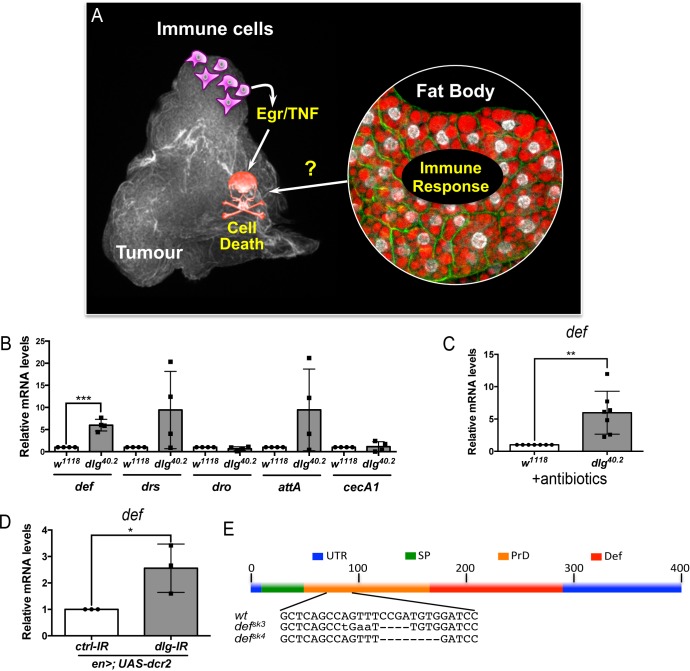
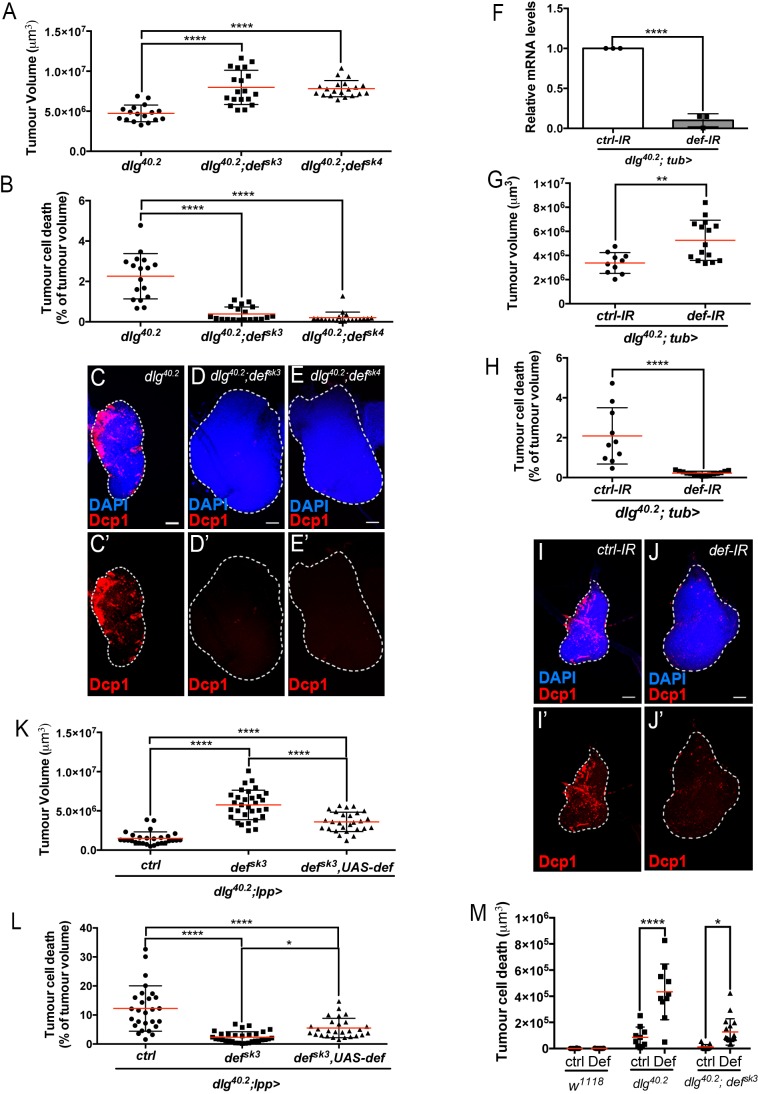
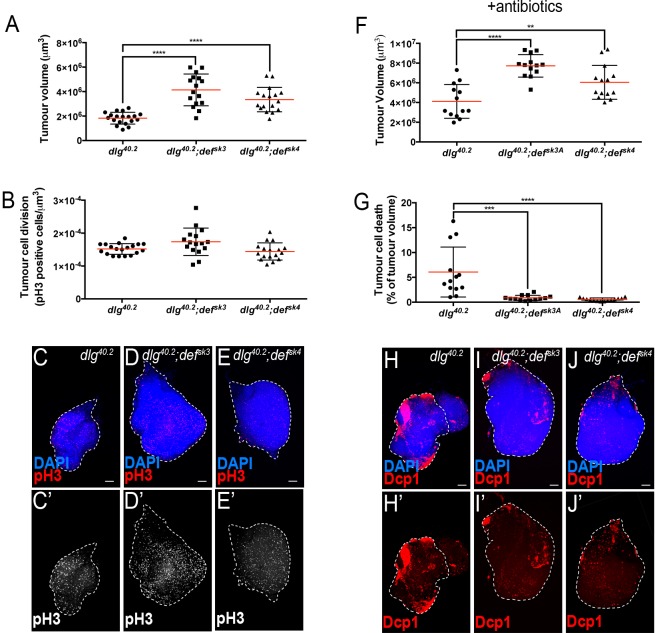
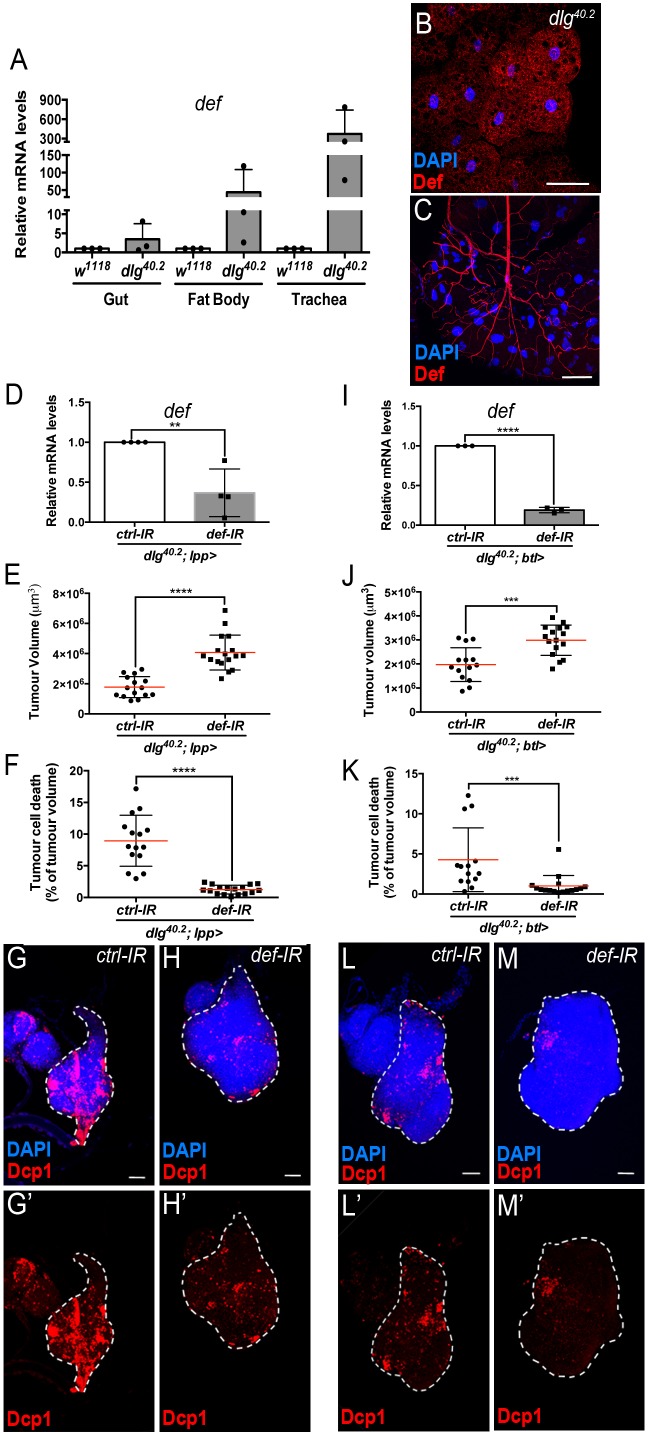
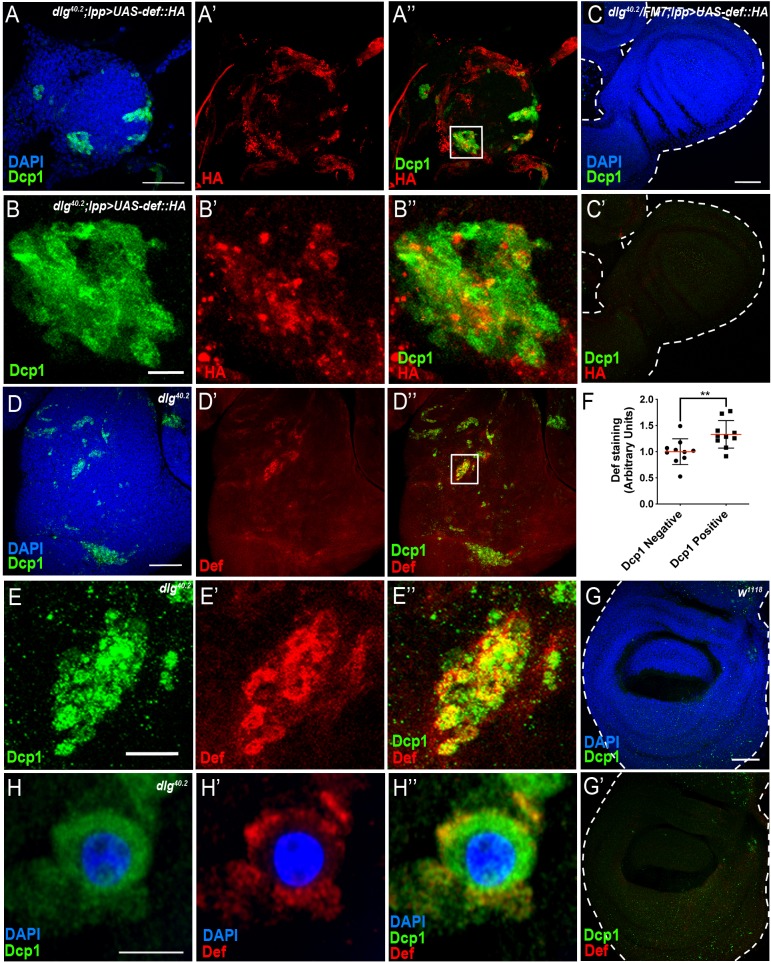
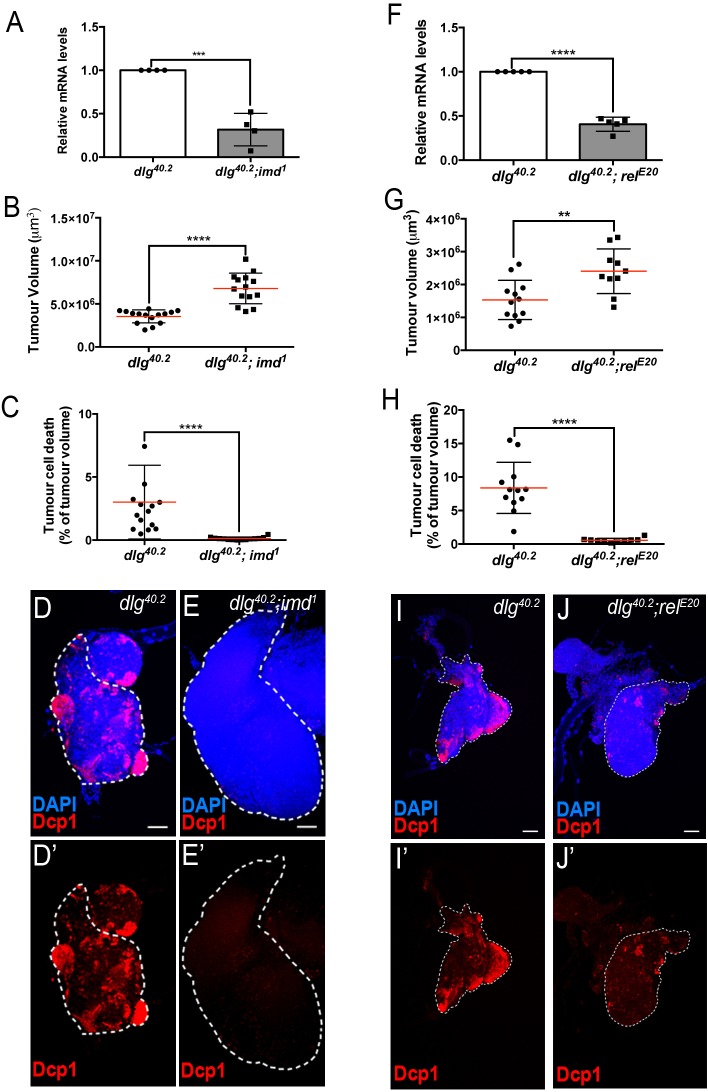
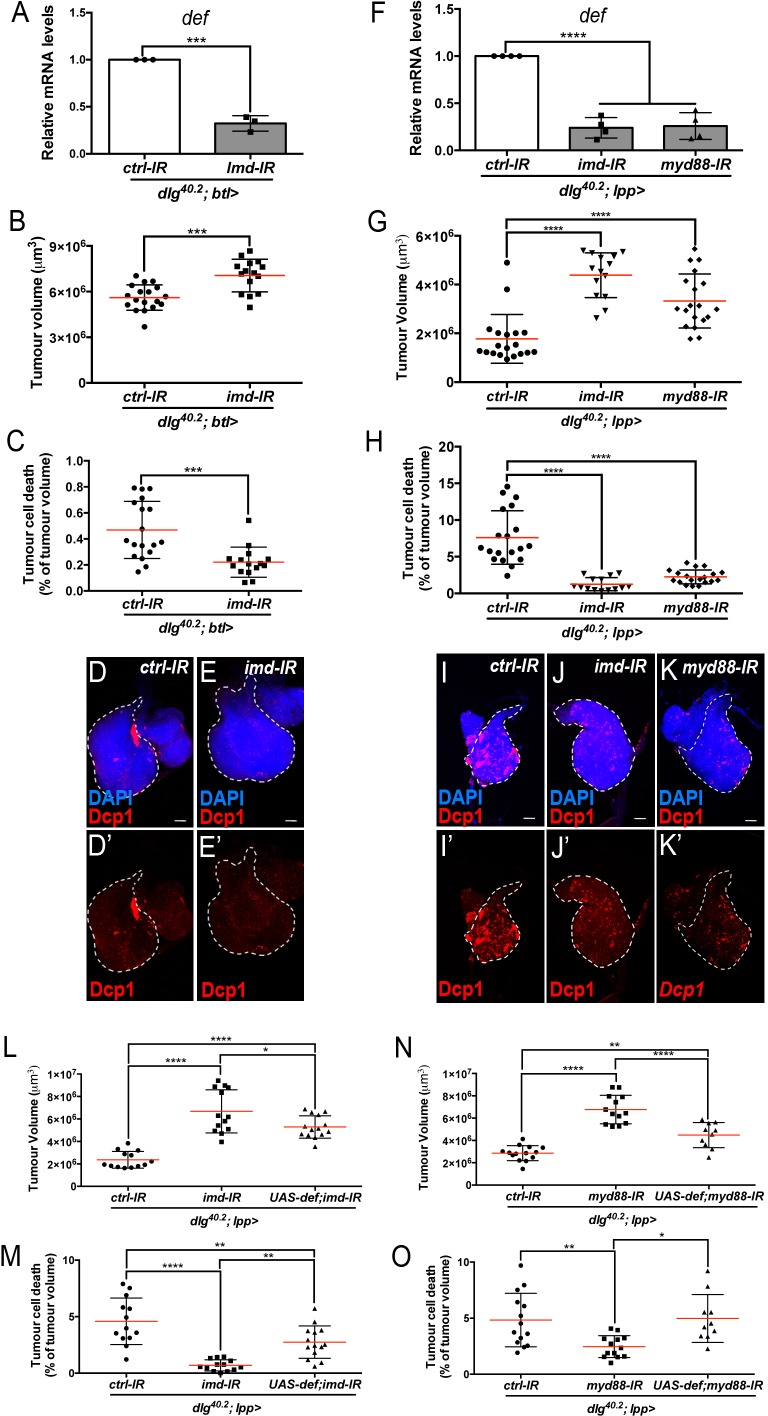
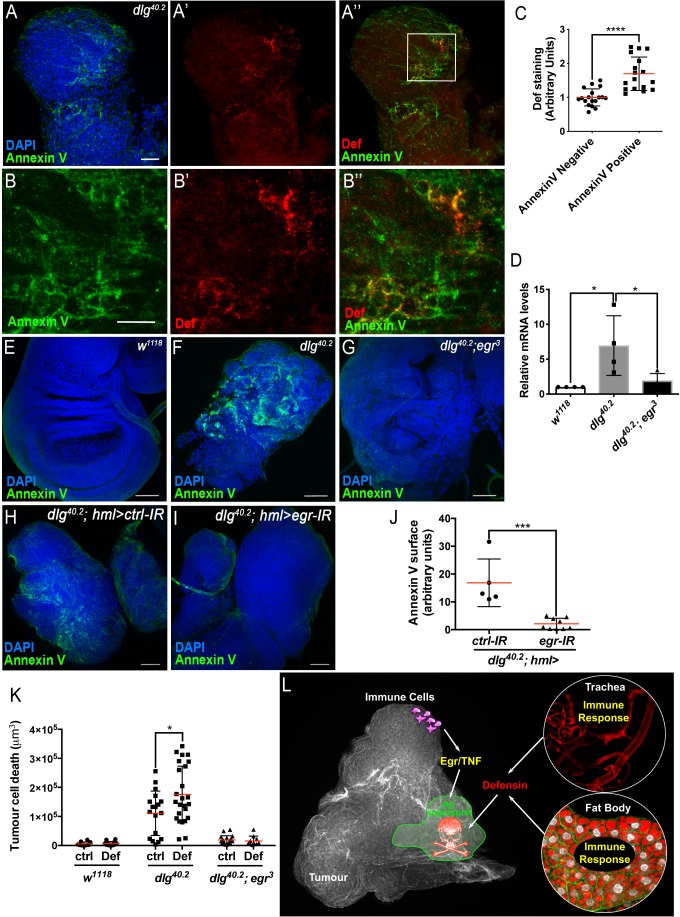
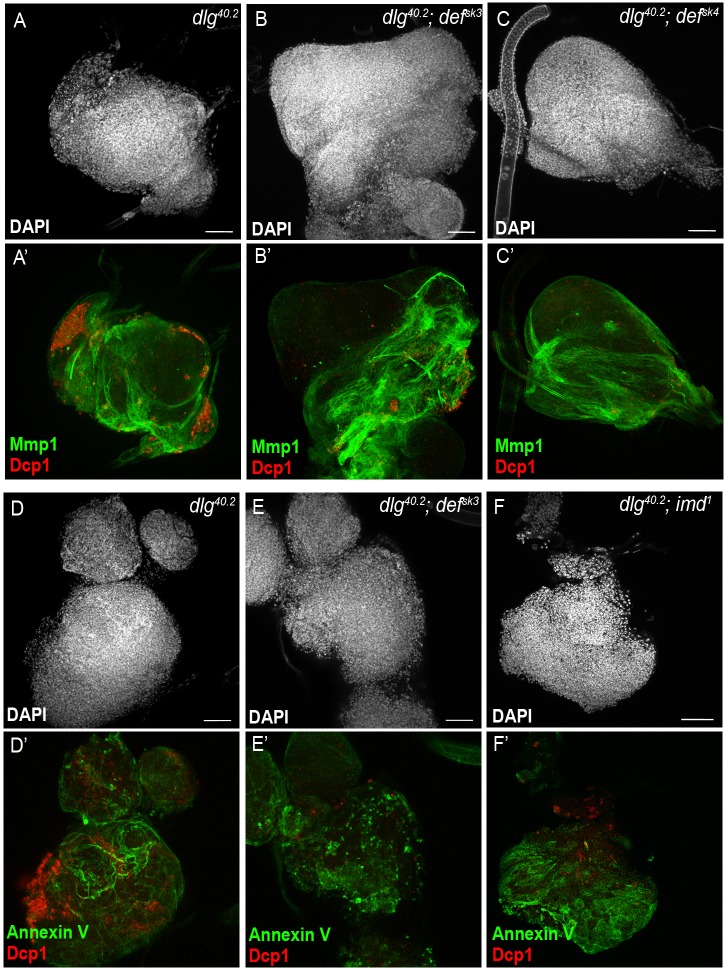
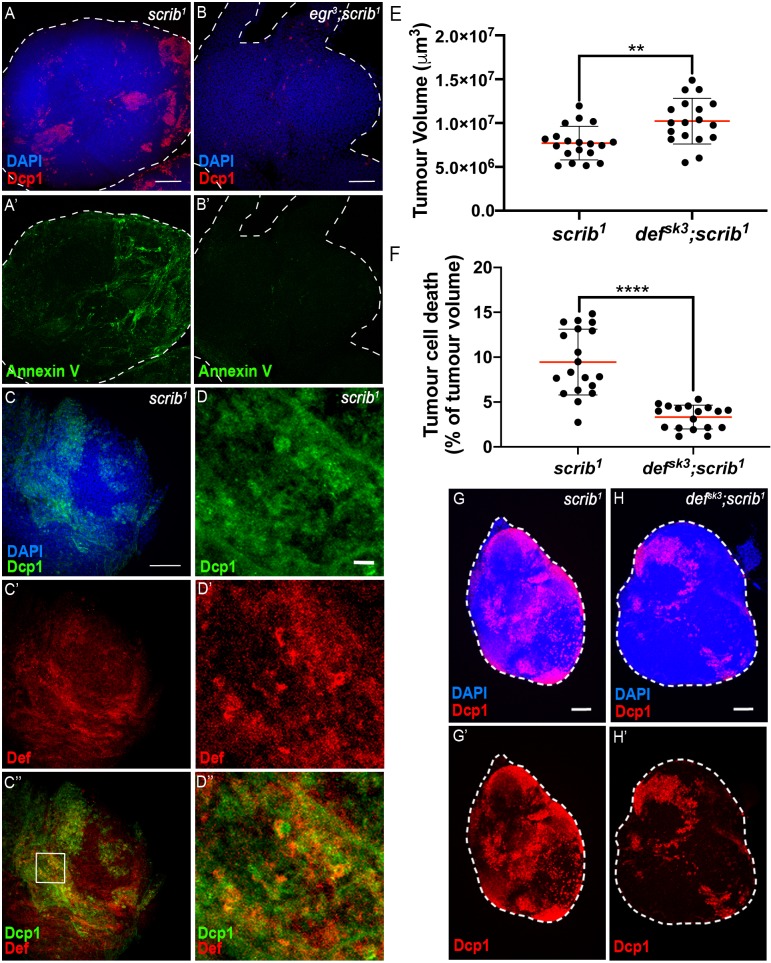
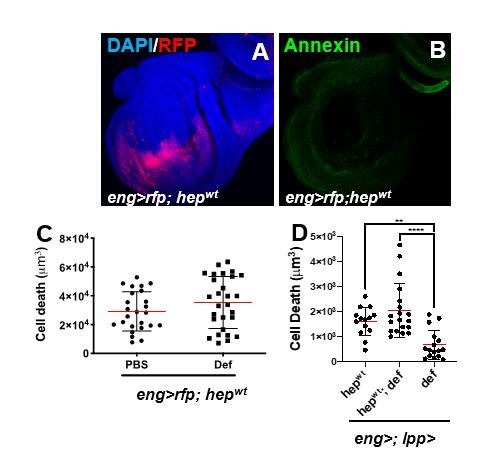
Antimicrobial peptides (AMPs) are small cationic molecules best known as mediators of the innate defence against microbial infection. While in vitro and ex vivo evidence suggest AMPs' capacity to kill cancer cells, in vivo demonstration of an anti-tumour role of endogenous AMPs is lacking. Using a model of tumourigenesis, we demonstrate a role for the AMP Defensin in the control of tumour progression. Our results reveal that Tumour Necrosis Factor mediates exposure of phosphatidylserine (PS), which makes tumour cells selectively sensitive to the action of Defensin remotely secreted from tracheal and fat tissues. Defensin binds tumour cells in PS-enriched areas, provoking cell death and tumour regression. Altogether, our results provide the first in vivo demonstration for a role of an endogenous AMP as an anti-cancer agent, as well as a mechanism that explains tumour cell sensitivity to the action of AMPs.
抗菌肽 (AMPs) 是一种小的阳离子分子,作为先天防御微生物感染的介质而广为人知。虽然体外和离体证据表明 AMP 具有杀死癌细胞的能力,但内源性 AMP 发挥抗肿瘤作用的体内证据尚缺乏。我们使用肿瘤发生模型,证明 AMP 防御素在控制肿瘤进展中的作用。我们的结果表明肿瘤坏死因子介导磷脂酰丝氨酸 (PS) 的暴露,这使得肿瘤细胞对来自气管和脂肪组织远程分泌的防御素的作用具有选择性敏感性。防御素与富含 PS 的区域中的肿瘤细胞结合,引发细胞死亡和肿瘤消退。总的来说,我们的结果首次提供了内源性 AMP 作为抗癌剂的体内作用的证据,以及解释肿瘤细胞对 AMP 作用敏感性的机制。