BioArCh, Department of Archaeology, University of York, York, UK.
London School of Economics and Political Science, London, UK.
Sci Rep. 2019 Jul 30;9(1):11027. doi: 10.1038/s41598-019-47299-x.
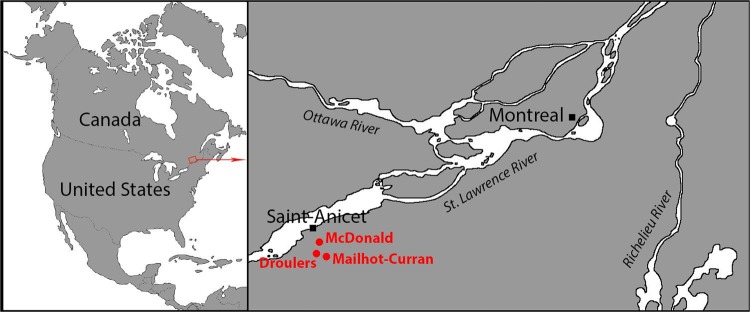
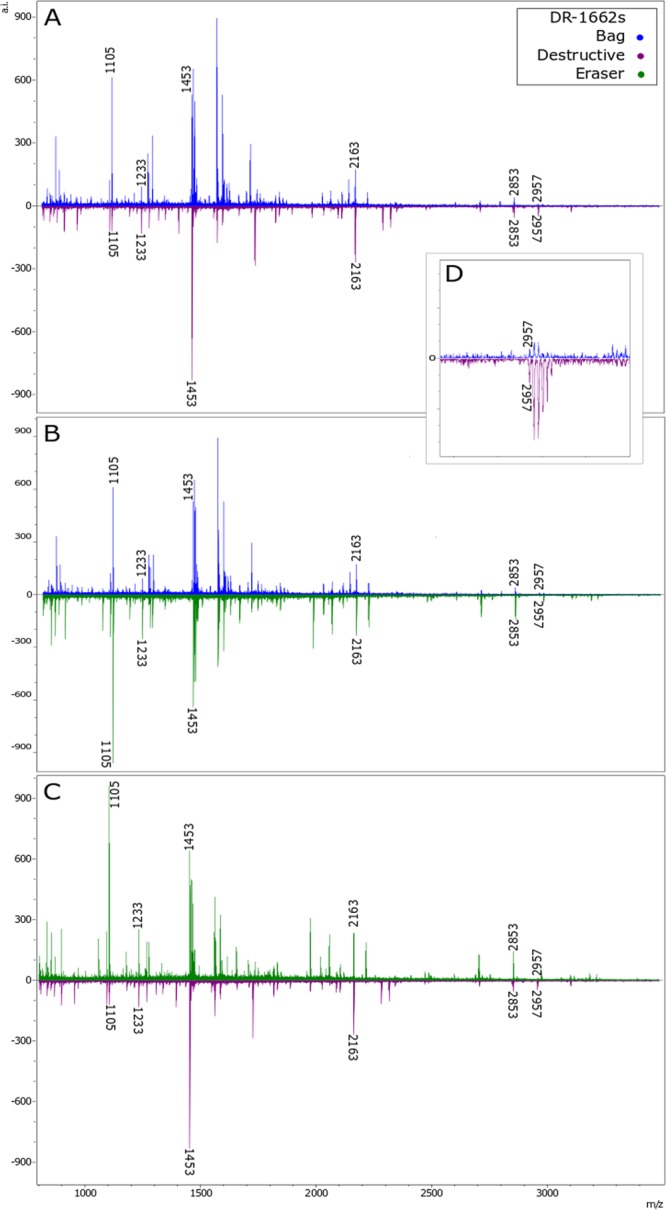
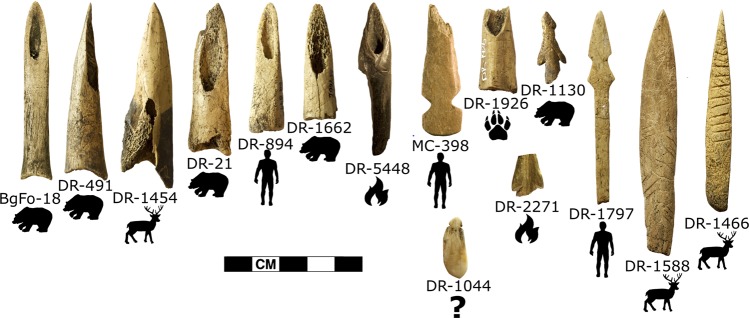
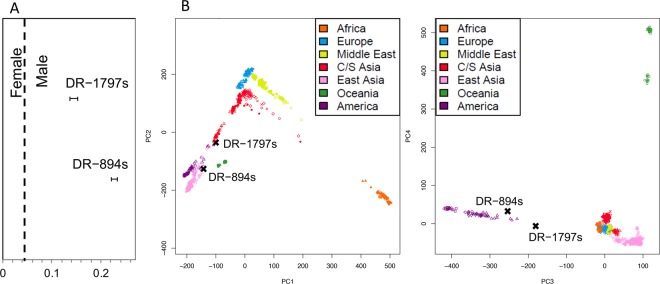
Today, practical, functional and symbolic choices inform the selection of raw materials for worked objects. In cases where we can discern the origin of worked bone, tooth, ivory and antler objects in the past, we assume that similar choices are being made. However, morphological species identification of worked objects is often impossible due to the loss of identifying characteristics during manufacture. Here, we describe a novel non-destructive ZooMS (Zooarchaeology by Mass Spectrometry) method which was applied to bone points from Pre-Contact St. Lawrence Iroquoian village sites in southern Quebec, Canada. The traditional ZooMS technique requires destructive analysis of a sample, which can be problematic when dealing with artefacts. Here we instead extracted proteins from the plastic bags in which the points had been stored. ZooMS analysis revealed hitherto unexpected species, notably black bear (Ursus americanus) and human (Homo sapiens sapiens), used in point manufacture. These surprising results (confirmed through genomic sequencing) highlight the importance of advancing biomolecular research in artefact studies. Furthermore, they unexpectedly and exceptionally allow us to identify and explore the tangible, material traces of the symbolic relationship between bears and humans, central to past and present Iroquoian cosmology and mythology.
如今,实用、功能和象征意义的选择影响着加工对象原材料的选择。在过去,我们可以辨别加工骨、牙、象牙和鹿角制品的起源,我们假设当时也做出了类似的选择。然而,由于在制作过程中失去了特征,加工制品的形态物种鉴定往往是不可能的。在这里,我们描述了一种新颖的非破坏性 ZooMS(通过质谱的动物考古学)方法,该方法应用于加拿大魁北克省南部接触前圣劳伦斯易洛魁人村庄遗址的骨尖。传统的 ZooMS 技术需要对样本进行破坏性分析,这在处理文物时可能会出现问题。在这里,我们从存放骨尖的塑料袋中提取蛋白质。ZooMS 分析显示了迄今为止尚未预料到的物种,特别是黑熊(Ursus americanus)和人类(Homo sapiens sapiens),它们被用于骨尖的制造。这些令人惊讶的结果(通过基因组测序得到证实)强调了在文物研究中推进生物分子研究的重要性。此外,它们出人意料地、破例地让我们能够识别和探索熊和人类之间象征关系的有形、物质痕迹,这对过去和现在的易洛魁宇宙观和神话学至关重要。