Prpić Marin, Franceschi Maja, Jukić Tomislav, Kust Davor, Dabelić Nina, Varjačić Tea, Lucijanić Marko, Bolanča Ante, Kusić Zvonko
1Department of Oncology and Nuclear Medicine, Sestre milosrdnice University Hospital Centre, Zagreb, Croatia; 2School of Medicine, University of Zagreb, Zagreb, Croatia; 3Faculty of Medicine, Josip Juraj Strossmayer University of Osijek, Osijek, Croatia; 4Department of Hematology, Dubrava University Hospital, Zagreb, Croatia; 5Croatian Academy of Sciences and Arts, Zagreb, Croatia; 6Aviva Polyclinic, Zagreb, Croatia.
Acta Clin Croat. 2019 Mar;58(1):119-127. doi: 10.20471/acc.2019.58.01.16.
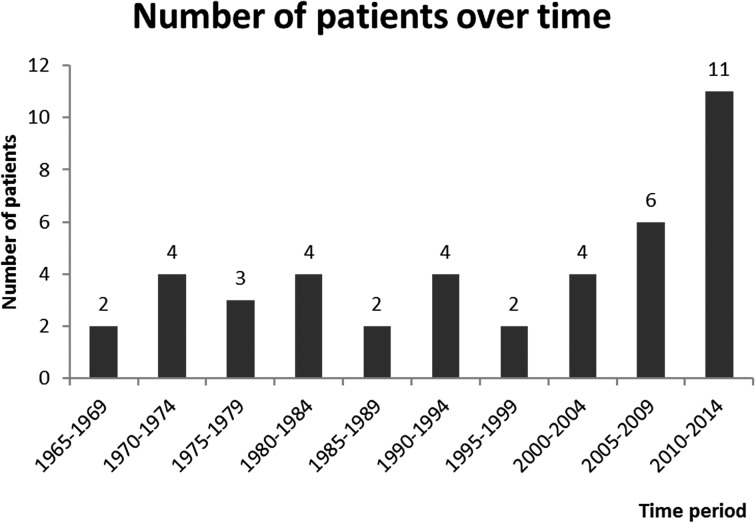
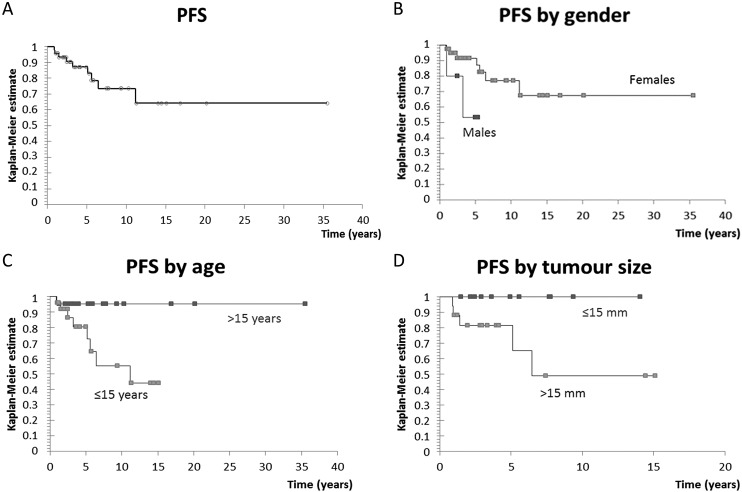
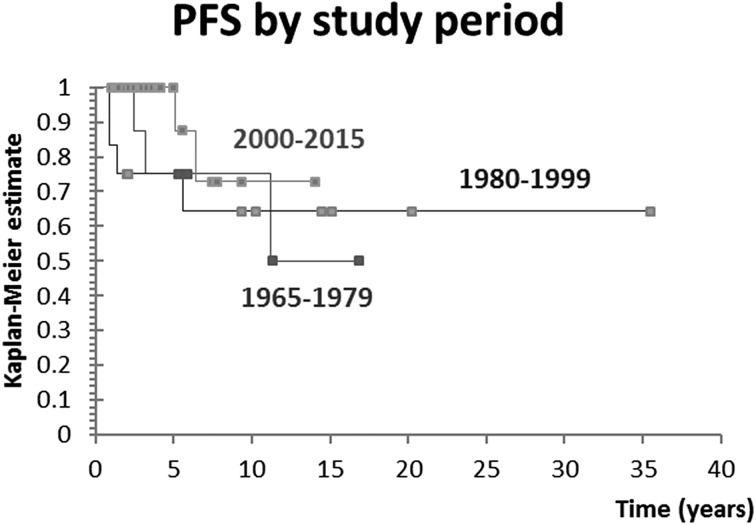
The aim is to present data on the treatment and follow-up in a cohort of patients with pediatric thyroid cancer who underwent total thyroidectomy and received postoperative radioactive iodine (I-131) therapy. The study was conducted in a tertiary high-volume thyroid center, in pediatric patients with differentiated thyroid cancer who were consecutively treated during the 1965-2015 period. A total of 45 patients aged ≤18 years having undergone total thyroidectomy with or without selective neck dissection were included in the study. Decision on postoperative I-131 ablation was based on tumor characteristics, postoperative thyroglobulin level, preablative whole body scintigraphy, and/or neck ultrasound. Median age at diagnosis was 15 years. The presence of cervical lymph node metastases was significantly associated with papillary thyroid cancer, larger tumor size, involvement of two thyroid lobes, and multifocal disease. The presence of distant metastases was significantly associated with larger tumor size. None of the patients died during follow-up period, and the 5-year and 10-year overall survival rates were 100%. The 5-year and 10-year progression-free survival (PFS) rates were 87% and 73%, respectively. Male gender (p=0.046), age ≤15 years (p=0.029) and tumor size >15 mm (p=0.042) were significantly associated with inferior PFS. A significant positive trend of increase in the number of newly diagnosed patients was observed over time (p=0.011). Clinical management of pediatric thyroid cancer is challenging, especially in the light of increasing incidence in this population. Male patients younger than 15 years and with tumors of more than 15 mm in size require additional caution due to lower PFS observed.
目的是呈现一组接受全甲状腺切除术并接受术后放射性碘(I - 131)治疗的儿童甲状腺癌患者的治疗及随访数据。该研究在一家大型三级甲状腺中心进行,研究对象为1965年至2015年期间连续接受治疗的分化型甲状腺癌儿科患者。共有45例年龄≤18岁、接受了全甲状腺切除术(有或无选择性颈清扫术)的患者纳入研究。术后I - 131消融治疗的决策基于肿瘤特征、术后甲状腺球蛋白水平、消融前全身闪烁扫描和/或颈部超声检查。诊断时的中位年龄为15岁。颈部淋巴结转移的存在与乳头状甲状腺癌、肿瘤较大、双侧甲状腺叶受累以及多灶性疾病显著相关。远处转移的存在与肿瘤较大显著相关。随访期间无患者死亡,5年和10年总生存率均为100%。5年和10年无进展生存率(PFS)分别为87%和73%。男性(p = 0.046)、年龄≤15岁(p = 0.029)和肿瘤大小>15 mm(p = 0.042)与较差的PFS显著相关。随着时间推移,新诊断患者数量呈显著上升趋势(p = 0.011)。儿童甲状腺癌的临床管理具有挑战性,尤其是考虑到该人群发病率不断上升的情况。由于观察到的PFS较低,15岁以下的男性患者以及肿瘤大小超过15 mm的患者需要格外谨慎。