Drug Discovery & Development Division, Patanjali Research Foundation (Trust), Near Patanjali Yogapeeth-I, Haridwar Pin- 249405, Uttarakhand, India.
Molecules. 2019 Jul 30;24(15):2772. doi: 10.3390/molecules24152772.
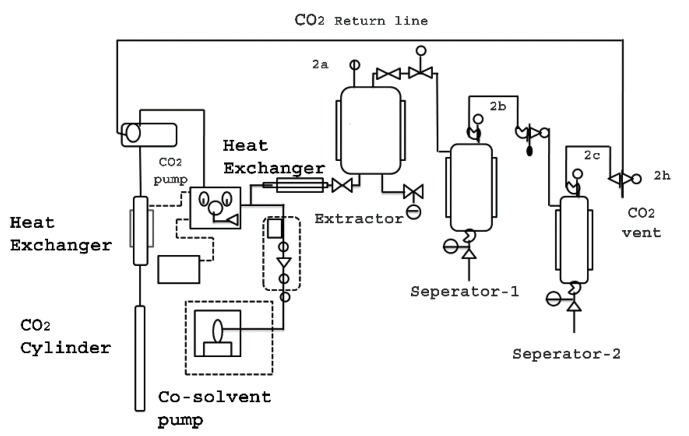
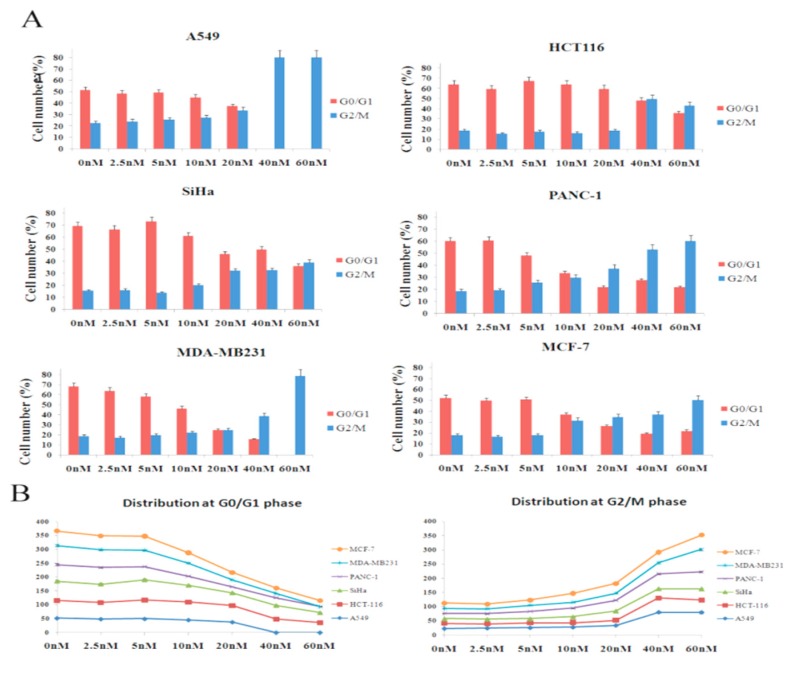
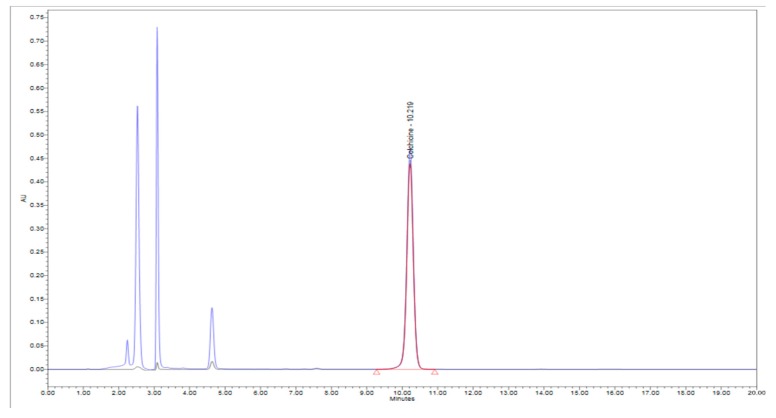
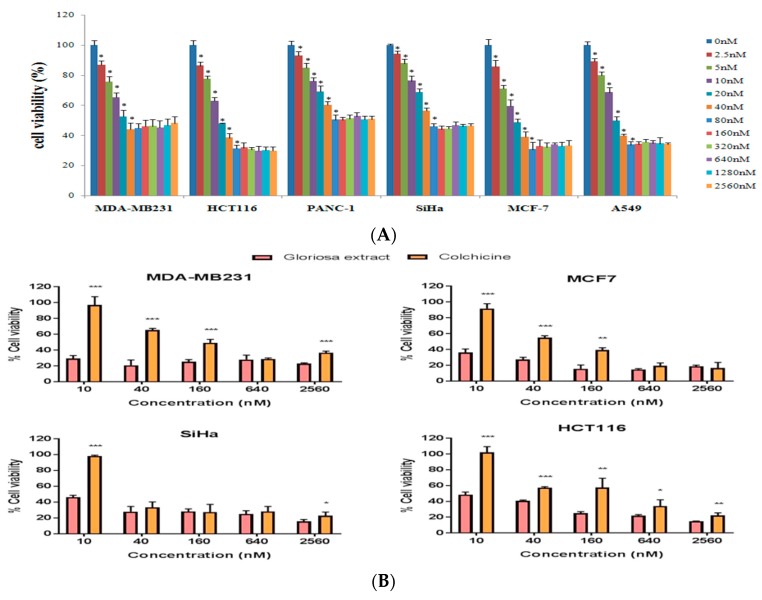
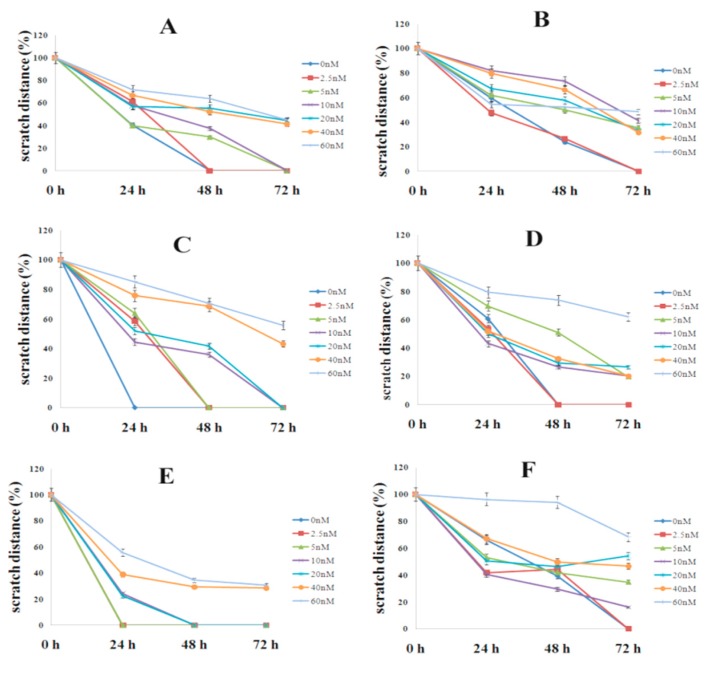
Colchicine was extracted from seeds using the Super Critical Fluid (CO) Extraction (SCFE) technology. The seeds were purified upto 99.82% using column chromatography. Colchicine affinity was further investigated for anticancer activity in six human cancer cell lines, i.e., A549, MCF-7, MDA-MB231, PANC-1, HCT116, and SiHa. Purified colchicine showed the least cell cytotoxicity and antiproliferation and caused no G2/M arrest at clinically acceptable concentrations. Mitotic arrest was observed in only A549 and MDA-MB231 cell lines at 60nM concentration. Our finding indicated the possible use of colchicine at a clinically acceptable dose and provided insight into the science behind microtubule destabilization. However, more studies need to be conducted beforethese findings could be established.
秋水仙素是使用超临界流体(CO)萃取(SCFE)技术从种子中提取的。种子使用柱层析法纯化至 99.82%。秋水仙素的亲和力进一步在六种人类癌细胞系(即 A549、MCF-7、MDA-MB231、PANC-1、HCT116 和 SiHa)中进行了抗癌活性的研究。纯化的秋水仙素在临床可接受的浓度下表现出最低的细胞细胞毒性和抗增殖作用,并且不会引起 G2/M 期阻滞。只有在 60nM 浓度下,A549 和 MDA-MB231 细胞系才观察到有丝分裂停滞。我们的发现表明,在临床可接受的剂量下使用秋水仙素是可能的,并为微管不稳定背后的科学提供了深入了解。然而,在这些发现得到确立之前,还需要进行更多的研究。