Institute for Stem Cell Biology and Regenerative Medicine, Stanford University School of Medicine, Stanford, CA, USA.
Ludwig Center for Cancer Stem Cell Research and Medicine, Stanford University School of Medicine, Stanford, CA, USA.
Nature. 2019 Aug;572(7769):392-396. doi: 10.1038/s41586-019-1456-0. Epub 2019 Jul 31.
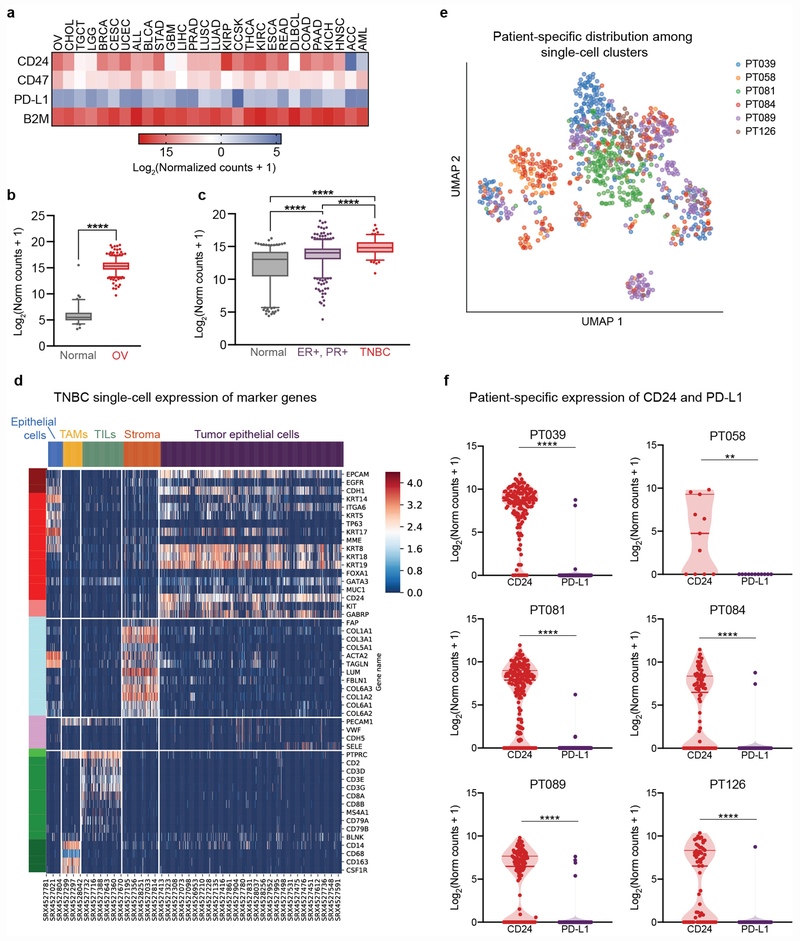
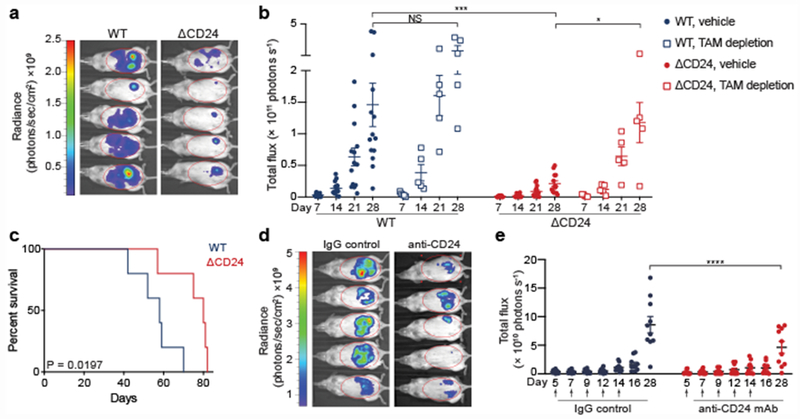
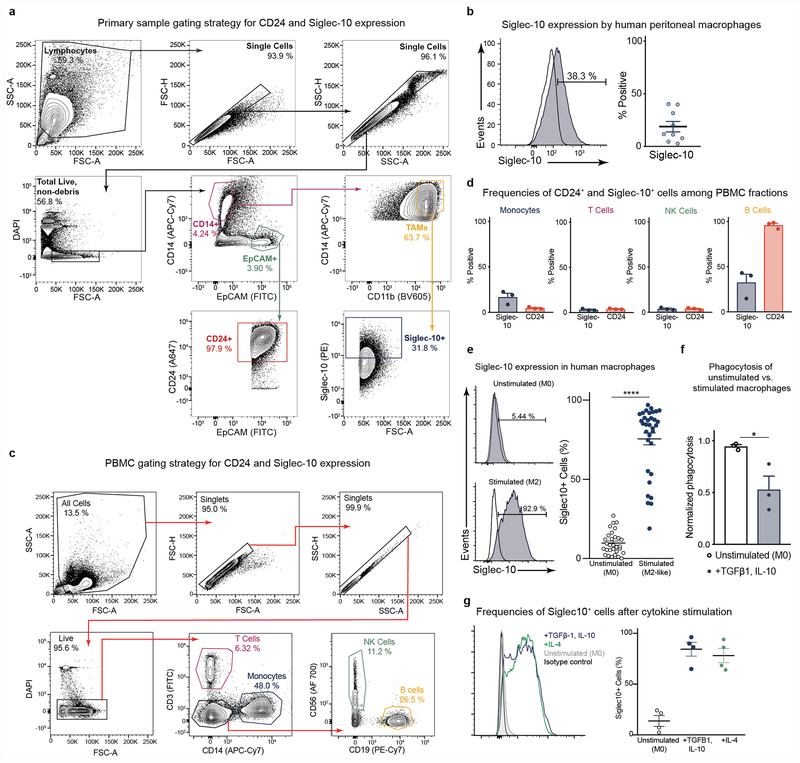
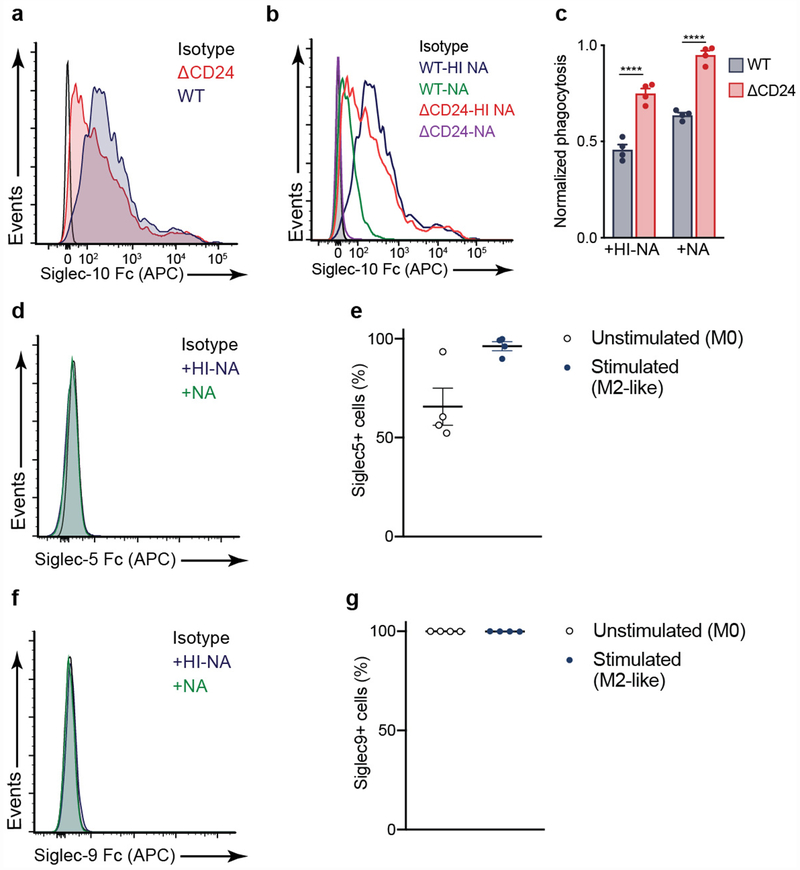
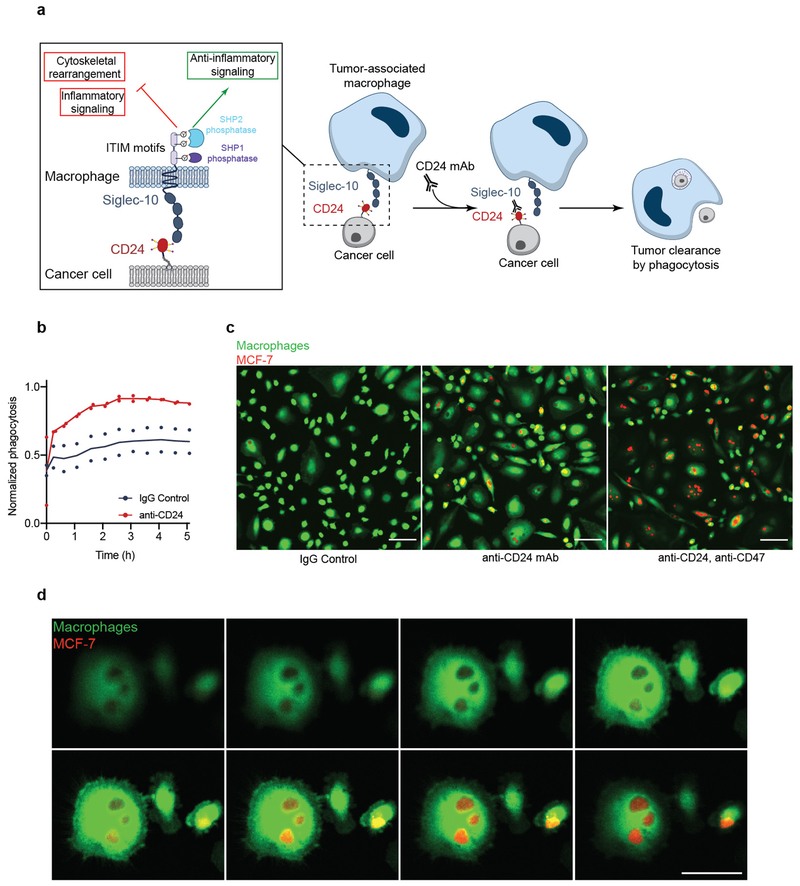
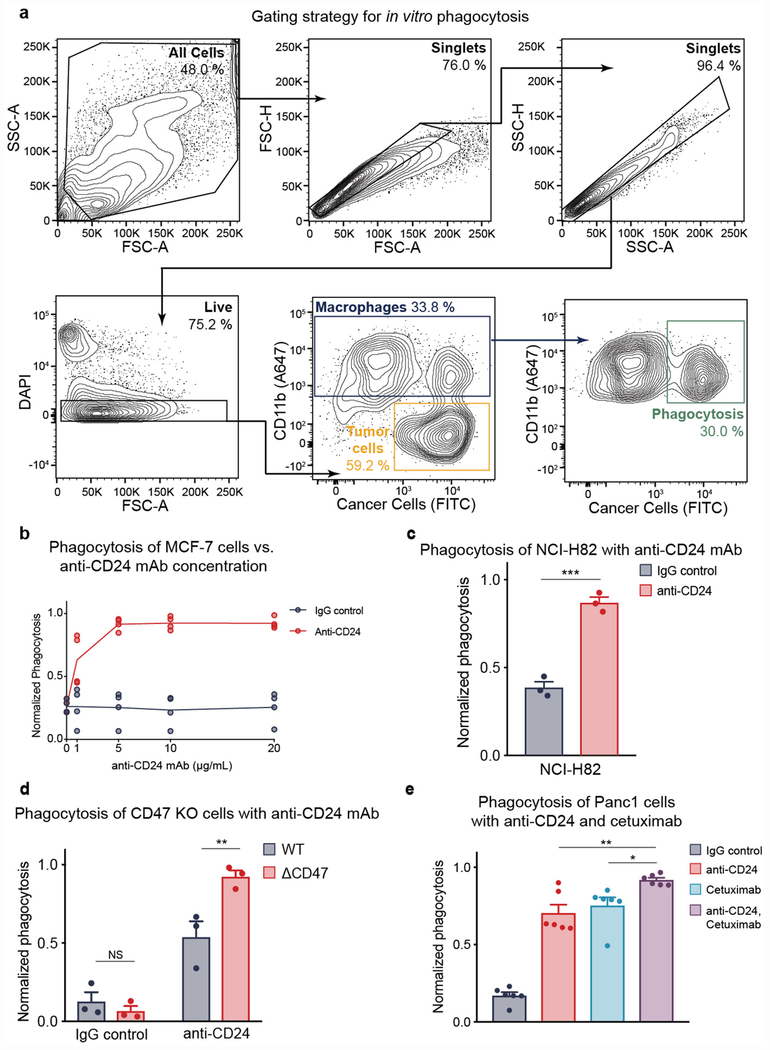
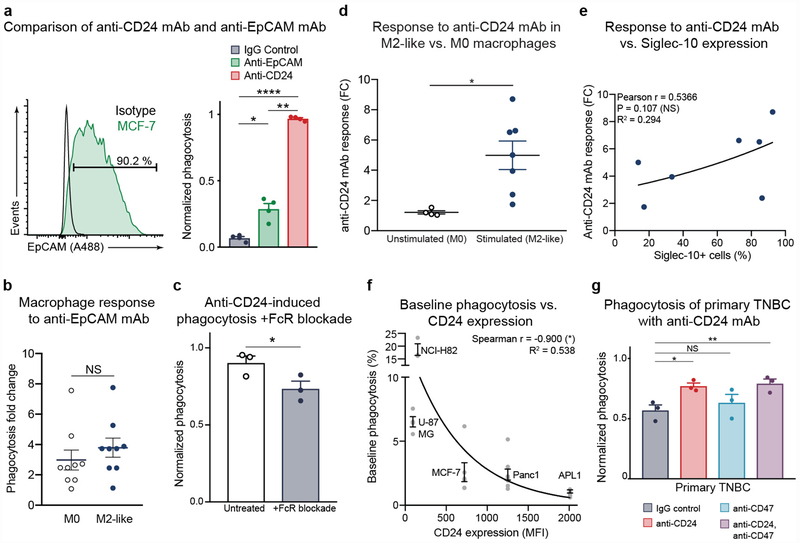
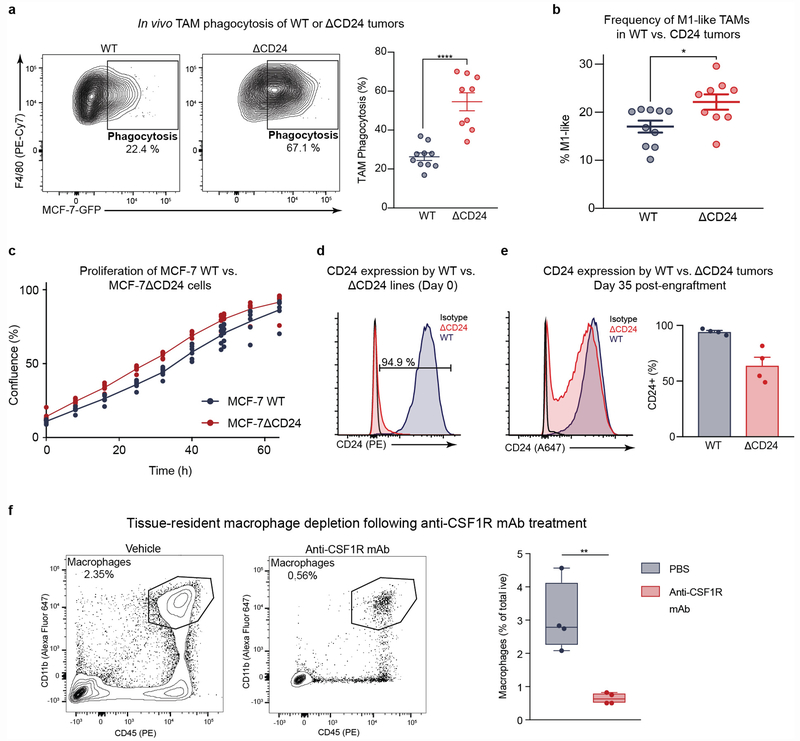
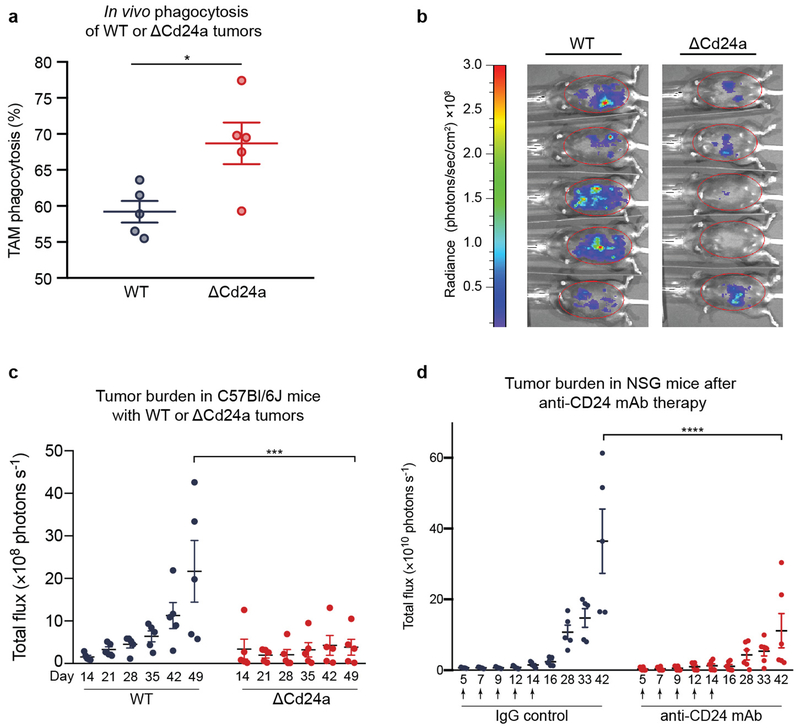
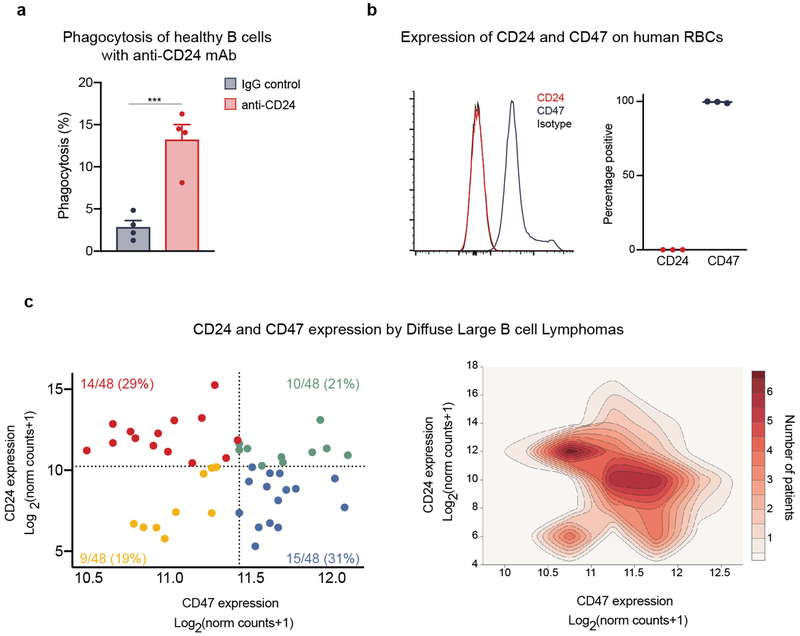
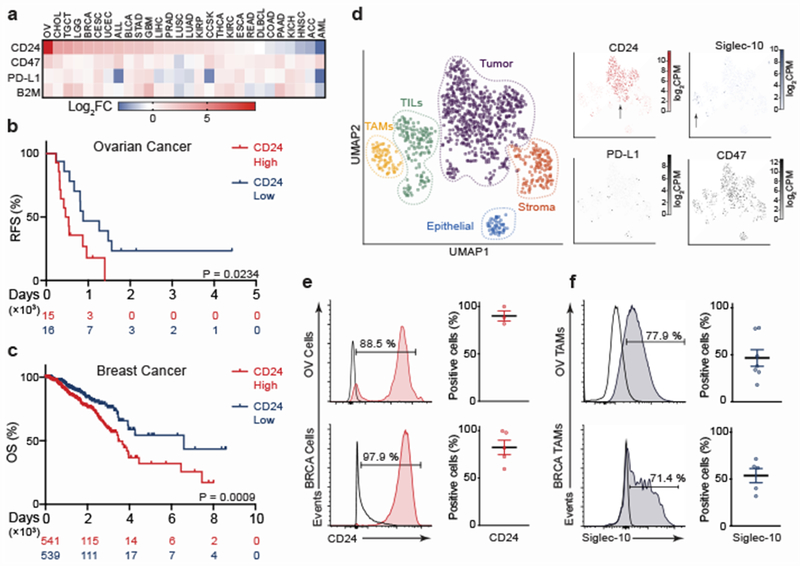
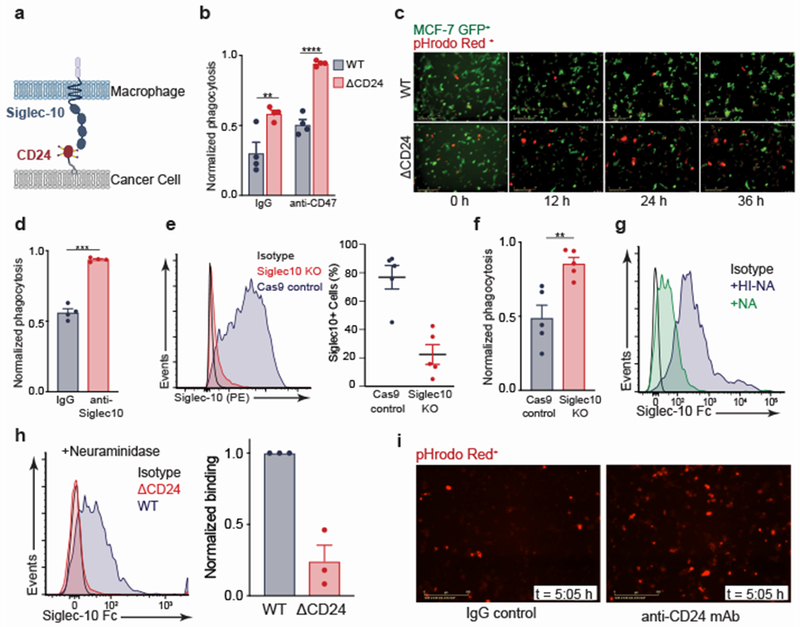
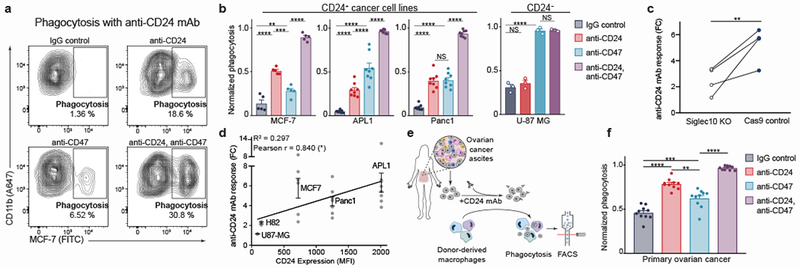
Ovarian cancer and triple-negative breast cancer are among the most lethal diseases affecting women, with few targeted therapies and high rates of metastasis. Cancer cells are capable of evading clearance by macrophages through the overexpression of anti-phagocytic surface proteins called 'don't eat me' signals-including CD47, programmed cell death ligand 1 (PD-L1) and the beta-2 microglobulin subunit of the major histocompatibility class I complex (B2M). Monoclonal antibodies that antagonize the interaction of 'don't eat me' signals with their macrophage-expressed receptors have demonstrated therapeutic potential in several cancers. However, variability in the magnitude and durability of the response to these agents has suggested the presence of additional, as yet unknown 'don't eat me' signals. Here we show that CD24 can be the dominant innate immune checkpoint in ovarian cancer and breast cancer, and is a promising target for cancer immunotherapy. We demonstrate a role for tumour-expressed CD24 in promoting immune evasion through its interaction with the inhibitory receptor sialic-acid-binding Ig-like lectin 10 (Siglec-10), which is expressed by tumour-associated macrophages. We find that many tumours overexpress CD24 and that tumour-associated macrophages express high levels of Siglec-10. Genetic ablation of either CD24 or Siglec-10, as well as blockade of the CD24-Siglec-10 interaction using monoclonal antibodies, robustly augment the phagocytosis of all CD24-expressing human tumours that we tested. Genetic ablation and therapeutic blockade of CD24 resulted in a macrophage-dependent reduction of tumour growth in vivo and an increase in survival time. These data reveal CD24 as a highly expressed, anti-phagocytic signal in several cancers and demonstrate the therapeutic potential for CD24 blockade in cancer immunotherapy.
卵巢癌和三阴性乳腺癌是女性中最致命的疾病之一,它们几乎没有靶向治疗方法,而且转移率很高。癌细胞能够通过过度表达称为“别吃我”信号的抗吞噬细胞表面蛋白来逃避巨噬细胞的清除,这些信号包括 CD47、程序性细胞死亡配体 1(PD-L1)和主要组织相容性复合体 I 类β-2 微球蛋白亚基(B2M)。拮抗“别吃我”信号与其巨噬细胞表达的受体相互作用的单克隆抗体已在几种癌症中显示出治疗潜力。然而,这些药物的反应的幅度和持久性存在差异,这表明存在其他尚未知的“别吃我”信号。在这里,我们表明 CD24 可以是卵巢癌和乳腺癌中的主要先天免疫检查点,并且是癌症免疫治疗的有前途的靶标。我们证明了肿瘤表达的 CD24 通过与其抑制性受体唾液酸结合免疫球蛋白样凝集素 10(Siglec-10)相互作用,在促进免疫逃逸中起作用,该受体由肿瘤相关巨噬细胞表达。我们发现许多肿瘤过度表达 CD24,并且肿瘤相关巨噬细胞表达高水平的 Siglec-10。使用单克隆抗体对 CD24 或 Siglec-10 进行基因敲除,以及阻断 CD24-Siglec-10 相互作用,都能强有力地增强我们测试的所有表达 CD24 的人类肿瘤的吞噬作用。CD24 的基因敲除和治疗性阻断导致体内肿瘤的生长依赖于巨噬细胞,并增加了存活时间。这些数据揭示了 CD24 是几种癌症中高度表达的抗吞噬细胞信号,并证明了 CD24 阻断在癌症免疫治疗中的治疗潜力。