Gordon Sydney R, Maute Roy L, Dulken Ben W, Hutter Gregor, George Benson M, McCracken Melissa N, Gupta Rohit, Tsai Jonathan M, Sinha Rahul, Corey Daniel, Ring Aaron M, Connolly Andrew J, Weissman Irving L
Institute for Stem Cell Biology and Regenerative Medicine, Stanford University School of Medicine, Stanford, California 94305, USA.
Department of Molecular and Cellular Physiology, Stanford University School of Medicine, Stanford, California 4305, USA.
Nature. 2017 May 25;545(7655):495-499. doi: 10.1038/nature22396. Epub 2017 May 17.
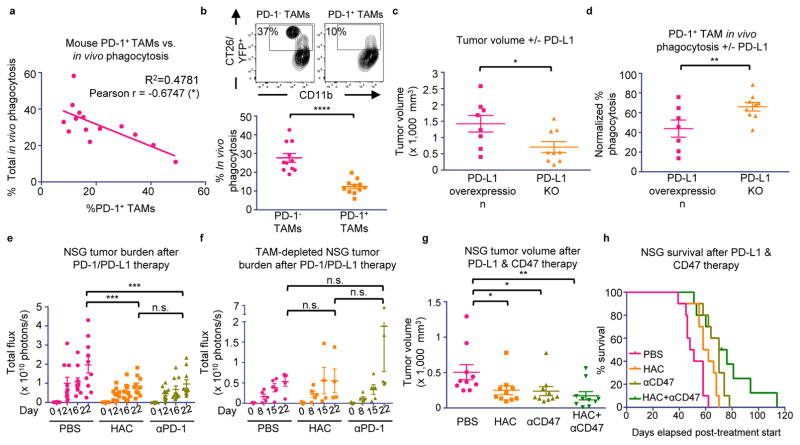
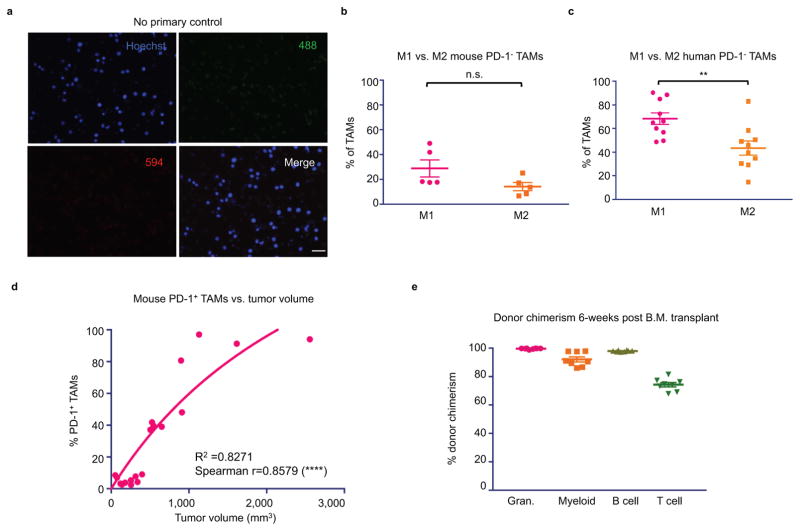
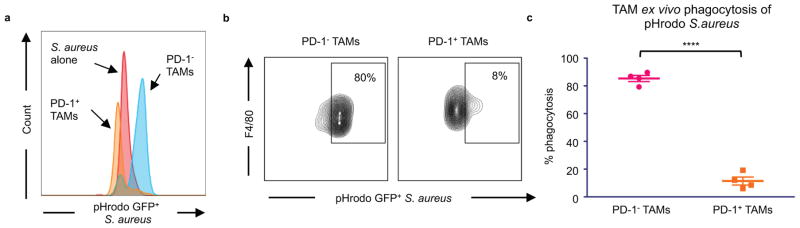
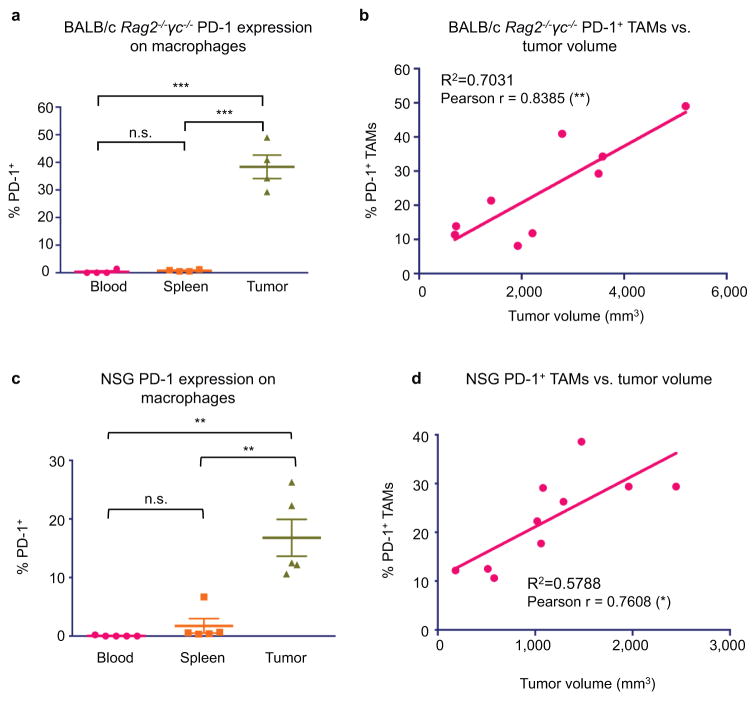
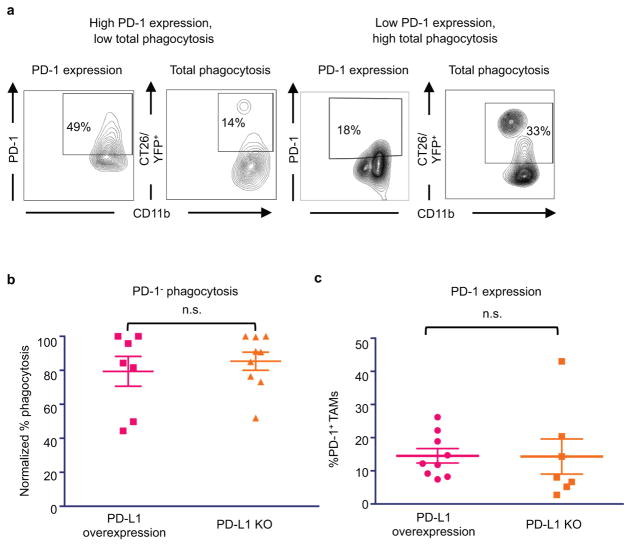
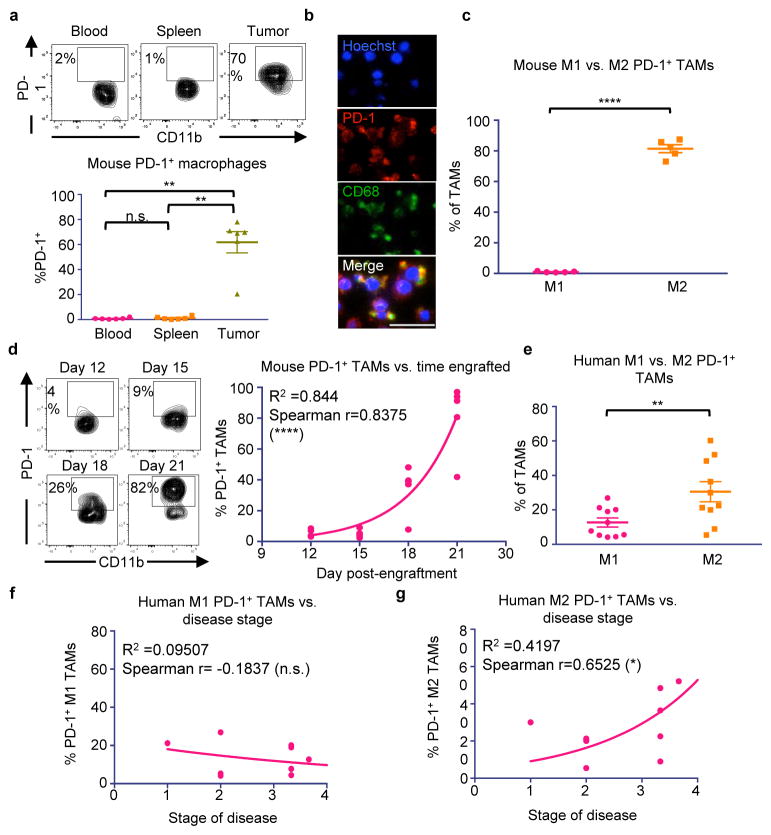
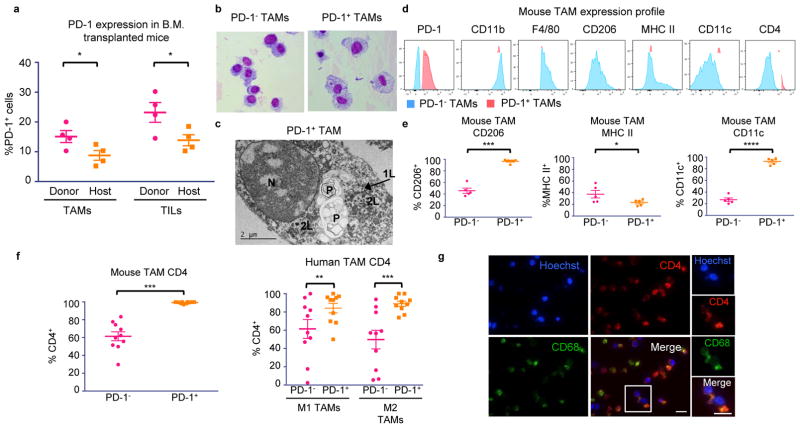
Programmed cell death protein 1 (PD-1) is an immune checkpoint receptor that is upregulated on activated T cells for the induction of immune tolerance. Tumour cells frequently overexpress the ligand for PD-1, programmed cell death ligand 1 (PD-L1), facilitating their escape from the immune system. Monoclonal antibodies that block the interaction between PD-1 and PD-L1, by binding to either the ligand or receptor, have shown notable clinical efficacy in patients with a variety of cancers, including melanoma, colorectal cancer, non-small-cell lung cancer and Hodgkin's lymphoma. Although it is well established that PD-1-PD-L1 blockade activates T cells, little is known about the role that this pathway may have in tumour-associated macrophages (TAMs). Here we show that both mouse and human TAMs express PD-1. TAM PD-1 expression increases over time in mouse models of cancer and with increasing disease stage in primary human cancers. TAM PD-1 expression correlates negatively with phagocytic potency against tumour cells, and blockade of PD-1-PD-L1 in vivo increases macrophage phagocytosis, reduces tumour growth and lengthens the survival of mice in mouse models of cancer in a macrophage-dependent fashion. This suggests that PD-1-PD-L1 therapies may also function through a direct effect on macrophages, with substantial implications for the treatment of cancer with these agents.
程序性细胞死亡蛋白1(PD-1)是一种免疫检查点受体,在活化的T细胞上上调以诱导免疫耐受。肿瘤细胞经常过度表达PD-1的配体,即程序性细胞死亡配体1(PD-L1),从而促进其逃避免疫系统。通过与配体或受体结合来阻断PD-1与PD-L1之间相互作用的单克隆抗体,在包括黑色素瘤、结直肠癌、非小细胞肺癌和霍奇金淋巴瘤在内的多种癌症患者中显示出显著的临床疗效。虽然PD-1-PD-L1阻断激活T细胞这一点已得到充分证实,但对于该途径在肿瘤相关巨噬细胞(TAM)中可能发挥的作用却知之甚少。在此我们表明,小鼠和人类的TAM均表达PD-1。在癌症小鼠模型中,TAM的PD-1表达随时间增加,在原发性人类癌症中则随疾病阶段增加而升高。TAM的PD-1表达与对肿瘤细胞的吞噬能力呈负相关,体内阻断PD-1-PD-L1以巨噬细胞依赖的方式增加巨噬细胞吞噬作用、减少肿瘤生长并延长癌症小鼠模型中小鼠的生存期。这表明PD-1-PD-L1疗法也可能通过对巨噬细胞的直接作用发挥功能,这对于使用这些药物治疗癌症具有重要意义。