Integrative Medicine Cluster, Advanced Medical and Dental Institute, SAINS@ Bertam, Universiti Sains Malaysia, Kepala Batas 13200, Pulau Pinang, Malaysia.
Department of Clinic and Internal Medicine, College of Veterinary Medicine, University of Sulaimani, Sulaymaniyah City 46001, Republic of Iraq.
Int J Nanomedicine. 2019 Jul 11;14:5135-5146. doi: 10.2147/IJN.S199974. eCollection 2019.
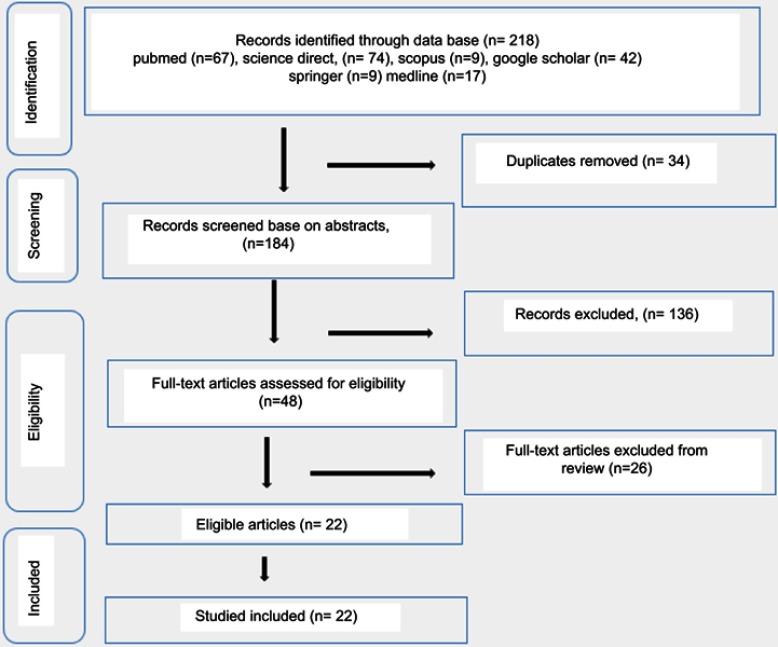
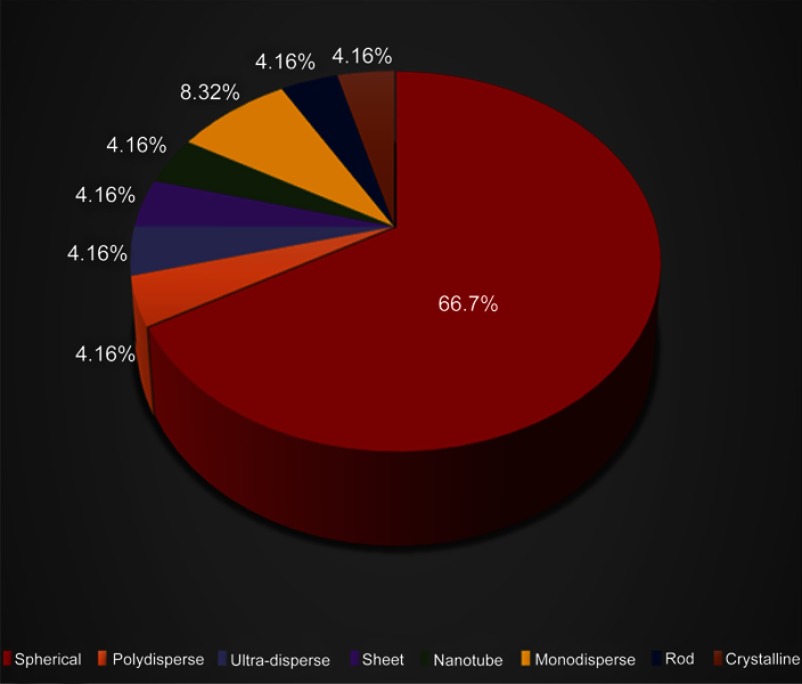
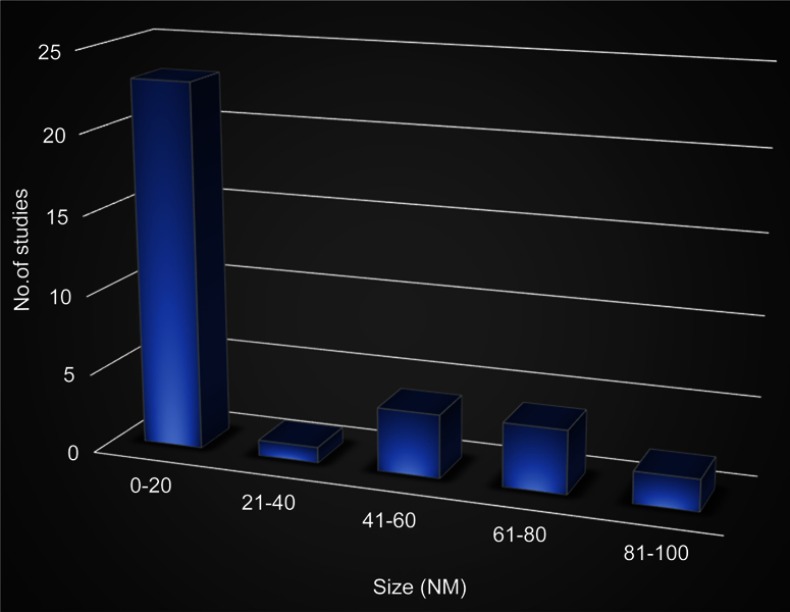
Nanoparticles appear to be one of the most promising agents that offer efficacy in angiogenesis-related disease therapy. The objective of this research is to systematically review studies that have probed into the effect of nanoparticles on angiogenesis. Selected inclusion criteria were used to extract articles, references that were cited in the initial search were sought to identify more potential articles, and articles that did not meet the inclusion criteria and duplicates were discarded. The spherical shape was shown to be the most common shape employed to investigate the role of nanoparticles in angiogenesis therapy. The size of nanoparticles appears to play a crucial role for efficacy on angiogenesis, in which 20 nm emerged as the preferred size. Gold nanoparticles exhibit the most promise as an antiangiogenesis agent, and the toxicity was adjustable based on the dosages applied.
纳米粒子似乎是最有前途的药物之一,在治疗与血管生成相关的疾病方面具有疗效。本研究旨在系统地综述探讨纳米粒子对血管生成影响的研究。使用了特定的纳入标准来提取文章,并查找初始搜索中引用的参考文献,以确定更多潜在的文章。不符合纳入标准和重复的文章被丢弃。球形是最常用于研究纳米粒子在血管生成治疗中作用的常见形状。纳米粒子的大小似乎对血管生成的疗效起着关键作用,其中 20nm 的纳米粒子效果最佳。金纳米粒子作为一种抗血管生成药物最有前景,并且可以根据应用的剂量来调整其毒性。